





 Portuguese
  English
  Spanish
  3 min of reading
  0 comments


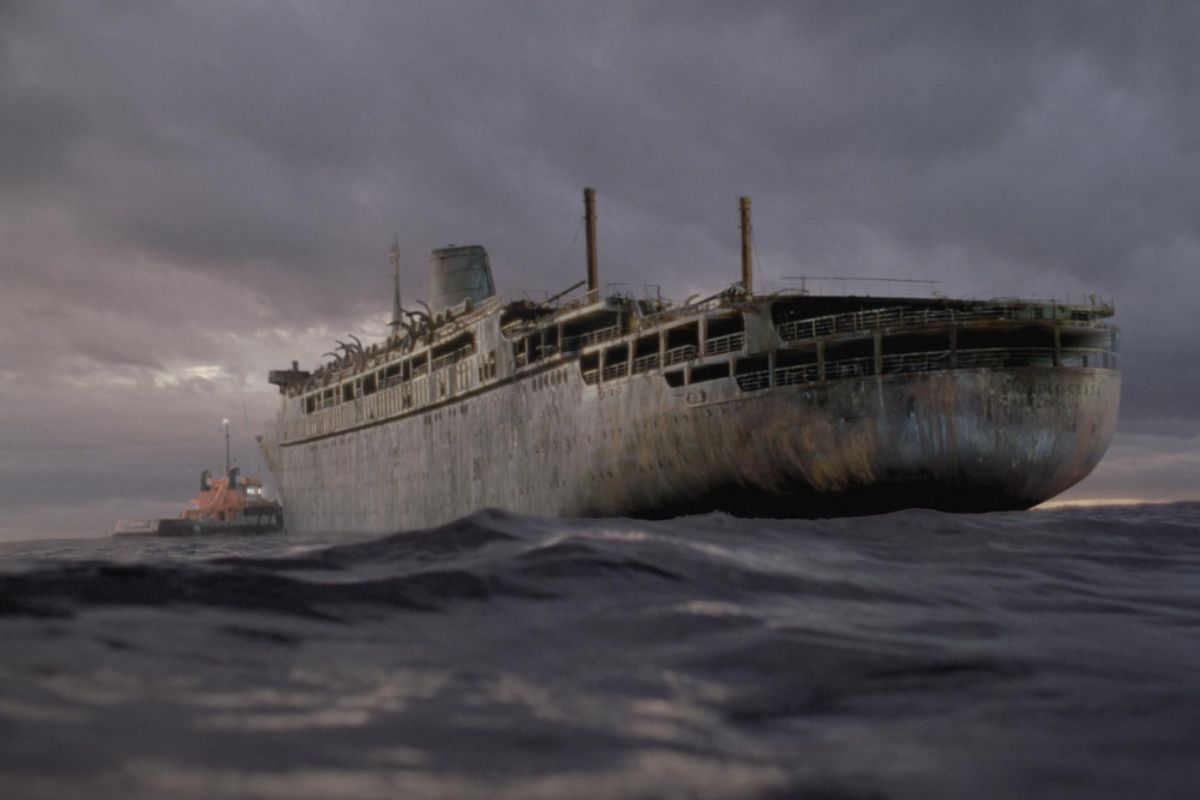
Abandoned Vessels Challenge Maritime Authorities and Involve International Protocols, Legal Disputes and Environmental Risks
Ghost Ships are vessels found without crew, adrift at sea, often in poor condition and without immediate explanation. These cases generate curiosity, but also require urgent measures from maritime authorities due to risks to navigation and environmental safety.
Although rare, ghost ships mobilize agencies such as the Navy, Coast Guard, and the International Maritime Organization (IMO). Each case requires investigation, risk assessment, and legal definition regarding ownership and fate of the vessel, according to Maritime Law standards.
First Step: Identification and Area Security
Upon sighting a crewless ship, the priority is to ensure it does not pose an immediate risk to other vessels. The local maritime authority — in the case of Brazil, the Navy — sends a team to inspect the ship, looking for registration number, flag, and signs of hazardous cargo.
-
Scientists are looking for volunteers to live for free for a month in a refuge in the Italian Alps at an altitude of 2,300 meters, with accommodation, food, and a payment of 400 euros to participate in a health study.

-
A 19-year-old is ripped from a mobile home by an F2 tornado, thrown 398 meters, survives with minor injuries, and enters the Guinness World Records in one of the most extreme cases ever recorded in meteorology.

-
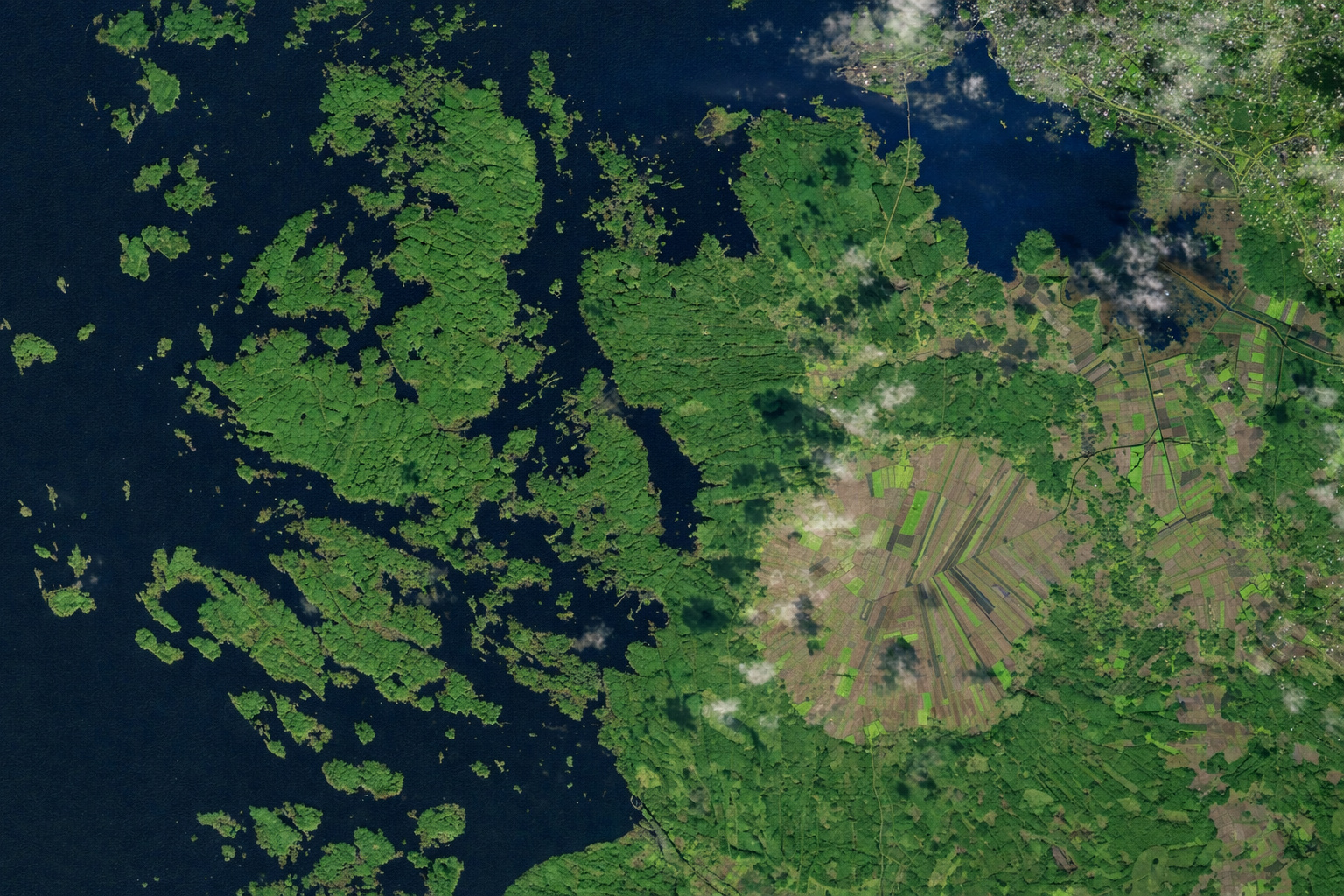
An impact crater has turned into agricultural land in Finland, and its almost perfect outline creates a circular design so strange that it resembles a landscape from another planet viewed from space.
-
Embraer proves that the KC-390 Millennium achieves 100% reliability in tests in the Arctic, operating in extreme cold in Sweden with short takeoffs, quick deployment, and simultaneous transport of heavy vehicles and troops.


If there is a possibility of involvement with piracy, smuggling or human trafficking, the vessel is treated as a crime scene. At this stage, international cooperation is essential, especially in international waters, where IMO conventions and multilateral treaties apply.
Investigation and Ownership Dispute
Once safety is ensured, the process of tracing the origin of the vessel begins. This involves consulting maritime databases and contacting port authorities where the ship may have passed. If ownership cannot be immediately identified, the ship may be classified as “derelict” — abandoned vessel with no intention of recovery.
In some cases, companies or individuals claim ownership of the ship or cargo, leading to legal disputes. International maritime law, such as the 1989 Salvage Convention, regulates who may keep the vessel or its belongings, and under what conditions.
Fate of the Vessel: Towed, Sold, or Sunk
If deemed stable and free from environmental risks, the ghost ship can be towed to the nearest port. There, it undergoes technical inspection. Depending on its condition, it may be reused, dismantled, or auctioned — if no legitimate owners come forward.
On the other hand, if the structure is compromised or poses an ecological threat, the maritime authority may authorize the controlled sinking, adhering to environmental guidelines such as those from IBAMA and the London Convention on the disposal at sea.
Cargo and Environmental Responsibility
The cargo carried by ghost ships also receives special attention. If it consists of hazardous materials — such as oil, fertilizers, or toxic substances — environmental authorities need to act swiftly to prevent leaks and harm to the marine ecosystem.
In cases of valuable goods without identified owners, the material may be seized and auctioned by the State, with allocation defined through judicial processes. The entire process needs to be transparent and comply with international salvage and environmental standards.
Ghost Ships Are a Mystery, But Do Not Escape the Law
Although they involve stories shrouded in mystery and even legendary elements, ghost ships are treated with technical, legal, and environmental rigor. Coordination among navies, international agencies, and environmental authorities aims to prevent these cases from threatening lives or the balance of the oceans.
Have you ever heard of modern ghost ships? Do you think they should be preserved as heritage? Comment below.






-

-

-

5 pessoas reagiram a isso.