





 Portuguese
  English
  Spanish
  5 min of reading
  0 comments


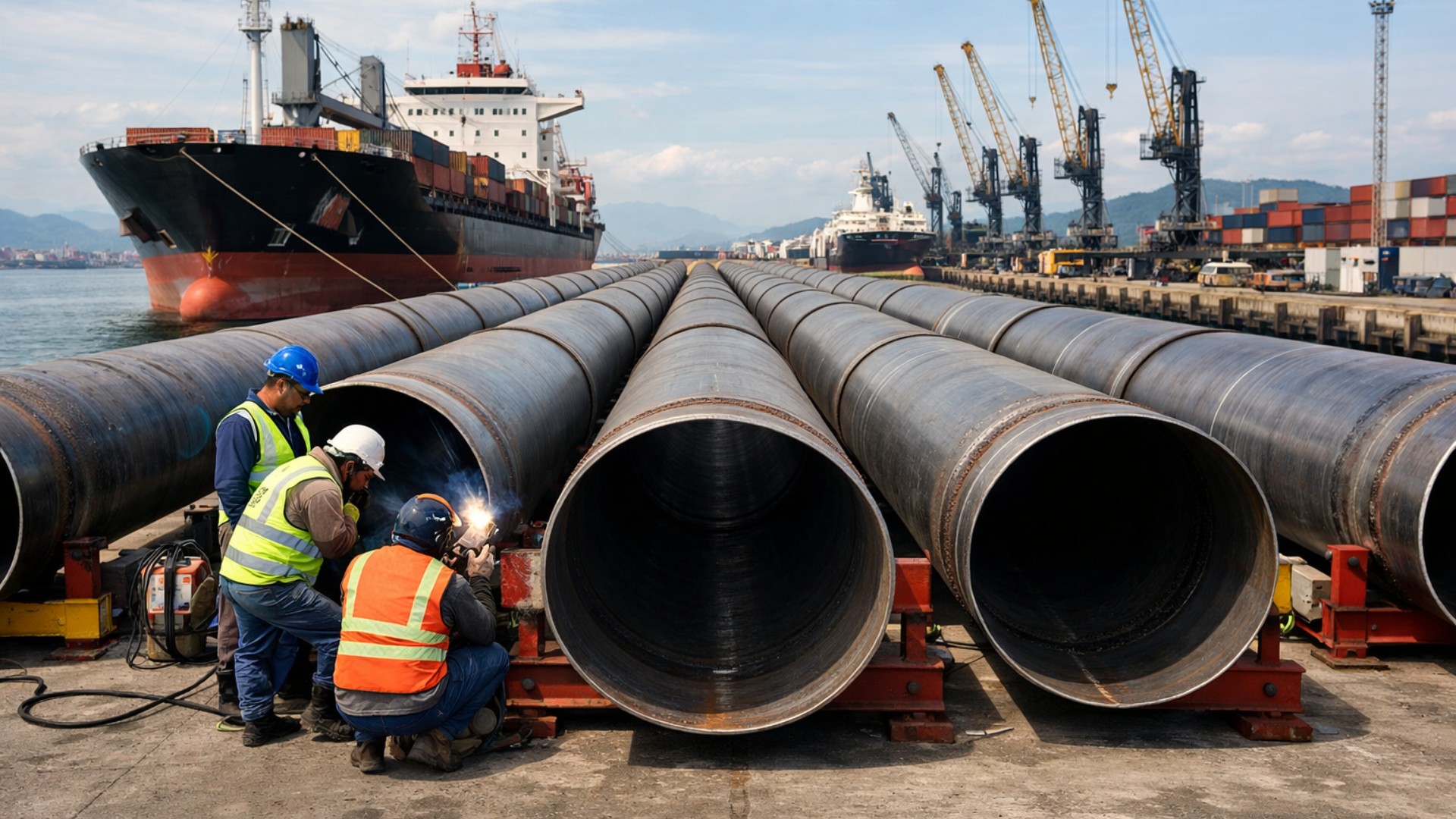
The project advances in one of the most strategic areas of the São Paulo coast and brings together underwater engineering, port operation, and reinforcement of water supply for Guarujá, with a direct impact on the water security of a region marked by recurring supply crises.
Sabesp has moved to one of the most sensitive stages of the new pipeline that will reinforce the water supply in Guarujá, a city that experiences recurring episodes of instability in supply.
Teams have begun assembling the underwater section of the structure at the Santos Port dock, where the pipes will be prepared to cross the channel and connect the system coming from Cubatão to the Vicente de Carvalho district.
The project received an investment of R$ 134.7 million and was designed to increase the supply of treated water to the population by 500 liters per second.
-
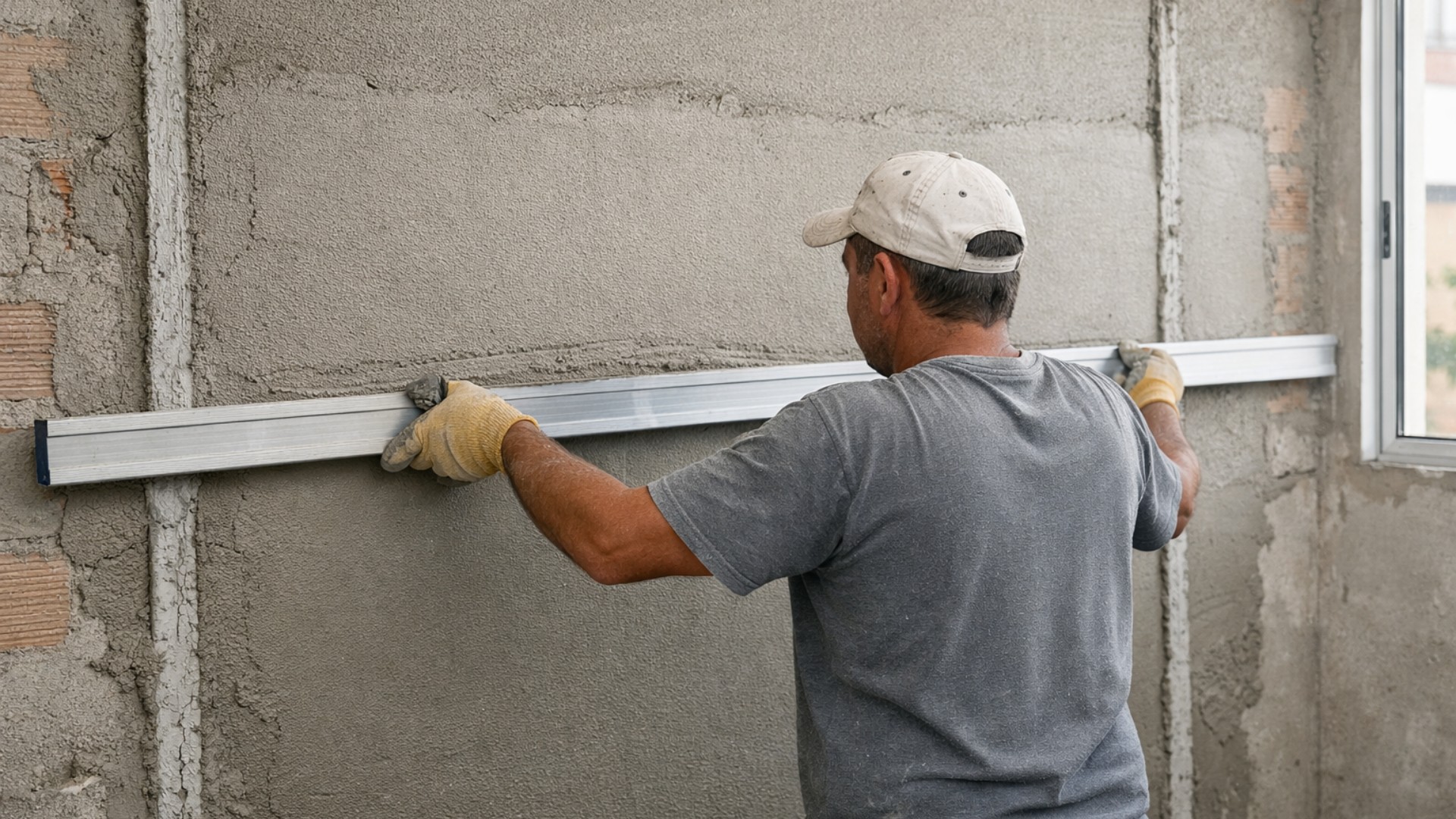
A mason reveals a professional plastering technique that uses aligned guides and a 3-meter ruler to plaster an entire wall in up to 3 hours, without visible seams, with uniform thickness, perfect plumb, and a finish ready for painting without rework.
-
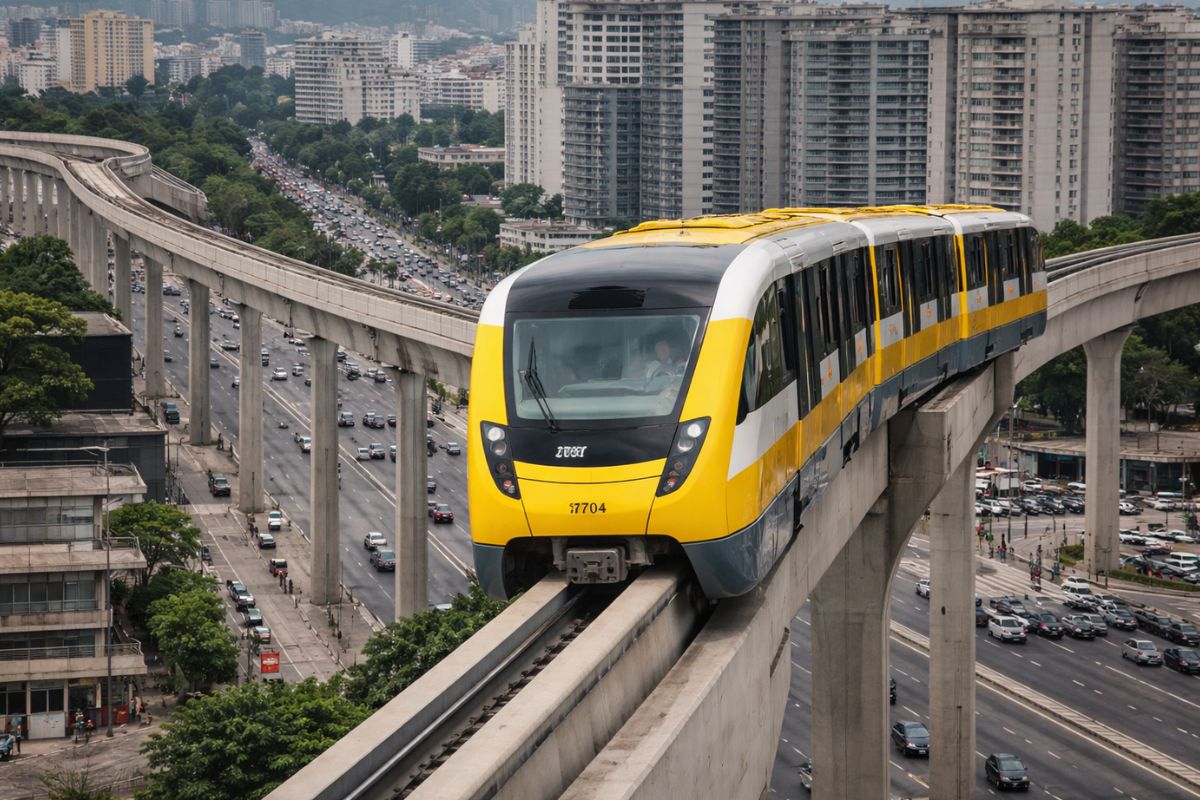
The project that was supposed to be ready for the 2014 World Cup in Brazil debuted with a 12-year delay and nearly R$ 6 billion invested: the Line 17-Gold of the São Paulo monorail opened with reduced hours and is only expected to operate fully in October.
-
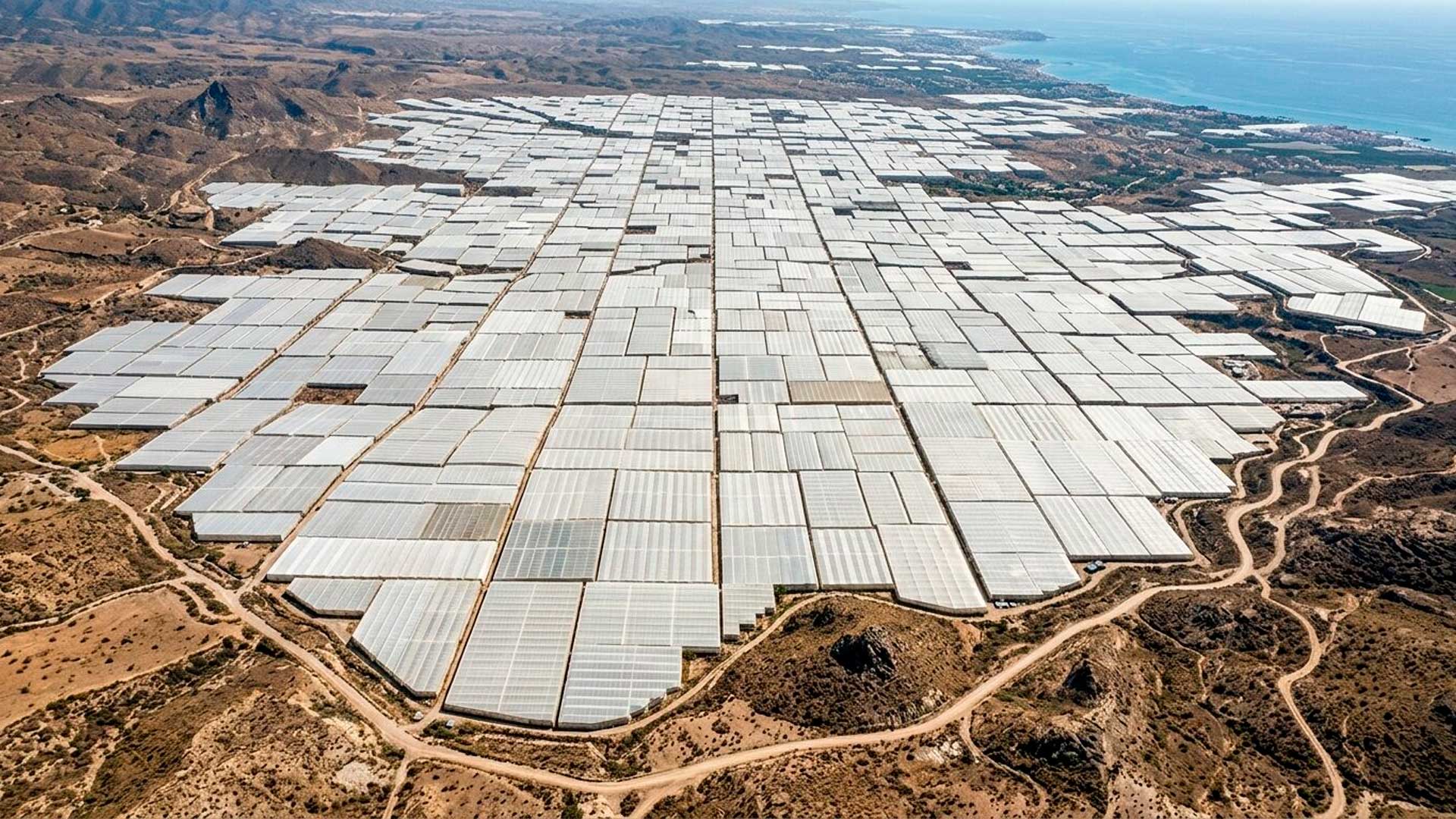
Neither the Pyramids nor the Great Wall of China, this gigantic construction in Spain is the human mark on planet Earth that intrigues the most when seen in images from space.
-
Surrounded by cliffs, mist, and chilling stories, the ancient Hotel del Salto has been reborn as a museum while still unable to shake off its reputation as a haunted place.


The ongoing operation focuses on a segment of approximately 1.7 kilometers, made up of pipes 12 meters long and 700 millimeters in diameter, which undergo welding before being taken for the crossing under the estuary.
The pieces are positioned in the area of the Praça da República Passenger Station in Santos, where the company has also implemented temporary protection and accessibility structures to reduce interference with pedestrian circulation.
Underwater crossing at Santos Port enters a decisive phase
The new pipeline will connect the Cubatão Water Treatment Station to the distribution system serving Vicente de Carvalho in Guarujá.
Although the crossing under the channel is the focus at this stage, the entire project totals 5.56 kilometers in length, of which about 4 kilometers have already been installed underground in Santos and Guarujá.

The section now assembled will be temporarily positioned in the dock area until the final stage of launching under the channel bed is executed.
According to information released by the São Paulo government and Sabesp itself, the definitive installation of the underwater segment will be carried out with specific machinery and without the need for large-scale excavations.
The adopted method is directional horizontal drilling, a technology used in infrastructure works to open the underground path and then pull the piping along the planned route.
The choice of this system aims to reduce operational impacts in a strategic area of Santos Port, where the logistical flow requires controlled and high-precision interventions.
The company also reported that the main movement to pull the pipes under the channel should occur in a concentrated operation, with an estimated duration of 72 hours, on a date to be adjusted with the Santos Port Authority and other involved agencies.
Before that, the assembled section is expected to remain in the port area for about 90 days, while technical and operational preparations for the crossing progress.
Sabesp’s project aims to reinforce water supply in Guarujá
Sabesp expects that the new interconnection will benefit more than 450,000 people, with a direct reinforcement of water security in the Ilha de Santo Amaro, where Guarujá is located.
The expected gain of 500 liters per second should enhance the flexibility of the regional system and reduce vulnerability during periods of higher consumption, when the municipality usually feels the effects of seasonality, pressure on the network, and historical infrastructure limitations more intensely.
Water will be produced in Cubatão and will follow through the reservoir system until it is conducted by the new pipeline towards Vicente de Carvalho.
According to the São Paulo Secretary of Environment, Infrastructure, and Logistics, the structure was planned to increase transport capacity without compromising the supply of Santos and Cubatão, as the treatment station has the capacity to serve all three municipalities.
In practice, the project creates a new route for sending treated water to the neighboring city, with greater operational stability.
The project also represents the second underwater crossing by Sabesp under the Santos Port channel.
The first is already in operation between the neighborhoods of Ponta da Praia in Santos and Vila Lígya in Guarujá, with similar transport capacity.
The new connection increases the redundancy of the system, allowing the supply to have another support structure in a region that experiences strong population and tourist pressure throughout the year.
Sabesp’s investments expand sanitation works in the Baixada Santista
The underwater crossing is part of a broader set of interventions announced by Sabesp for the Baixada Santista.
In February 2025, the company announced plans to invest R$ 7.5 billion in the region by 2029, with works aimed at increasing water supply, modernizing networks, reserving, pumping, and expanding sewage collection and treatment.
Among the projects mentioned by the state government are the Potable Water Reservoir Lung of the Mambu Branco System and the future Melvi Water Treatment Station.
In the official assessment, the new pipeline is treated as one of the priority interventions to address an old supply problem in Guarujá.
During a visit to the works, Secretary Natália Resende stated that the crossing represents a strategic advance for the water security of the Baixada Santista.
Meanwhile, Sabesp’s government relations officer, João Paulo Tavares Papa, said that the new structure should enhance the operational flexibility of the regional system, especially during periods of more intense seasonality.
The forecast provided by the Secretary of Environment, Infrastructure, and Logistics is for completion in July 2026.
Until then, the most visible stage for those passing through downtown Santos will continue to be the preparation of the large section of pipes around the passenger terminal, in a project that combines surface welding, logistical planning, and underground installation under one of the busiest areas in the country.
When operational, the expectation is that the new connection will make the supply in Guarujá less subject to the fluctuations that have affected the city’s residents for years.






Seja o primeiro a reagir!