





 Portuguese
  English
  Spanish
  3 min of reading
  0 comments


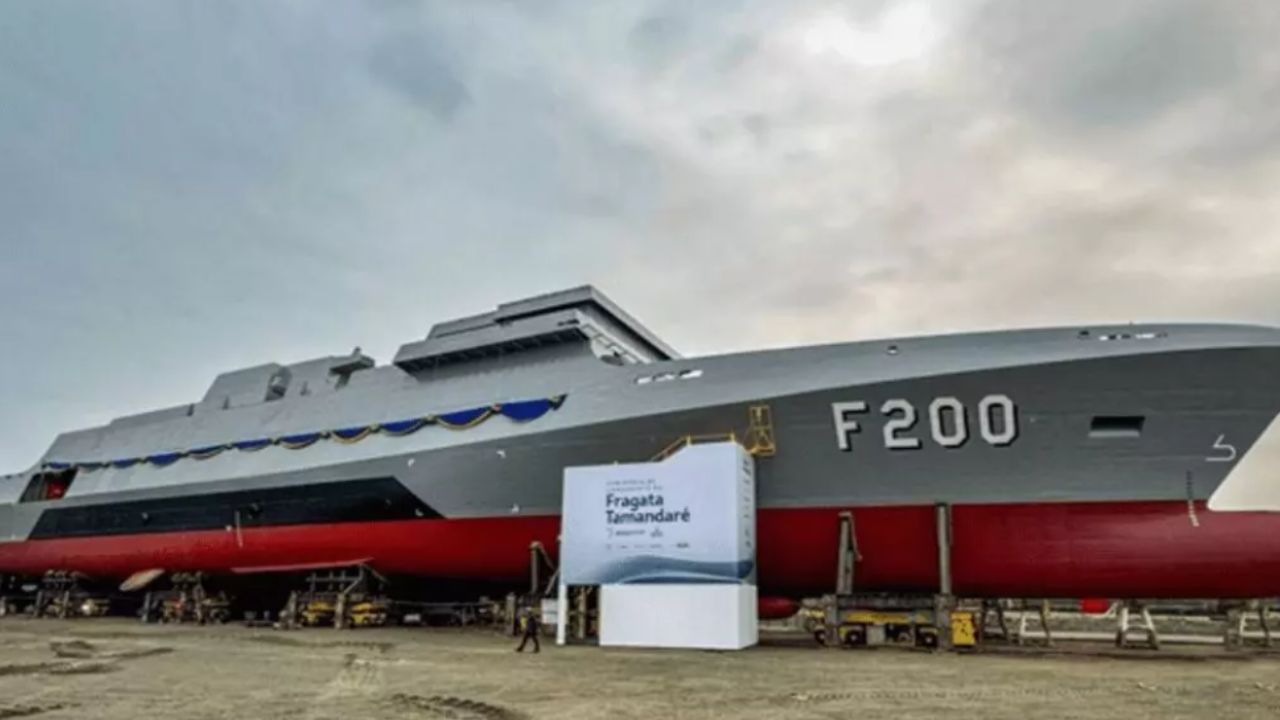
Simultaneous Construction of Three Vessels in Santa Catarina Consolidates the Country as a Center of Excellence in the Defense Industry and Represents an Unprecedented Advance for National Sovereignty.
Itajaí witnesses a historic moment for the Brazilian shipbuilding industry. The keel-laying ceremony of the third ship of the “Tamandaré” Class Program marks a significant advancement in the largest naval project in Brazil. The event, held at the Brasil Sul Shipyard (TKMS), consolidates national technical capacity and boosts the country’s sovereignty in defense technologies.
Keel-Laying of the “Cunha Moreira” Frigate in Santa Catarina
On last Thursday, June 5, the kickoff for the assembly of the third frigate of the “Tamandaré” Program was initiated. The vessel was named “Cunha Moreira,” in honor of Admiral Luís da Cunha Moreira. The keel-laying ceremony brought together civil and military authorities and industry representatives. The symbolic act marked the beginning of construction of the engine room compartment. In this location, engines, the reduction gear, and other essential equipment will be installed.
An Unprecedented Achievement for the Brazilian Naval Industry
The “Tamandaré” Class Frigates Program (PFCT) has reached an unprecedented level. For the first time, three frigates are being built simultaneously. In addition to the “Cunha Moreira,” the shipyard in Itajaí houses the “Tamandaré” Frigate (F200), which was launched in 2024. The second, the “Jerônimo de Albuquerque” Frigate (F201), is scheduled for launch in the second half of this year. This achievement reinforces Brazil’s position as a center of excellence in naval defense construction.
-
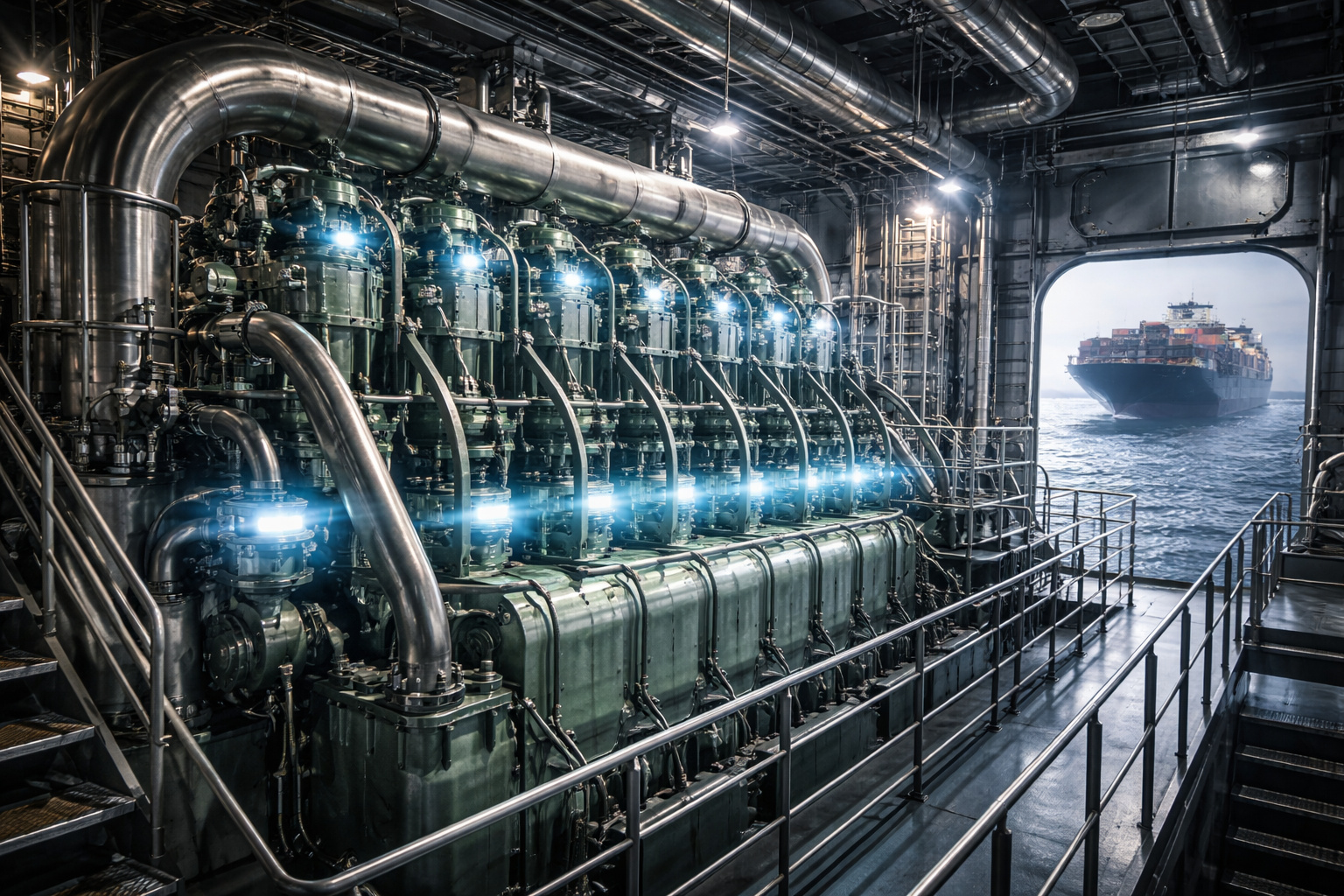
Europe is trying to create an ammonia-powered marine engine without auxiliary fuel, which could unlock the race for giant emission-free ships. The technology aims to eliminate one of the biggest obstacles to clean maritime propulsion.
-
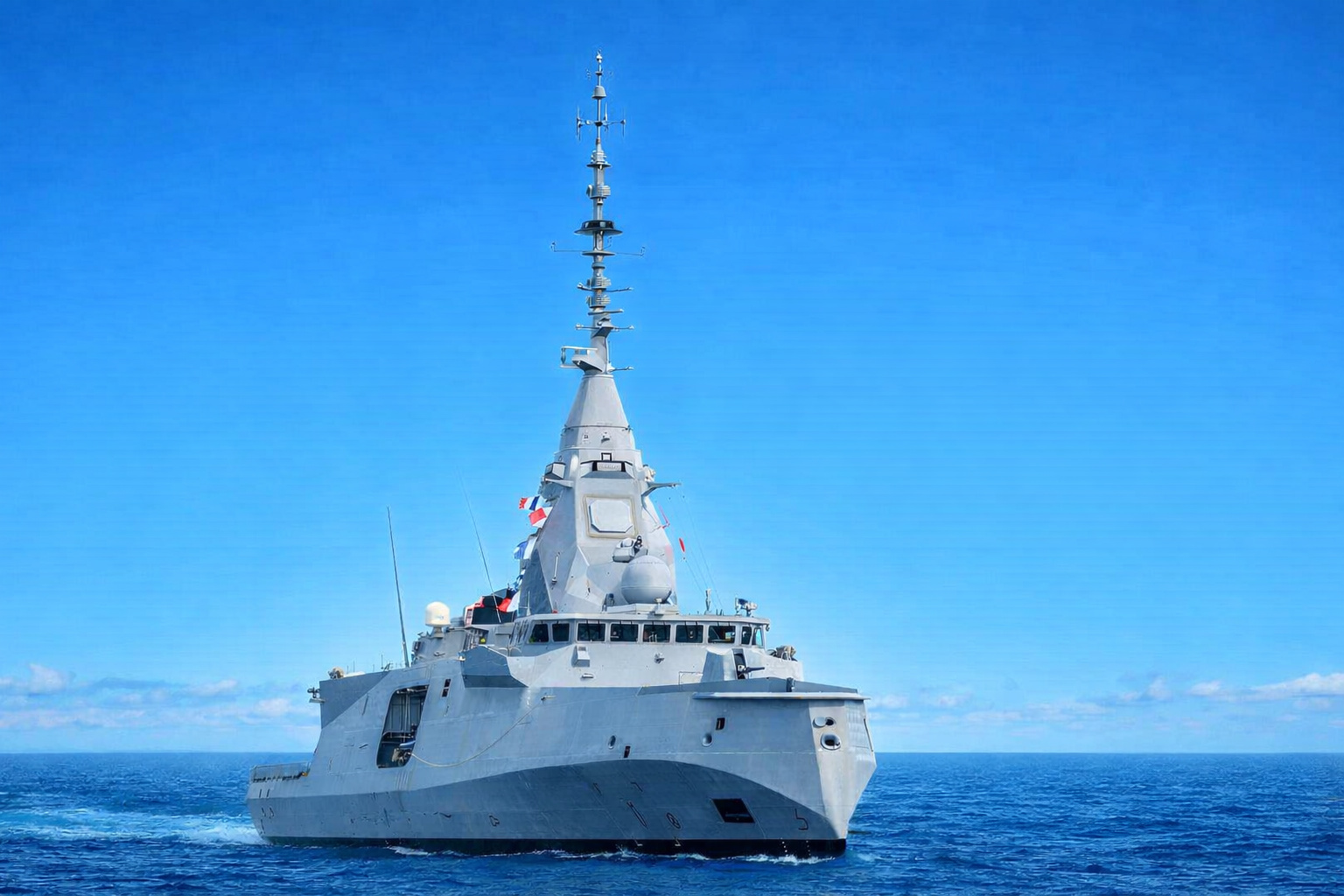
A 4,500-ton frigate with just over 100 crew members, state-of-the-art radar, and cruise missiles is being touted as the new standard of naval warfare in the 21st century.
-
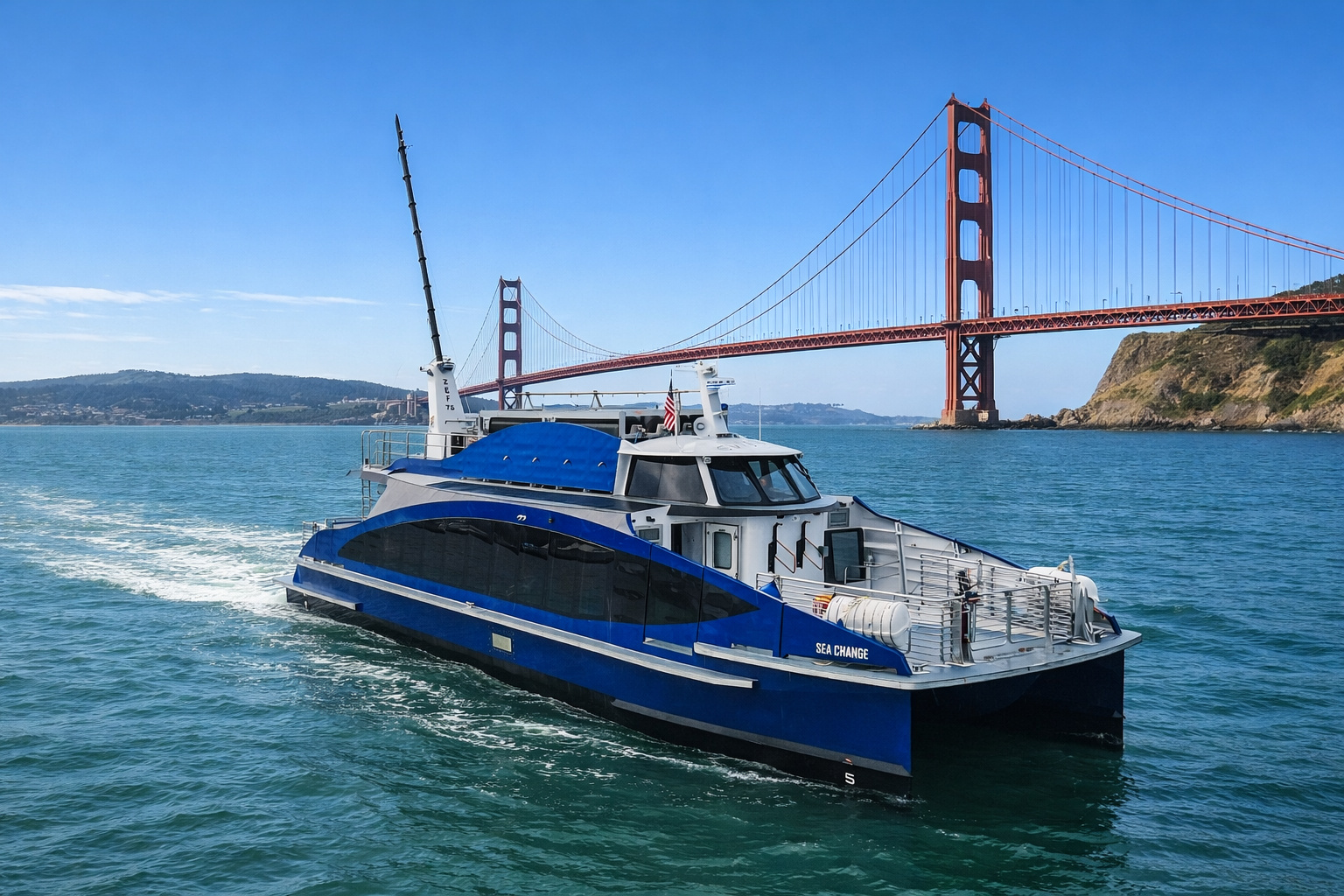
The first commercial hydrogen-powered ferry enters operation in the U.S., eliminates the use of diesel, uses fuel cells to generate clean energy on board, and transforms San Francisco Bay into a landmark of the new era of emission-free navigation.
-
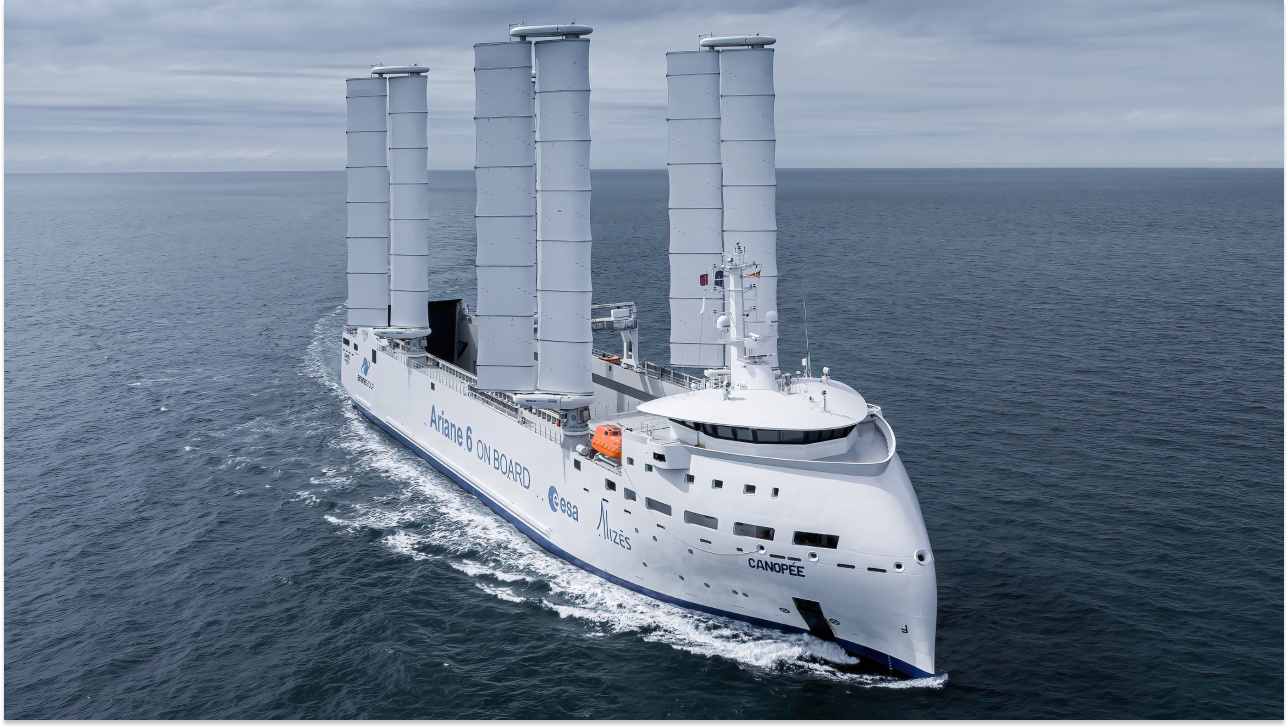
With a length of 121 meters and four rigid sails of 36 meters that automatically rotate to capture the wind, Canopée is the world’s first hybrid industrial cargo ship powered by wind, used to transport rockets and reduce fuel consumption by up to 30% on transoceanic routes.

Cutting-Edge German Technology in Service of National Sovereignty
The new vessels incorporate cutting-edge technology. They are built based on the MEKO concept, developed by the German company TKMS. This technology is widely used by navies of various countries and has been adapted to meet the specific needs of the Brazilian Navy. The use of this technology represents a fundamental step in consolidating national sovereignty in defense.
Modern Naval Vessel for Multiple Missions
The new frigates represent a quality leap for the Brazilian naval fleet. With a length of 107 meters and a displacement of 3,500 tons, each ship will have a capacity for around 130 crew members. They will feature a hangar for an aircraft, missile systems, multifunctional sensors, and state-of-the-art radars. According to Fleet Admiral Edgar Luiz Siqueira Barbosa, General Director of Navy Material, the vessels will operate in various areas, such as surface defense, anti-submarine, and air defense.
The Impact of the Project on the Region and the Country
This major naval project in Brazil not only modernizes the fleet but also generates jobs and training. Construction on national soil strengthens the Defense Industrial Base (BID). For the workers, it is a unique opportunity. Monalisa da Silva Fernandes, a collaborator at TKMS, expressed her pride. “I am very proud to be part of a project of this magnitude,” she stated, reflecting the feelings of many involved.
With information from nd+.








Seja o primeiro a reagir!