





 Portuguese
  English
  Spanish
 3 min of reading


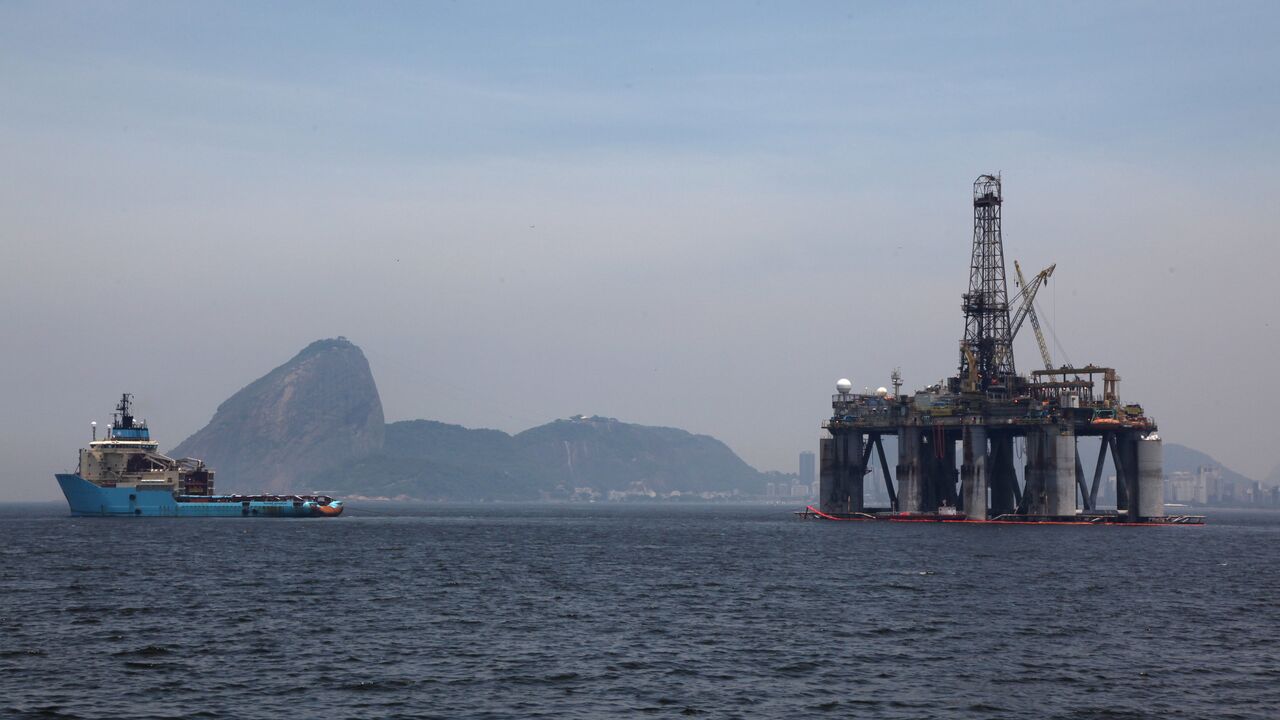
The TotalEnergies Exploration & Production, French energy giant with several operations in the Santos Basin, announced on Monday (16) that it has approved a final investment decision, known in the sector as FID. The oil and gas development project in Brazil will take place in an area 300 km off the Brazilian coast. The Lapa South West project will be developed by the company in partnership with two other large operators, Shell, which will participate with 30% of the consortium, and Repsol Sinopec, with 25%. The French player participates with 45% of the operations. Production is expected to begin in 2025, increasing the Lapa field’s output from 25 to 30 thousand barrels of oil per day (bud).
This operation is part of a series of initiatives aimed at the company’s major strategy to increase oil production in Brazil in the short term. Thus, it will be possible to take advantage of high barrel prices. Since the beginning of January, Brent oil has been quoted, on average, at US$ 80, and TotalEnergies is attentive to this. The expected return timeframe is 12 to 18 months.
According to the company’s Senior Vice President for the Americas, David Mendelson, “this latest development is an important milestone for TotalEnergies in Brazil, which will increase its operated production in the pre-salt of the Santos Basin, a significant growth area for the company,” said Mendelson. He continued, “with its efficient engineering approach and synergies with existing facilities, this project illustrates TotalEnergies’ strategy to focus on low-cost, low-emission assets,” he concluded.
There are three wells connected to an Floating Production, Storage and Offloading Unit (FPSO) located 12 km away. The Lapa South-West project has been developed since 2016 to produce oil and gas in the northeastern part of the Lapa field, representing an investment of nearly US$ 1 billion.
-
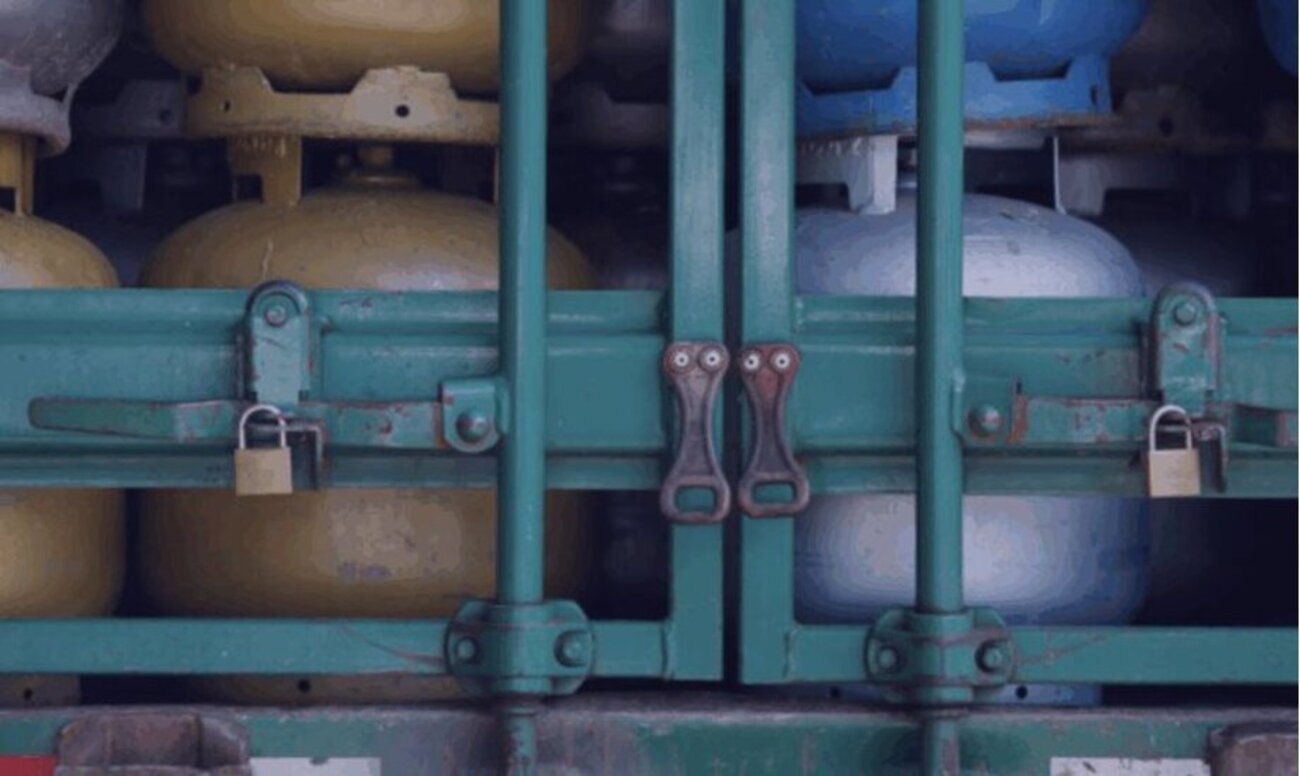
Petrobras evaluates suspension of sales to distributors and considers canceling the cooking gas auction following guidelines from the Federal Government.
-
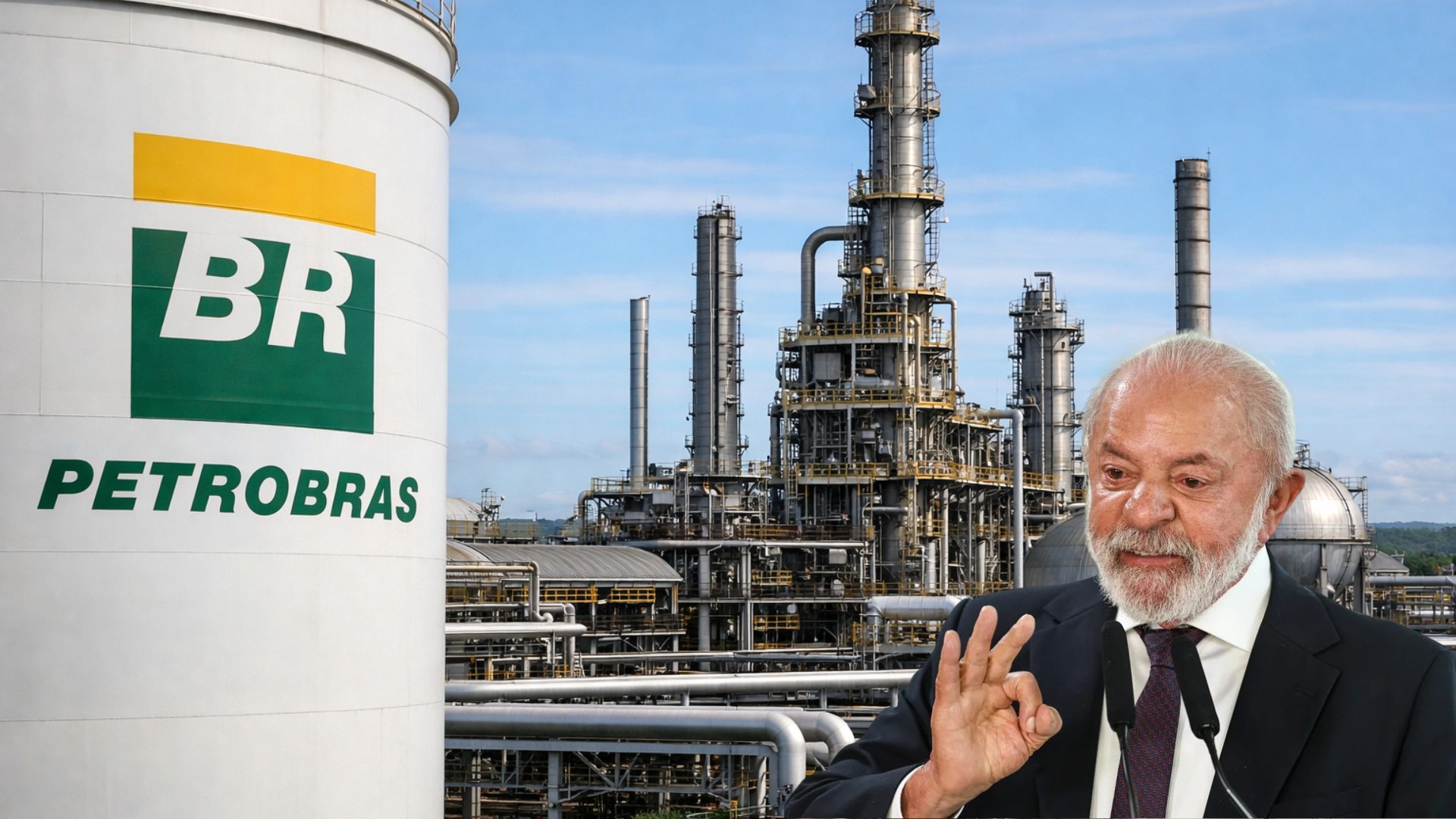
Lula reveals a masterstroke by Petrobras to undo a deal made by Bolsonaro, which involves the return of an important refinery that currently produces less than half of what was expected and makes Brazil dependent on international diesel.
-
A study confirms that the natural gas sector will reduce greenhouse gas emissions in Brazil by 0.5% and accelerate the energy transition by 2026.

-
Petrobras implements a severe adjustment and confirms a 55% increase in the price of aviation kerosene with a proposal for installment payments for the companies.

The Lapa oil and gas field is located in the central area of the pre-salt. Its discovery dates back to 2007 and is situated in the BM-S-9 block. After the discovery of Sapinhoá, this block was divided, allowing for the total commercial production of the Lapa field to be achieved by the end of 2016, through the FPSO Cidade de Caraguatatuba MV27, which has an installed capacity of 100 thousand bpd and gas processing capability of 177 million cubic feet per day. It can store up to 1.6 million barrels of oil and can also inject up to 120 thousand barrels of water in the same period.
Commitment Is The Word
This is how TotalEnergies EP positions itself in Brazil regarding the national oil and gas industry. Since its arrival in the country, the oil company has significantly expanded its presence. With established operations and investments, its activities demonstrate long-term commitments to Brazil. The company is also emerging as one of the leading international producers of national oil and gas. It has already set goals for the next two years, aiming to produce 150 thousand bpd by 2025.









Seja o primeiro a reagir!