





 English
  Francês
  Alemão
  Italiano
  Japonês
  Norueguês
  Portuguese
  Spanish
  4 min of reading
  0 comments


Meet the 8 Largest Offshore Tugboats, Revealing the Wonders of Modern Naval Engineering, Their Unique Capabilities, and the Vital Role They Play in the Global Maritime Industry.
In the vast ocean of innovation and naval engineering, the titans of the seas emerge: offshore tugboats. These vessels are not only a marvel of modern engineering but also crucial pieces in the chess game of global maritime logistics, especially in the energy sector. Today, we dive deep to reveal the 8 largest and most impressive offshore tugboats that dominate the seas around the world.
Alp Keeper
Built in 2018, this colossus of the seas was designed specifically to tow immense structures, such as oil platforms, across transoceanic distances. With a gross tonnage of 5,901 tons and a powerful mooring pull of approximately 300 tons, its presence commands respect wherever it sails under the Dutch flag.
BS OFFSHORE
This vessel, built in 2016, stands out not only for its navigation capabilities but also for its ability to accommodate up to 60 people, including 40 service technicians, a vital attribute for offshore operations. With a gross tonnage of 5,897 tons, it symbolizes German efficiency and robustness at sea.
-
New shoe factory in Ceará is expected to create 400 jobs and strengthen the local economy.

-
No one imagined it, but a mixture of sawdust with a mineral that fights fires surprises scientists with a result that changes the course of fire-resistant construction.

-
From empty land to a high-end house, wooden construction uses a lightweight system, metal structure for the foundation, ventilated ceramic cladding, and special windows to create an efficient and comfortable living space throughout the year.

-
From vacant land to a high-end house, wooden construction uses a lightweight system, a metal structure for support, ventilated ceramic cladding, and special windows to create an efficient and comfortable living space throughout the year.


KroonBorg
The KroonBorg was built in 2015, specifically for operations in the North Sea. This ship is a true multipurpose vessel, equipped with a motion-compensating crane, which facilitates the transfer of offshore workers to unmanned platforms. With accommodations for 60 people, this Dutch vessel is a home away from home for many at sea.
Centaurus
Launched in 2019, this vessel is a pioneer in the offshore wind energy sector. Designed to operate efficiently in wave heights of up to 3 meters, it is a testament to continuous innovation in the offshore industry. With a gross tonnage of 6,780 tons, it represents a new era of offshore tugboats.
Acta Auriga
The Auriga, operated by the Dutch Acta Marine and built in 2018, specializes in Walk to Work (W2W) support for construction and service operations. With capacity for 120 people and ample storage space, it is a key piece in offshore operations, proudly sailing under the Dutch flag.
Edda Freya
This vessel is not only a cutting-edge construction ship but also a model of sustainability, utilizing a hybrid diesel-electric production system. With a cargo capacity of 11,400 tons and equipped with a 400-ton offshore crane, it is suitable for a wide range of offshore operations.
North Sea Giant – Revolution in Offshore Construction
Built in 2011, the North Sea Giant stands out as one of the most advanced construction vessels in the world, integrating batteries into its energy management system. With an impressive cargo capacity of 12,705 tons, it redefines the standards of efficiency and innovation in the offshore sector.
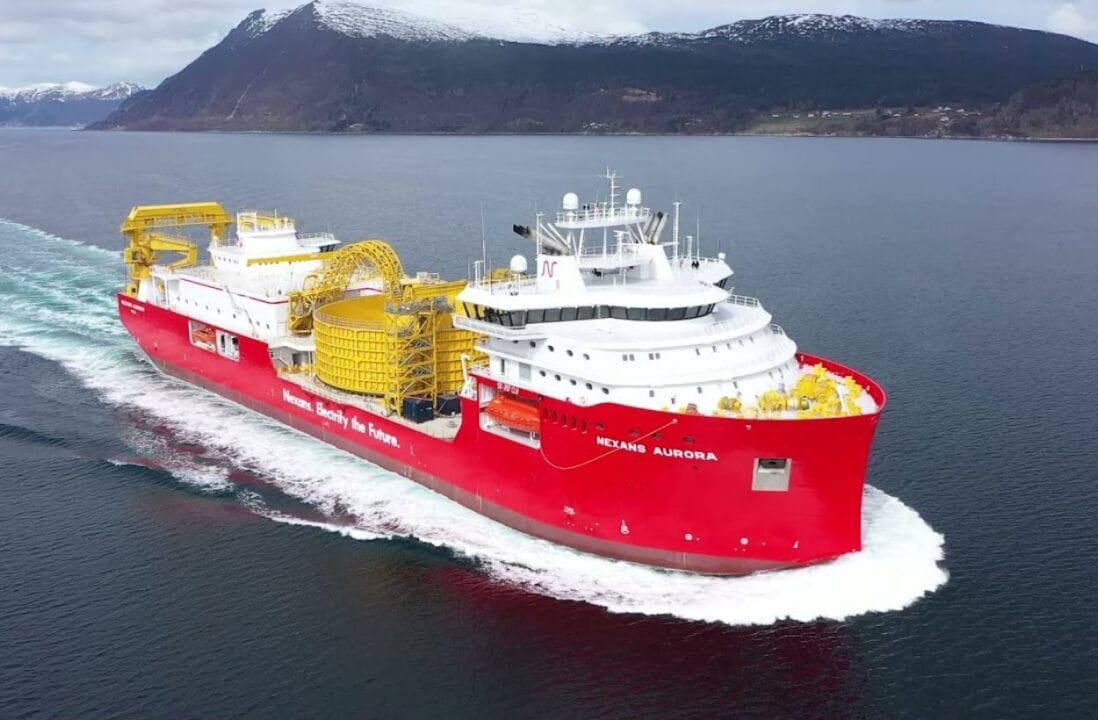
Nexans Aurora
The Nexans Aurora, built in 2021, specializes in the transportation and installation of high-voltage submarine cable systems. With a capacity of 100 thousand tons and specialized equipment, it is prepared to face the harshest conditions on missions around the world.
These offshore tugboats are not just imposing machines navigating the oceans; they are ambassadors of innovation, safety, and efficiency in the offshore world. As we explore the capabilities of these sea giants, it becomes clear that the future of the naval and offshore industry is in safe and capable hands, ready to face the challenges of the seas with skill and determination.
History of Offshore Tugboats
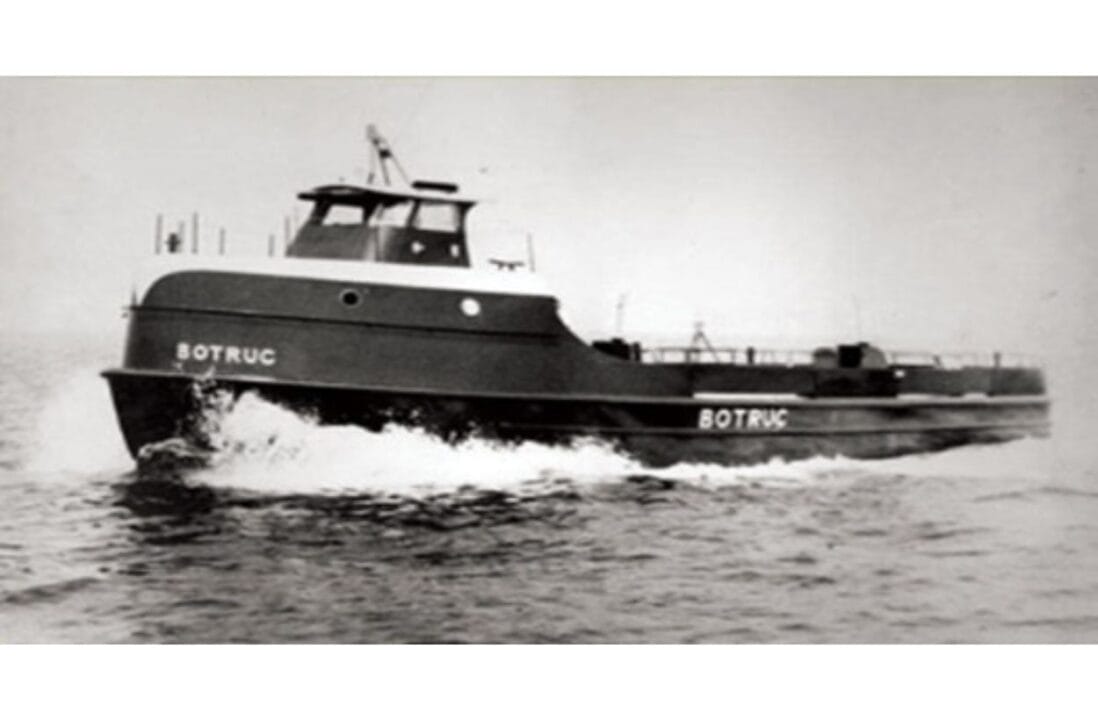
The journey of offshore tugboats is a saga of innovation and evolution, marked by the transformation of these vessels from simple workboats to complex offshore support platforms (OSVs), crucial in offshore oil exploration. From the outset, with basic functions of transporting people and supplies, these ships adapted to the increasing demands of the maritime industry, especially from the mid-20th century to the 2020s, incorporating advanced technologies, such as dynamic positioning systems, and significantly increasing their load and power capacities.
Tugboats, in particular, evolved from being mere facilitators of docking and undocking to becoming key players in search and rescue operations at sea. With the distinction between harbor tugs, agile and maneuverable, for operations in harbor areas, and offshore tugs, robust and powerful, for rescue and relief missions, the specialization of these vessels reflects the diversification of needs and challenges faced at sea.
As the offshore industry expanded, OSVs diversified into various categories, including platform supply vessels (PSVs), anchor handling tug supply vessels (AHTS), diving support vessels (DSVs), seismic research vessels, and cable installation vessels. This specialization allowed each type of vessel to be optimized for specific tasks, from maintaining offshore facilities to installation and seismic research, demonstrating the maritime industry’s ability to innovate and adapt to changing needs.










Seja o primeiro a reagir!