Portuguese
  Spanish


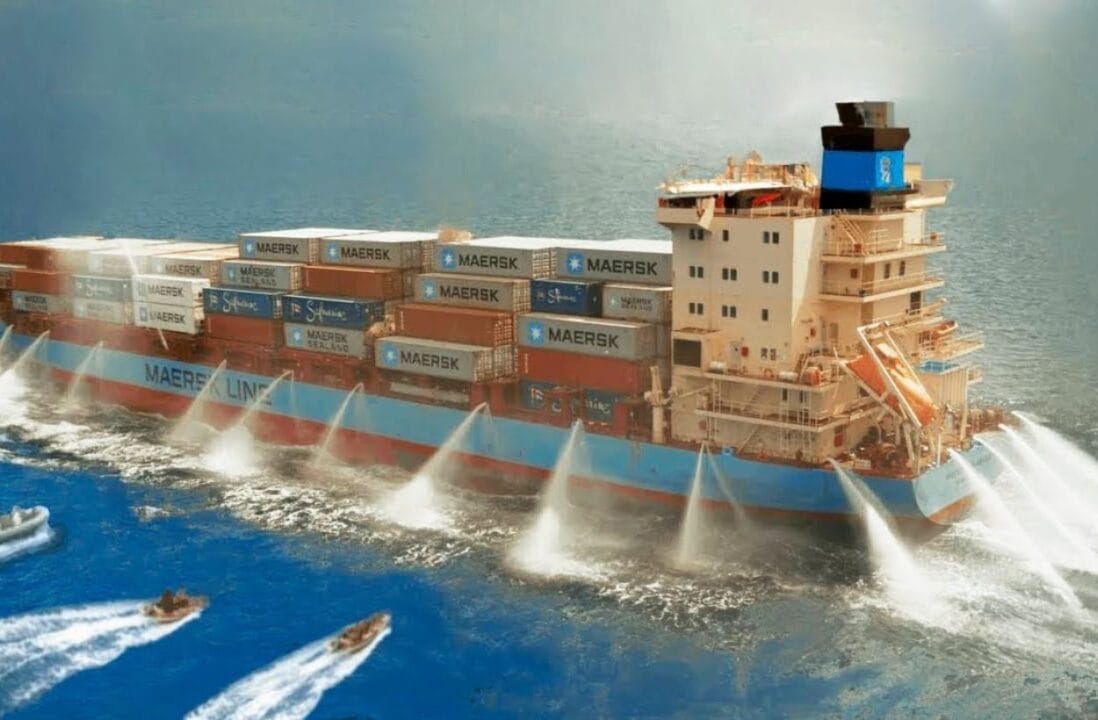

Using Advanced Technologies And Defensive Strategies, Cargo Ships Face The Challenges Imposed By Somalian Pirates, Ensuring The Safety Of Cargo And Crew.
The threat from Somalian pirates has been an ongoing challenge for cargo ships navigating the international waters near the African coast. With the innovation and ingenuity of their defense, these giants of the sea adopt extraordinary measures to ensure that their journeys are safe and free from unwanted boardings.
Against the heavy arsenal of the pirates, cargo ships rely on high-pressure water cannons, which prove extremely effective in preventing boarding attempts. The force of the water not only hinders the pirates’ approach but can also incapacitate small vessels, protecting the ship from invasion attempts.
Disincentive Strategies With Technology And Ingenuity
In addition to water cannons, ships implement a series of strategies aimed at discouraging pirates even before a boarding attempt is made. This includes the use of mannequins to simulate a larger crew presence on board, the use of lasers to compromise the pirates’ vision from a distance, and increasing the ship’s speed, making boarding a risky and complex task.
-
They exchanged the idea of a large house for a 35 m² warehouse, spent US$ 12,000 on the structure, and created a tiny house in Colorado with space to live and work.

-
While modern cities rely on pumps and electricity, in Iran, ancient tunnels carried water through the desert using only slope and gravity.
-
Instead of sending families far from the city, a project in Chile intentionally created incomplete houses on expensive urban land and left technical space for each to grow.
-
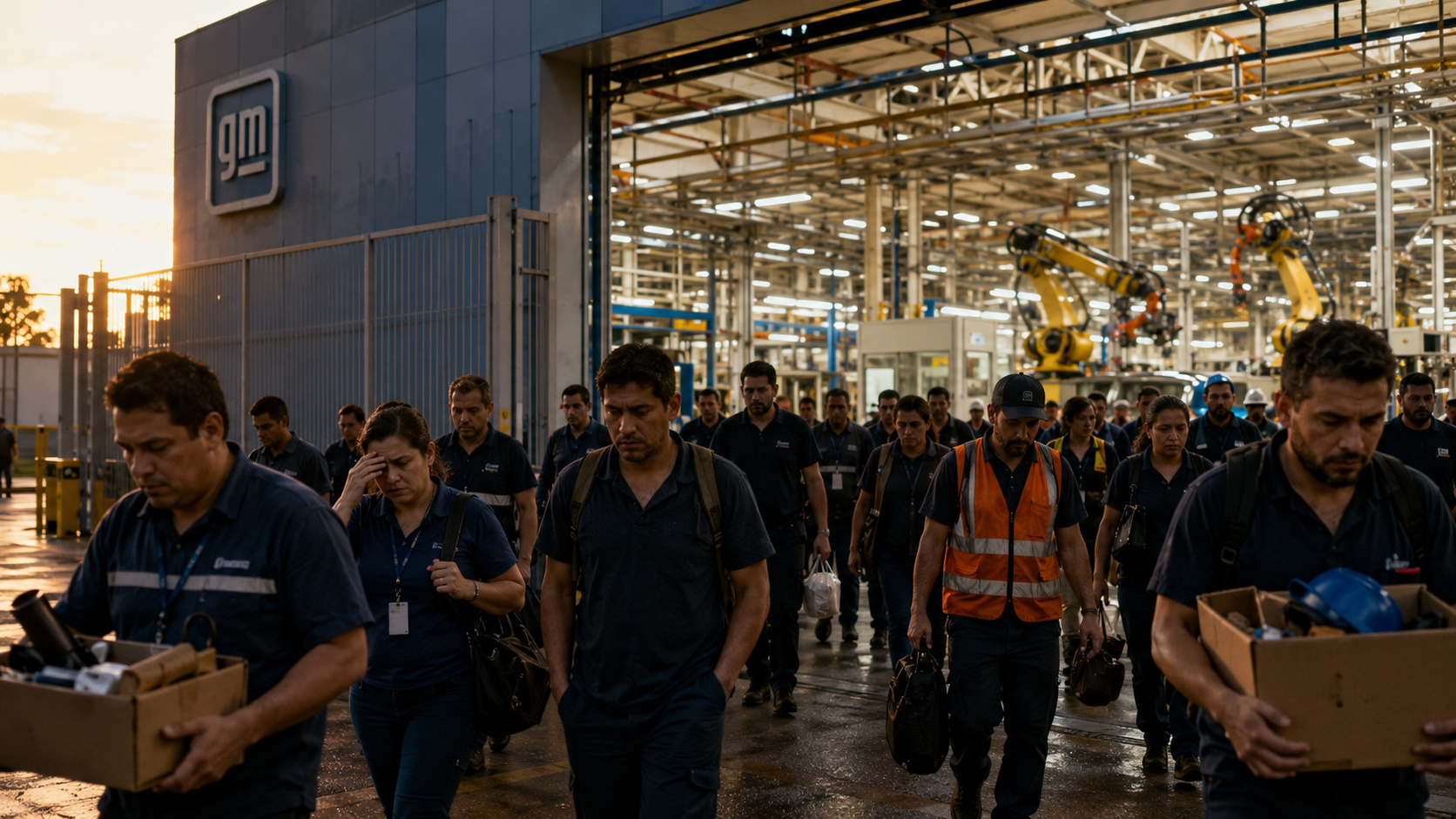
General Motors Replaces Over a Thousand Workers with 50 Cobots at Electric Vehicle Plant, UAW Union Criticizes Move Amid Industry’s Automation Push


LRADs: Long Range Acoustic Weapons
One of the most effective tools in the arsenal against pirates is the Long Range Acoustic Device (LRAD), capable of emitting sounds at extremely high volumes, disorienting and driving away pirates. This device can be used for communication over long distances but, when necessary, emits a deafening sound that can directly affect the pirates’ ability to continue their approach.
Physical Barriers And Anti-boarding Equipment
In addition to preventive measures, cargo ships are equipped with physical barriers such as barbed wire and rope systems that entangle the propellers of pirate vessels, preventing their movement. Water curtains and security barriers are added to the sides of the ship, making access difficult by ladders or other forms of climbing.
In the unlikely event that pirates manage to board, the crew is trained to send a distress signal to authorities and then take refuge in a secure room, inaccessible from the outside, while waiting for rescue. This strategy aims to protect the crew and prevent them from being taken hostage, reducing the pirates’ bargaining power.
The threat of piracy in Somalia has led the shipping industry to adopt innovative and robust security measures, ensuring that cargo ships can navigate with greater safety. These strategies reflect a continuous commitment to protecting valuable cargo and, more importantly, human life aboard these giants of the sea.
History Of Cargo Ships
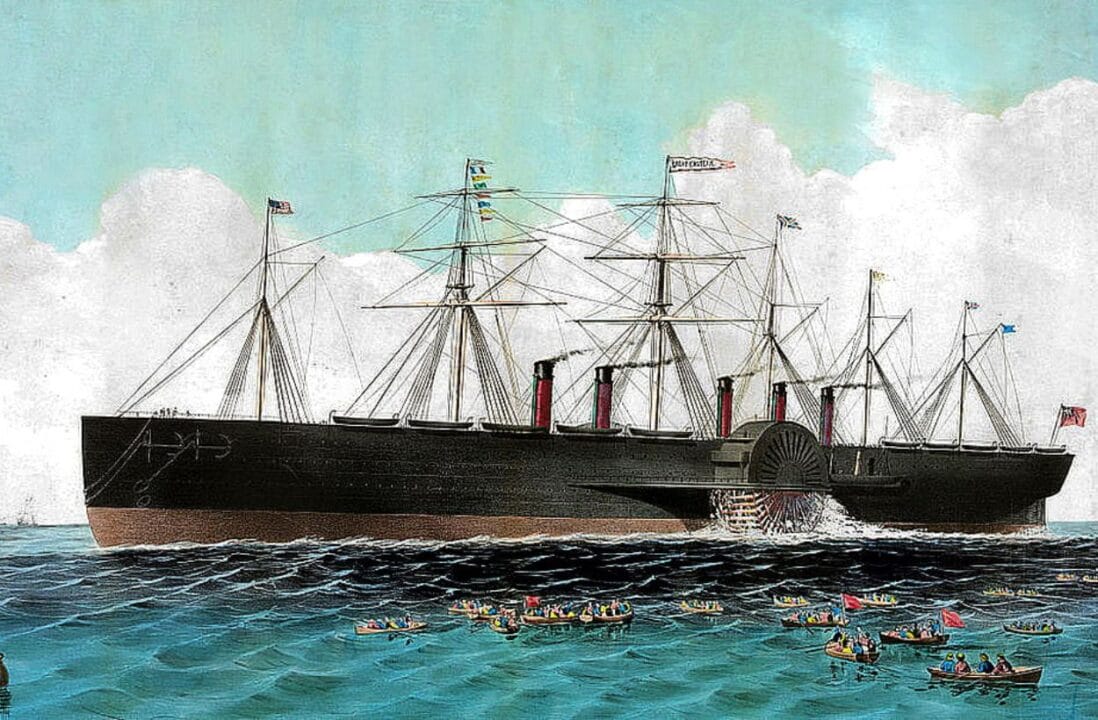
The capacity of cargo ships and the shipping industry has seen an exponential leap over the decades. In 1977, the average capacity was around 3,000 TEUs, jumping to an impressive 21,000 TEUs by 2017. This increase reflects not only the growth in the volume of goods transported but also the technological advancements that have enabled the creation of more efficient and environmentally responsible vessels.
In the 21st century, sustainability has become an unavoidable issue for the maritime sector. Modern cargo ships are designed with a focus on energy efficiency and emissions reduction, using cleaner fuels and technologies that minimize environmental impact. This awareness reflects a paradigm shift in the industry, where ecological responsibility now goes hand in hand with business objectives.
Cargo ships face challenges that go beyond the simple logistics of maritime transport. The threat of piracy, especially off the coast of Somalia, requires these giants of the sea to be equipped with the most advanced defense technologies, ensuring the safety of the crew and cargo. This scenario highlights the need for a multidimensional approach to maritime security, combining technological innovations with effective defense strategies.