





 English
  Francês
  Alemão
  Italiano
  Japonês
  Norueguês
  Portuguese
  Spanish
  6 min of reading


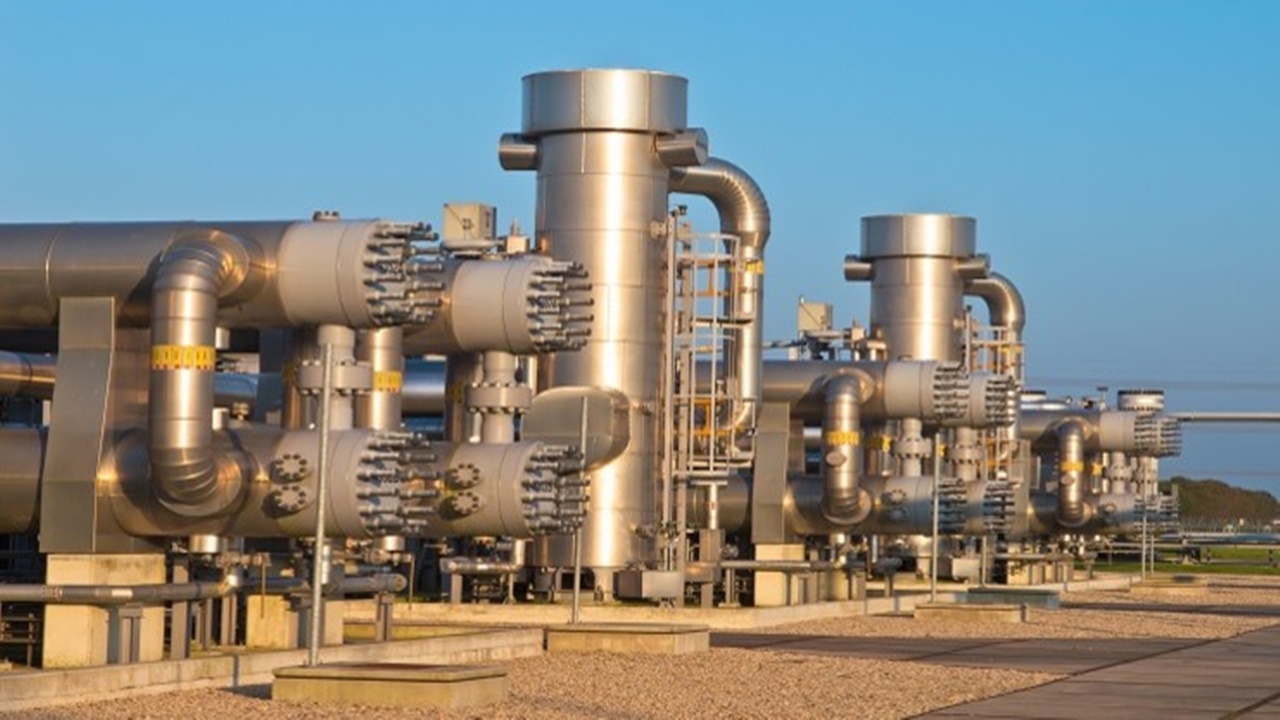
Billion-Dollar Investment in Energy Recovery Plants for Waste in Brazil: Construction Companies, Infrastructure Projects, and Others Are Expected to Invest Over R$ 25 Billion in the Next 10 Years.
The global giants Veolia, Hitachi Zosen Inova (HZI), Babcock & Wilcox (B&W), Ramboll, and Sacyr are some of the multinational companies associated with the Brazilian Association for Energy Recovery from Waste (ABREN), which want to invest more than R$ 5 billion in the plants that will participate in the A-5 auction and new ongoing projects. It is estimated that over the next 10 years, these companies will invest around R$ 25 billion in energy recovery plants for waste in Brazil.
Read Also
- SBT, one of Brazil’s major broadcasters, begins recruitment for job and internship openings in the states of SP and RS
- Offshore outsourcing based in Macaé wins contract for general maintenance of cranes on platforms P-57 and P-58
- 6000 job openings for high school, technical, and higher education available in a contest for the Health Foundation in Ceará with salaries up to R$ 23 thousand
- Nordex, one of the largest manufacturers of wind turbines in the world, wins a million-dollar contract from Brazilian AES to manufacture and install 55 turbines for a wind power plant in Rio Grande do Norte
- Company responsible for the construction of São Paulo’s Line 6 – Orange subway calls for women for recruitment and training for frontline and leadership positions in the project
The Veolia Group operates over 90 energy recovery plants (Waste-to-Energy – WtE); HZI manufactures and implements WtE plants, having constructed over 600 plants since 1933; B&W has more than 500 WtE boilers manufactured and in operation; Ramboll has worked on over 160 new or refurbished WtE plants and hundreds of projects across 35 countries; and Sacyr manages infrastructure concessions in 20 countries, including 43 waste management concessions, and operates plants totaling 130MW of installed capacity.
ABREN Has Been Meeting with Members of the Federal Executive Branch to Seek Viability for Waste-to-Energy Plants
For 2 years, ABREN has been meeting with members of the Federal Executive Branch to seek the viability of waste-to-energy plants, having convinced the MME of the necessity to hold a dedicated auction to contract the first plants needed to create a market in Brazil in this important segment, with 315 MW of thermal treatment of Urban Solid Waste (USW) registered in the A-5 Auction taking place this September.
-
While Russia dominates the global wheat market, Brazil emerges as an unexpected competitor in the Cerrado, offering grain available in July and August when stocks in the Northern Hemisphere are at their lowest point of the year.

-
China returned almost 20 Brazilian ships with soybeans, but now everything could change: the country that buys 80% of the grain is considering relaxing regulations after impurities held up shipments of thousands of tons and caused million-dollar losses.
-
Chinese giant worth nearly R$ 4 billion that manufactures cables for electric cars, solar energy, and robotics wants to open a factory in SC.
-
Many employers do not know, but the law guarantees domestic workers a 25% increase in salary during trips, 50% for overtime, 20% for night shifts, and 17 additional benefits that can lead to labor lawsuits if not paid.


ABREN has made significant efforts to develop the market for energy recovery from waste, such as conducting an unprecedented MBA in energy recovery in partnership with FGV São Paulo, and organizing its annual event in May of this year, which was attended by the Vice President of the Republic, Minister of Mines and Energy, Federal Deputies Arnaldo Jardim, Geninho Zuliani, and Lafayete Andrada, National Secretary of Sanitation (MDR), Secretary of Energy Planning (MME), as well as 10 Presidents of associations that are part of the Coalition for Energy Valorization of Waste: ABREN, WtERT Brazil, ABIMAQ, SINDESAM, ABEMI, ABGD, COGEN, SOBRATEMA, ANIP, CervBrasil, ABERH, ABEAMA, CONATREC, and Coopercaps. Major global and national players also participated in the event.
The Executive President of ABREN, Yuri Schmitke, drafted the base text for PL 513/2020, signed by Deputies Arnaldo Jardim and Geninho Zuliani, aimed at bringing regulatory and financial incentives for the development of energy recovery from waste. ABREN also supports PL 2193, authored by Deputy Mário Heringer, which establishes the Federal Policy for Biogas and Biomethane, and presented amendments to PL 1917/2015, which addresses the modernization of the Brazilian electric sector.
ABREN Informs That Investments of R$ 78.3 Billion May Be Required for 274 URE, CDR, and Biogas Plants
According to a study by ABREN, considering a scenario that represents 58% of all urban waste generated in Brazil (USW), including the 28 metropolitan regions with more than 1 million inhabitants, plus municipalities with more than 200,000 inhabitants, investments of R$ 78.3 billion (CAPEX) may be required for 274 URE plants – 94 (Energy Recovery Plant), CDR – 95 (Waste-Derived Fuel), and Biogas (85), in addition to recycling facility installations not included in this amount.
In this presented scenario, the treatment of 46 million tons of USW per year is considered, with 62% allocated to URE, 21% to CDR, 11% to biogas, and 6% to recycling, with only 4% continuing to be sent to landfills. 15,000 direct jobs will be generated, and 63 million tons of CO2 equivalent will be avoided, which corresponds to 192 million trees planted per year, an area similar to the Municipality of São Paulo.
It is important to emphasize that there is still enormous investment potential in anaerobic digestion of the organic fraction of waste, generating electricity from the combustion of biogas or using biofuel from biomethane.
Another important potential lies in coprocessing, which consists of the separation and blending of Waste-Derived Fuel (CDR), the non-recyclable and inorganic fraction of USW, which is already used in several cement plants as a substitute for coke (fossil fuel), for producing clinker, used in Portland cement manufacturing, or in other industrial processes and for generating electricity.
Brazil Has 38 Plants with Environmental Licenses for Coprocessing, but Only Substitutes 16.2% of Fossil Fuel with CDR
Brazil has 38 plants with environmental licenses for coprocessing, but only substitutes 16.2% of fossil fuel with CDR, while Austria 81%, Germany 68.9%, Poland 62.9%, France 43.7%, the United Kingdom 43.5%, Spain 29.9%, and Italy 20.3% (2018). It is worth noting that the use of CDR, which can also come from industrial waste (textiles, tire, etc.), hazardous industrial sources, and biomass (charcoal, sewage sludge, and agricultural waste), is among the goals for reducing greenhouse gas emissions, with Brazil’s target for 2050 being to substitute up to 44% with alternative fuels.
According to studies by the International Solid Waste Association (ISWA, 2015), the cost of medical care to the population affected by poor waste management is estimated between $10 and $20/T (dollars per ton) of urban solid waste (USW), equivalent to an average of R$ 75/t (reais per ton). If we consider all untreated waste that can cause public health damage, which accounts for approximately 96% of the 79 million tons generated annually in Brazil, public health spending amounts to R$ 5.6 billion a year, or R$ 160 billion over 30 years.
It is noteworthy that the 13 countries with a thermal treatment rate of urban waste exceeding 25% of the total generated are also among the top 16 countries in the World Economic Forum’s Health and Well-Being Index. The installation of energy recovery plants for waste allows for immeasurable benefits to the health of the population.
URE Plants Reduce Greenhouse Gas Emissions by 8 Times
The 5th Report of the Intergovernmental Panel on Climate Change (IPCC) points out that URE plants reduce greenhouse gas emissions by 8 times when compared to landfills, and are the most effective means for mitigating greenhouse gases from USW.
The locations where energy recovery plants for waste (URE) have been implemented also show the highest recycling rates in the world. In Brazil, they would allow for the recovery of an average of 23 kg of recycled metals for each ton of waste treated. The implementation of plants in the 28 metropolitan regions of Brazil, with more than 1 million inhabitants, would have the potential to recover over 800,000 tons of metals per year. Landfills do not allow for the recovery of metals.
About ABREN:
ABREN is a national, non-profit association that aims to promote dialogue between the private sector and public institutions, at national and international levels, and across all government levels, by representing companies, consultants, and manufacturers of energy recovery, recycling, and reverse logistics equipment for solid waste, with the goal of promoting studies, research, events, and seeking legal and regulatory solutions for the development of a sustainable and integrated solid waste treatment industry in Brazil.
ABREN is part of the Global Waste to Energy Research and Technology Council (Global WtERT), a prominent research and technology institution operating in several countries, headquartered in New York City, United States, with the objective of promoting best practices in waste management through energy recovery and recycling. The Executive President of ABREN is the current President of WtERT – Brazil.







Seja o primeiro a reagir!