





 Portuguese
  English
  Spanish
  3 min of reading
  0 comments


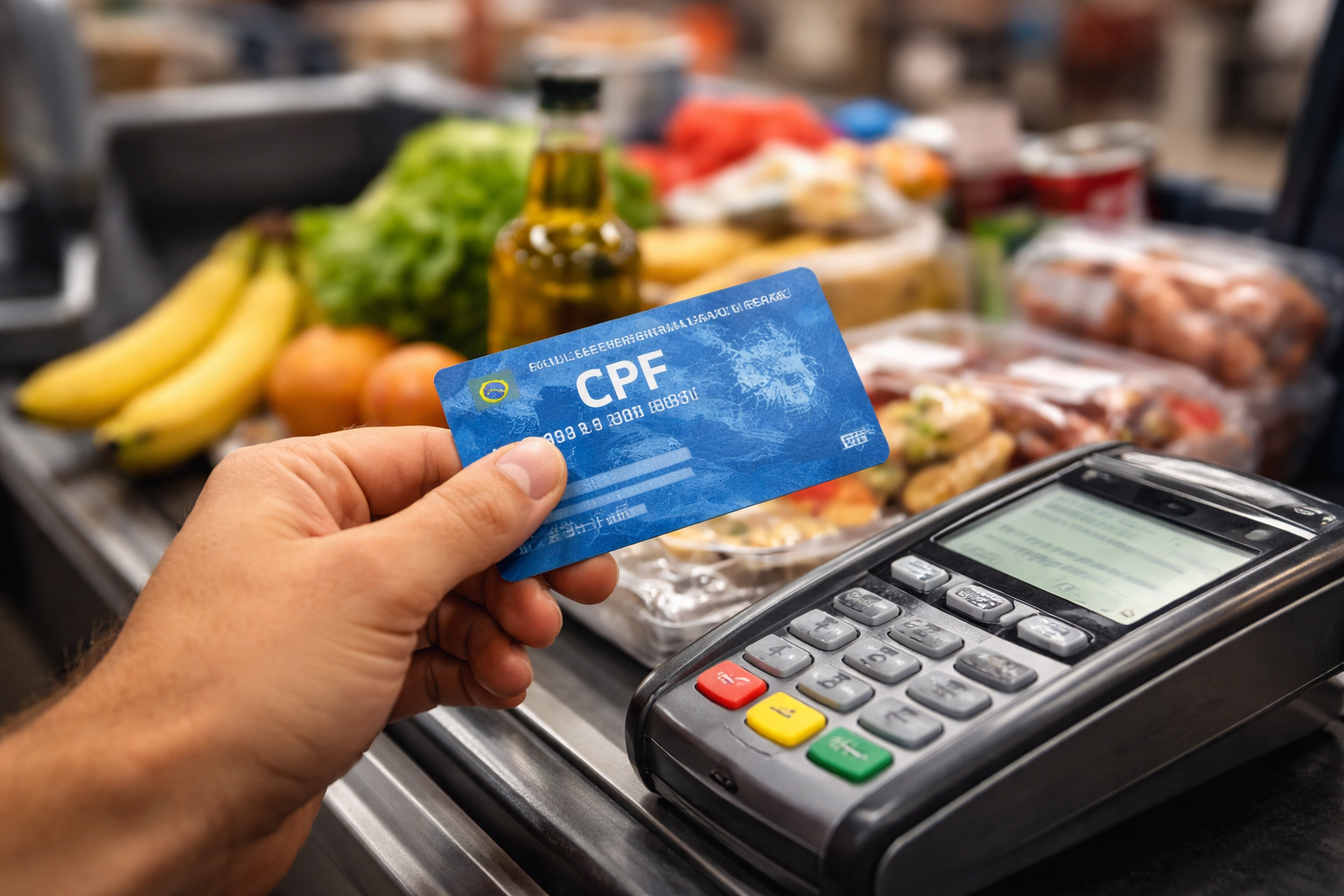
Common practice throughout Brazil can guarantee advantages, but requires attention to the use of personal data and the rules of the LGPD
Providing the CPF when shopping at supermarkets has become a habit among Brazilians.
In 2026, experts emphasize the need to understand how this data is used.
The consumer needs to understand their rights and maintain control over their information.
-
China has launched mysterious invasion barges into the sea with giant ramps that connect like Lego pieces and can form floating bridges of nearly 1 km to transport armored vehicles directly to the beach, in a kind of secret weapon for Taiwan.

-
Neither green in the fridge nor overripe forgotten in the fruit bowl: this is the correct way to store bananas.

-
Kitchens are replacing old items with a faster, more economical, and precise electric version for daily preparation.
-
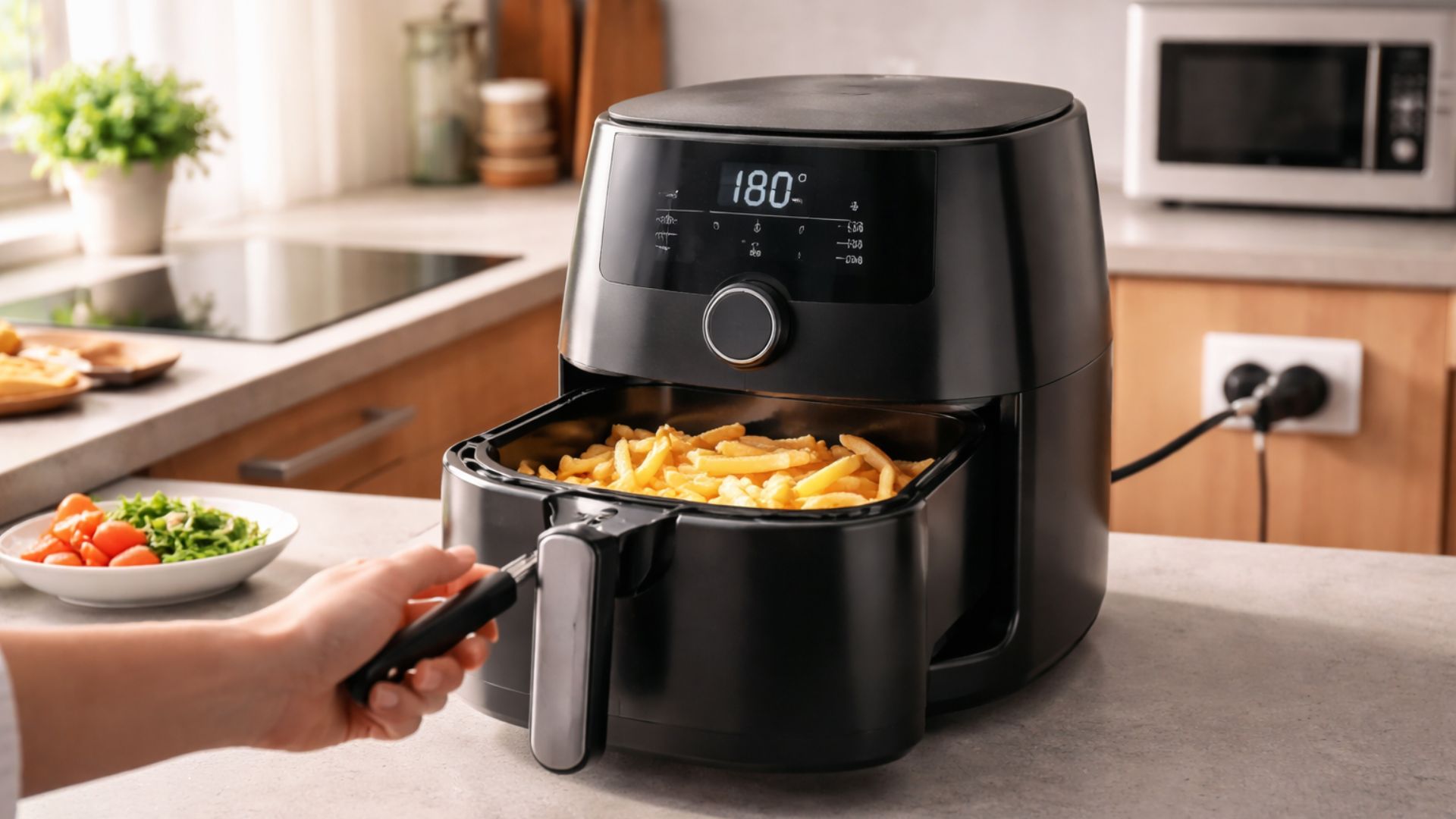
The air fryer entered Brazilian homes so quickly that the government began to measure its impact on energy, and the progress up to 2050 is already outlined.
According to the National Data Protection Authority (ANPD), since the enactment of the General Data Protection Law (LGPD) in 2020, companies must ensure transparency.
The practice remains allowed, but requires extra attention.
Understand why the CPF is requested during purchases
Supermarkets request the CPF mainly to identify the consumer.
This information also allows for the integration of loyalty systems.
The customer gains access to benefits offered by the establishments.
Among the main uses, the following stand out:
- Participation in points programs
- Access to exclusive discounts
- Issuance of invoices linked to the CPF
Providing the data generates direct advantages.
The establishments, in turn, better organize their internal records.
Direct benefits of providing the CPF
State tax programs have offered benefits to consumers for years.
The CPF on the invoice can generate practical returns in daily life.
Among the main gains, the following stand out:
- Accumulation of points in loyalty programs
- Receiving personalized offers
- Tracking purchase history
This practice has become established in the daily lives of Brazilians.
The benefits vary according to the state and the program adopted.
Data usage requires consumer attention
The use of the CPF involves sensitive personal data.
The information can be used by companies for different purposes.
Among them, the following stand out:
- Creation of consumer profiles
- Targeted advertising
- Feeding databases
Understanding this usage becomes essential.
The ANPD emphasizes the obligation of transparency in this process.


What the law says about the use of the CPF
Brazilian legislation establishes clear rules for data protection.
The LGPD, in effect since 2020, defines obligations for companies.
Among them, the following stand out:
- Inform how the data is used
- Ensure the security of the information
- Allow access and correction of data by the consumer
The consumer can refuse to provide the CPF.
The purchase, however, cannot be denied.
This right is guaranteed by consumer protection regulations.
When providing the CPF may be worthwhile
Providing the CPF can be advantageous in some situations.
The decision depends on the clarity of the benefits offered.
Among the main scenarios, the following stand out:
- Programs with well-defined advantages
- Companies with transparent privacy policies
- Prior knowledge about the use of data
Questions about the use of information justify refusal.
Control of the data remains with the consumer.
How to protect yourself when providing your data
Some actions help avoid problems in daily life.
The consumer can enhance their security with simple measures.
Among them, the following stand out:
- Check the establishment’s privacy policy
- Avoid providing data unnecessarily
- Monitor transactions linked to the CPF
Control of the information becomes more efficient with these practices.
The risks related to misuse are reduced.
In light of this, considering the benefits and necessary precautions, is it always worth providing the CPF during purchases or is it better to evaluate each situation with caution?









Seja o primeiro a reagir!