





 Portuguese
  English
  Spanish
  4 min of reading
  0 comments


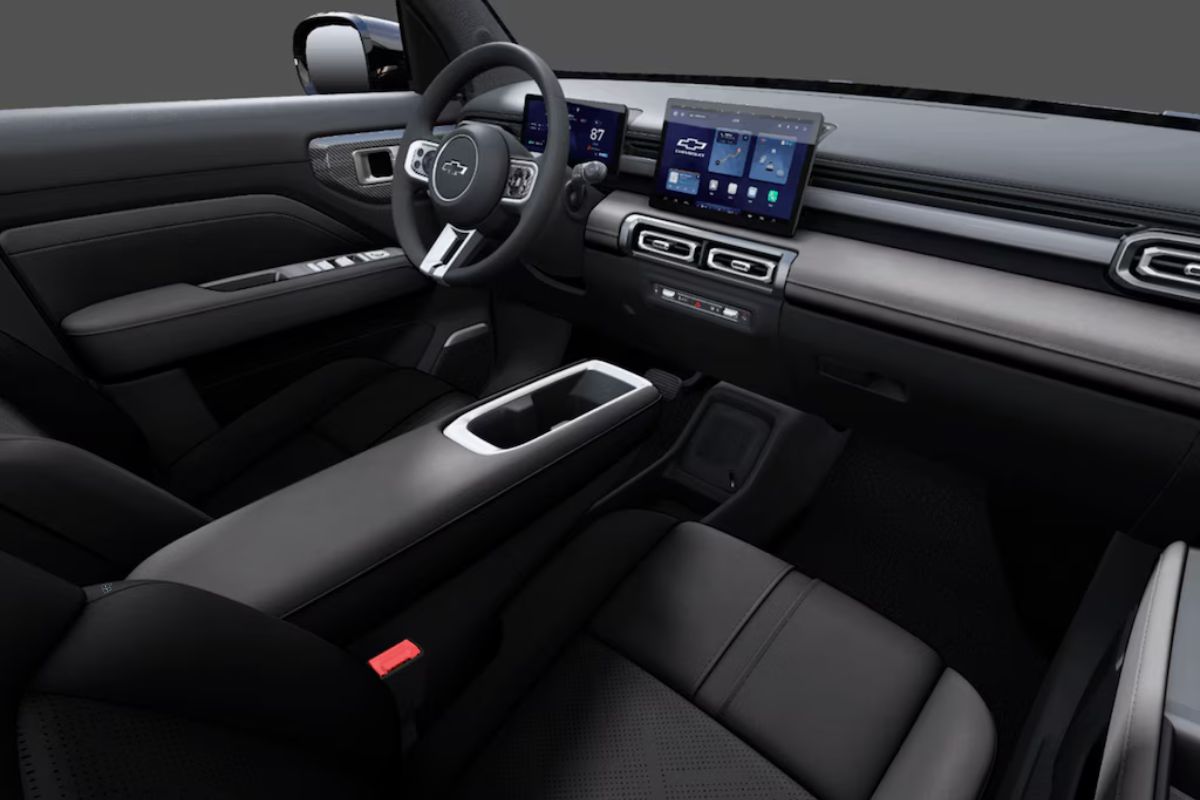
General Motors Confirms Arrival of Electric Spark in Brazil, Produced in China and Assembled in SKD Kits in Ceará, in a Strategy to Directly Compete with BYD Dolphin and Other Chinese Automakers.
The Electric Spark is already on sale in Brazil for R$ 159,900 and promises to be GM’s main bet in the entry-level electric segment. The model will initially be imported from China, resulting from the partnership between GM–SAIC–Wuling, and will reach the national market under local assembly starting at the end of 2025.
The initiative places the American automaker at the center of a battle with giants such as BYD and GWM, which are rapidly advancing in the Brazilian automotive sector.
Electric Spark: Chinese Origin, American Brand
Despite carrying the Chevrolet emblem, the Electric Spark is not a fully American project.
-
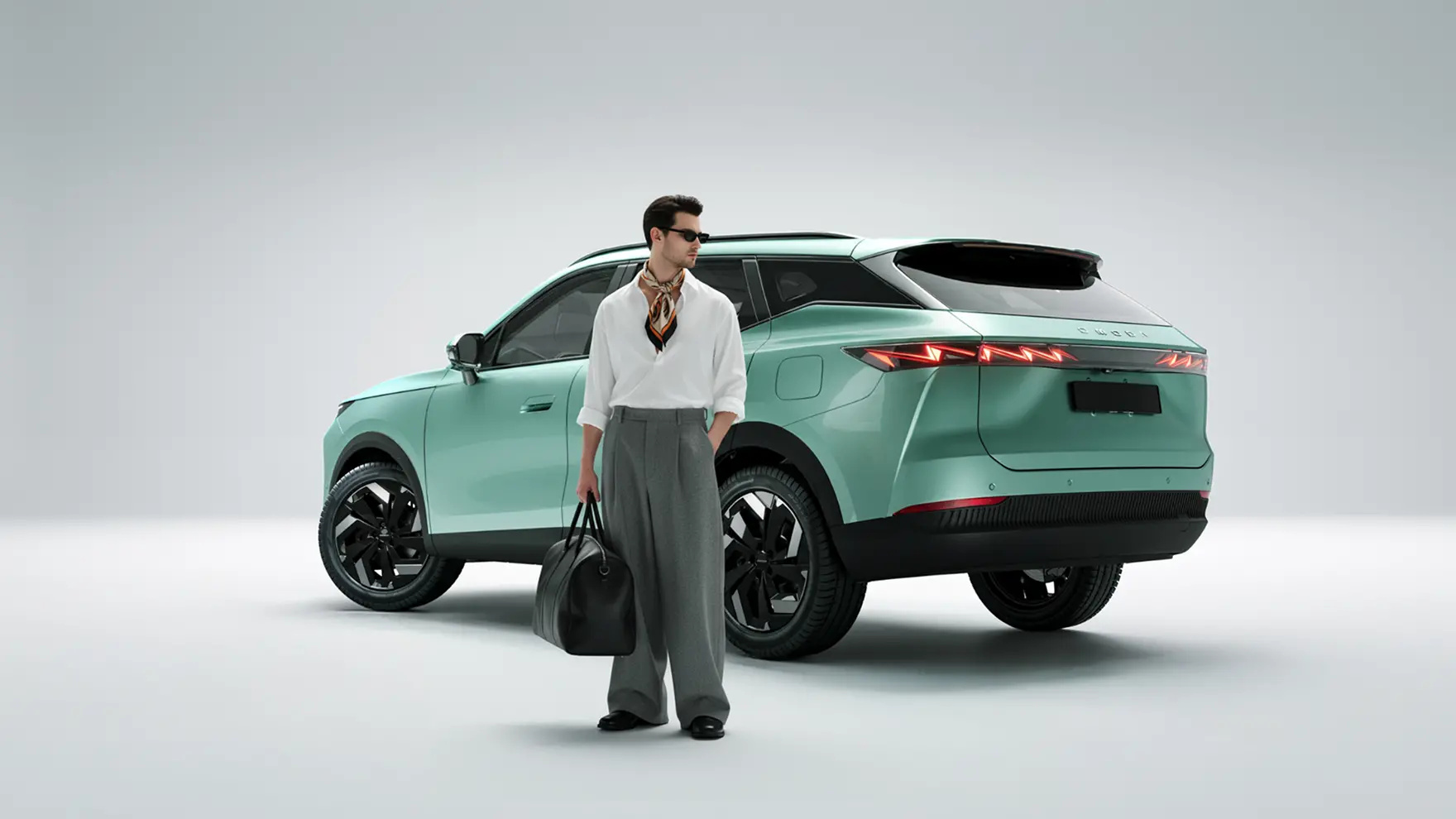
OMODA 7 transforms the car into a global aesthetic expression by combining automotive design and fashion in London.
-
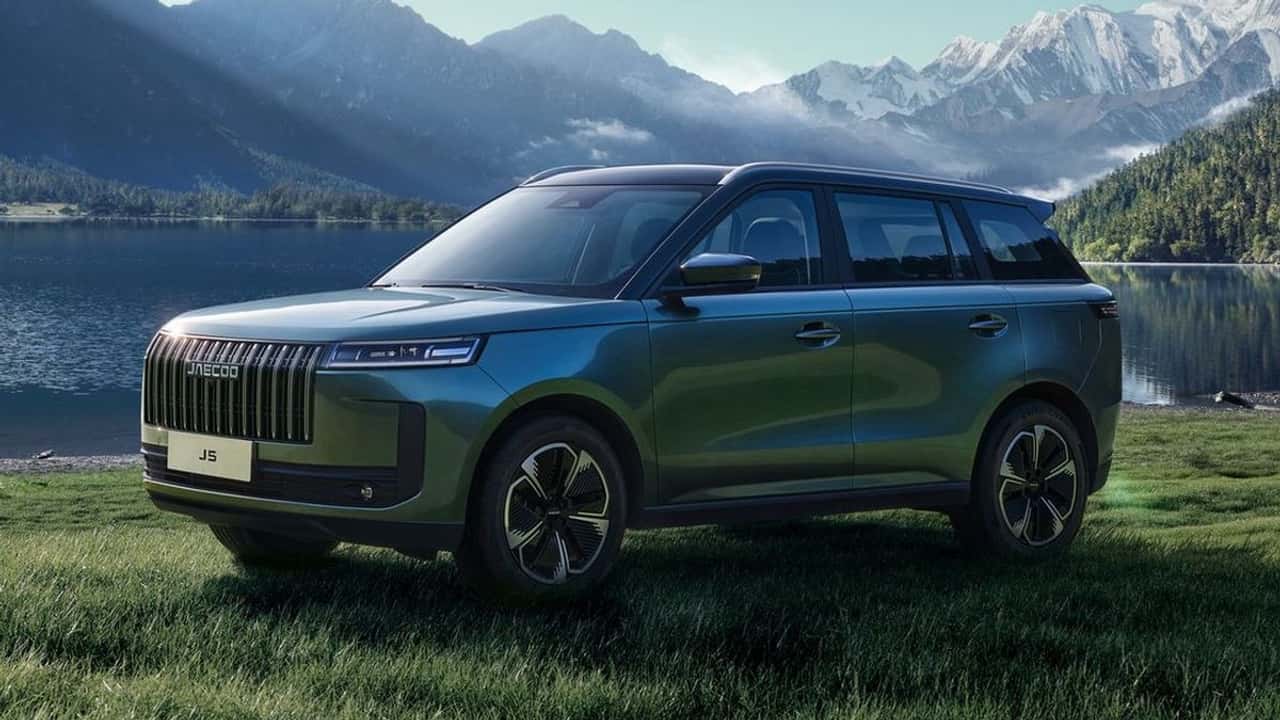
JAECOO takes the lead in global strategic markets and accelerates its trajectory to become a “global blockbuster maker” in the automotive industry.
-
OMODA redefines global aesthetics and elevates the OMODA 7 to a multicultural fashion icon, uniting design, technology, and international identity.
-
A 2024 Toyota Corolla hybrid with only 12,500 km ended up in the junkyard, and when the dismantling staff saw the car, they were shocked because they know that this model easily exceeds 300,000 km without serious mechanical issues.


The car was developed in collaboration with the Chinese companies SAIC and Wuling and is sold in Asia under the name Baojun Yep Plus.
This origin exposes a strategic contradiction: to face the expansion of Chinese automakers in Brazil, GM is betting on a platform conceived in the Asian country.
The decision reinforces a global trend of productive integration but also raises questions about GM’s real ability to offer its own technology in the field of electrification.
The move adds to the race for market share, where the origin of the models seems secondary to the urgency of meeting an expanding audience.
Local Assembly in Ceará: Bet on the Former Troller Factory
The Automotive Hub of Ceará (Pace), located in Horizonte, will be the national assembly base for the Spark.
The space was taken over by the company Comexport after Ford closed the Troller factory in 2021.
In this hub, vehicles arrive from China in SKD (Semi Knocked Down) kits and undergo final assembly in Brazil, with an initial expectation of 400 units per month.
This process follows a pattern already adopted by other automakers: starting with partial assembly and, as scale increases, nationalizing components and expanding the local supplier network.
GM stated in a statement that this is the “first step towards the industrialization of electric technology under the Chevrolet brand in Brazil.”
Dispute with BYD and Effects on the Automotive Sector
The launch of the Electric Spark occurs in an environment of intense competition. BYD is preparing to start production in Camaçari (BA), while GWM is already operating in Iracemápolis (SP).
Both are utilizing former Ford factories, signaling a transformation of the national automotive industry landscape.
With the arrival of the Spark, GM is directly targeting the BYD Dolphin, which is currently a benchmark among entry-level electric vehicles.
Price, an established dealer network, and local assembly are the main advantages of the American brand.
Still, the dependence on Chinese technology reveals the paradoxes of the strategy, as the competition is with products of the same origin.
The Debate on Tariffs and Competitiveness
The entry of the Spark also reignites discussions about industrial policy.
Anfavea recently criticized BYD’s request to reduce import tariffs on SKD/CKD kits, citing risks to the national production chain.
GM, on the other hand, emphasized that it did not request a reduction in rates and that its operation follows current rules, distinguishing it from its Chinese rival.
Even so, the adoption of the SKD regime is seen by analysts as a natural path for new projects.
The big question is to what extent this model will be nationalized or whether the country will continue to depend on imported components to sustain local production.
A New Round in the Electric Vehicle War
In practice, the Electric Spark is yet another chapter in the commercial and technological war between Americans and Chinese for the Brazilian consumer.
GM is betting on the strength of its brand and a hybrid strategy of importation and local assembly to gain ground.
However, by resorting to a car conceived in China, it highlights the degree of influence that Chinese automakers already exert on the sector.
And you, do you believe that the Electric Spark has real chances of dethroning the BYD Dolphin in Brazil or will it just be another competitor amidst Chinese hegemony? Leave your opinion in the comments — we want to hear from those closely following this automotive market battle.







-

-

-

-

10 pessoas reagiram a isso.