





 Portuguese
  English
  Spanish
  3 min of reading


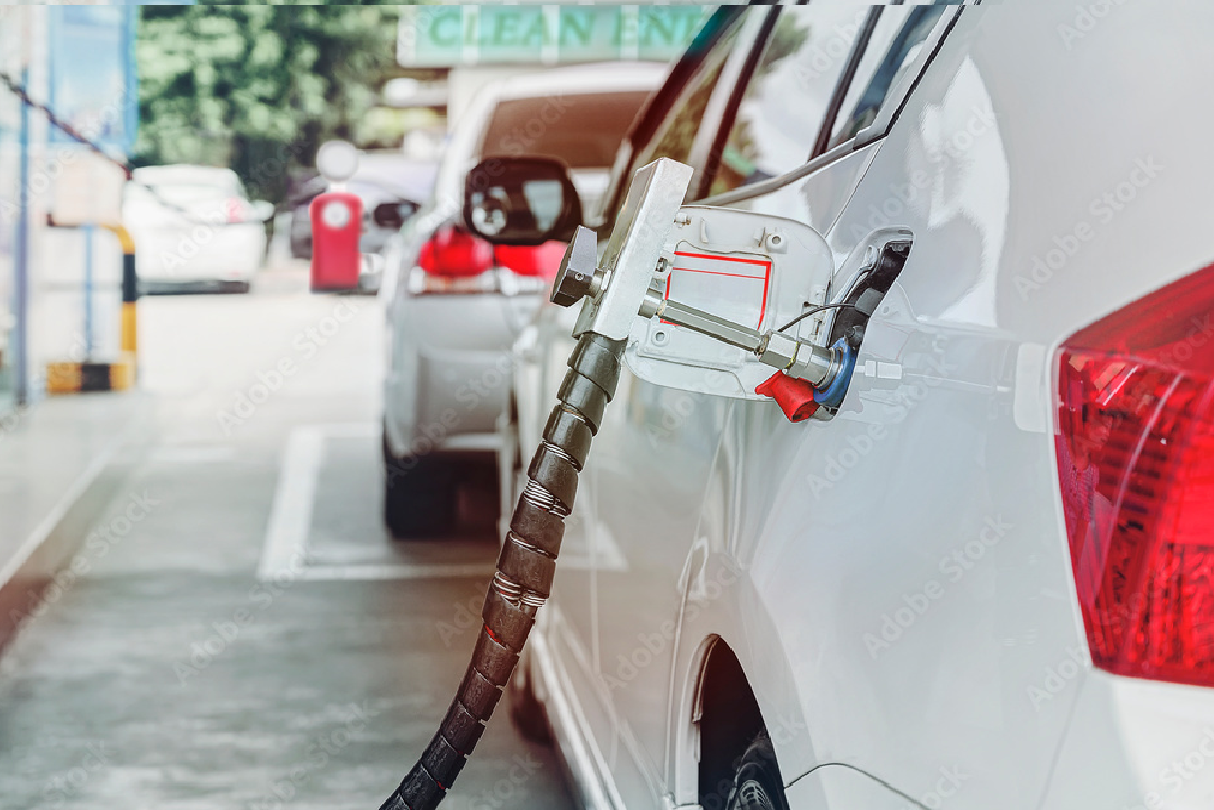
Despite Its Disadvantages, Compressed Natural Gas (CNG) Provides Significant Cost Savings Compared to Gasoline for Those Who Travel Long Distances
According to data released by IBGE (Brazilian Institute of Geography and Statistics), the price of vehicle gas has risen by 34.97% in the past 12 months, while gasoline prices have increased by 26.93%. Although its increase was greater, CNG remains more economical compared to the other fuel. However, the cost-effectiveness of its installation varies, being more advantageous for those who drive long distances.
In this regard, Guilherme Santana, CNG sales manager at Comgás, states that 2.5 million drivers use vehicle gas. According to him, the savings obtained by users on the cost per kilometer can exceed 50% compared to ethanol and gasoline. Santana highlights that, over the past 15 years, CNG has been 40% to 60% more economical than gasoline or ethanol in most Brazilian states.
The manager further explains that a car travels, on average, 7 km per liter with ethanol; 10 km per liter with gasoline; and 14 km per cubic meter with CNG. Thus, although it has experienced a significant price increase, vehicle natural gas still offers advantages today, as it provides an average savings of 40%.
-
New escalation of tensions and oil crisis in the Middle East forces world powers to accelerate energy transition plans.
-
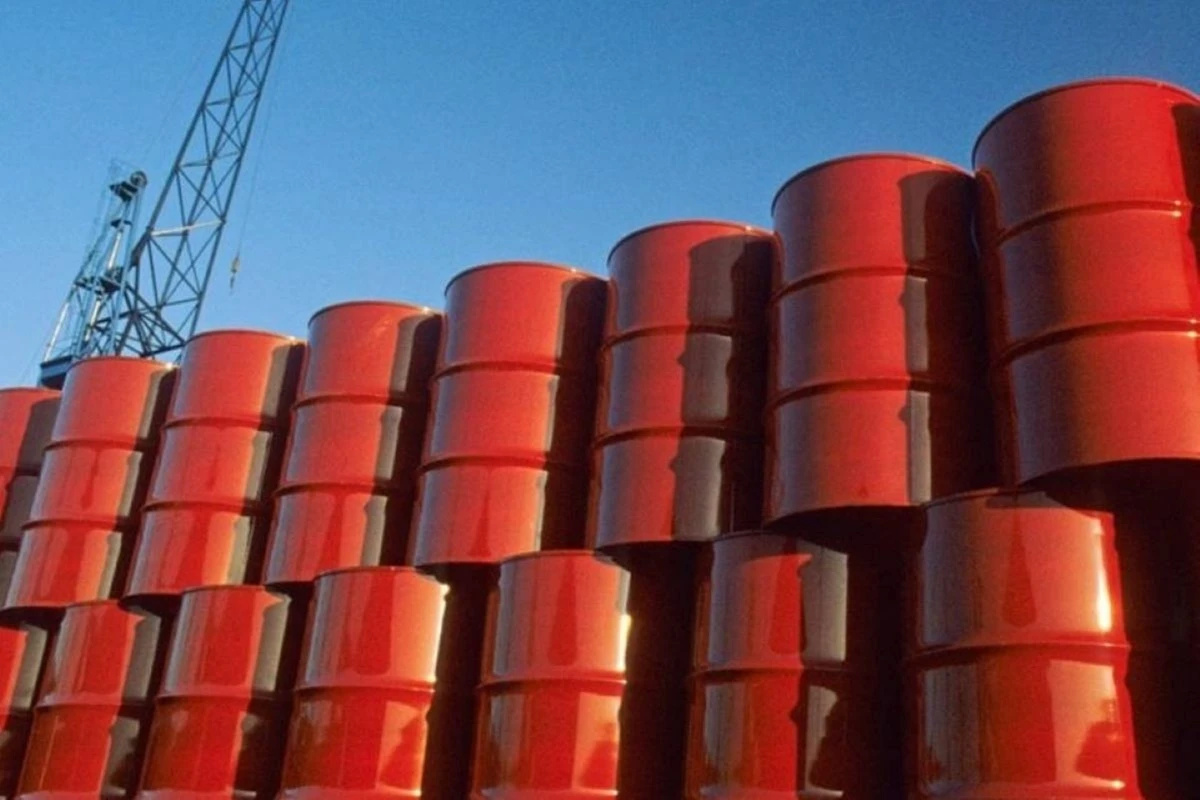
Giant reservoirs with a capacity of 18 million cubic meters have turned Fujairah into one of the largest energy vaults on the planet. This facility, located outside the Strait of Hormuz, stores oil on a colossal scale and has become a silent piece that supports the global flow of fuels.

-
The next exploration auction in the pre-salt will offer 23 blocks in the Campos and Santos basins and may change the interest of oil companies in Brazil.
-
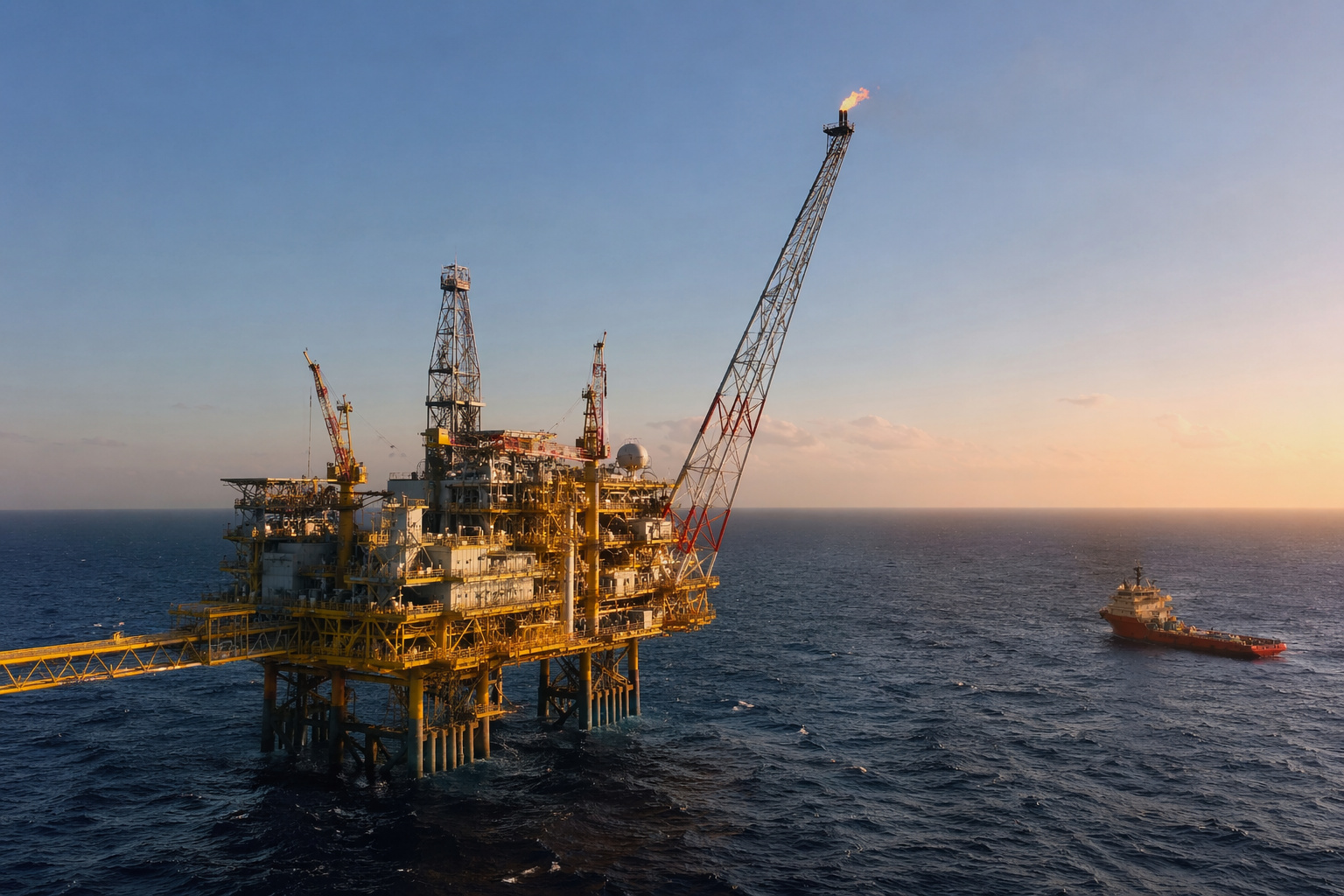
The next exploration auction in the pre-salt will offer 23 blocks in the Campos and Santos basins and could change the interest of oil companies in Brazil.
In this context, Guilherme adds that the fuel efficiency varies depending on the type of vehicle, but that, on average, CNG efficiency is 35% to 40% greater than that of gasoline, potentially reaching 100% when compared to ethanol.
It is noted that, compared to gasoline, the savings from vehicle gas is about R$ 0.20 per kilometer traveled. While the average price of CNG is R$ 5.10 per cubic meter, gasoline costs R$ 6.07 per liter, according to information from ANP for the week of July 10 to July 16.
In Addition to Cost Savings, CNG Also Offers Other Benefits
To illustrate the difference, mechanical engineering professor Renato Lobo exemplifies that, within the city, a car travels 8 km per liter of gasoline at an average cost of R$ 0.89 per kilometer traveled. With CNG, the cost would be R$ 0.69. Therefore, if this car travels 3,000 km per month, there would be a savings of R$ 600. The professor also states that, besides being more economical, CNG is less polluting and makes the vehicle quieter.
In this regard, Guilherme Santana emphasizes even more benefits of transitioning to compressed natural gas. According to Comgás’s manager, the driver gains more autonomy, thanks to the increased amount of fuel stored. Moreover, CNG cannot be adulterated, unlike liquid fuels.
However, given the existence of some disadvantages and the need for a large initial investment, Lobo emphasizes that the installation of CNG is more appropriate for those who drive a very high mileage per month and end up incurring high fuel costs.
What Are the Disadvantages of CNG?
The installation of vehicle gas requires an initial investment of R$ 4,000 to R$ 5,000. However, the mechanical engineer explains that few individuals have this amount of money available. Considering that the driver travels an average of 3,000 km per month, this amount is generally recouped within a period of eight to nine months.
Santana also notes that the driver’s expenses include documentation and periodic vehicle maintenance.
Although the amount spent decreases over time, Lobo argues that the cost-benefit of CNG is low for most people. This is because, among its disadvantages, is also the large space occupied in the vehicle, for example, which compromises the use of the trunk for travel. Furthermore, gas is not easily found in all locations in Brazil.
There is also the significant bureaucracy behind the transition to CNG, as its installation needs to be legalized. Thus, it is necessary for an inspection by the Detran for the vehicle licensing to occur once a year.
Moreover, vehicle maintenance becomes more complicated. Renato Lobo states that, in addition to needing to be frequently adjusted, gas causes dryness throughout the vehicle’s injection system, and after some time, it loses power. If CNG is installed in a 1.0 car, for example, it will have difficulty climbing a hill after a certain period.








Seja o primeiro a reagir!