





 Português
  Inglês
  Espanhol
  3 min de leitura
  1 comentário


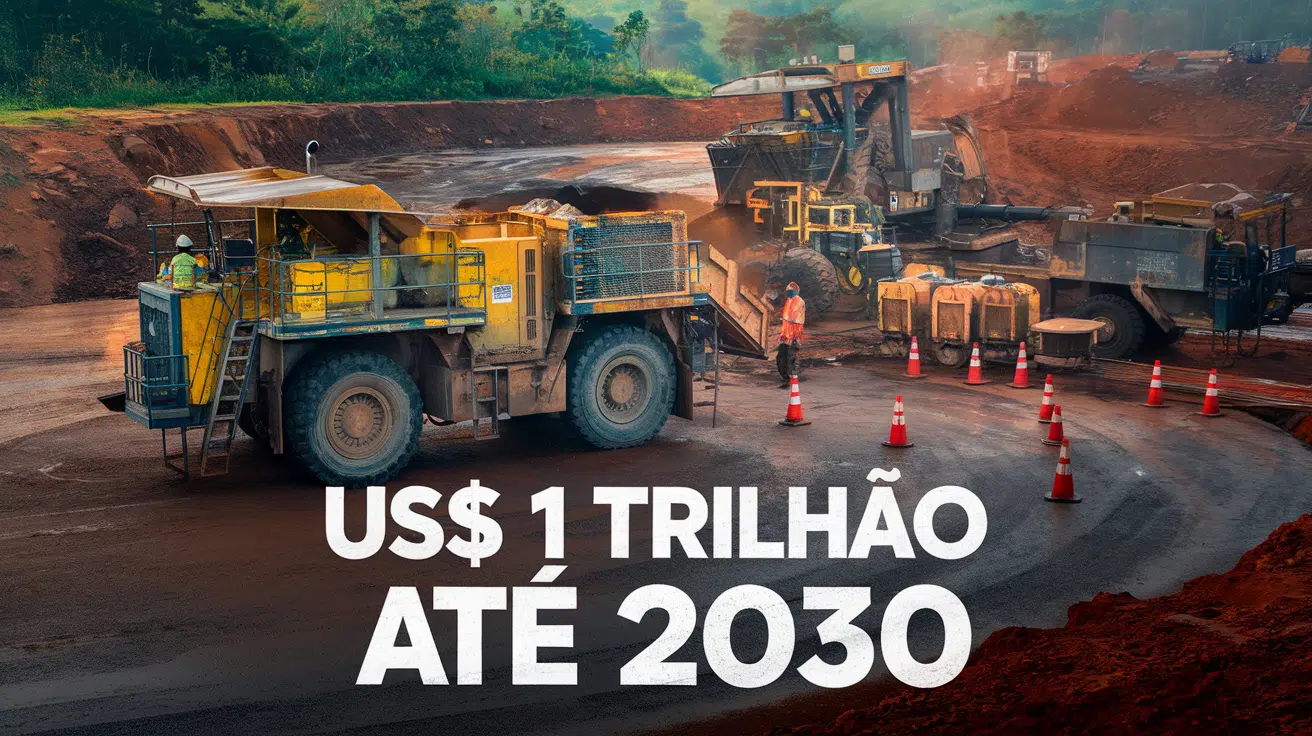


With Global Demand For Critical Minerals Growing, The Brazilian Miner Is Betting On Sustainable Rare Earth Extraction To Boost The Energy Transition
At the accelerated pace of the energy transition, the search for rare earths and other critical minerals is on the rise, and Brazil emerges as a major player in this scenario. Mineração Serra Verde, based in Goiás, kicked off its commercial production of rare earth elements (REEs) in 2024, a milestone that puts the country in the spotlight of the global market, especially with the ambitious goal of doubling its production capacity before 2030.
The demand for critical minerals, such as those necessary for electric vehicle batteries, wind turbines, and renewable energy systems, is skyrocketing at an exponential rate. According to data from the International Energy Agency, this market generated US$ 230 billion in 2023 and could reach US$ 1 trillion by the end of the decade.
In this game, rare earths represent a strategic share, as they are essential for manufacturing high-tech components, directly reflecting on the competitiveness of production chains.
-
In a silent race, Shopee signs a mega contract in Guarulhos and accelerates the e-commerce war with faster deliveries, pressured shipping, and a new threat to rivals in Brazil.

-
Oil surged to $115 a barrel due to the war in the Middle East, and diesel in Brazil has already risen to R$ 7.45 per liter, while the United States…
-
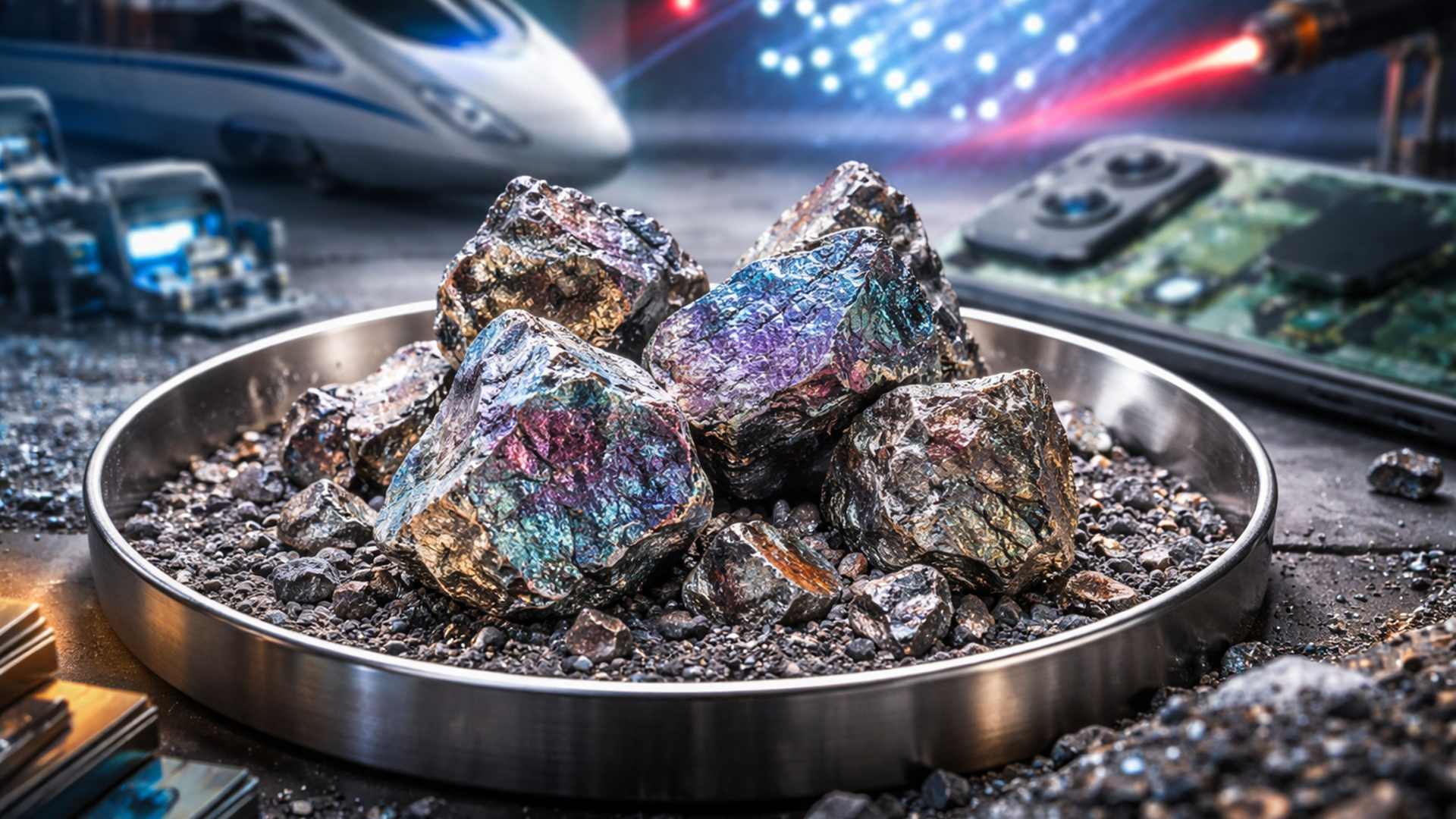
Rare earths are in everything, from cell phones to bullet trains, and what almost no one realizes is why they have become the target of such a delicate global war.
-
Brazilian city bets on the business environment to generate jobs and attract investments in the energy sector — secretary reveals strategy at Macaé Energy 2026.

Brazil Has The Third-Largest Global Reserve Of Rare Earths
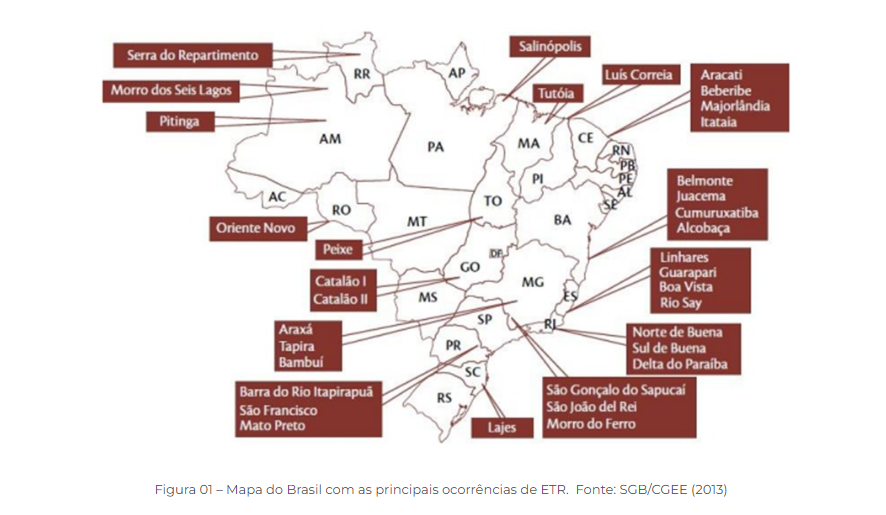
Brazil, home to the third-largest global reserve of rare earths with 21 million tons mapped by the National Mining Agency (ANM), solidifies itself as a strong contender to rank among the world’s top five producers.
Ion-exchange clays, found in various regions of the country, reinforce the national potential. Serra Verde, the only producer outside Asia to operate commercially with the four main REEs, not only commenced its operations but has also been part of the Minerals Security Partnership (MSP) since October 2024, highlighting its relevance in the supply of critical minerals.
Investment Of US$ 150 Million
To drive its growth, the miner has received an investment of US$ 150 million led by Energy and Minerals Group and Vision Blue Resources. These contributions, combined with sustainable extraction initiatives that avoid blasting or crushing, make Serra Verde an example of responsible mining.
Reforestation programs, biodiversity preservation, and solar energy use complement the strategy, reducing environmental impact and ensuring production aligns with new global standards.
Rare Earths And Critical Minerals
The presence of rare earths and other critical minerals in various locations across Brazil, from Minas Gerais to Bahia, passing through Goiás, Amazonas, São Paulo, Tocantins, and other states, reinforces the country’s image as an attractive destination for investors.
Besides REEs, Brazil has niobium, lithium, nickel, and copper. Promising projects, many of them still in the research phase, are spread across the territory, outlining a scenario of wide diversity and potential.
Generation Of Qualified Jobs
In this context, the ANM highlights an important challenge: to expand the production chain internally. Instead of limiting itself to the export of raw minerals, Brazil can adopt a more vertical approach, developing high value-added solutions. This change in strategy would strengthen the local industry, generate qualified jobs, and boost the green economy, placing the country at the forefront of the global critical minerals market.
By looking towards a future where demand for rare earths and associated resources continues to grow, Serra Verde stands out as a symbol of this new phase of Brazilian mining. As the energy transition expands, Brazil solidifies its position as an important hub in the production of REEs, contributing to a more sustainable, technological world aligned with global environmental goals.






Estão repassando tudo aos zoins da china, daqui uns dias não vamos poder plantar nem mandioca, imaginem pequi.