





 Portuguese
  English
  Spanish
  3 min of reading
  28 comments


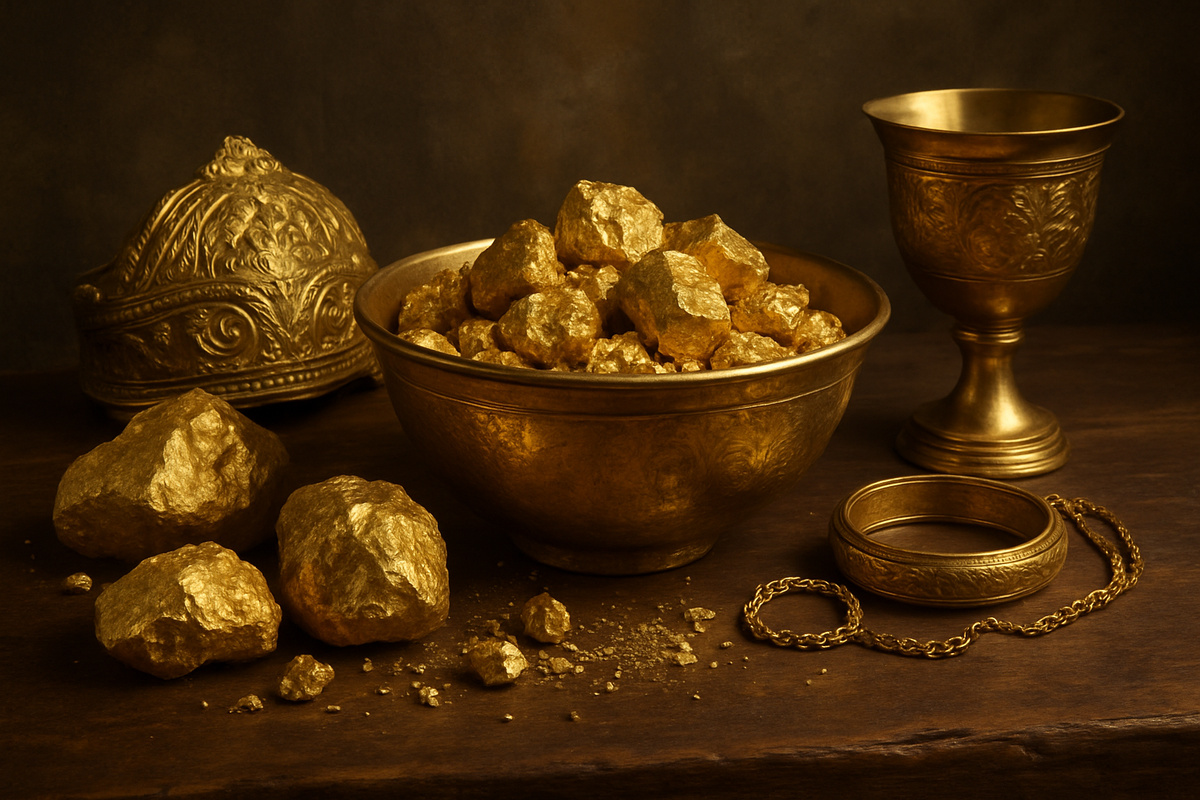


Spanish Colonization In The Sixteenth Century Left Deep Marks On Colombia, Where Gold Shaped Economies, Destroyed Indigenous Cultures, And Still Resonates On The Global Stage.
The Arrival Of The Spaniards In 1492, Followed By The Discovery Of Colombian Gold In 1540, Marked The Beginning Of Unprecedented Exploration. According To Historical Scholars, Between 1492 And 1560 Approximately 100 Tons Of Gold Were Extracted From The Americas, With Colombia Among The Most Affected Territories.
Spanish Colonization And The Gold Economy
Mining Enriched Spain And Structured The Colonial Economy Around Gold And Silver. To Consolidate Their Dominion, The Territory Was Organized Into Viceroyalties And Captaincies General, A System That Facilitated Control Over The Mines. Thus, Colonizers Melting Indigenous Artifacts And Transforming Secular Jewelry Into Bars Sent To The Metropolis.
This Led To The Colombian Gold Becoming A Symbol Of Power For The Spanish Crown. However, The Wealth Came At A Cost, As It Destroyed Cultures And Subjugated Local Peoples.
-
A Brazilian millionaire couple restores a farm over 150 years old in the interior of São Paulo and transforms the historic property with Portuguese tiles, antique furniture, and new spaces into a refuge that blends tradition, comfort, and sophistication.
-
Submerged city in a lake in Minas reveals intact streets, preserved vehicles, and houses after more than 60 years, impressing divers.

-
Yellowstone has started to rise again in an area of the caldera, and the movement rekindles fears surrounding the U.S. supervolcano, as scientists monitor the deformation and try to understand what is happening underground.
-
Woman arrested after receiving $1.2 million due to banking error and not returning the amount.


Hidden Gold And Later Discoveries
Not All Gold Left The Hands Of The Indigenous Peoples. In The Early Twentieth Century, Colombian Farmers Discovered Buried Relics. The Evidence Confirms That Indigenous Peoples Hid Part Of Their Wealth To Avoid Total Plundering By The Spanish. Thus, Part Of The National Treasure Resisted European Domination.
This Hidden Gold Symbolizes Resistance. Even In The Face Of Pressure, Indigenous Peoples Tried To Preserve Their Traditions And Cultural Wealth.
Historical Consequences And Colombia’s Current Position
The Reflections Of Exploration Remain Clear. According To Valor Econômico, Colombia Currently Ranks Only 15th In The World In Gold Reserves, With About 700 Tons. The Contrast Is Striking, As During Colonization The Region Was Among The Richest In Precious Minerals.
Today, Countries Such As The United States, With 3,000 Tons, And Australia, With 12,000 Tons, Are Among The Global Leaders. This Difference Highlights The Impact Of Spanish Plunder On Colombia.
Global Ranking Of Gold Reserves
According To Recent Estimates, The Ranking Of The Largest Gold Reserves Is As Follows:
- 1st Place: Australia – 12,000 Tons
- 2nd Place: Russia – 12,000 Tons
- 3rd Place: South Africa – 5,000 Tons
- 4th Place: Indonesia – 3,600 Tons
- 5th Place: Canada – 3,200 Tons
- 6th Place: China – 3,100 Tons
- 7th Place: United States – 3,000 Tons
- 8th Place: Peru – 2,500 Tons
- 9th Place: Brazil – 2,400 Tons
- 10th Place: Kazakhstan – 2,300 Tons
In This Scenario, Colombia Remains Outside The Top Ten, Reinforcing The Historical Dimension Of Colonial Plunder.
Gold As Heritage And Challenge
Thus, Brazil Sent Gold To Portugal, And Colombia Lost Its Wealth To Spain. The Precious Metal Shaped Colonization, Structured Economies, And Defined Geopolitical Positions Still Present Today.
The Colombian Case Demonstrates How Colonial Exploitation Determined Not Only The Economic Destiny But Also The Place The Country Occupies In The Modern World. The History Of Colombian Gold Remains A Landmark Of Power, Loss, And Resistance.
What Do You Think: Is Colombia Still Paying The Price For Spanish Exploitation, Or Has It Managed To Transform This Heritage Into A New Path For Development?




Se formos reparar tudo o que foi errado na História ao longo de milhares de anos, não haverá dinheiro nem lugar físico para isso. E este negócio que o ouro baliza a riqueza atual das nações é balela. Cadê as posições de países de primeiro mundo como Alemanha, França, Reino Unido, Japão, Coreia do Sul no ranking? Nem aparecem, mas aparecem África Do Sul, Brasil, Peru, África do Sul, países de terceiro mundo. O que faz a riqueza de uma nação é a educação, trabalho, ciência e tecnologia.
Os países da Europa enriqueceram ao custo da exploração de colônias nas Américas,Ásia e África. Hoje reclamam da imigração. É um preço mínimo do que deviam pagar aos países explorados. E seguem faturando com o turismo que paga para ver castelos, igrejas e outros monumentos dos séculos passados.
Se existem provas e estudos sobre os saques efetuados, independente de data, século… Tudo deveria ser devolvido aos países, regiões e descendentes que perderam bens, e com certeza vidas. Enriquecimento ilícito de ambos os países.