





 Portuguese
  English
  Spanish
  4 min of reading
  0 comments


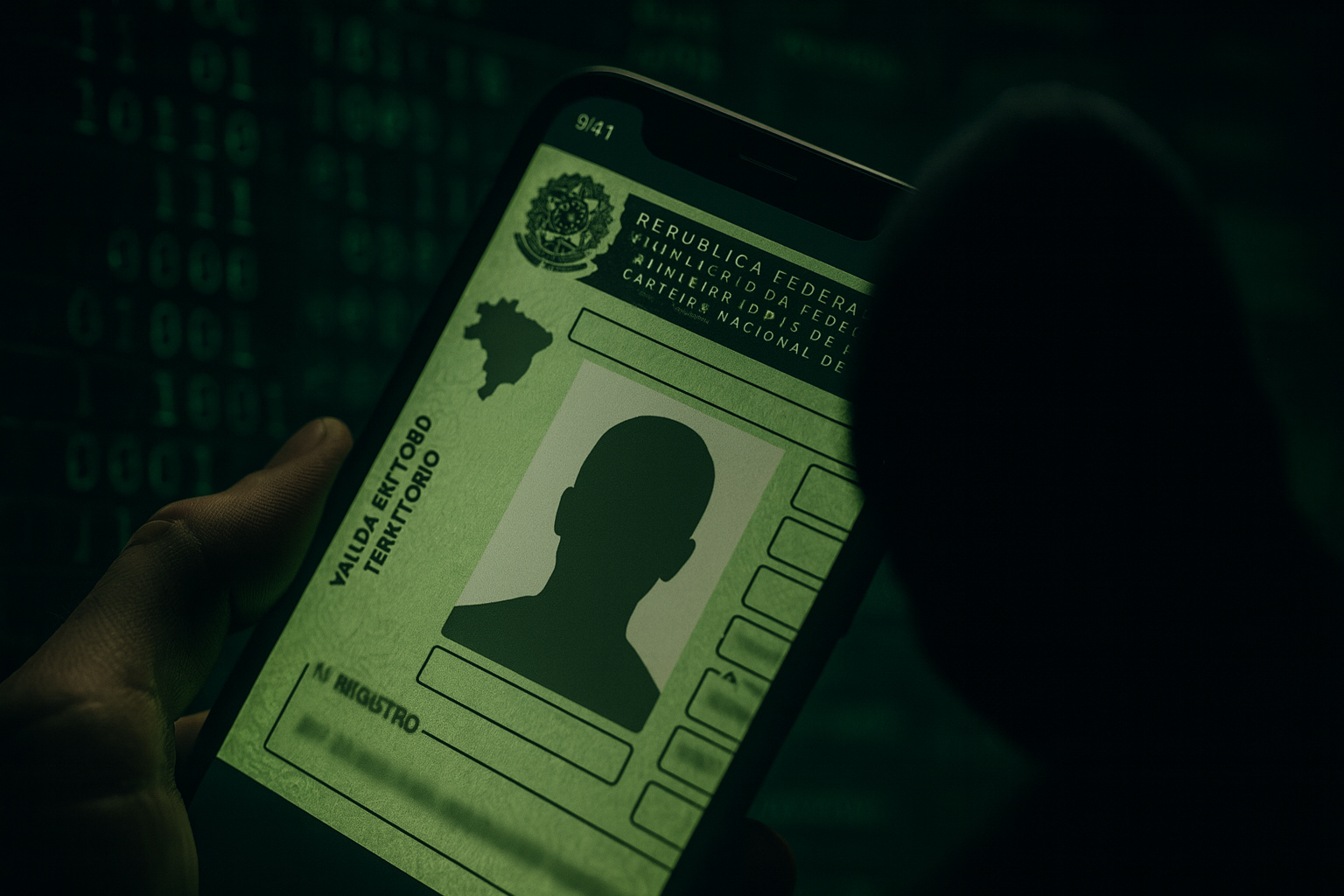
Criminals Use Fake Sites and Immediate Legalization Promises to Deceive Citizens with Fees via Pix
A new fraud scheme involving the National Driver’s License (CNH) has been identified in Brazil and concerns digital security authorities.
According to a warning issued by Kaspersky in July 2024, criminals have created at least 12 fake domains that mimic official agency websites. The practice occurs through ads on social media, SMS messages, and sponsored links in search engines. Thus, drivers looking to resolve CNH issues or join the CNH Social program are drawn to fraudulent pages.
Structure of the Digital Scam Focused on CNH
According to Kaspersky, the scam follows a well-defined script and uses persuasion techniques.
-
Brazilian city neighboring Paraguay becomes a ‘magnet’ for people seeking quality of life and high standards with exceptional growth and commutes of up to 15 minutes.

-
A rare storm transformed part of the Gulf into an unlikely scene of hail, extreme rain, and tornado risk in the middle of the desert, with volumes that exceeded the annual average in a single day.

-
Brazil catches the world’s attention with ships powered by ethanol and biodiesel that have lower emissions, an unprecedented certification with advantages in chartering, and a revolution in cabotage.

-
A couple who only has Sundays free has built a hand-dug pool, a hamburger joint, a dance hall, and a playground in their own home without hiring a mason, and even with breaks due to accidents and the pandemic, the work has never truly stopped.


When accessing the fraudulent site, the victim must fill in personal information. Afterwards, the criminals inform that a supposed legalization fee ranging between R$ 30 and R$ 80 will need to be paid.
The most concerning detail is in the payment: the amounts are charged only via Pix, always directed to accounts of individuals used as fronts in fintechs. This should raise suspicions, because public agencies only charge fees in corporate accounts (CNPJ).
After the transfer, the criminals quickly move the money to other accounts. In this way, they hinder tracking and prevent refunds.
Tactics Used by Criminals
The scammers exploit the popularity of the CNH Social and the urgency of drivers to regularize documents. With this, they create an environment of false trust.
By using artificial intelligence tools, they build pages that resemble the official ones. This professional appearance increases the risk of deception.
The collection of low amounts is also part of the strategy. Since the fee does not seem high, many victims pay without questioning the authenticity of the charge.
Fabio Assolini, director of Kaspersky’s Global Research and Analysis Team for Latin America, stated in 2024 that the promise of resolving everything online and without bureaucracy is the central attraction of the scam. This format has already spread across several states since mid-2023.
Security Recommendations for Drivers
To avoid falling into this fraud, Kaspersky listed security measures in its July 2024 report:
- Be cautious of sponsored links and paid ads that offer quick solutions for the CNH.
- Always check the URL and confirm if it truly belongs to the official DETRAN portal.
- Avoid clicking on links received via SMS or social media, even if they appear trustworthy.
- Never make payments via Pix to personal accounts for government-related services.
- Access official sites by typing the address directly into the browser to avoid traps.
- Never provide personal data on suspicious pages.
- Keep antivirus updated to automatically block fraudulent pages.
By following these practices, drivers increase their chances of protection and reduce the risk of loss.
Chronology of the Advancement of Digital Frauds
- 2021: Digital scams intensified during the pandemic, according to Kaspersky reports.
- 2023: Brazil records an increase in the use of fake sites that simulate public services.
- July 2024: Kaspersky confirms the existence of at least 12 fraudulent domains used in the CNH scam.
This sequence shows that the digitalization in the country has brought opportunities but also expanded the actions of criminals.
Social and Digital Impacts of the Scam
In addition to financial losses, experts emphasize that the data collected on fake sites can be used in other digital crimes. These include identity theft, opening fraudulent accounts, and even credit scams.
This scenario further exacerbates the problem, as it jeopardizes the digital security of thousands of Brazilian citizens.
According to technical reports, the sophistication of fraudulent pages increases each year. Therefore, users must act with heightened caution.
What to Expect Moving Forward?
The CNH scam case shows that digital fraud has reached a new level in Brazil.
Experts advise that citizens should pay extra attention and use only official DETRAN channels to resolve issues or obtain benefits.
At the same time, there is increasing pressure for stricter digital oversight and awareness campaigns. Similar scams have already affected other public services, reinforcing the need for ongoing prevention.
In a scenario of expanding digital fraud, the question remains: do you believe Brazil should invest more in educational campaigns or in tracking technologies to combat scams like the CNH?










Seja o primeiro a reagir!