





 Portuguese
  English
  Spanish
  3 min of reading
  9 comments


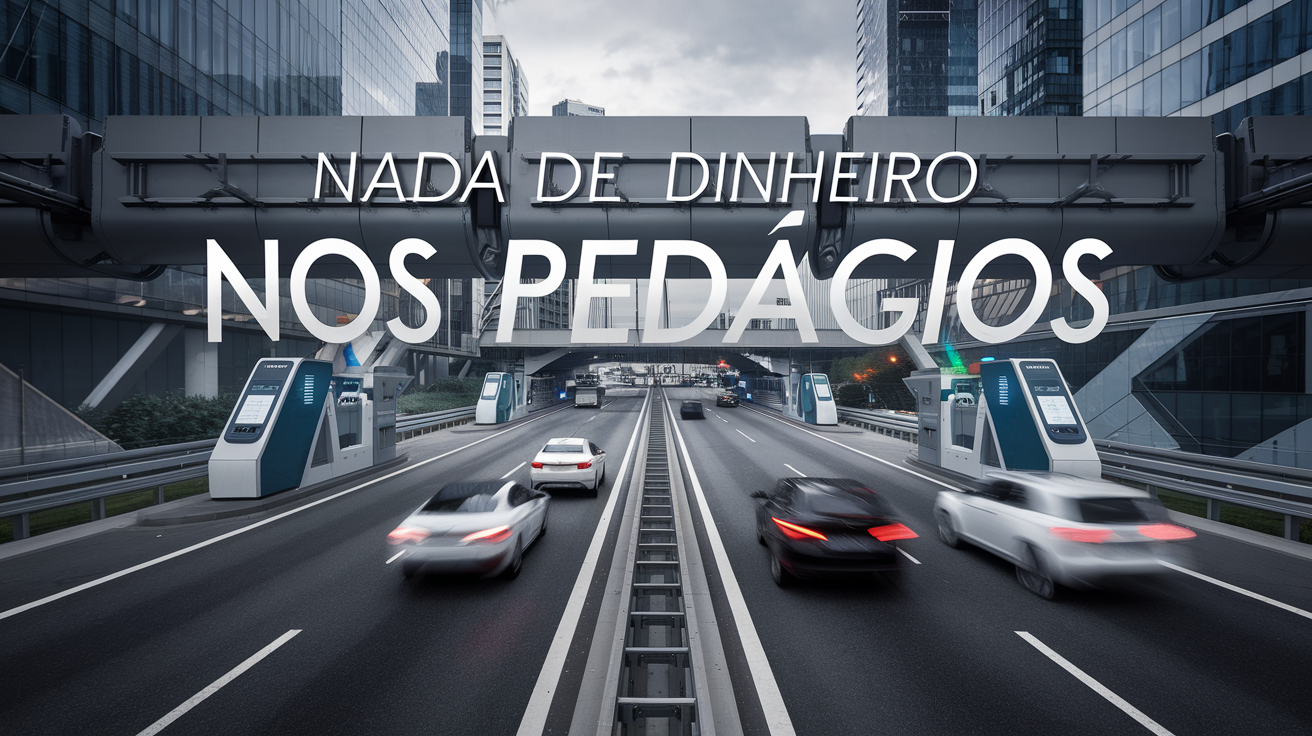


São Paulo Tolls Adopt NFC Cards and Automatic Systems, Eliminating Cash Use. CCR Plans to Expand the Model by 2026, Which Promises to Modernize the Highways but May Exclude Millions of Brazilians Still Without Access to Electronic Payment Technologies.
The Future Has Arrived for Brazilian Tollbooths, but Not for Everyone. In September 2024, a new chapter in highway modernization began in São Paulo, and there are plenty of divergent opinions on the impact of this.
In the automatic booths, where there used to be change and coins, technology with proximity cards now reigns.
This change represents much more than agility for those crossing the tolls: it is a symbol of an economic transformation that divides opinions and questions the inclusion of all Brazilians in 21st-century innovations.
-
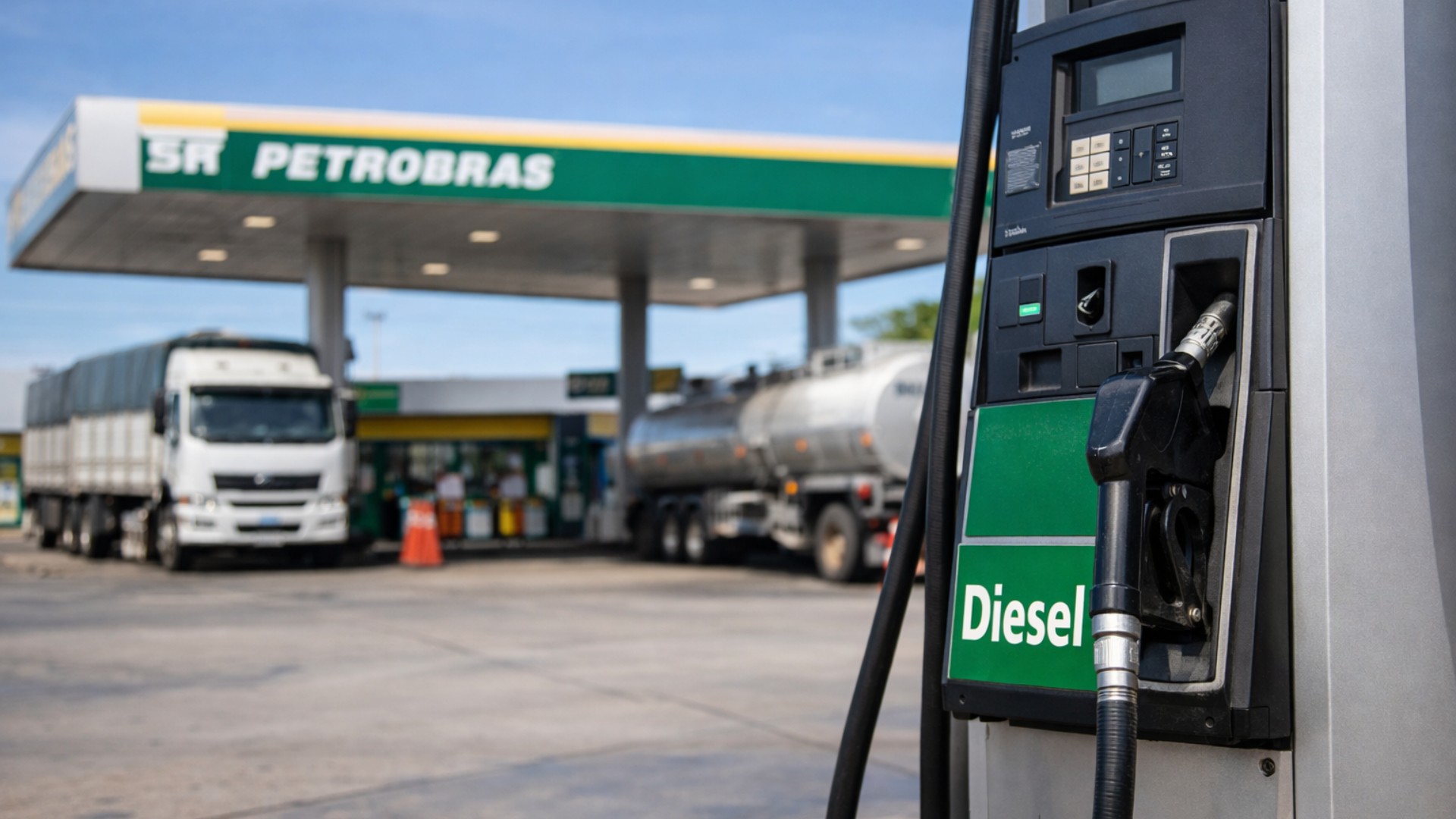
Petrobras sends a message to Brazilian truck drivers after fuel collapse and reveals plan to have 100% domestic diesel.
-
Mothers and daughters come together, create an ‘express’ beauty salon and turn the idea into a network with 21 units, revenue of R$ 16.7 million and 12,000 subscribers.

-
End of the 6×1 schedule: how the reduction of hours can affect service companies, industry, and agribusiness.

-
Brazil Ignores Trump’s threats to BRICS, Buys 42 tons of gold and reduces the Dollar’s share by 6.45% in international reserves.


According to information from CCR, the concessionaire that manages some of the main highways in São Paulo, electronic payments already account for 85% of transactions conducted in 2024.
This is a remarkable jump compared to 2020, when it was only 56.3%. However, for those still relying on cash, the transition to the electronic model presents concrete and urgent challenges.
The Technological Advancement on Highways
Since September, some highways in São Paulo have started to operate exclusively with automatic booths that accept credit and debit cards with NFC technology (contactless payment).
This change aims to streamline vehicle flow, reduce operational costs, and promote safety by eliminating the need for cash handling.
In addition, the free flow system, which allows automatic payment without needing to stop at tolls, has been adopted on various roads.
In this model, drivers can make payments through a tag or even settle the charge later on the concessionaire’s website.
This practice is already common on high-traffic routes like the Anhanguera-Bandeirantes and Castello-Branco and is expected to expand further in the coming years.
A Future Without Cash at Tollbooths?
The CCR revealed an intriguing fact: in July 2024, only 13.17% of payments were made in cash.
The decline in cash use at tolls reflects a significant change in Brazilian habits, who have quickly adopted electronic payment methods.
This trend, however, raises an important alert: what happens to those who do not have access to cards or bank accounts?
According to experts, financial exclusion is still a reality for millions of Brazilians.
Although the use of cards and digital technologies is increasing, approximately 34 million people still live outside the financial system, according to 2023 data from the Locomotiva Institute.
How will these people be impacted by the exclusion of cash on essential roads for transportation in the country?
The Goal for 2026 and the Highways of the Future
The CCR has set an ambitious goal: to completely eliminate cash payments at all toll plazas by 2026.
The initiative encompasses the 11 highways managed by the concessionaire, including important routes such as Raposo Tavares (SP-270).
For many, this is an opportunity to modernize Brazilian highway transport and ensure more efficiency in traffic.
However, critics point to the challenges of this transition.
The lack of access to technologies and the exclusion of those who still rely on cash payments can become barriers to mobility. Is Brazil prepared to make such a significant leap in such a short time?
Conclusion: Innovation or Exclusion?
The modernization of tollbooths in Brazil symbolizes the advancement of electronic payment technologies and brings clear benefits, such as agility and cost reduction.
However, the challenge of including all Brazilians in this movement is an urgent issue. As 2026 approaches, the question remains: will the highways of the future be accessible to everyone?
And you, what do you think about this change in tolls? Comment below and join the debate!





Tuve problemas para abonar peajes hace un mes porque ahora son automàticos sin cabina y supuestamente los podes pagar por la web pero no existen patentes de 6 dìgitos entonces no poder hacer nada. Intentè pagarlo een la oficinas te atiende un bot, la persona que logré que me atendiera en un 0800 no me entendió nunca el problema que tenia por el tema del idioma. La verdad una porquerìa que no haya Plan B, porque hice miles de kilometros por sus rutas pagando sin problemas con tarjeta, efectivo, Pix en una versión de automático por Camboriu que si me dejo hacerlo via web pero en las autopistas de Santos no hubo caso
Achei vergonhoso, dinheiro físico deixar de valer é um retrocesso.
Deveria ter desconto para quem usasse cartão, desconto maior para tags, tags deveriam ser gratuitas, mas assim mesmo acho que não poderiam recusar o dinheiro nacional
Acho até que seria ilegal essa recusa.
El TAg hoy lo están ofreciendo gratis, el problema que si no tenes CPD no lo podés activar siendo turista.