





 English
  Francês
  Alemão
  Italiano
  Japonês
  Norueguês
  Portuguese
  Spanish
  5 min of reading
  0 comments



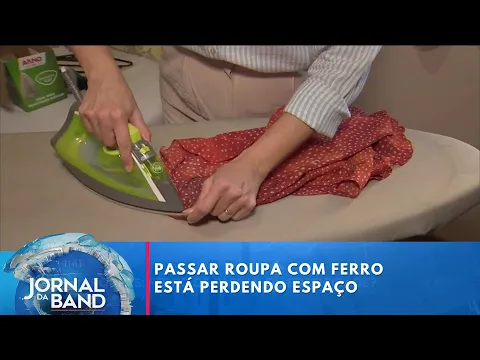
Clothes steamers gain space in Brazil and start to replace the iron by reducing time, effort, and eliminating the need for a board.
In 2025, market analyses released by companies such as Euromonitor International indicate a consistent change within households: the iron, present for decades in Brazilian domestic life, begins to share space with a faster, portable, and functional alternative — clothes steamers, also known as steamers. According to the global consumer trends report from Euromonitor International for 2025, consumers are increasingly prioritizing products that deliver convenience, functionality, and time savings in their daily lives, which drives the adoption of more practical home solutions.
This transition does not happen for aesthetic reasons or passing trends, but for operational efficiency. The traditional iron requires preparation of the environment, use of a board, prior organization of garments, and manual execution with continuous pressure. The steamer eliminates these steps by acting directly on the hanging garment, using hot steam to relax the fabric fibers. According to market reports in the clothing steamer sector, the global growth of these devices is directly linked to the demand for faster, portable, and efficient solutions in clothing care, reflecting a structural change in consumer behavior.
Why the iron begins to lose space in the domestic routine
The iron operates based on thermal conduction and mechanical pressure. The heated base comes into direct contact with the fabric, requiring repetitive movements and constant temperature control to avoid damage. This model, while efficient, carries practical limitations that become more evident in modern routines.
-
Antarctica reveals an unusual clue high in the Hudson Mountains, and what appeared to be just an isolated rock began to expose a secret hidden under the ice for ages.

-
Salaries of up to R$ 25,000, a shortage of professionals, and exploding demand in 2026 make the no-code automation specialist one of the most sought-after careers in Brazil, even without requiring a degree or programming knowledge.

-
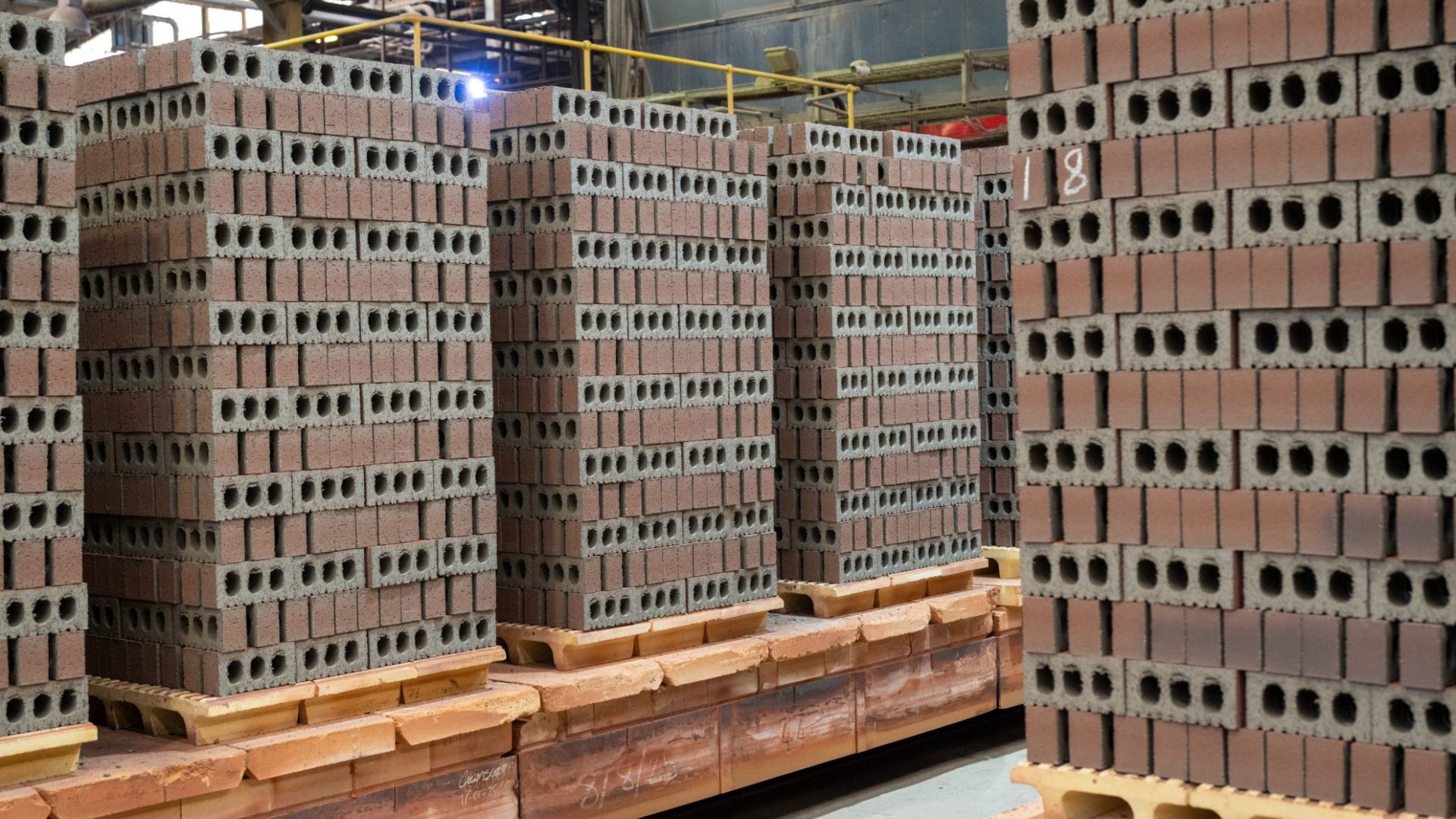
The first commercial-scale hydrogen-powered brick factory will be established.
-
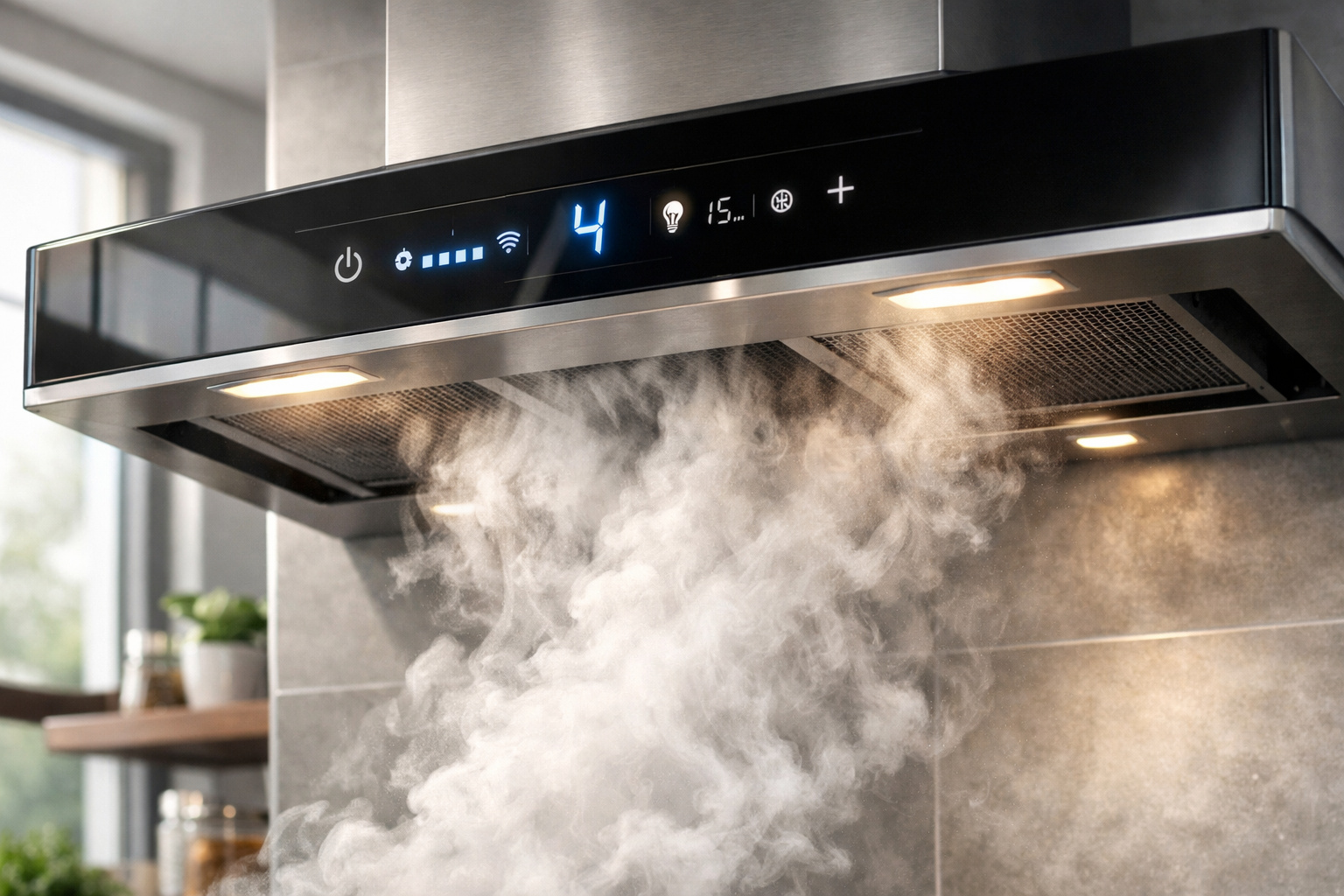
Goodbye to the noisy exhaust fan: silent and smart technology transforms modern kitchens with more comfort, design, and efficiency in everyday life.

The need to set up and take down the board, the long time required to iron multiple pieces, and the risk of burning delicate fabrics make the process less attractive.
In urban environments, where space is limited and available time is reduced, these factors become decisive. The iron does not stop working, but it ceases to be the most convenient solution within a new pattern of domestic consumption.
How clothes steamers that are replacing the iron work
Steamers operate on a different principle: the use of pressurized steam to penetrate the fibers of the fabric and relax its internal structure. Instead of pressing the garment against a rigid surface, the steam acts directly on the suspended piece, eliminating wrinkles more naturally and with less effort.
The water stored in the device’s reservoir is heated until it turns into steam, which is continuously released onto the fabric.

This steam temporarily breaks the internal bonds of the fibers, allowing them to return to their original shape without the need for mechanical pressure. This change in the mechanism of action is what allows for the elimination of the board and drastically reduces the time of use.
Time reduction when ironing becomes the main replacement factor
One of the most relevant points in this transition is the time gain. Ironing with an iron can take several minutes per piece, especially with thicker or heavily wrinkled fabrics. This time quickly accumulates in domestic routines with a large volume of clothing.
With steamers, the process is more direct and faster. In many cases, it is possible to smooth a piece in just a few minutes, without the need for prior preparation. This allows the task to be performed on demand, even just before leaving the house.
The practical impact is clear: the task ceases to be a long activity and becomes a quick and punctual action within the routine.
Elimination of the ironing board and impact on domestic space
The ironing board has always been an inseparable element of the traditional iron. However, it represents a problem in terms of space and practicality. It needs to be set up, occupies usable space during use, and then must be stored.
Steamers completely eliminate this need, as they operate with the garment hanging on hangers or simple supports.
This feature reduces the number of items needed to perform the task and facilitates domestic organization. In small apartments, this difference has a direct impact on the functionality of the environment.
Less physical effort and simpler operation in daily life
The use of the iron requires continuous physical effort, with repetitive movements and application of pressure on the fabric. In longer sessions, this can cause discomfort and even fatigue.

On the other hand, steamers work with light movements, without the need for force. The user simply directs the steam over the piece, without pressing or sliding with intensity.
Additionally, most models do not require manual temperature adjustment for different fabrics. This simplification makes the process more accessible and reduces the usage barrier for different consumer profiles.
Energy consumption and efficiency in domestic use
Although both devices use electric heating, steamers tend to operate for shorter periods and more directly. This reduces the total time of use and can result in better operational efficiency.
Moreover, many models come with rapid heating systems and automatic shut-off, which increases safety and prevents unnecessary energy consumption. Efficiency is not only in consumption but in how the equipment is used within the domestic routine.
Despite the growing adoption of steamers, the traditional iron still presents advantages in certain contexts. Heavier fabrics, such as denim and twill, may require mechanical pressure to achieve a stiffer finish.
Additionally, structural creases, such as those in dress pants, are better defined with an iron. In professional environments that require a more precise finish, the iron still maintains relevance. This indicates that the replacement is not absolute, but functional, with each technology occupying a specific space.
Market trend: growth of steamers in Brazil and the world
The growth of steamers accompanies a broader trend of transformation in household appliances. According to data from Statista, there is an increase in demand for compact, portable, and multifunctional equipment.

This movement is linked to changes in lifestyle, such as reduced time spent on household tasks, increased urbanization, and the search for more practical solutions.
The steamer fits directly into this scenario, offering an alternative more aligned with these needs. Adoption is expected to grow as prices become more affordable and technology becomes more widespread.
A new standard begins to replace the iron
The iron has not disappeared, but it has ceased to be the only viable solution. The introduction of steamers creates a new standard based on agility, simplicity, and adaptation to modern daily life.
This change does not occur abruptly but follows a gradual process, already observed in other household appliances.
Over time, the trend is for more practical technology to gain space and redefine domestic behavior. What is happening is not just the replacement of a device, but the transformation of the logic of executing a daily task.







Seja o primeiro a reagir!