





 Portuguese
  English
  Spanish
 6 min of reading
  0 comments


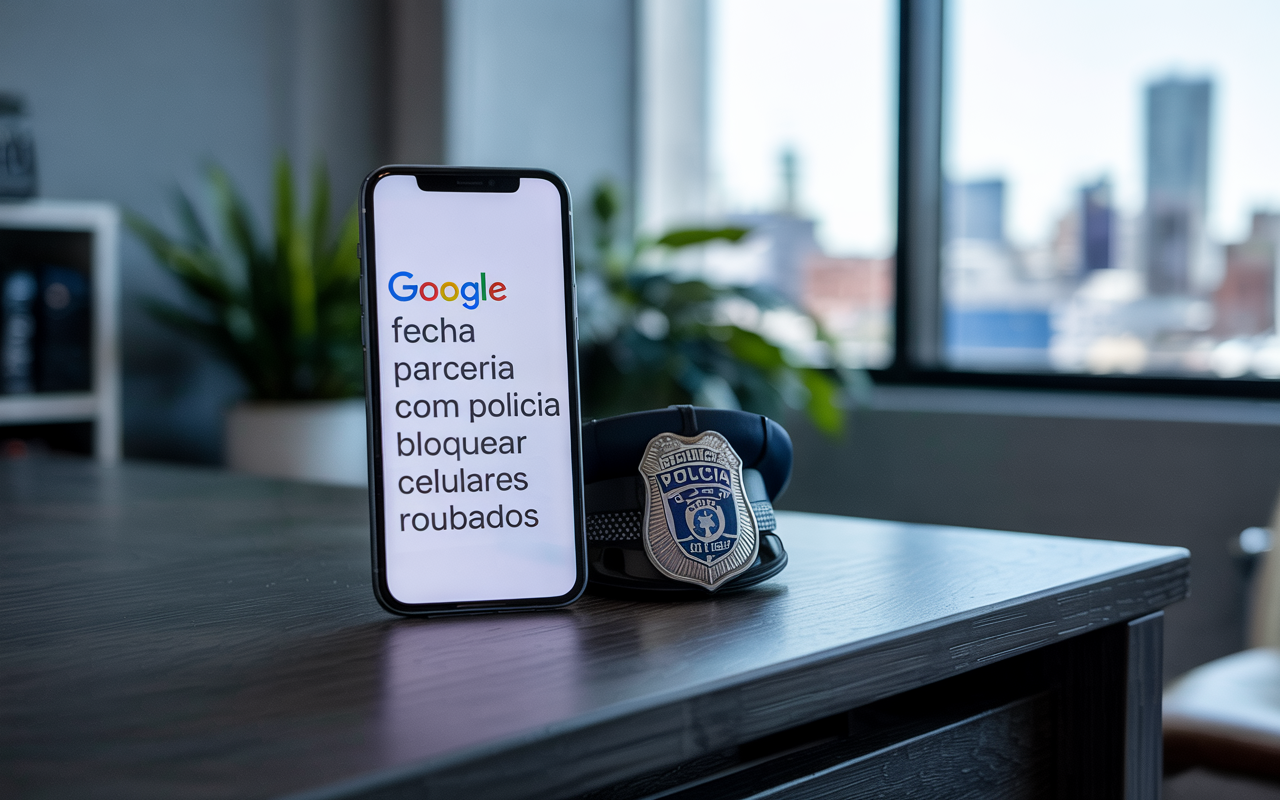
Google And SP Military Police Announce Unprecedented Partnership To Lock Stolen Phones Remotely With Phone Number. Measure Promises To Enhance User Security In Brazil.
Google announced an unprecedented initiative in Brazil: a partnership with the Military Police of the State of São Paulo (PMESP) to allow stolen or robbed Android phones to be remotely locked with direct support from police officers. The aim of the action is to hinder the misuse of devices and reinforce the digital security of crime victims. The news was revealed during the event Google For Brazil 2025, held this Tuesday (10) in the city of São Paulo. The new functionality to lock stolen phones remotely marks an important turning point in mobile data protection policies in the country, especially in a scenario of increasing smartphone thefts in major capitals.
How Remote Locking Works Via SP Military Police
As part of the new partnership between Google and the SP Military Police, anyone who has their Android phone stolen or robbed can ask a police officer for help to activate the remote screen lock of the device. Just provide the phone number associated with the device, and the authorized agent can use this information to initiate immediate locking.

The technology is based on Remote Lock, a feature launched by Google in 2024, which allows the user themselves or now the police to lock the device’s screen remotely, even without physical access to the device. The procedure is simple yet effective: the phone remains locked until the owner enters their password, PIN, or pattern.
-
In the United States, a valley 86 meters below sea level has reached 56.7°C and remains the place with the highest air temperature ever recorded on Earth, a direct result of a terrain that traps heat between high mountains in the midst of the desert.

-
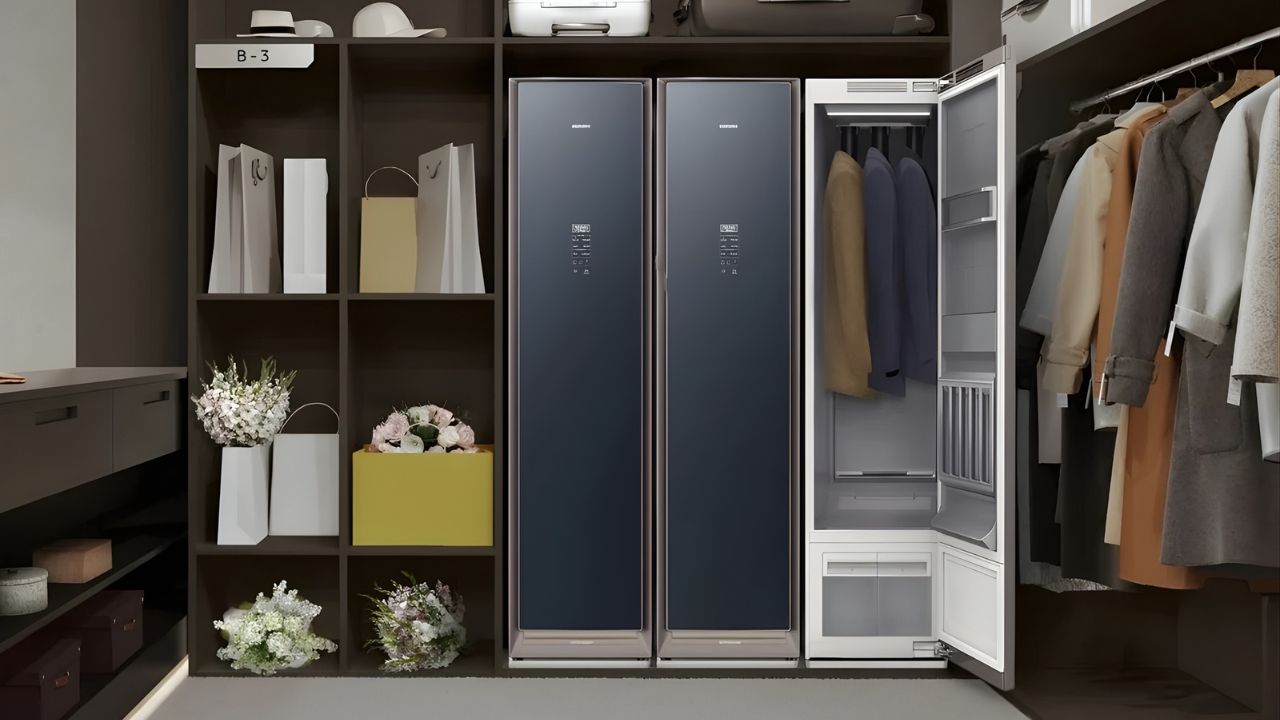
Goodbye clothes with odors from use: Samsung’s device uses high-temperature steam, eliminating up to 99.9% of bacteria, removing dust mites, and neutralizing odors directly in the wardrobe without the need for washing.
-
Embraer arrives in Mexico with 7 new E190-E2s in 2026, after 5 jets have already been delivered, while Mexicana surpasses 1 million passengers, plans a fleet of 20 aircraft, and expands strategic routes across the country.

-
China is not joking around and is secretly expanding its nuclear weapons infrastructure: a giant dome the size of 13 city blocks, 600 warheads, destroyed villages, and a modernized military network in record time in China, says CNN.


However, for the feature to work, it is necessary that:
- The remote lock is previously activated in the Android settings;
- The device is connected to the internet (via Wi-Fi or mobile network);
- The provided phone number matches the number registered in the Google account linked to the device.
Google App Will Be On PM Paulista Phones
To operationalize the action, military police officers will start using the Google Locator app (Find My Device), already installed and configured on the corporate smartphones of the São Paulo Military Police. These devices are managed through the Android Enterprise system, which ensures administrative control and institutional security.
This management model allows public security agents to have controlled access to specific functionalities of the apps without compromising user information integrity. The use of Google Locator will be restricted to emergency actions, such as assisting victims of theft or robbery.
Brazil Will Be The First Country With Automatic Locking Activated By Default
In addition to the partnership with the SP Military Police, Google also disclosed another significant security measure: all new Android phones sold in Brazil will come with Remote Lock and Theft Detection Lock activated by default starting in the second half of 2025.
Brazil will be the first country to receive this factory setting, without depending on user initiative to activate such features. The decision reflects the company’s concern over the high rate of phone thefts and the low spontaneous adoption of protection tools by users.
According to Google representatives, many users only realized the existence of security features after experiencing a criminal event. With automatic activation, this barrier disappears.
What Is Theft Detection Lock?
The Theft Detection Lock is an intelligent system that uses sensors and algorithms to identify suspicious behaviors, such as when someone yanks the phone from the user’s hand and runs away. In such cases, the Android automatically locks the screen, preventing access to the device’s content.
This type of functionality makes the phone a less attractive target for criminals, as the time of misuse is drastically reduced. Additionally, the automatic locking makes it difficult to access banking apps, social networks, photos, and sensitive personal data.
Stolen Phones Continue To Be A Problem In Brazil
The measure by Google occurs in a context of high concern for the digital and physical security of Brazilian users. Data from the Brazilian Forum on Public Security shows that Brazil recorded over 1 million phone thefts per year, particularly in the states of São Paulo, Rio de Janeiro, and Bahia.
In the city of São Paulo alone, there were over 35,000 stolen or robbed phones in 2024, according to data from the Public Security Secretariat. This represents an average of over 90 cases per day.
Besides the financial loss, phone theft compromises personal information, digital documents, bank accounts, passwords, and even biometric data. Thus, locking stolen phones remotely has become an urgent demand among users and cybersecurity experts.
Security Measures Available On Android
Android offers a range of native features to assist users in cases of loss, theft, or robbery of their phones. Among the main ones are:
Remote Lock
Allows you to lock the phone’s screen even from a distance by accessing the Google Locator website or app.
Delete Data Remotely
Enables complete deletion of data on the device, preventing access to sensitive information.
Real-Time Tracking
Shows the last known location of the phone, updated via GPS and mobile networks.
Security Alerts
Real-time notifications if someone tries to access or reset the Google account linked to the device.
Lock With Biometric And PIN
Enhances physical security with fingerprint or facial recognition.
How To Activate Lock Features On Your Android
If your device does not have the new default settings, you can manually activate the security features. See how:
- Access Android settings
- Go to the Security and Emergency section
- Tap on Find My Device
- Activate the feature and make sure you are logged in with your main Google account
- For the theft detection lock, check in Advanced Settings if the function is enabled
It is also recommended to keep mobile data and GPS always on, even in the background, to ensure the device can be located or locked in any situation.
Experts Praise The Measure But Warn About Limitations
Cybersecurity and digital rights experts considered the partnership between Google and the SP Military Police a positive strategy to address the problem of phone thefts. However, they warn about some technical and legal limitations.
Among the main concerns are:
- The dependence on internet connection for remote locking to function;
- The possibility of deleting or formatting the device before the lock is activated;
- The risk of misuse by authorities, which will require rigorous auditing and control by public authorities.
Even with these caveats, the expectation is that the initiative will help reduce theft and robbery rates, as well as discourage the illegal trade of devices and parts.
A New Step For Digital Security In Brazil
The partnership between Google and the São Paulo Military Police to lock stolen phones remotely represents a significant advancement in the fight against urban crime. By integrating technology and police action directly, the measure creates a protection model that can be expanded to other states and countries in the future.
Furthermore, the default activation of security features on Androids sold in Brazil positions the country as a global laboratory for preventive measures in the mobile technology sector.
This collaboration between private companies and public security forces highlights that digital protection does not rely solely on the end user but also on proactive public policies and technological solutions.






Seja o primeiro a reagir!