





 English
  Francês
  Alemão
  Italiano
  Japonês
  Norueguês
  Portuguese
  Spanish
  3 min of reading


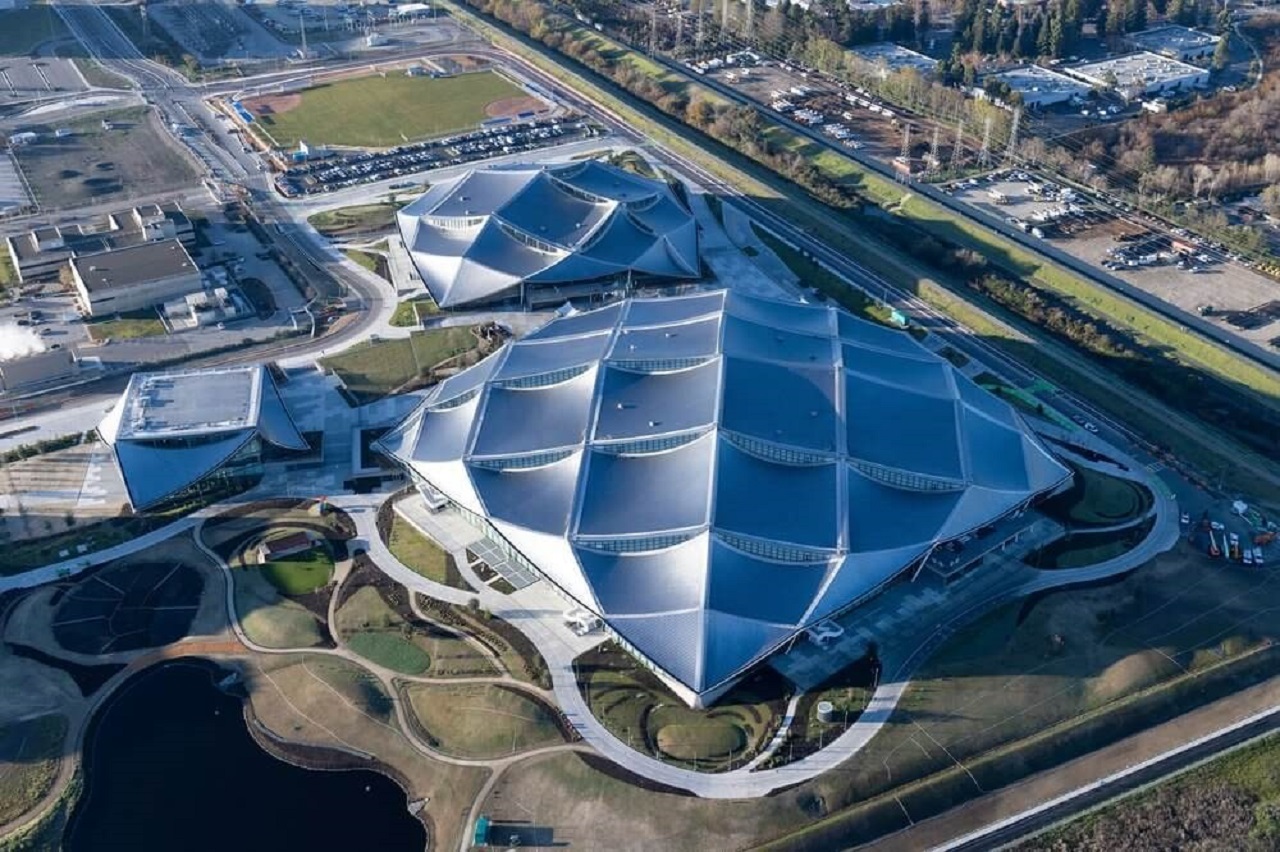
Google recently opened a new campus in the US that uses solar energy and other sustainable sources for electricity generation. The differential of the plant is that its 90 thousand solar panels installed were manufactured in the shape of ‘dragon scales’.
In May last month, Google opened its new campus named Bay View in California, which is the company’s latest project towards its goal of completely decarbonizing its energy consumption by the early next decade. The roof is covered by solar panels that form dragon scales, and in total, more than 90 thousand photovoltaic solar panels specifically produced for the project were used that resemble solar shingles more than traditional rectangular panels installed in businesses and homes.
Google Campus Balances Beauty with Sustainability
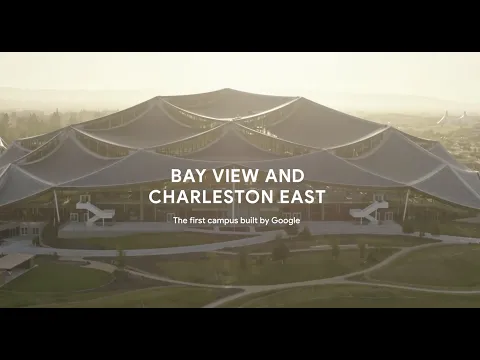

According to one of the project leaders at Google, Asim Tahir, the goal was to balance solar energy generation with aesthetics, which only happened due to the collaboration with partners and various manufacturers for the development of new equipment and solar panels.
The result was a solar energy roof with an innovative design, making it possible for the solar panels to capture sunlight from various angles, thus expanding their energy yield for a longer time throughout the day.
-
Renewable energy advances over protected areas in Brazil, and a survey by the Energy Transition Observatory reveals silent impacts that challenge environmental conservation and pressure sensitive traditional territories.

-
Rio Grande do Sul accelerates energy transition: State invests in renewable technologies and consolidates decarbonization strategies and pathways to attract billions in new industrial investments.

-
With 160,000 m² of collectors, an area larger than 20 football fields, Silkeborg, in Denmark, hosts a solar thermal plant that heats 19,500 homes and could become the largest solar heating plant in the world.

-
A study reveals the expansion of renewable energy procurement in Brazil and shows how companies are taking advantage of opportunities to reduce expenses, ensure energy efficiency, and strengthen strategic environmental commitments.


The solar roof at Google has nearly 7 MW of installed capacity and can supply up to 40% of Bay View’s energy consumption, which will also have part of its supply met by wind farms to be installed near the campus. Thus, about 90% of the electricity that will be consumed by Google’s new headquarters could be supplied by these clean energy sources, according to a company statement.
In Addition to Solar Energy, Google Campus Features Other Sustainable Systems
The search giant is just one of the major global companies investing in solar energy as part of corporate sustainability practices aligned with Environmental, Social, and Governance (ESG) principles.
Other major examples of companies that are also focusing on solar energy include Apple, Amazon, Facebook, Magazine Luiza, Mercado Livre, and Renner.
In addition to generating renewable energy with solar panels, the Bay View campus features various other innovations aimed at sustainability, such as a rainwater harvesting system and bioclimatic architecture to take advantage of natural ventilation and lighting, practices that can even lead to discounts on property taxes for Brazilian consumers living in cities with green IPTU programs.
Google Begins Adopting More Sustainable Practices
Several years ago, Google adopted several sustainability practices; one of them is the mobility program for its employees. Another includes walking, biking, or carpooling to work. It was found that these efforts could result in a reduction of 10,000 tons of CO2 emissions per year.
Google’s offices are designed to incorporate various strategies related to water and energy conservation. Heaters and air conditioners are designed to consume the least amount of electricity possible. Additionally, these locations are created from toxin-free materials. During the sales process, full transparency about the materials used is required.
The company works closely with governmental and institutional research on prohibited substances in construction materials. Google is always experimenting with new technologies in its facilities. The installation of one of the largest corporate solar panels in Mountain View is an example of this.
The company has also acquired renewable energy from solar and wind sources at competitive prices, contributing to the expansion of ecological efforts by wind producers.









Seja o primeiro a reagir!