





 Portuguese
  English
  Spanish
 5 min of reading
  7 comments


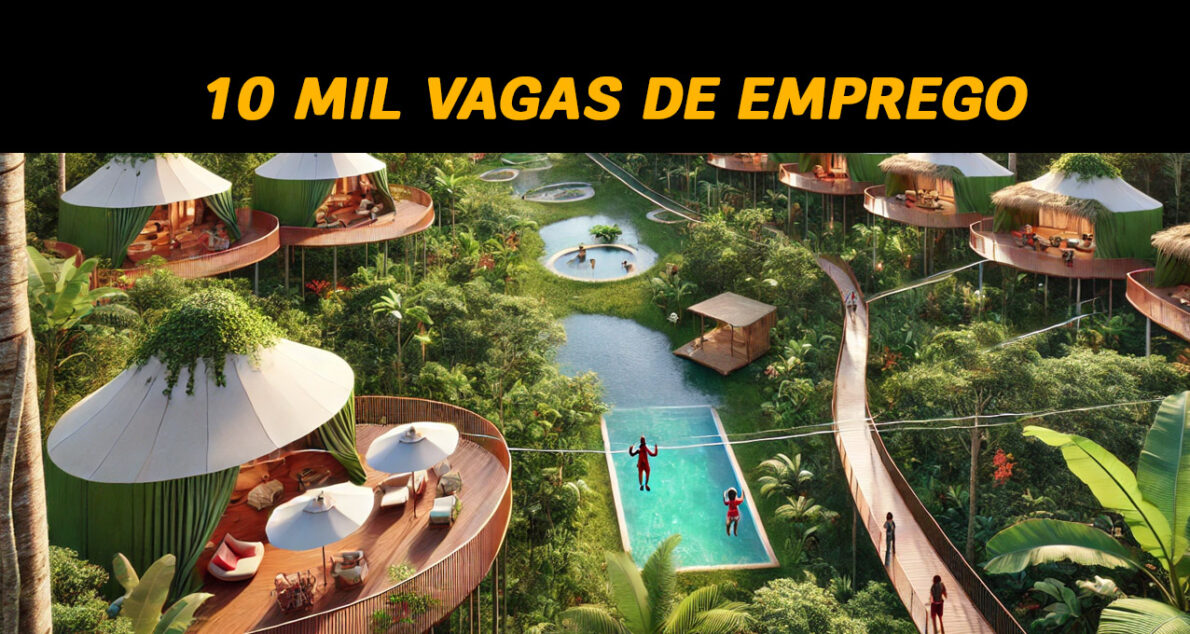

State Prepares to Revolutionize Its Tourism Sector with the Granting of Six State Parks to Private Companies. The Promise Is of 10 Thousand New Jobs and an Exemplary Model of Sustainable Development, Focused on Environmental Preservation and Economic Growth.
Imagine a scenario where sustainable tourism and environmental preservation go hand in hand, generating job opportunities and economic development. Sounds too perfect?
Well, the State of Espírito Santo is about to turn this vision into reality. With the granting of six state parks to private companies, the government promises not only to revolutionize the region’s tourism sector but also to create an exemplary model of sustainable development.
The major shift begins next year when the winning companies of the concession process will take over the management of the parks Cachoeira da Fumaça, Forno Grande, Mata das Flores, Pedra Azul, Itaúnas, and Paulo César Vinha.
-
Mothers and daughters come together, create an ‘express’ beauty salon and turn the idea into a network with 21 units, revenue of R$ 16.7 million and 12,000 subscribers.

-
Work at Vale! The company is recruiting individuals with high school, technical, and higher education in areas such as maintenance, operations, and technology, with 400 immediate openings in 6 states, salaries of up to R$ 10,000, and 100% online applications.

-
End of the 6×1 schedule: how the reduction of hours can affect service companies, industry, and agribusiness.

-
Brazil Ignores Trump’s threats to BRICS, Buys 42 tons of gold and reduces the Dollar’s share by 6.45% in international reserves.

And it’s not just the natural beauty of these areas that’s at stake; with the implementation of new tourism and recreational projects, the expectation is that around 10 thousand direct and indirect jobs will be created, transforming the local economy and promoting a positive impact throughout the region.
The initiative is part of the State Sustainable Development Program for Conservation Units of the State of Espírito Santo (Peduc), an ambitious strategy that seeks to balance environmental, social, and economic pillars.
According to the State’s Secretary of the Environment and Water Resources, the company Ernst & Young Global Limited has been hired to develop the projects that will be implemented in the conservation units.
The planned activities include everything from accommodations in bungalows to cable car rides, all with a special focus on environmental preservation and visitor education.
The Paulo César Vinha Project: Tourism and Preservation in Harmony
One of the highlights of this large project is the Paulo César Vinha State Park, located in Guarapari. This park, which is already known for its natural beauty, is about to receive a series of improvements that promise to attract even more tourists.
Among the new features are the construction of bungalows, a cable car ride, zip line, as well as restaurants and spaces dedicated to environmental education. These new attractions will be accompanied by supportive infrastructure, such as a new main entrance, parking for 500 vehicles, and a visitor center.
The expected economic impact is significant. It is estimated that the annual income of the region will increase by R$ 385 million, due to the concession model that guarantees that for every real spent on activities like lodging and dining, two more reais are generated in the local economy. The government hopes that this successful formula will make Paulo César Vinha Park an example of sustainable tourism for the entire country.
In addition to the economic boost, the park will also be a stage for important environmental conservation initiatives. A Marine Turtle Conservation Program will be implemented, focusing on Leatherback and Loggerhead turtle species.
Visitors will have the opportunity to closely observe the assisted reproduction and reintegration of these species into nature, an experience that promises to be as educational as it is exciting.
Infrastructure and Accessibility: Tourism for All
The improvements don’t stop there. The restructuring of the park’s infrastructure includes the creation of an environmental education center with a café and shop, where visitors can learn more about the preservation of local species.
In addition, suspended trails will be built to ensure access for people with disabilities, allowing everyone to enjoy the park’s natural wonders.
Another major addition is the 28 Glamping cabins, a trend that combines the glamour and comfort of a hotel with the experience of camping in nature. These cabins will be equipped with modern amenities, but without losing focus on sustainability, integrating perfectly with the natural environment.
The Caraís Lagoon, one of the park’s main attractions, will also gain new structures, such as a floating pool and a rock restaurant, offering visitors a unique space to relax and appreciate the scenery. For the more adventurous, a zip line tower will be installed, allowing for a panoramic view of the region while gliding through the air.
The Expectation for the Concession of the Parks: What to Expect in the Coming Years
The concession of the parks will take place at the beginning of next year, and the companies that take over the management will be responsible for executing the projects developed by Ernst & Young.
The State Institute of the Environment and Water Resources (Iema), which currently manages the parks, will continue to play an important role, ensuring that the new activities align with conservation and sustainability goals.
With the creation of 10 thousand direct and indirect jobs, mainly in the tourism sector, the expectation is that the local economy will receive a significant boost.
The lodging, dining, and recreational activity projects like the zip lines and floating decks promise to attract tourists from all over Brazil, consolidating Espírito Santo as one of the country’s main tourist destinations.
Preservation and Development: A Possible Balance
The success of this initiative depends on a delicate balance between economic development and environmental preservation. The Peduc was designed precisely to ensure that the tourism activities implemented do not compromise the integrity of protected areas.
According to the Secretary of the Environment, Felipe Rigoni, the goal is for Espírito Santo to become a model for sustainable tourism, where job creation and the protection of natural resources go hand in hand.
However, the challenge is not small. The management of the parks will require rigorous oversight to ensure that companies fulfill their environmental responsibilities and that local communities benefit from the projects.
The involvement of civil society and environmental organizations will be crucial to monitor the progress of the concessions and ensure that the promised benefits come to fruition.
For experts, the future of tourism in Espírito Santo appears promising, with the concession of the state parks bringing not only new job opportunities but also an innovative model of sustainable development.
The question that remains is: will this initiative really bring the promised benefits, or do the risks outweigh the advantages? Only time will tell. And what do you think? Do you believe that Espírito Santo is on the right path to becoming an example of sustainable tourism? Leave your opinion in the comments!





Projeto vem enfrentando desafios frente a sociedade capixaba que não foi ouvida e que não deseja a privatização.
Uga-Buga. Parque temático brega primitivista. Trem **** e artificial. Vai ser Parque do China com modelo de aldeia africana. Vai ter garçon vestido de índio?
As estrelinhas eram a palavra ****.
Que censura à palavra contrária a bonito !
Que isso? Não há nenhum interesse em proteção e preservação ambiental, quer parque temático que faça o seu, exemplo o parque da China, mas não usar áreas de proteção integral que, segundo a Constituição Federal, em seu artigo 255 e 225, queé para preservar e proteger a fauna e a flora, impondo ao poder público e a coletividade o dever de defendê-lo e preservá-lo para as presentes e futuras gerações.
Sem chance, vamos lutar contra este turismo predatório.