





 Portuguese
  English
  Spanish
  3 min of reading


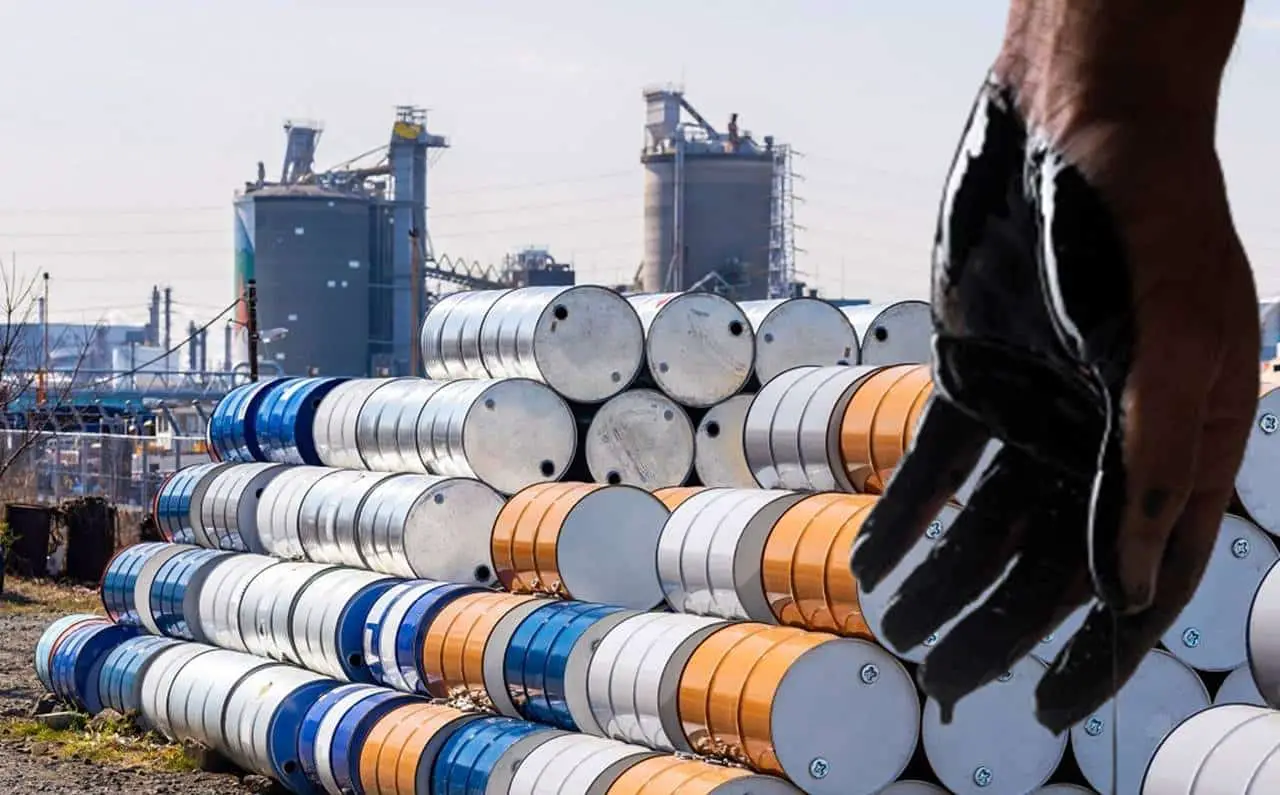
The Potencializa E&P Program Will Be Launched, Aiming to Ensure Investments in Oil and Gas Exploration and Transform Brazil into the Fourth Largest Oil Producer in the World.
The initiative will be presented at the next meeting of the National Energy Policy Council (CNPE) – with no date set yet. Potencializa E&P aims to conduct exploration and development in frontier fields, encouraging investment in mature fields or marginal economic fields to have the country make the list of the largest oil producers in the world.
In addition, the program aims to promote regional development and encourage independent producers of oil and gas whose actions lead to increased revenue, tax collection, government participation, jobs, and income.
According to the Minister of Mines and Energy, Alexandre Silveira, the goal is to ensure the continuity of the development of the Brazilian oil exploration and production industry and gas through public policies.
-
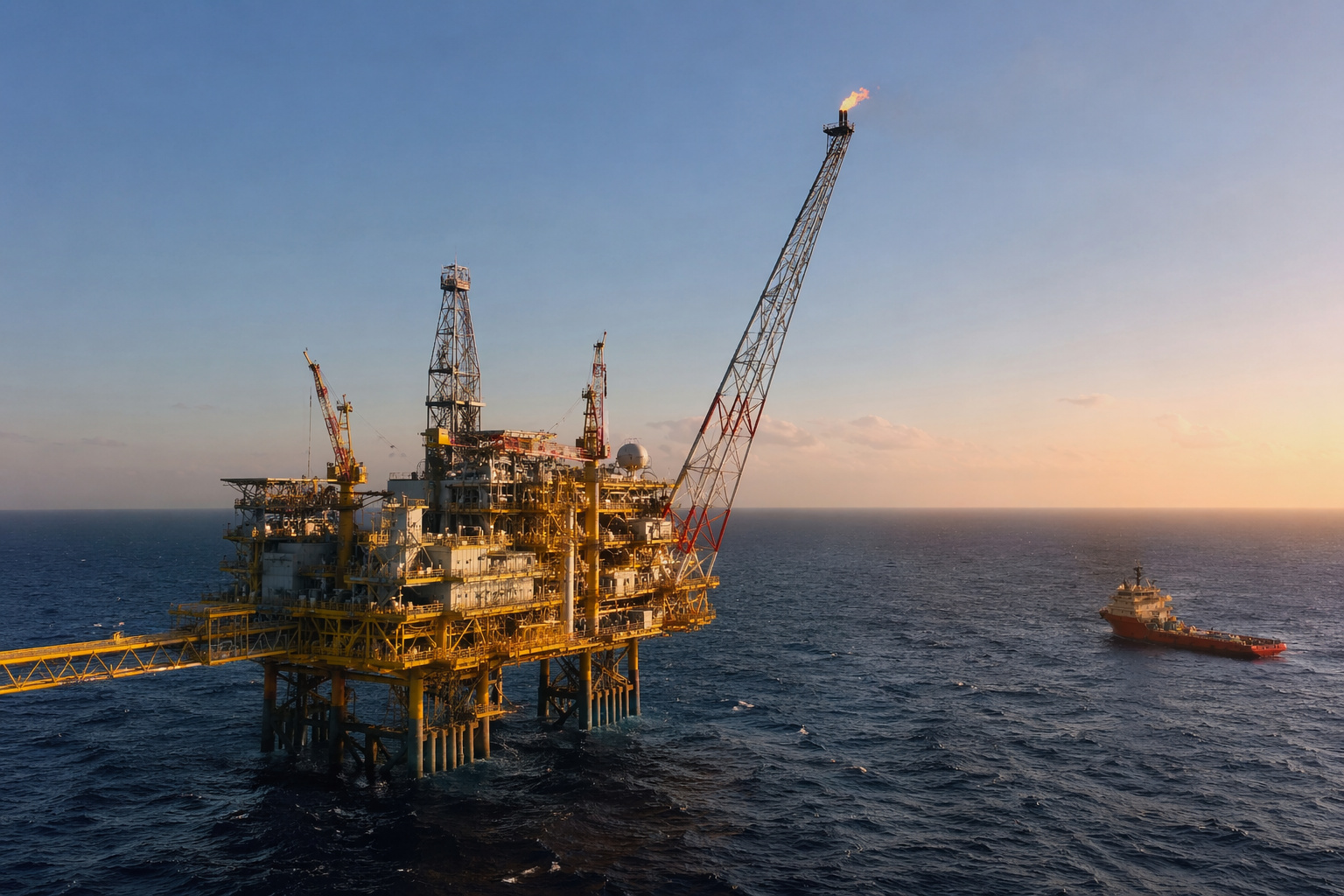
The next exploration auction in the pre-salt will offer 23 blocks in the Campos and Santos basins and may change the interest of oil companies in Brazil.
-
The next exploration auction in the pre-salt will offer 23 blocks in the Campos and Santos basins and could change the interest of oil companies in Brazil.
-
Red Sea, from biblical site to oil hope: South Korea reveals ambitious plan to create new oil routes through the Red Sea with the dispatch of 5 ships, agreements with 3 countries, and a focus on the strategic port of Yanbu.
-
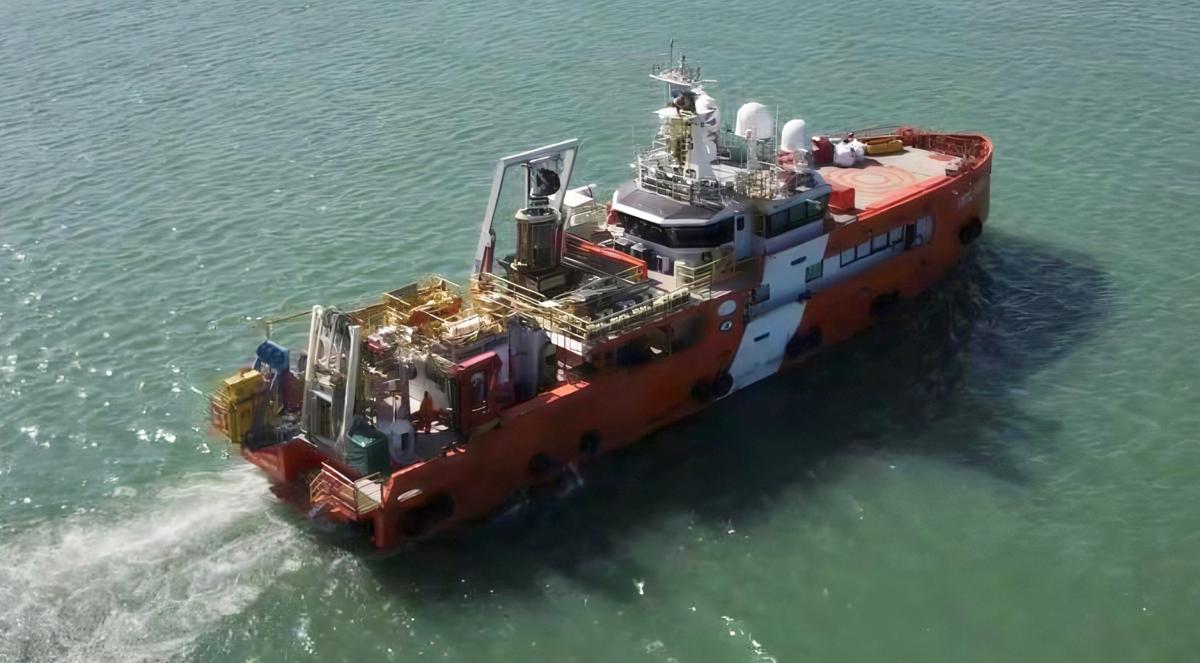
SISTAC expands contract with Petrobras for maintenance of platforms in the Santos, Campos, and Espírito Santo basins using ROV and specialized underwater operations.
“The extremely challenging global investment competition, replacement of oil and gas reserves, and energy transition require all government actors to accelerate, follow the guidelines of President Lula’s government, and promote Brazil’s development with common sense and respect for the environment,” he said.
Scenario for the Largest Oil Producer in the World
Oil and gas exploration and production have attracted heavy investments, focusing on Petrobras’s performance after the discovery of vast pre-salt resources during President Lula’s government. Brazil currently produces 3 million barrels of oil per day. This number is expected to reach 5.4 million by 2029, making it the fourth largest oil producer in the world – with 80% of its resources coming from the pre-salt.
Given the R/P indicator (the ratio of proven reserves to production) of 12.5 years, the positive results achieved by the actions of the Lula and Dilmah governments require continuity and replacement of oil and gas reserves.
The high geological risk of non-contracted areas in the pre-salt and the small potential for new large oil and gas discoveries necessitated the development of new exploration fronts, such as Grande do Norte, on Brazil’s equatorial edge, extending from the coast of Rio de Janeiro to Oiapoque, the northernmost point of the country (AP). The last well to receive environmental authorization on the equatorial margin was in 2015 in the Potiguar Basin.
For Minister Alexandre Silveira, the oil and gas industry is the driving force behind Brazil’s development. The sector accounts for 15% of Brazil’s industrial GDP, 48% of the national energy supply, and over 1.6 million direct and indirect jobs.
Strengthening the oil and gas industry will bring great opportunities for the north and northeast of the country, Silveira said. “We need to give the youth in these regions the chance to dream of working in the oil industry and obtaining technical qualifications. The new pre-salt on the equator will be a revolution in employment, income, and the dreams of young people who want better jobs,” the minister concluded.









Seja o primeiro a reagir!