





 Portuguese
  English
  Spanish
  3 min of reading
  0 comments


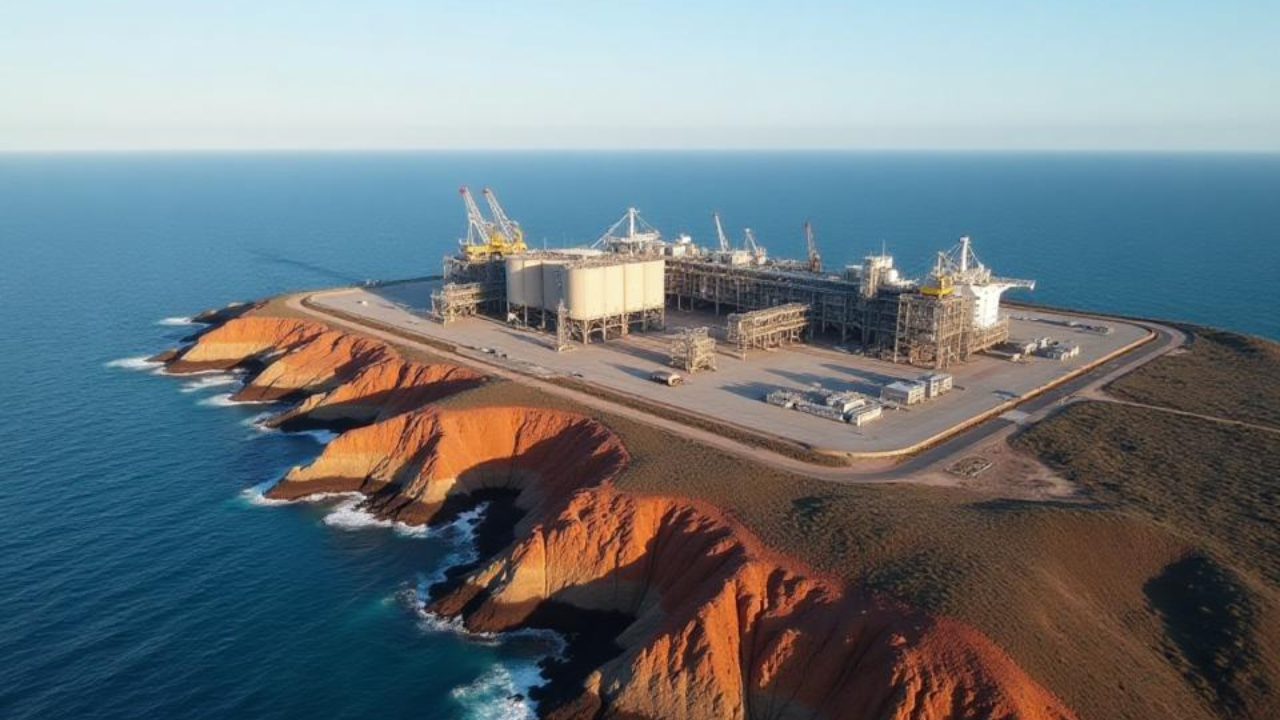
Decision Ensures Operation of the North West Shelf Natural Gas Plant for Another 40 Years; Environmentalists Warn of Climate Impact.
In a decision that could reshape Australia’s energy landscape over the coming decades, the Australian government approved Woodside Energy’s proposal to extend the operation of the natural gas North West Shelf plant until 2070.
The official announcement marks the end of a long and complex regulatory review process that lasted six years and involved hundreds of objections and strong resistance from environmental groups.
The extension of the license, which was set to expire in 2030, will allow Australia’s largest and oldest liquefied natural gas (LNG) plant to continue operating for another 40 years, which is expected to have a direct impact on both the global energy market and the country’s climate targets.
-
A major turn in the Justice system suspends tax increases and directly impacts oil and gas companies in Brazil by affecting costs, contracts, and financial planning, leaving uncertain what could happen to the sector if these costs had increased.

-
Brava Energia begins drilling in Papa-Terra and Atlanta and could change the game by reducing costs in oil while increasing production and strengthening competitiveness in the offshore market.
-
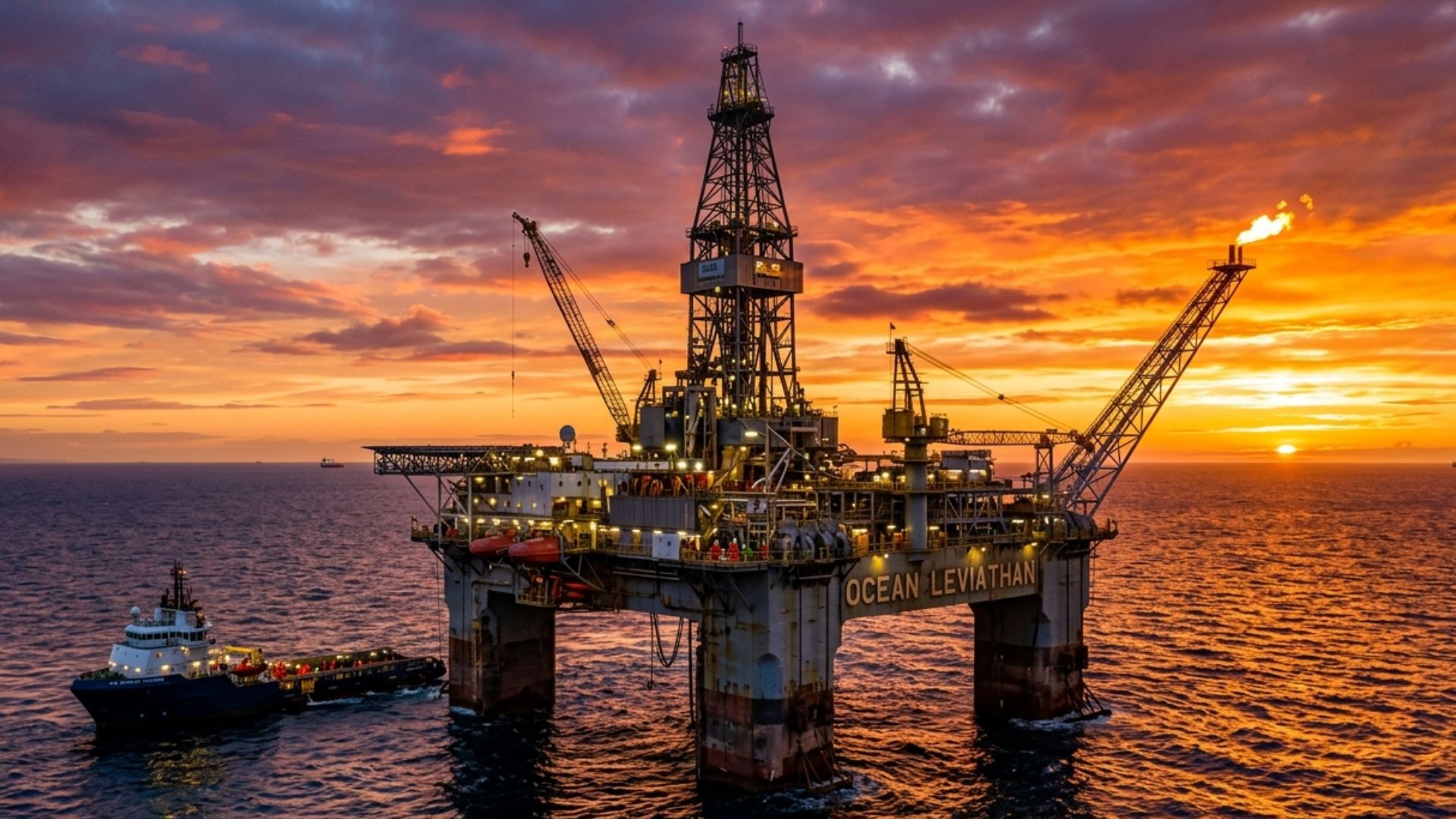
Petrobras surprises the world again by announcing a new discovery in the pre-salt with excellent quality oil.

-
Offshore industrial demand in Macaé skyrockets with the recovery of oil and gas and could grow by up to 396% by 2026 in the Campos Basin.

Decision Comes After Six Years of Deadlocks and Reviews
The approval was only possible after an arduous environmental analysis process, which involved the evaluation of approximately 800 appeals submitted by environmental organizations, citizens, and other stakeholders.
The initiative, considered one of the most significant energy projects in Western Australia, has been on the agenda since 2018, when Woodside Energy filed the extension request.
During this period, the federal government postponed the final decision twice, particularly in light of the general election in May, opting for a cautious approach due to the clash between energy needs and environmental concerns.
In response to criticisms and fears related to pollution and climate change, Environment Minister Murray Watt stated that the approval includes “strict conditions” focusing on controlling atmospheric emissions.
“The approval for the project extension would include strict conditions, especially regarding the impact of pollutant emission levels in the air.”
It is estimated that, over the new lifespan of the project, up to 4.3 billion metric tons of carbon could be emitted, a volume that worries environmentalists and climate experts.
Strategic Importance of the Plant for the Natural Gas Sector
Located on the Burrup Peninsula, the North West Shelf plant plays a strategic role in liquefied natural gas exports, especially to Asian markets.
The site also represents an important hub for employment and regional development, housing cutting-edge infrastructure for production, liquefaction, and export of gas.
The extension will allow Woodside to connect new offshore gas fields, such as the previously stalled Browse project. This measure aims to offset the gradual decline in production from the original gas fields in the northwest continental shelf.
Market Reactions and Involved Partnerships
The financial market reacted positively to the announcement. Woodside Energy’s shares rose about 4% the afternoon after the approval was announced, consolidating gains accumulated throughout the trading day.
The North West Shelf project is operated by Woodside but also involves major international players such as BP, Chevron, Shell, as well as Japanese companies Mitsui & Co. and Mitsubishi Corp., and the Chinese CNOOC. This composition reinforces the economic and geopolitical weight of the plant in the global energy matrix.
Environmental Pressure Continues
Despite Woodside’s victory, environmental pressure remains. Various NGOs and ecological coalitions warn that the extension contradicts the international commitments made by Australia under the Paris Agreement and undermines domestic efforts to reduce emissions by 2030.
Critics argue that the project represents a setback at a time when other nations are accelerating the transition to renewable energy sources.
Experts argue that the country should prioritize the development of clean technologies and decarbonization of industry.
The decision to extend the life of the North West Shelf natural gas plant reflects the dilemma faced by many fossil fuel-exporting countries: balancing economic growth and energy security with climate urgency.









Seja o primeiro a reagir!