





 Portuguese
  English
  Spanish
  5 min of reading
  1 comment


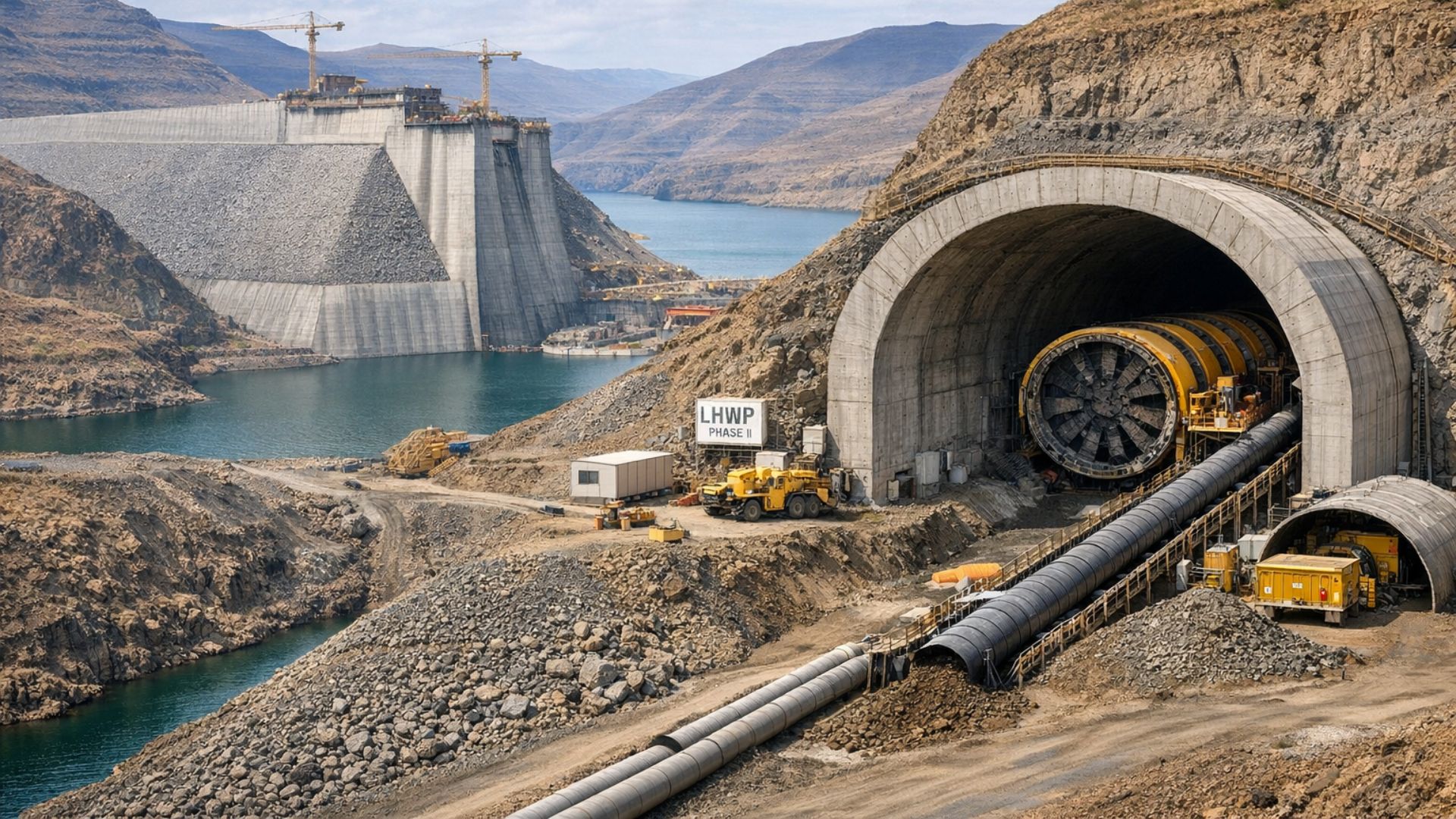


Megaproject in Lesotho Expands Water Transfer to South Africa, Combines 166-Meter Dam and 38-Kilometer Tunnel in Mountain Area, Mobilizes Construction Sites and Roads and Imposes Rural Resettlements, While Governments Adjust Supply Targets and Discuss Effects on Energy, Revenue, and Water Security.
In the mountains of Lesotho, a small landlocked country, the government has authorized one of the largest water infrastructure projects underway in Southern Africa: the Polihali Dam, with a planned height of around 166 meters, and a transfer tunnel of about 38 kilometers to send water by gravity to the already operating system in the region.
The intervention is part of Phase II of the Lesotho Highlands Water Project (LHWP), a binational project that increases the supply of water to South African territory and reorganizes supply and energy decisions in the surrounding area.
Although Lesotho is one of the smallest economies on the continent, water has become a strategic asset.
-
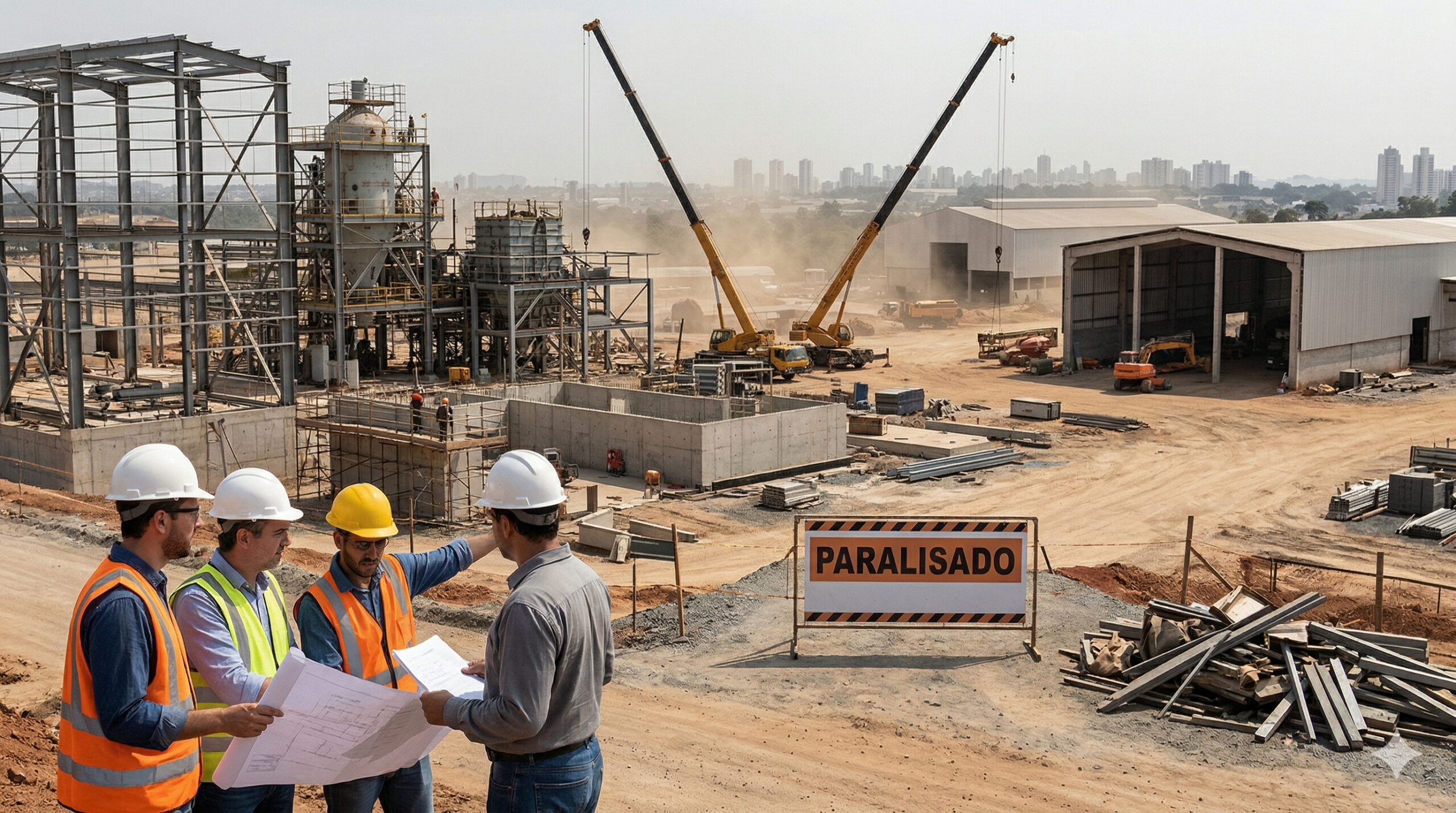
The lack of welders, electricians, and operators becomes a structural threat in 2025, with the construction industry and manufacturing already suffering from delays, cost pressures, and labor shortages in Brazil.
-
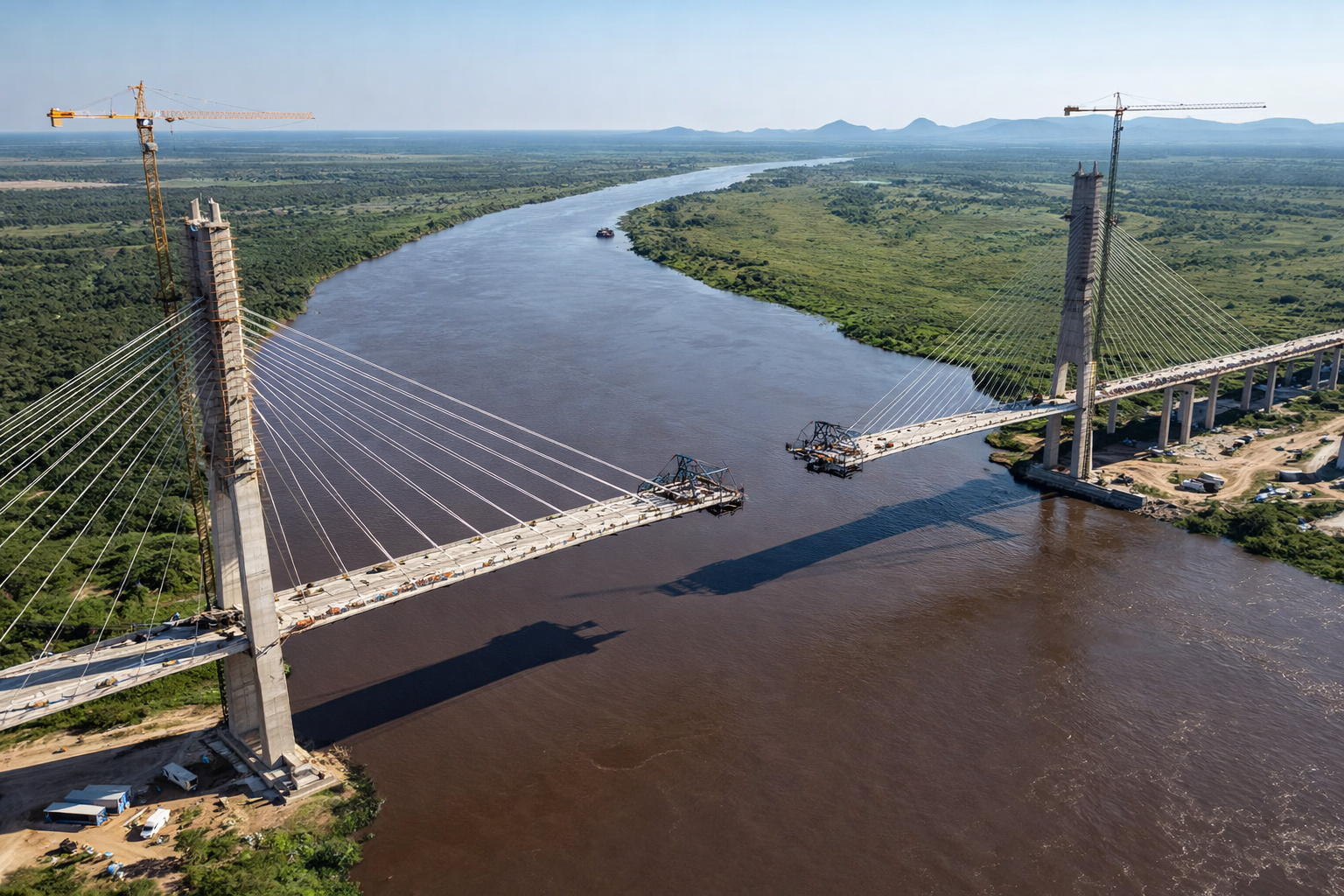
Brazil and Paraguay are just 46 meters away from a historic union on the bioceanic bridge that promises to revolutionize trade between the Atlantic and the Pacific.
-
With 55 km over the sea, a cost of US$ 20 billion, and enough steel to build 60 Eiffel Towers, China’s largest project has connected Hong Kong, Zhuhai, and Macau in a colossal bridge that defies the logic of engineering.

-
A trick with joint compound transforms a Styrofoam ceiling into a plaster-like ceiling: leveled panels, wires and mesh at the joints, sand, paint, and change the environment while spending little today.


The country is often described as one that “exports water” by supplying urban and industrial centers in South Africa through an arrangement built with dams, tunnels, and intergovernmental agreements.
The new phase focuses on construction in mountainous terrain, with large construction sites, heavy logistics, and direct effects on rural communities in isolated areas.
Polihali Dam and the Scale of Phase II of the LHWP
The Lesotho Highlands Development Authority (LHDA), which implements the project in the country, describes Polihali as a rock-fill dam with a concrete face, known by the acronym CFRD in English.
In this model, compacted layers of rock form the main body, while a concrete slab serves as a waterproofing barrier.
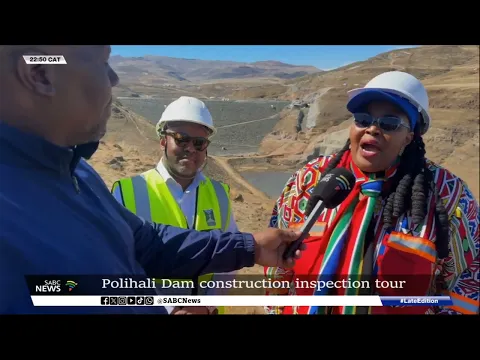

The disclosed plan for the structure predicts an extensive crest and a structure designed to withstand both storage and the operation of discharges and spillway.
The numbers associated with the project help explain why it is called “colossal” even by international standards.
The dam is presented in technical and sector documents with a reference height of around 166 meters, a crest around 921 meters long and approximately nine meters wide, in addition to a demand of around 14 million cubic meters of rock for the construction of the mass.
In the reservoir, the scale is also large.
The specifications mentioned for the planned lake indicate an area of about 5,053 hectares and a total capacity of around 2.325 billion cubic meters, an amount associated with the “maximum level” of the planned storage.
It is this additional volume that, in the project design, allows for an increase in the annual supply capacity downstream.
Polihali–Katse Tunnel and the Underground Link to the Existing System
More than the dam itself, the physical link of Phase II is the so-called Polihali–Katse tunnel.
The structure, with about 38 kilometers in length and a nominal diameter of around five meters, was designed to carry water by gravity from the new reservoir to the Katse Lake, which already integrates the backbone of the LHWP.
In practice, this means carving a subterranean corridor in rocky masses, alternating methods such as tunnel boring machines and drilling with blasting depending on geological conditions.
The arrangement includes water intakes, discharge structures, and submerged connections in the existing reservoir, in addition to accesses and auxiliary underground works.
On the other hand, the construction site is not limited to underground: the LHDA describes a package of “advanced infrastructure” necessary before the main blocks move forward, including roads, power lines, telecommunications, workshops, offices, and accommodations.
In projects of this nature, works that do not appear in the final photograph often determine the pace of the schedule.
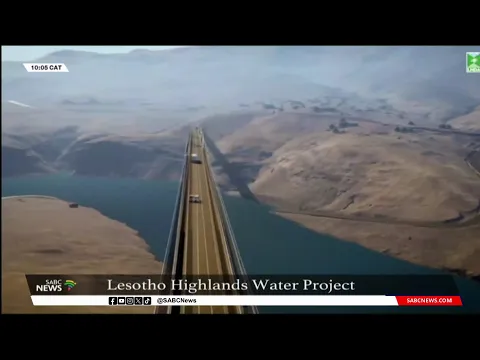
Bridges and road adaptations are part of the planning to keep routes functional when the valley starts to transform into a lake, while electricity and communication need to reach distant construction sites to enable continuous operation.
Water Transfer Goals for Gauteng and Binational Governance
The LHWP is structured as a binational initiative between Lesotho and South Africa, with formal instruments for governance, operation, and compensation.
In Phase II, the declared goal is to increase the annual water transfer capacity from the current level to a higher ceiling, progressively adjusted according to agreements between the governments.
Documents from institutions involved in the financing and official South African materials cite the increase of annual capacity from 780 million to about 1.27 billion cubic meters per year.
In this design, Polihali has a specific role: to add storage and allow the extra supply to be sustained in the integrated system that feeds the Gauteng region, where Johannesburg and Pretoria are located and where part of the industrial and urban consumption of the neighboring country is concentrated.
In statements and reports, there is also a reference to an increase of approximately 490 million cubic meters per year to the available flow for the South African system when the phase is completed.
Still, the project is not presented merely as “selling” water.
Official documents emphasize that the increased flow may also relate to energy generation in Lesotho, by expanding operational possibilities of the hydropower arrangements associated with the system.
However, public descriptions indicate that energy components in Phase II underwent studies and adjustments throughout the planning, which influences how and when electricity integrates into the package of works.
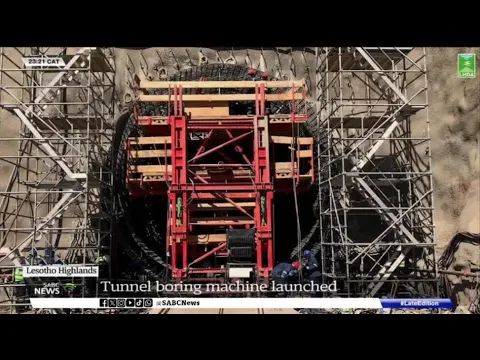
Resettlement, Compensation, and Impacts in the Valley That Will Become a Reservoir
The social impact appears as an inevitable part of the endeavor because the formation of the reservoir requires the permanent flooding of areas currently used for housing, cultivation, and grazing.
This effect falls on rural communities in remote regions, with changes in access to land and local resources.
Socio-environmental assessment materials associated with the project record that resettlement and compensation are part of the obligations, with programs to address asset loss, displacements, and reorganization of livelihoods.
At the same time, the scale of the lake and the complexity of the tunnel increase the sensitivity of the schedule.
Any delay in a critical step tends to have a cascading effect because the system relies on fine integration between the dam, underground excavation, and supporting works.
This adds to the requirement for political coordination: water crosses borders, serves downstream economic and urban interests, and, at the same time, imposes direct costs to the territory of origin.
If Lesotho is building a rare strategy by “exporting” water, Phase II of the LHWP raises the decision to a larger scale: how to ensure regional supply and fiscal gains without turning the valley that will be flooded into a permanent social liability for future generations?








Caros amigos : Lesotho poderá aproveitar áreas alagadas para criar peixes de águas frias como trutas salmonadas, salmões etc visando tanto o abastecimento doméstico qto a exportações para a África do Sul (aproveitando que está dentro da África do Sul).