





 Portuguese
  English
  Spanish
  6 min of reading
  1 comment


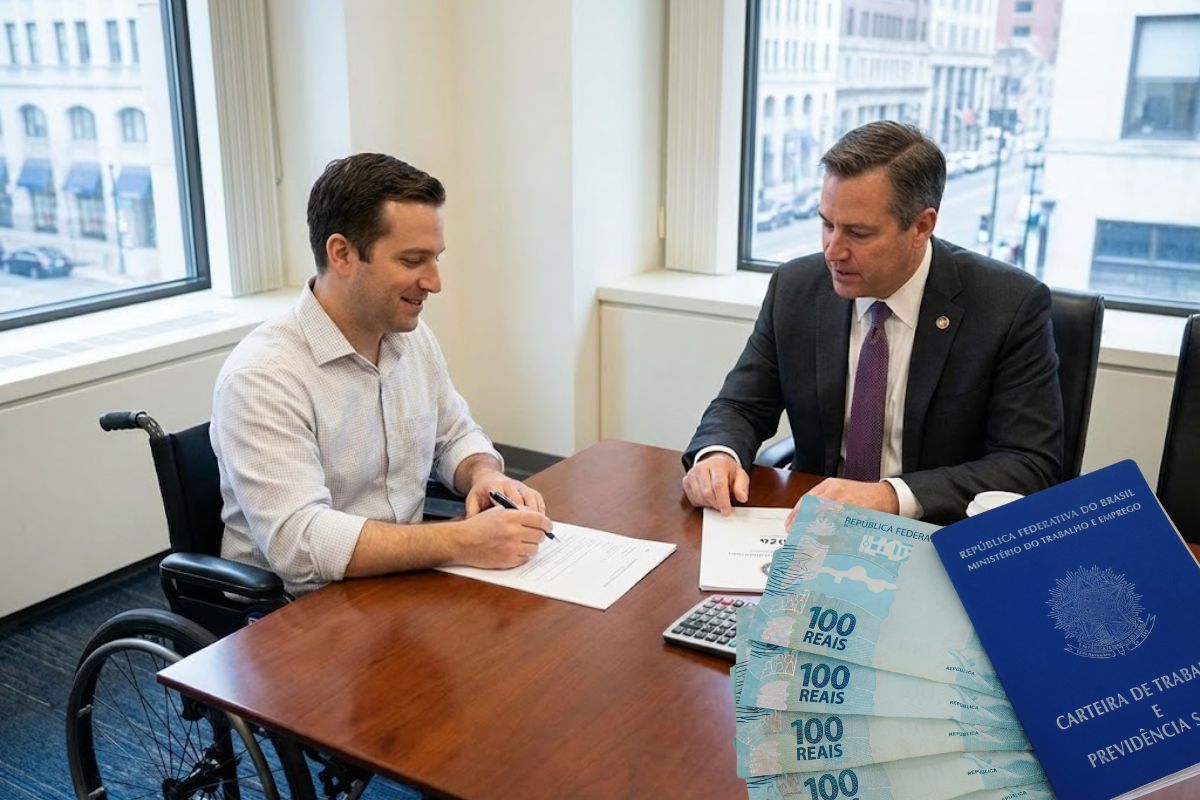


In 2026, the Increase of 25% in the Permanent Disability Pension Will Be Recognized When There Is Permanent Dependence on Others, Proven by Medical Examination and Updated Reports in My INSS, with Functional Status Analysis, Possibility of Exceeding the Social Security Ceiling, and Periodic Reviews by Convening According to Rules Defined by Social Security.
The government confirmed the conditions for the 25% increase in INSS in 2026, aimed at retirees on permanent disability pension who depend on constant help for simple daily tasks, such as hygiene, mobility, and feeding. The additional amount is still scheduled for 2026 and is presented as extra protection for those facing significant functional limitations and requiring frequent assistance from another person.
The 25% increase is linked to the disability benefit, requires medical examination and recent documentation in My INSS, can be applied even when the final amount exceeds the social security ceiling, and allows for periodic reviews and convocations to reassess the conditions that justified the additional amount.
What Is the 25% Increase and When Does It Apply in 2026
The 25% increase is an amount applied on top of the already paid value of the permanent disability pension when the insured demonstrates permanent dependence on others for daily basic activities.
-
BRICS is building its own payment system that could be operational by 2030, and experts say it could increase trade between the countries by up to 10% per year and add 3% to the GDP of each member of the bloc.

-
Government suspends over 3 million traffic fines in Brazil and drivers breathe a sigh of relief.

-
Iran has just approved toll charges for ships in the Strait of Hormuz and has completely prohibited the passage of vessels from the United States and Israel in the world’s most important maritime route for the global energy market.

-
Government cancels R$ 25 million “celebration” for Brasília’s anniversary and allocates funds to health.


The rule focuses on functional limitation and the real need for frequent assistance, especially when the person cannot carry out basic tasks safely without help.
The practical reference of INSS for this scenario includes difficulties in getting out of bed, dressing, feeding, maintaining hygiene, and moving around.
When this dependence is permanent, it is understood that there is justification for financial supplementation, provided that the situation is confirmed by medical examination.
In 2026, the 25% increase remains a directed additional benefit, rather than an automatic increase. The decision depends on the demonstration of dependence and consistency between reports, recent tests, and functional assessment.
Who Can Receive the 25% Increase and Which Pensions Do Not Have Automatic Right
The additional is restricted to those who already receive permanent disability pension, which is mentioned as the former benefit known as pension for disability.
This means that the entry point is being retired due to permanent disability and then demonstrating that assistance from others is essential in daily life.
Other types of pensions, such as retirement by age or years of contribution, do not automatically qualify for the 25% increase, even if there are significant limitations.
The distinction is objective: the 25% increase is linked to the permanent disability pension.
To reduce expectations errors, the central point is to separate the steps. First, the granting of the permanent disability pension.
Then, the specific analysis of the need for third-party assistance for the 25% increase, supported by documentation and medical examination.
Situations in Which the Need for Continuous Help Is Presumed by INSS
INSS lists situations in which the need for continuous help is presumed due to representing intense limitations to daily life.
In these cases, the dependence on others tends to be permanent, especially when the person is unable to perform basic tasks securely without assistance.
The indicated situations include:
• Total blindness, with complete loss of vision
• Loss of nine or more fingers from the hands
• Paralysis of both arms or both legs
• Loss of both legs without the possibility of using a functional prosthesis
• Loss of one hand and both feet, even if a prosthesis is possible
• Simultaneous loss of one arm and one leg, without the feasibility of an adequate prosthesis
• Severe mental impairment, with damage to social and daily life activities
• Diseases that leave the person bedridden or completely dependent for routine tasks
Even when the need is presumed, validation occurs through medical examination. The analysis considers documents, recent tests, and the functional status of the insured at the time of evaluation.
Requirements Cited to Obtain the Permanent Disability Pension
To obtain the permanent disability pension, it is generally necessary to meet a minimum contribution period of 12 contributions, maintain insured status, and be deemed totally and permanently incapable of work.
Exceptions to the contribution requirement are also mentioned for serious illnesses recognized based on recent reports and medical records, including examples cited such as certain types of cancer, multiple sclerosis, Parkinson’s disease, HIV/AIDS, and blindness.
Furthermore, operational conditions associated with the analysis arise:
• To have contributed for the required period, unless the law waives the contribution requirement
• Not to be receiving benefits that prevent the granting of the permanent disability pension
• To present exams, reports, and certificates that demonstrate total incapacity for work
• To prove, in the examination, that depends on others for basic daily activities
For the 25% increase, the decisive element is the dependence on others in basic activities, supported by recent documents and confirmed in medical examination.
Reports in My INSS and the Proof of Dependence for Daily Tasks
At the time of requesting the 25% increase, it is considered essential to present updated reports, detailed medical summaries, complementary exams, and descriptions of the routine that demonstrate dependence on another person for daily activities.
The description of the routine is significant because it connects functional limitation to concrete tasks of hygiene, feeding, and mobility.
My INSS is cited as the channel for making the request online and for attaching the necessary documentation.
The consistency between reports, summaries, and complementary exams strengthens the request, especially when the need for daily assistance is permanent.
Medical Examination, Maintenance of the Allowance, and Possibility of Review by INSS
The medical examination is treated as the final verification moment, as it evaluates documents, recent exams, and the functional status of the insured at the time of the assessment.
The focus is to identify whether the dependence on others is permanent and whether it justifies the 25% increase.
The payment of the additional amount is maintained as long as the conditions that justified the granting persist.
INSS may summon the retiree for periodic examinations, and if there is improvement in the clinical picture or reduction in dependence on others, it may review the benefit and return the amount to the original level of the permanent disability pension.
Calculation of the Amount and Why It Can Exceed the Social Security Ceiling
In the described model, the permanent disability pension corresponds, in general, to 91% of the average contributions that make up the salary benefit, according to the current criteria of Social Security.
On this amount, the 25% increase is applied when the need for permanent assistance is recognized.
The 25% increase can be included even if the final amount exceeds the social security ceiling. The presented calculation follows a sequence:
• Calculation of the salary average that will serve as a basis for the benefit
• Application of the percentage provided for the permanent disability pension
• Verification of the right to the additional 25% based on the examination
• Inclusion of the increase on the already calculated amount, even if it exceeds the ceiling
• Periodic reviews, according to INSS’s convening
How to Request the 25% Increase in My INSS in 2026
The request for the 25% increase can be made digitally or in person.
Online, the request is made through the My INSS portal or app, in the specific option related to the 25% increase, or by scheduling an appointment at a Social Security agency for in-person assistance.
At the time of the request, it is indicated to present updated reports, detailed medical summaries, complementary exams, and descriptions of the routine that demonstrate dependence on another person for daily activities.
After the medical examination and evaluation of the documents, INSS will communicate whether the increase has been granted and when it will be paid in 2026.
The summarized step-by-step includes:
• Access to My INSS or scheduling at the agency
• Selection of the service related to the 25% increase for the permanent disability pension
• Attachment or presentation of recent and complete medical documents
• Completion of the medical examination when scheduled
• Monitoring the status of the request through INSS’s official channels
In 2026, the 25% increase is an additional benefit aimed at those who already receive permanent disability pension and need constant and permanent help for basic daily tasks, with confirmation by medical examination and support by recent reports in My INSS.
The additional may exceed the social security ceiling and is subject to convocations and reviews by INSS.
As a practical action, gather updated reports, detailed summaries, complementary exams, and an objective description of your routine, and formalize the request in My INSS, monitoring the scheduling of the medical examination and the progress of the process.
Have you already requested the 25% increase in My INSS for permanent disability pension and how was your medical examination?









Solicitei , recebi o perito em minha residência e o pedido foi negado.