





 Portuguese
  English
  Spanish
 4 min of reading
  0 comments


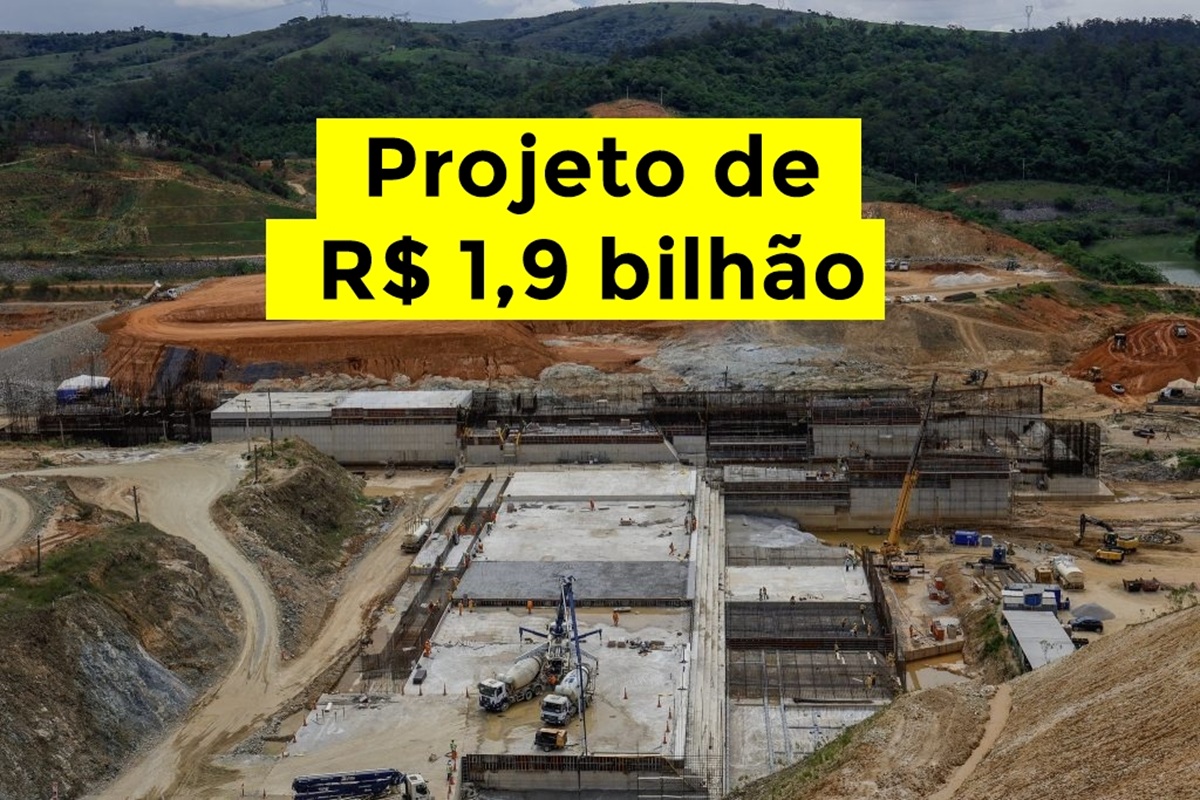
With Expected Investment of R$ 1.9 Billion, the Public-Private Partnership of the PCJ Water Supply System Integrates Three Segments, Connects the Pedreira and Duas Pontes Dams, Amounts to 85 Billion Liters of Storage and Projects Flow Gain of 9 Thousand Liters per Second for the Metropolitan Region of Campinas by 2026
The Government of São Paulo presented, this Thursday (18), advances in the PPP of the PCJ Water Supply System, valued at R$ 1.9 billion, aimed at water security for the Metropolitan Region of Campinas, with flow gains, integration with dams, and direct impact on regional supply.
The project of the Public-Private Partnership of the Regional Water Supply System was presented to the Development Council of the Metropolitan Region of Campinas, gathering mayors and representatives of about 15 cities in the basins of the Piracicaba, Capivari, and Jundiaí rivers.
The initiative is considered strategic for one of the regions with the highest water scarcity index in Brazil, a scenario associated with high population density and continuous pressure on existing supply systems.
-
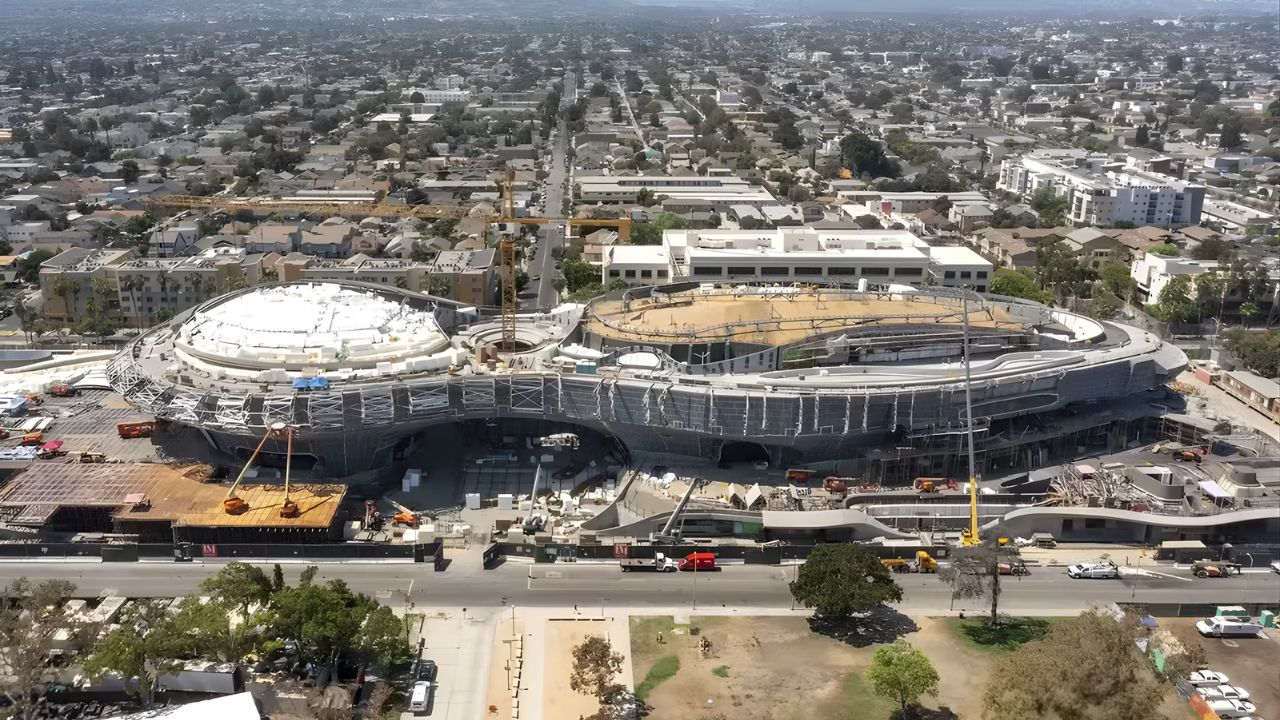
Created by George Lucas with over $1 billion, a futuristic museum in the shape of a spaceship with 1,500 curved panels is about to open in Los Angeles and will house one of the largest private collections of narrative art in the world.
-
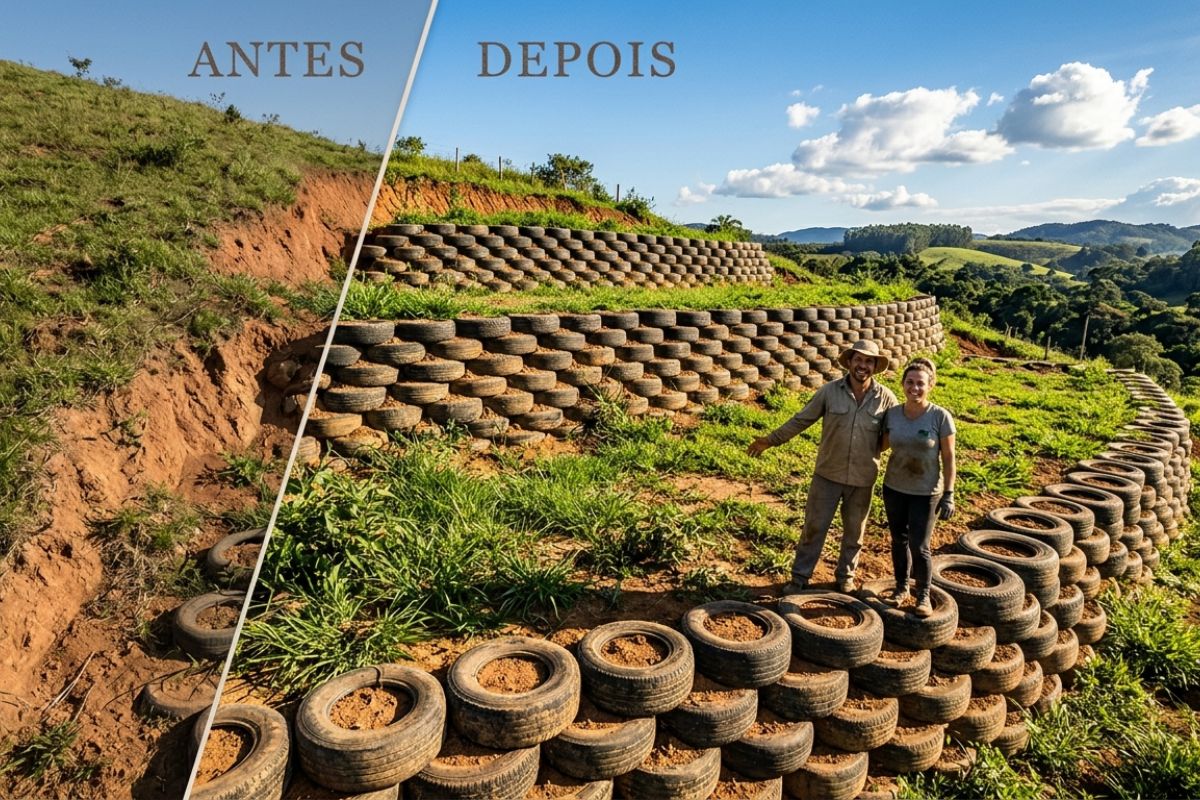
Couple shows how they built a retaining wall on their property using 400 old tires: sloped land turned into plateaus, tires are aligned, filled, and compacted with layers of soil, with grass helping in support and at almost zero cost.
-
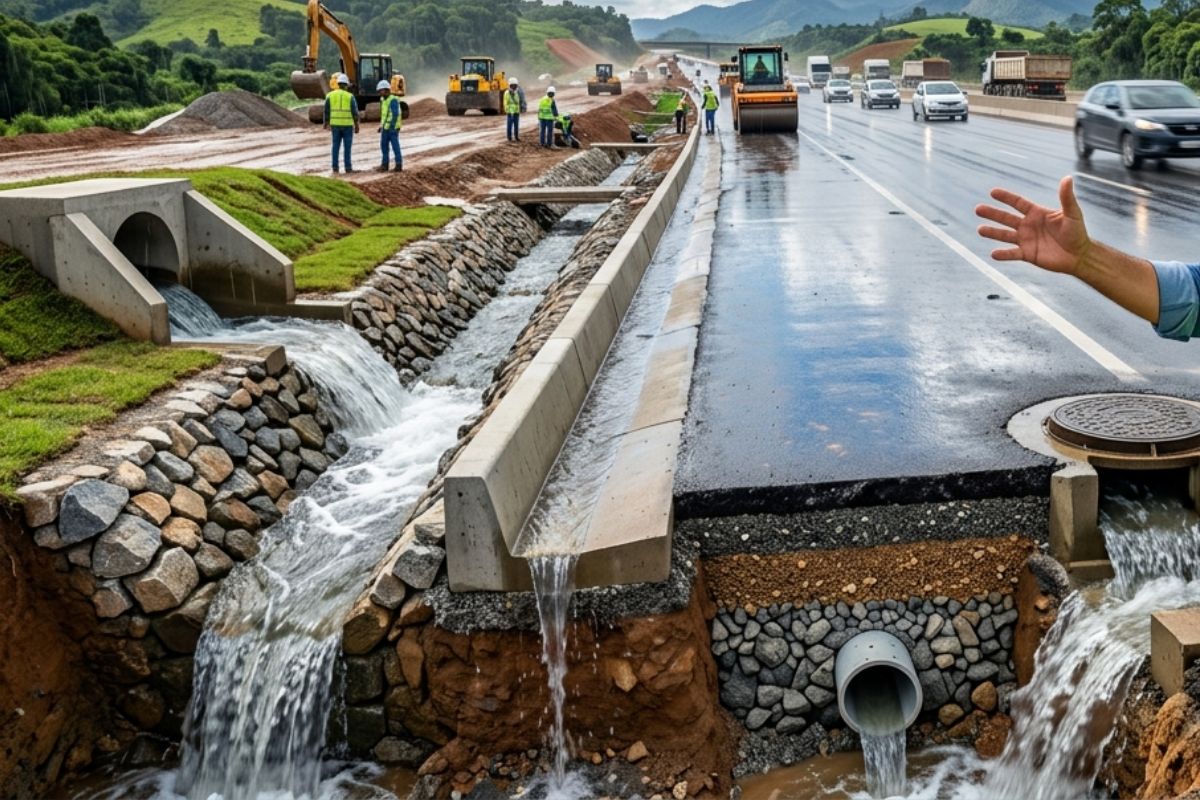
Engineer explains drainage during the rainy season: the difference between surface water and deep water, ditches, gutters, and water outlets on the road, as well as drains and drainage mattresses, to prevent erosion, aquaplaning, and flooding at the construction site today.
-
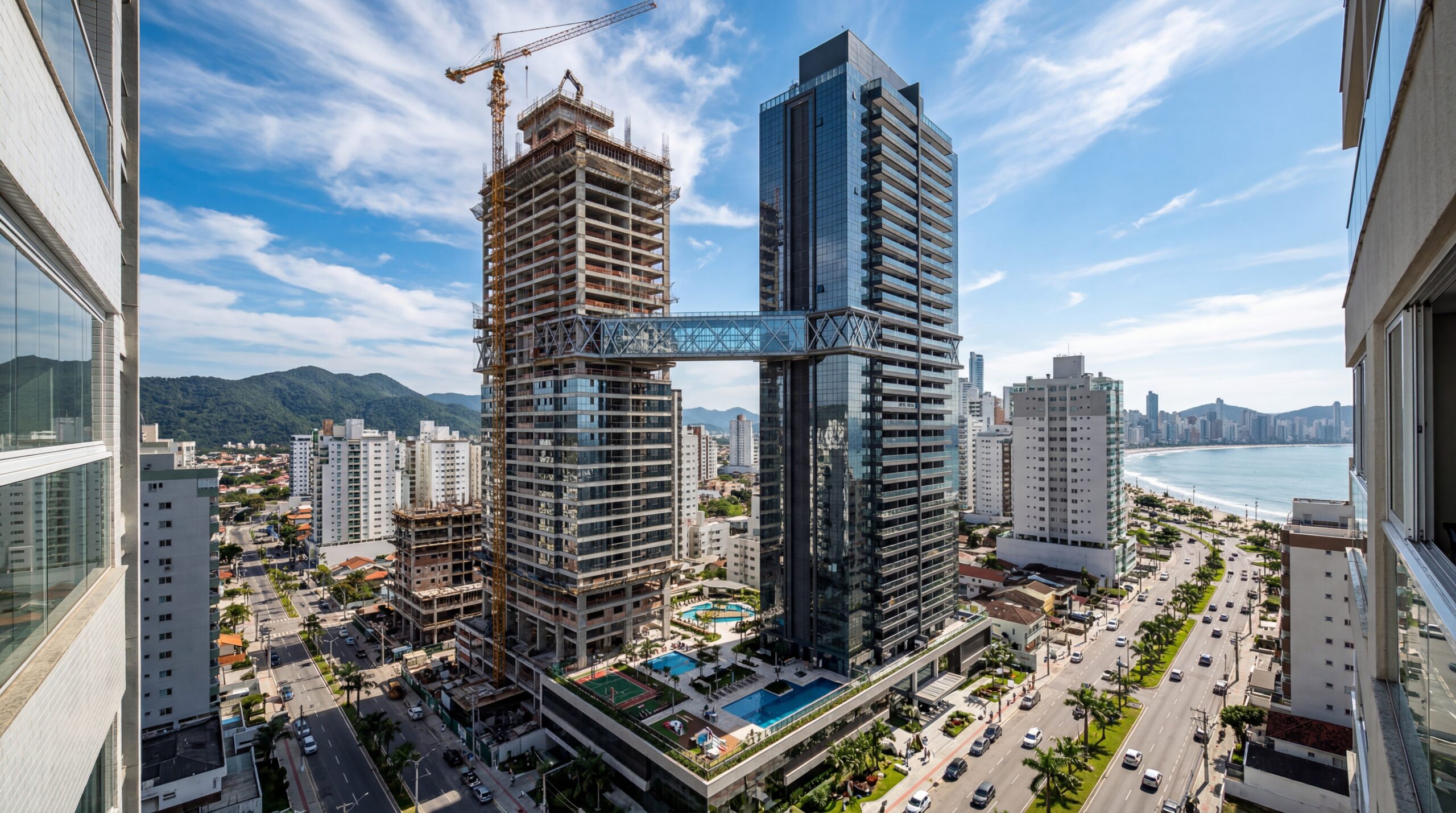
With 55 floors, 177 meters in height, a 15-meter walkway between the twin towers, ventilated facade, and 6,300 m² of leisure space, Ápice Towers already has one tower completed and another nearly at the top.

With an estimated value of R$ 1.9 billion, the PPP was designed to complement large ongoing water infrastructure works, expanding distribution capacity and the resilience of the regional system.
Integration with the Pedreira and Duas Pontes Dams
The PCJ Water Supply System will operate complementarily to the Pedreira and Duas Pontes dams, which have a total investment of R$ 1.6 billion and are scheduled for completion in the second half of 2026.
The two structures will have a combined storage capacity of 85 billion liters of water, with 32 billion at the Pedreira Dam, which will occupy an area of 420 hectares, and 53 billion at the Duas Pontes Dam, covering 880 hectares.
The combination of dams and pipelines aims to ensure greater regularity in water supply, allowing better management of stored volumes and reducing vulnerability during prolonged drought periods.
Structure of the System and Flow Gains
The project foresees the implementation of three segments called West, South-Central, and Central, in addition to a Water Treatment Unit on the Camanducaia River, aimed at phosphorus removal.
The unit will also play a significant role in improving the quality of distributed water, enhancing treatment standards and strengthening the sanitary safety of regional supply.
According to the Secretary of Environment, Infrastructure and Logistics, Natália Resende, the system will provide flow gains of approximately 9 thousand liters per second for the region.
“We are talking about a fundamental project to ensure water security in the basin areas of the Piracicaba, Capivari, and Jundiaí rivers,” said Natália Resende from the Secretary of Environment, Infrastructure, and Logistics.
She emphasized that the increase in flow impacts not only the supply for the population but also supports the demands for economic and urban growth in the metropolitan area.
PPP Modeling and Timeline
According to Natália Resende, the expectation is that the PPP auction will take place by the second half of next year, with the opening of the public consultation for the tender in the coming days.
In the adopted model, the concessionaire will be responsible for managing the infrastructures, adhering to the flow increases stipulated in the contract and the regulation of SP Águas.
The State Government will provide the necessary resources for the infrastructure investments through public compensation, ensuring financial viability for the project.
Contracts for water supply will be signed between the concessionaire and the municipalities, with an estimated value of R$ 0.10 per cubic meter, as presented during the meeting.
Tariff Benefits and Municipal Impact
One of the expected benefits is the zero water cost for cities participating in the UniversalizaSP program, an initiative by the Government of São Paulo aimed at increasing water resilience and universalizing sanitation.
Differentiated values are also predicted for municipalities that show low water loss rates and high sewage treatment percentages, encouraging good operational practices.
For the mayor of Campinas, Dario Saad, the model is strategic for a region severely affected by water scarcity in recent years.
“In the event of a water crisis, it reduces our dependence on Cantareira,” said Dario Saad, mayor of Campinas, commenting on the expected effects of the new system.
He advocated for active participation of the municipalities in the public consultation, to define the best model for water operation and distribution in the region.
Advances in the Integra Resíduos Program
During the same meeting, Natália Resende also presented the evolution of the Integra Resíduos program, aimed at supporting municipalities in the disposal and utilization of solid waste.
Currently, 14 municipalities in the Metropolitan Region of Campinas have joined the program, which is in the phase of diagnosing the regional characteristics and specific needs of each city.
The forecast presented is for the Integra Resíduos auctions to take place in the second half of next year, expanding the scope of regional partnerships in environmental infrastructure.
With information from Agência SP.








-

Uma pessoa reagiu a isso.