





 English
  Francês
  Alemão
  Italiano
  Japonês
  Norueguês
  Portuguese
  Spanish
 5 min of reading
  0 comments


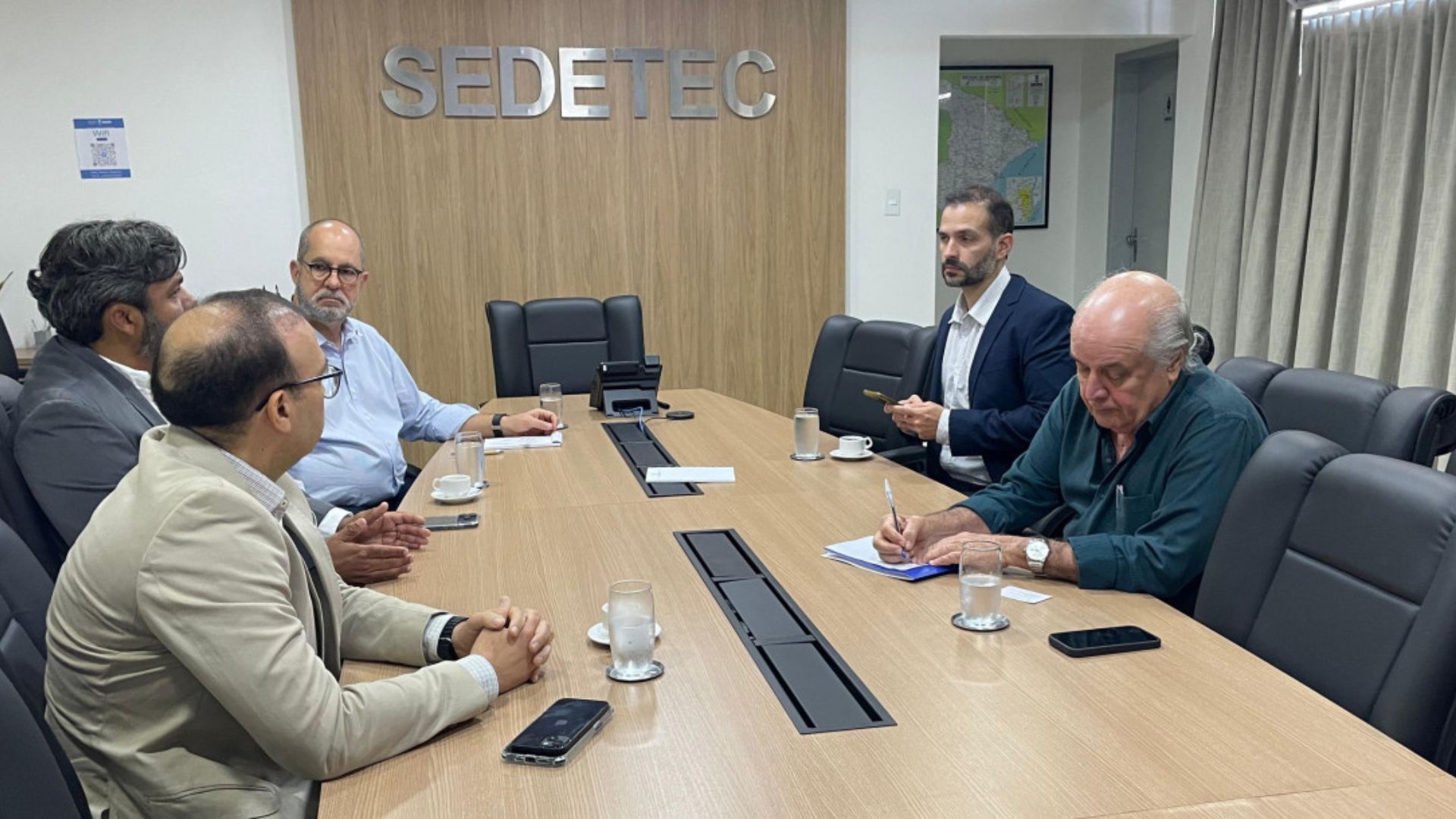
Meeting Between The Government Of Sergipe And Petrobras Evaluates Logistical Infrastructure, TMIB Capacity, And Opportunities Related To Sergipe Deep Waters, With Direct Impacts On The Economy And State Development
On December 18, 2025, the Government of Sergipe and Petrobras held a strategic meeting to discuss the state’s port infrastructure, highlighting the expansion of TMIB, the advancement of the Sergipe Deep Waters project, and other actions aimed at strengthening the Economy and logistical and industrial operations in Sergipe territory.
The meeting took place at the Department of Economic Development and Science and Technology (Sedetec) and brought together state managers and executives from Petrobras, demonstrating institutional alignment between the government and the state-owned company. The main focus was to evaluate the structural capacity of the Inácio Barbosa Maritime Terminal and identify opportunities to expand its strategic role.
Government Of Sergipe And Petrobras Discuss Strategies To Boost The Economy
From the outset, it was evident that the Government of Sergipe aims to position the state as a relevant hub in the logistical and industrial chain associated with offshore operations, leveraging existing assets and developing projects that directly impact the regional Economy.
-
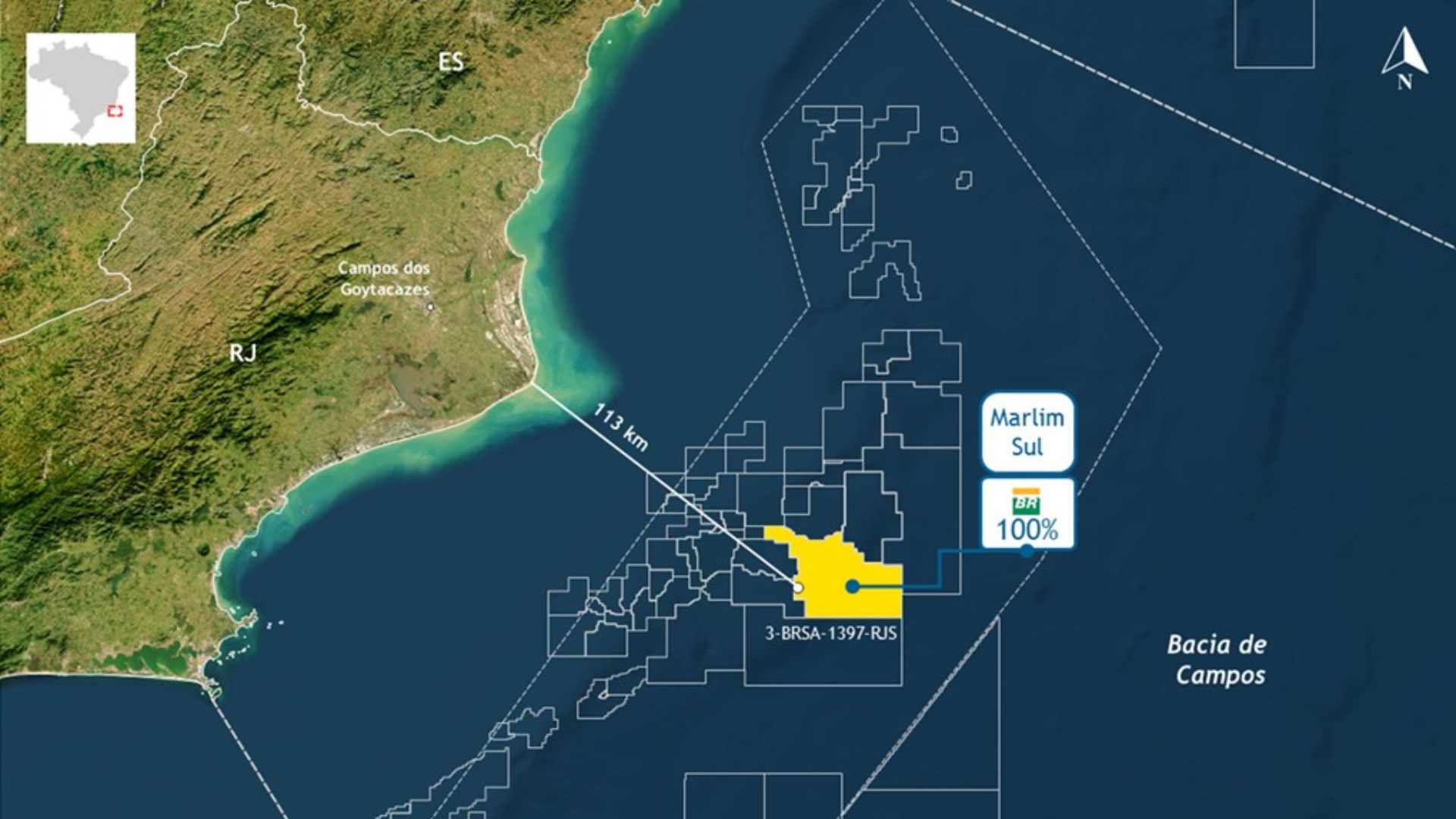
Petrobras announces new oil discovery in the pre-salt of the Campos Basin and reinforces Brazil’s prominence with high-quality reserves that can increase production and energy revenues.
-
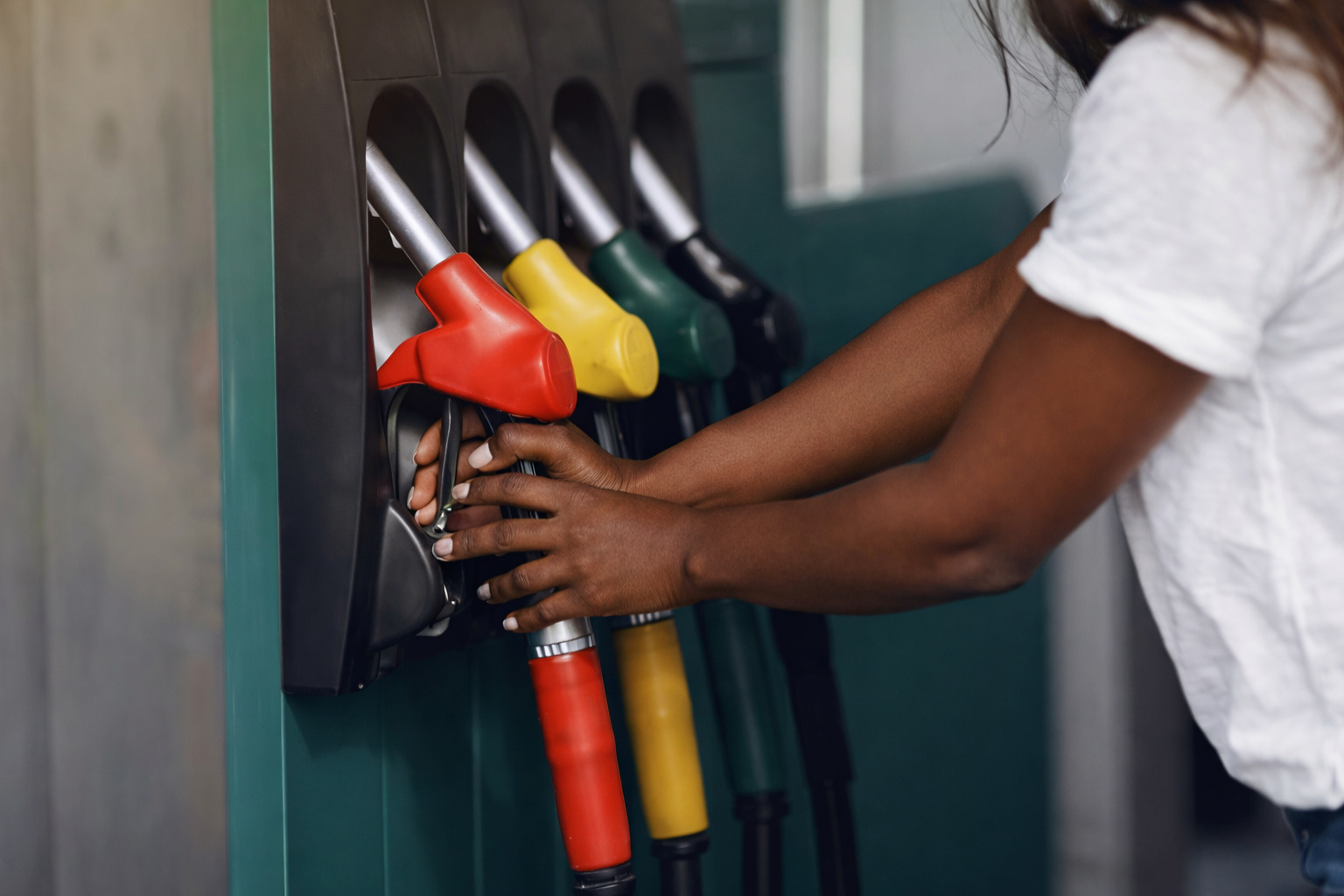
Alert in the fuel market: Analysts and a former director of ANP warn that oil prices may worsen in the coming months due to global instability.
-
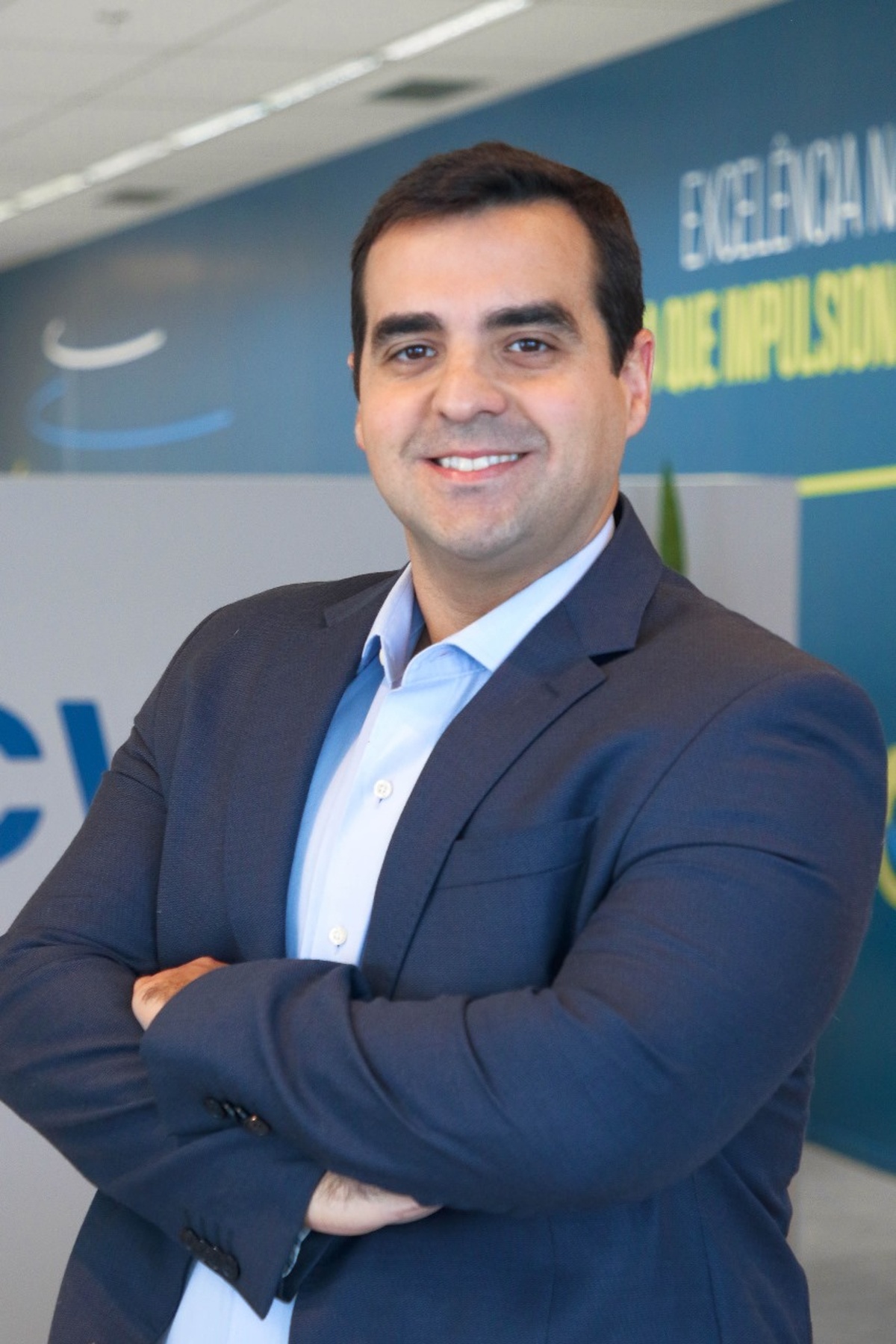
Ocyan brings executives and digital solutions to Macaé Energy 2026 and highlights offshore expansion with Nexio and a new base in Macaé.
-
Petrobras advances 4.6% with rising oil prices and the dollar, reigniting the debate on macro risks, pricing policy, and fiscal impact in Brazil.

Representing Petrobras, the meeting included the Infrastructure and Master Plan Manager, Renan Maziero; the General Manager of Decommissioning Asset Management, Harlen Dantas; the Logistics and Remote Operations Manager, Fabiano Prata; and the Executive Logistics Manager of E&P, Vaney Nascimento.
On the side of the Government of Sergipe, Sedetec presented an integrated development vision, emphasizing the importance of port infrastructure for attracting investments and strengthening the state Economy. The proposal is to consolidate Sergipe as a logistical and operational support base for energy projects, with direct impacts on job and income generation.
The partnership with Petrobras is seen as strategic, especially given the growth of offshore operations in the Northeast and the need for port structures capable of meeting complex long-term demands.
TMIB As A Strategic Asset For The Government Of Sergipe And Petrobras
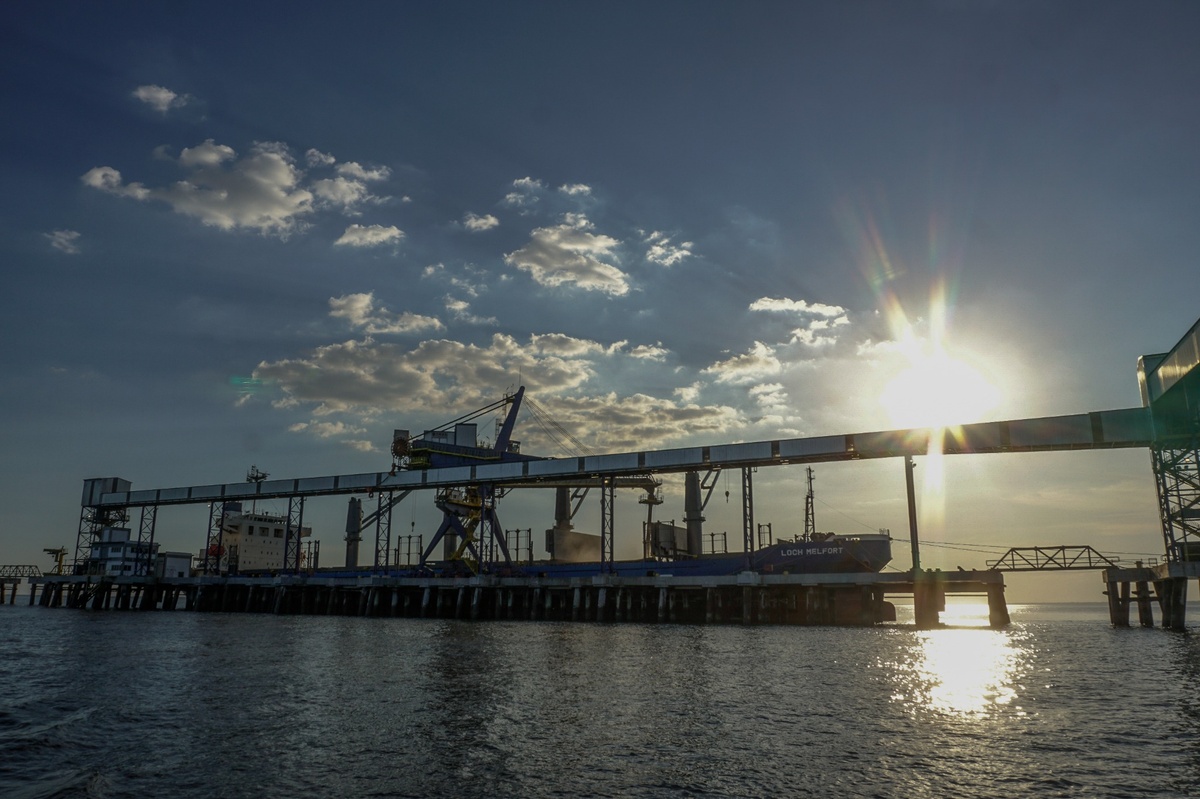
The TMIB was at the center of discussions as the state’s main logistical asset. Currently used in Petrobras maritime operations, the terminal shows potential for expansion and diversification of services, provided it receives adequate investments and integrated planning.
The Government of Sergipe expressed interest in concentrating a significant portion of commissioning activities related to the arrival of the Sergipe Deep Waters project in the state. Additionally, the state also demonstrated willingness to support decommissioning actions for offshore platforms.
The expansion of TMIB is considered essential to enable these operations, making the terminal more competitive and prepared to meet the technical demands of the oil and gas sector, with positive reflections on the local Economy.
Sergipe Deep Waters Expands Opportunities For Port Infrastructure
The Sergipe Deep Waters project was highlighted as one of the main vectors of development discussed in the meeting. The initiative demands a robust logistical structure to support maritime operations, transport equipment, and maintenance activities.
According to the Government of Sergipe, the geographical proximity of the state to the project area represents a relevant competitive advantage. The existence of TMIB reinforces this strategic position, creating favorable conditions for Sergipe to concentrate important stages of the operational chain.
By integrating the Sergipe Deep Waters project with the existing port infrastructure, the state enhances its relevance in the national energy sector, with direct impacts on the Economy and regional development.
Government Bets On The Restart Of The Sergipe Shipyard
During the meeting, the Executive Secretary of Sedetec, Marcelo Menezes, presented complementary alternatives to strengthen operations linked to Petrobras. Among them, he highlighted the restart of the shipyard located in the municipality of Santo Amaro das Brotas.
The space is being revitalized by SG Indústria e Comércio Naval and will be called Sergipe Shipyard. With the support of the Government of Sergipe, the structure will be able to produce vessels, industrial parts, and conduct naval repairs.
Furthermore, the shipyard has the potential to meet decommissioning demands for platforms and the Sergipe Deep Waters project, creating direct synergy with TMIB and amplifying the positive impact on the state Economy.
Petrobras Evaluates Positive Impact On Supplier Chain And TMIB
Petrobras positively assessed the initiatives presented by the Government of Sergipe. According to Renan Maziero, strengthening local infrastructure directly contributes to the efficiency of the company’s supplier chain.
According to the executive, large projects require structured support bases, maintenance teams, and specialized suppliers. In this context, collaboration with the state enhances the attractiveness of TMIB and reduces logistical costs.
Maziero emphasized that, in partnership with operator VLI, the terminal can prospect new businesses, increasing Petrobras investment returns and sustainably strengthening the regional Economy.
Decommissioning Of Platforms And Strengthening The Regional Economy
Another point raised was the decommissioning of platforms located off the Brazilian coast, a process already underway that is expected to scale in the coming years. Petrobras highlighted that these operations require adequate infrastructure and long-term planning.
In this scenario, the Government of Sergipe sees the expansion of TMIB and the restart of the shipyard as strategic solutions. The existence of a local support base makes the services more competitive and efficient, benefiting both the state company and the state’s Economy.
The integration of port infrastructure, shipyard, and offshore projects creates a favorable environment for sustainable growth and economic diversification.
Port Infrastructure As A Vector Of Development In Sergipe
The meeting reinforced that investments in port infrastructure go beyond the operations of Petrobras. Strengthening TMIB directly impacts sectors such as transport, shipbuilding, technical services, and commerce.
For the Government of Sergipe, the development strategy involves enhancing logistical assets and attracting structuring projects. The partnership with Petrobras is viewed as essential to transform logistical potential into real economic growth.
By aligning planning, infrastructure, and institutional cooperation, Sergipe is advancing towards establishing itself as a competitive state, playing a significant role in the national energy landscape with lasting positive reflections for the Economy and the population.








Seja o primeiro a reagir!