





 Portuguese
  English
  Spanish
  4 min of reading
  0 comments


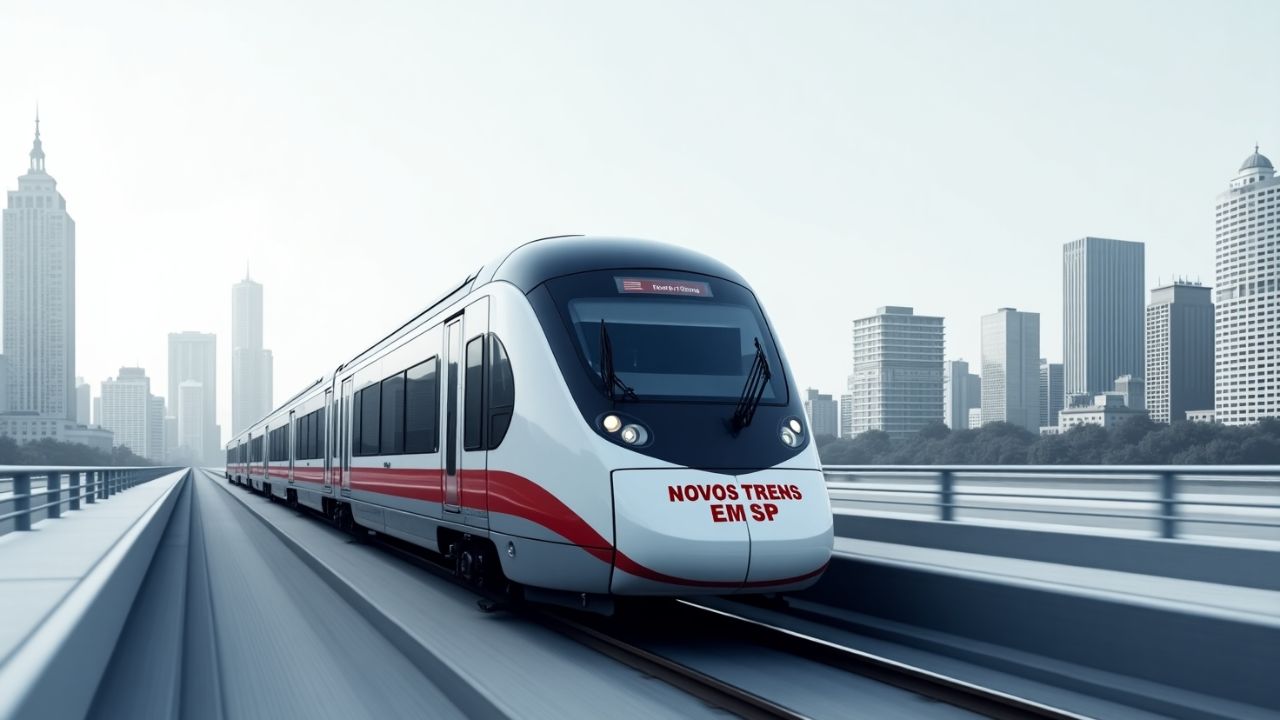
With Potential to Connect Various Strategic Regions of the State, the Projects Include Links Between São Paulo and Santos, Sorocaba, Marília, and Other Important Cities. In Total, the “SP nos Trilhos” Program Foresees Investments of Up to R$ 194 Billion, with an Expansion of Over 1,000 km to the State’s Railway Network and New Trains.
The government of São Paulo, led by Tarcísio de Freitas, plans to significantly expand its state railway network through the creation of seven new Intercity Train (TIC) routes. The information was released by the specialized portal Metrô CPTM, highlighting that these projects complement the four railway axes already under development in the state.
With a focus on improving urban and regional mobility, these new routes aim to provide more efficient and sustainable alternatives to road transport, reducing congestion and improving the quality of life for the people of São Paulo. The plan is part of the ambitious state program “SP nos Trilhos,” which foresees total investments that can reach R$ 194 billion in railway expansion, according to data from Agência SP.
Details of the New Routes Under Study by the State Government
According to information released by the Metrô CPTM portal, the seven new trains planned include strategic links between important cities in São Paulo. Among the routes under analysis are: Campinas to Araraquara, passing through Sumaré, Limeira, Rio Claro, and São Carlos; São José dos Campos to Taubaté in the Paraíba Valley; and the route between Santos and Cajati, benefiting cities such as Itanhaém, Peruíbe, Juquiá, and Registro.
-
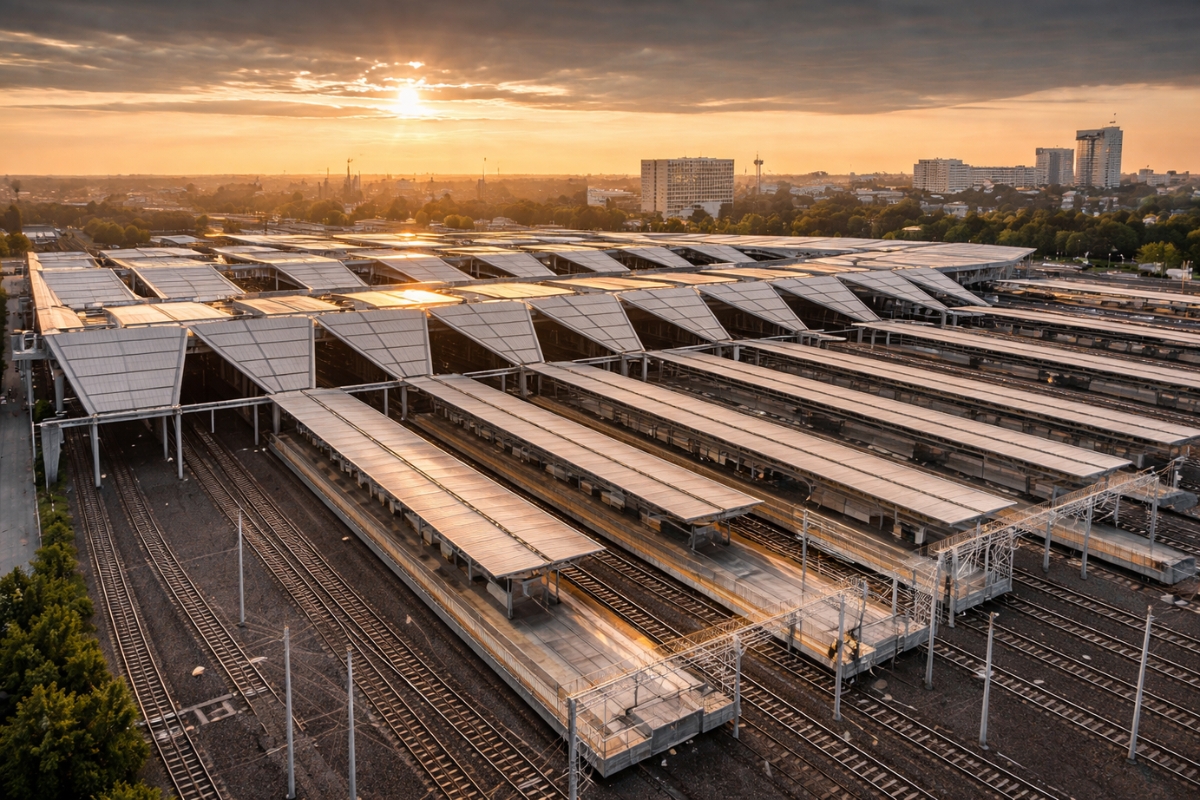
In A European City, The Country’s Largest Railway Junction Was Modernized Without Closing Its Doors, Kept Trains Running During Years Of Construction, Now Serves Up To 60,000 Passengers Per Day, And Installed Solar Panels That Generate About 30% Of Its Energy
-
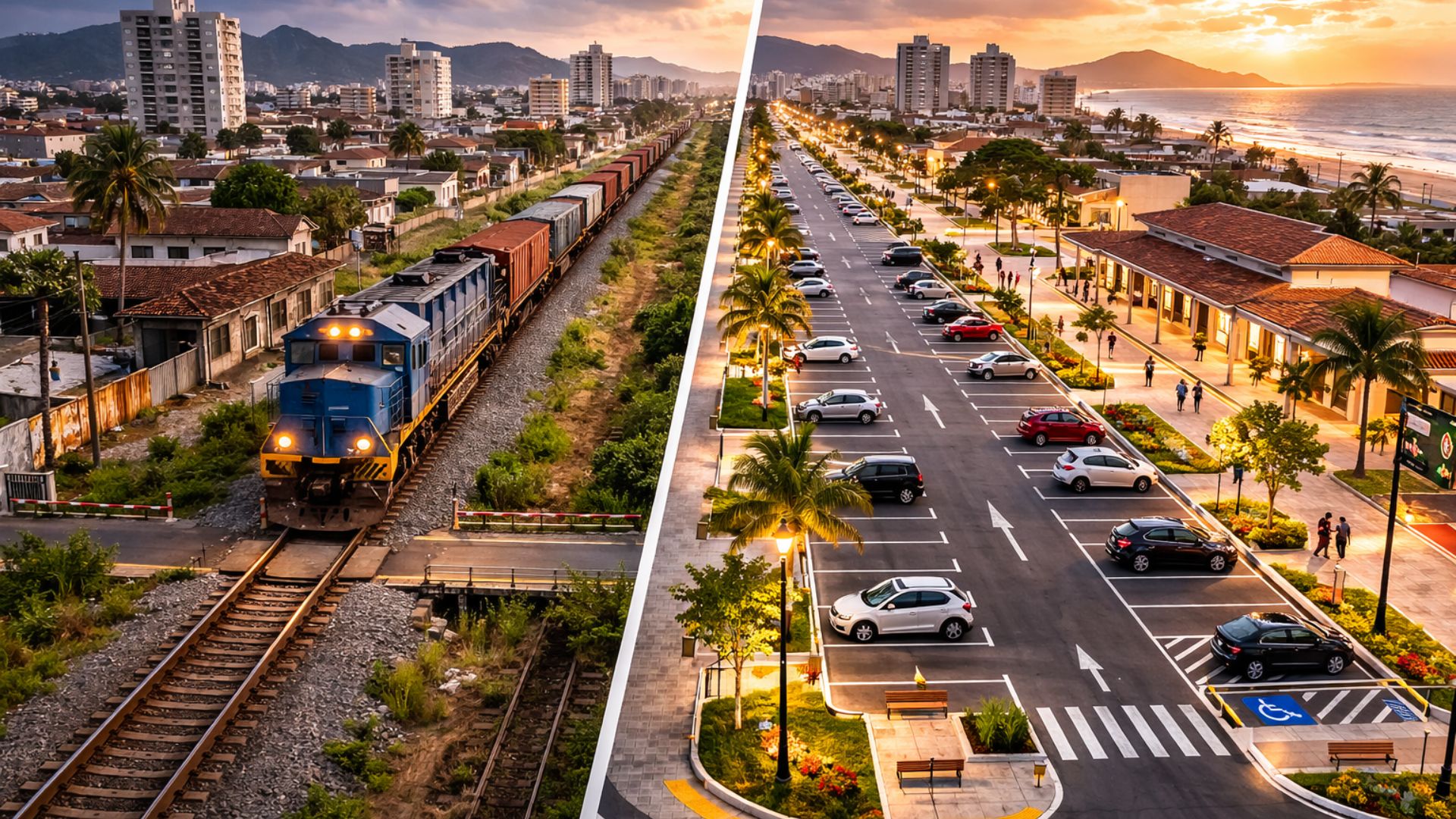
Famous Brazilian Railway May Become a Parking Lot
-
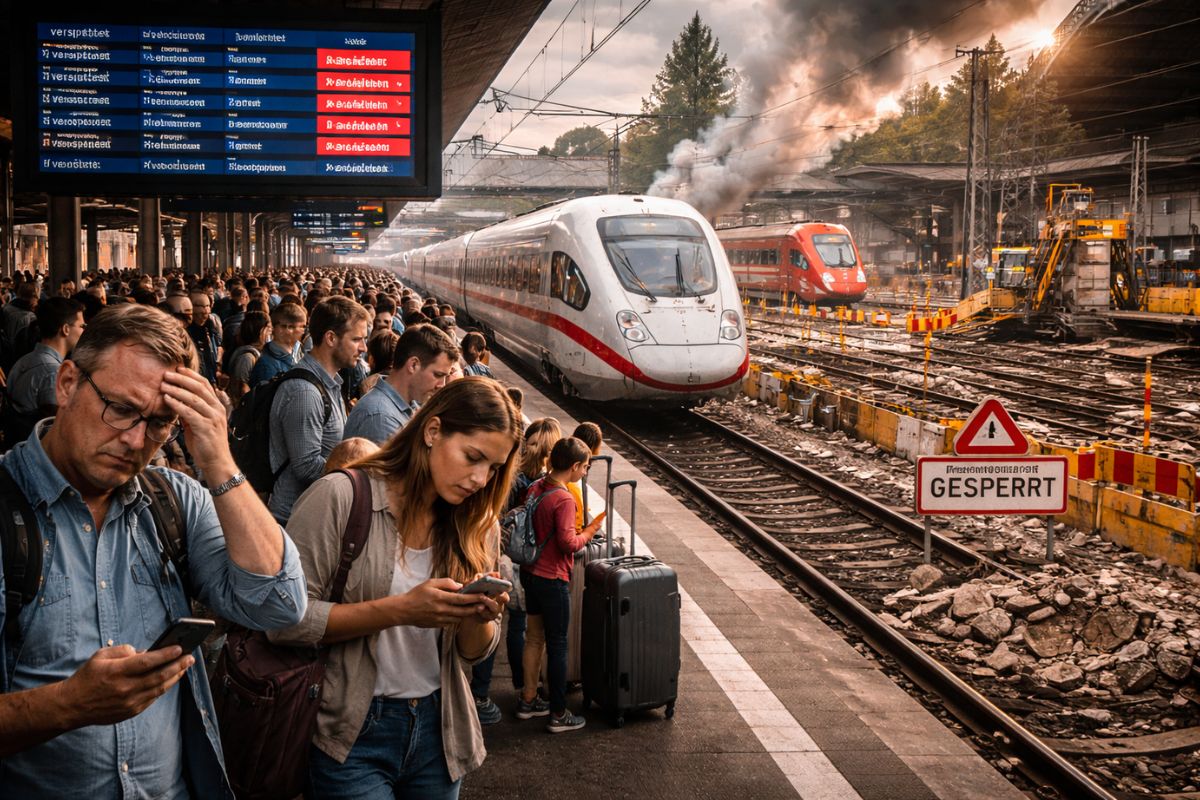
The Country of “Punctual As a Train” Admits It Has Lost Control: High-Speed Trains Delay, Stop, Disappear from the Map and Turn 6-Hour Trips into 10, While Deutsche Bahn Promises Restructuring in 2026 But Faces 19th Century Infrastructure, Staff Shortages and Sections Closed for Months
-
With an Investment of R$ 700 Million in One of the Country’s Main Rail Networks, VLI Reinforces Infrastructure, Receives 8 New Locomotives, and Expands the Corridor Connecting 7 States, Boosting Jobs and the Transportation of Grains, Ore, and Oil Products to the Port of Santos
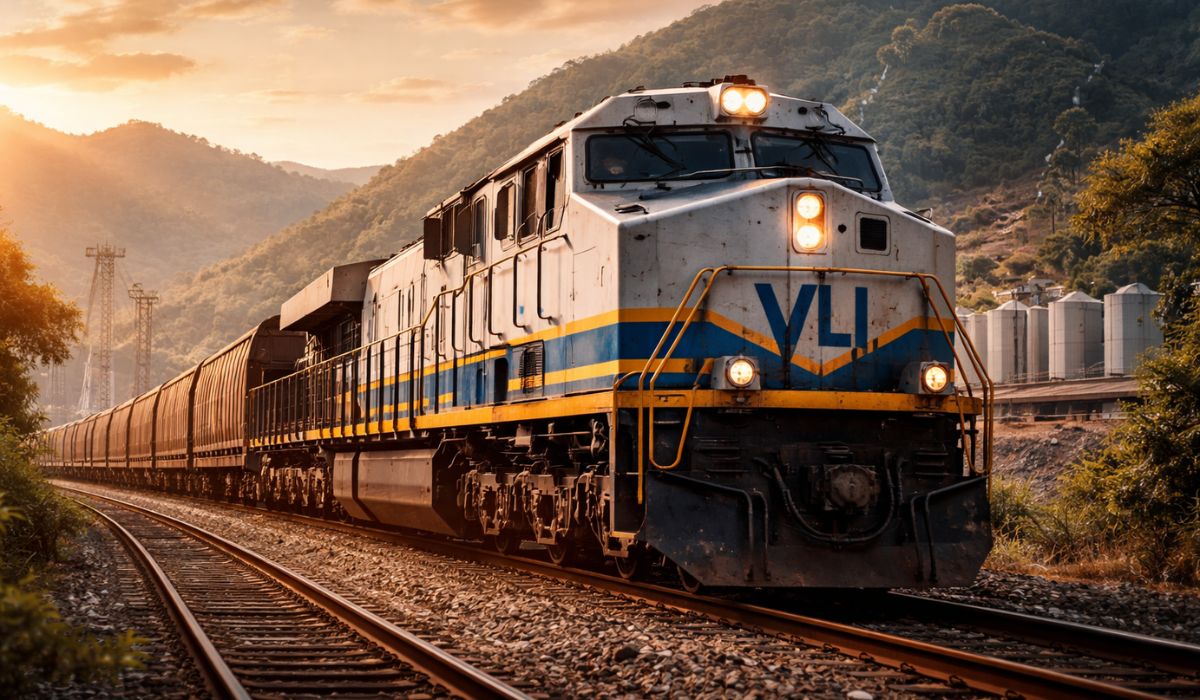

Another strategic axis is the route from Sorocaba to Marília, which will connect Botucatu and Bauru, utilizing the existing railway infrastructure, which is currently underutilized. Direct connections between the capital of São Paulo and cities such as Santos, São José dos Campos, and Sorocaba are also being evaluated. These routes are considered essential for regional economic development and improving the state’s logistics infrastructure.
Current Projects and Implementation Stage of the Four Main Axes for the New Trains
The São Paulo government is already working on implementing the four main railway axes announced earlier. The north axis (São Paulo–Campinas) is the most advanced, with a contract already signed with the TIC Trains concessionaire, whose operation is scheduled to begin by 2031, as detailed by the specialized site Metrô CPTM.
The west axis, which connects São Paulo to Sorocaba, is expected to have its concession process opened later this year. The other two axes, linking the capital of São Paulo to São José dos Campos (east axis) and Santos (south axis), are in the initial phase of technical studies, according to official information from the São Paulo government published by Agência SP.
Expected Economic and Social Impacts from the Railway Expansion
The state government expects that the expansion of the railway network, through Intercity Trains, will boost the regional economy, facilitating the movement of workers, students, and tourists, as well as reducing logistical costs for companies. Governor Tarcísio de Freitas stated in an interview with Agência SP that these investments have the potential to generate thousands of direct and indirect jobs during the construction and operation phases of the railways.
The initiative is also seen as strategic for easing traffic on São Paulo’s highways, providing a more sustainable, fast, and safe option for the population. The new trains should also contribute to reducing greenhouse gas emissions, aligning with global best practices for sustainable urban mobility.
Recent History of Railway Transport in São Paulo and Future Perspectives
São Paulo is experiencing a historic moment with the resumption of investments in these new trains, after decades of prioritizing highways. The program “SP nos Trilhos,” launched by Tarcísio de Freitas at the beginning of his administration, signals a significant change in how public and intermunicipal transport is planned in the state.
According to the specialized portal Metrô CPTM, the expectation is that, with the completion of these railway projects, the state of São Paulo will expand its network by over 1,000 km, consolidating itself as a national reference in mobility and railway infrastructure.









-

Uma pessoa reagiu a isso.