





 Portuguese
  English
  Spanish
  3 min of reading
  0 comments


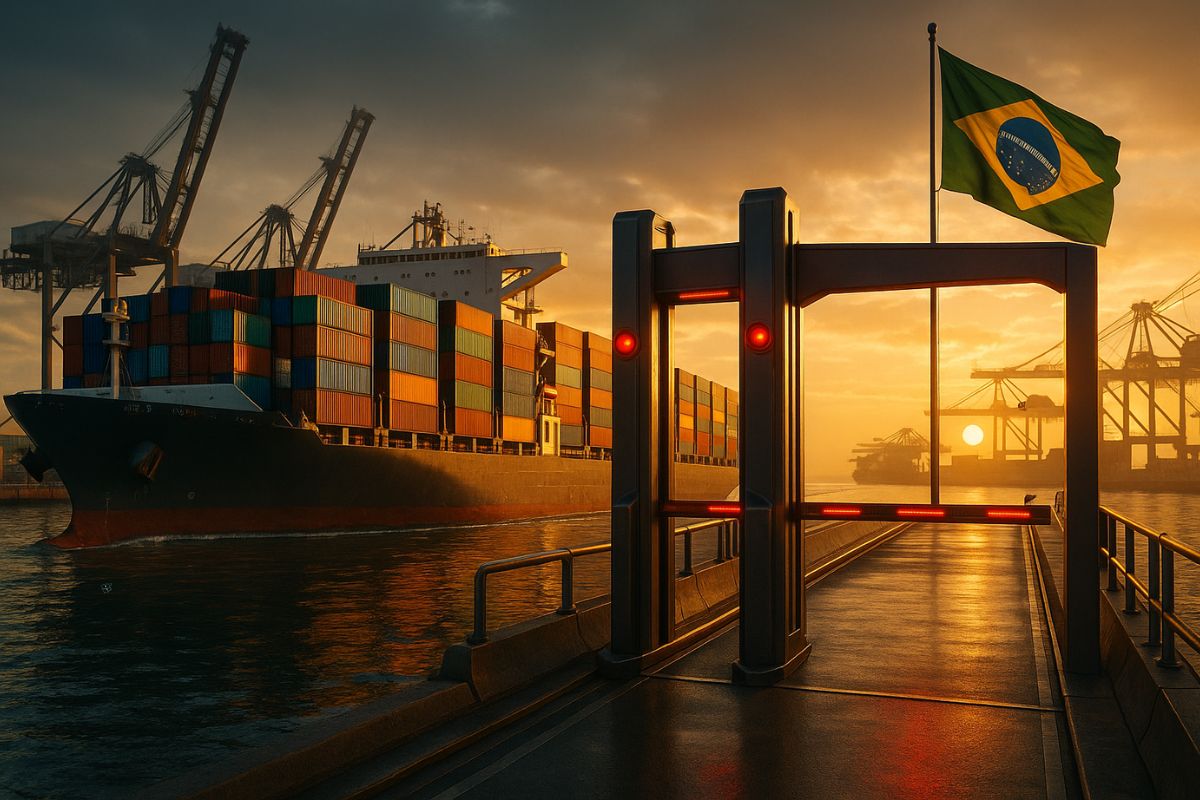
For The First Time, The Government Decides To Auction Access Channels To Ports, Transferring Dredging And Maintenance To The Private Sector, But Experts Fear Increased Tariffs And Impact On Foreign Trade.
The federal government announced that Brazil will have, in 2025, the first auction of access channels to ports, infrastructure that has so far been funded by public resources. The measure, included in the New Growth Acceleration Program (PAC), aims to transfer to the private sector the responsibility for dredging, signaling, and maintaining channels essential for the entry and exit of ships.
The plan, according to the Union, seeks to bring efficiency and predictability, but experts warn that costs may be passed on to users, increasing tariffs and reducing the competitiveness of Brazilian foreign trade.
First Auctions Begin In October
The first auction will be held on October 22, with the channel of Port of Paranaguá (PR).
-
China, Brazil, and India together control the largest rare earth reserves on the planet and are now at the center of a geopolitical dispute that could determine who will dominate technology and the global economy in the coming decades.

-
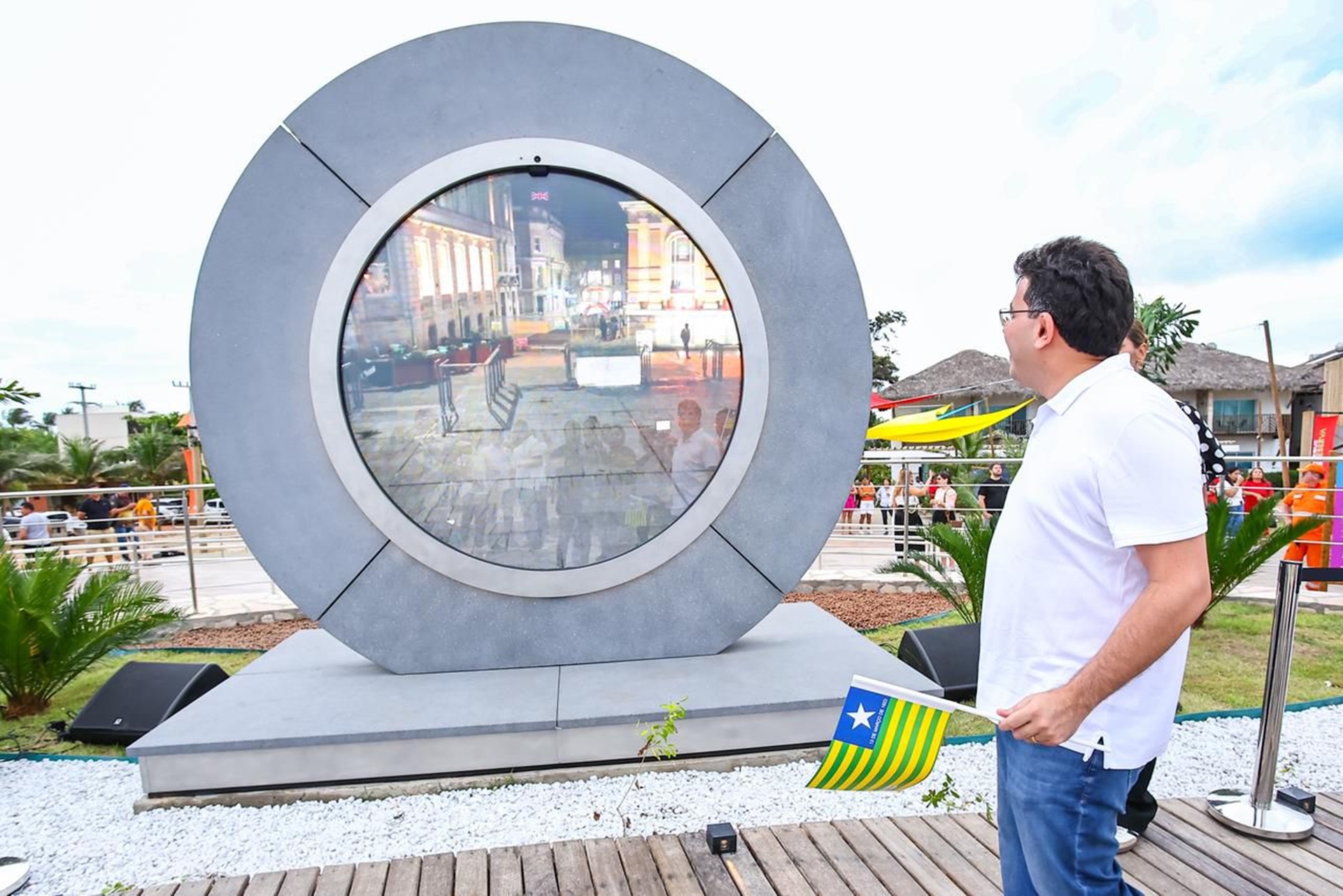
While thousands continue to lack water and sewage on the coast of Piauí, the government inaugurates a R$ 5.5 million international portal in Barra Grande and bets on global visibility.
-
Lula’s government opens 13,000 positions for teachers in Brazil and creates more than 24,000 federal jobs, with an impact of R$ 5.3 billion by 2026.

-
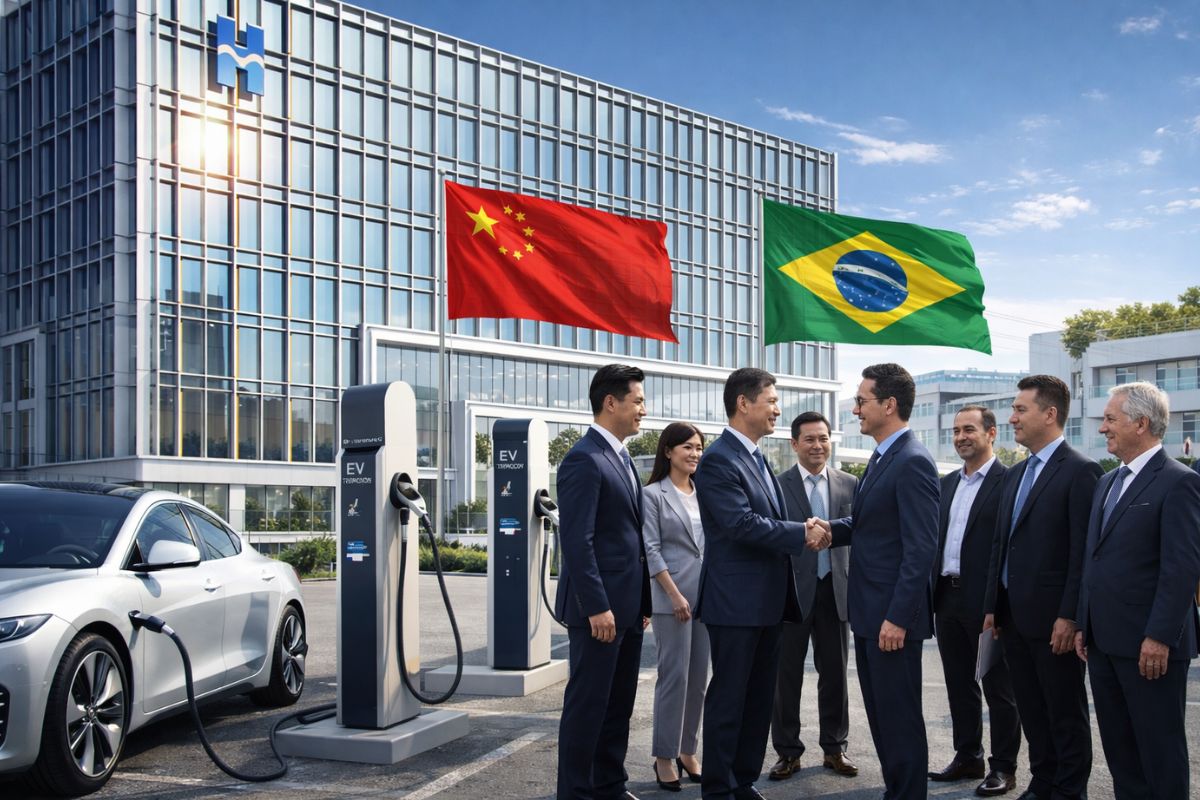
A Chinese electric vehicle technology giant wants to invest up to R$ 200 million in a city in Santa Catarina, and the mayor returned from China with a signed document that guarantees the immediate opening of a CNPJ and the start of operations in Brazil.

In December, it will be the turn of Itajaí (SC), the third largest container complex in the country.
The contracts will have a validity of 25 years, and the winning criterion will be the largest discount on the access tariff.
The case of Itajaí also involves a historic challenge: the removal of the ship Pallas, a sailing vessel from 1891 that sank during the Revolt of the Armada.
Valued at R$ 25 million, the operation will be the responsibility of the winning concessionaire and is considered crucial to free up traffic for ships of up to 400 meters.
According to Alex de Ávila, national secretary of Ports and Waterway Transport, the concession will allow overcoming delays in bidding and lack of funding.
“The concession aims to increase efficiency, safety, and the depth of the channels,” he stated.
The government’s expectation is that the different auctions at ports such as Santos (SP), Rio Grande (RS), and Codeba (BA) will mobilize more than R$ 6 billion in investments.
Experts Fear Higher Tariffs
Despite official optimism, experts warn that the model may increase logistical costs.
This is because dredging, maintenance, and high-complexity works tend to be passed on to end users.
In a country where 95% of foreign trade depends on maritime routes, any tariff increase directly impacts exporters, importers, and ultimately Brazilian consumers.
The agro-export sector and the mining industry would be the most affected.
Soybeans, corn, meat, and ore, the main items on the national export agenda, could lose competitiveness due to increased freight costs.
The risk is that Brazil loses ground in global markets precisely at a time when it seeks to expand its international presence.
Regional Inequality And Profitability Concerns
Another point of concern is the regional concentration of investments.
Ports in the South and Southeast, which are more profitable, tend to attract investors easily, while structures in the North and Northeast may not have the same appeal.
Future auctions in Suape (PE) and Itaqui (MA) are already on the radar, but analysts warn that limited profitability may reduce private interest, generating inequality in national logistical development.
Critics highlight that, while the auctions represent an advancement in predictability, the dependence on concessions may hinder public policies, making it difficult for the sector to adapt to changes in global trade.
Between Efficiency And The Risk Of Losing Competitiveness
The debate also carries political weight.
During Jair Bolsonaro’s government, there were proposals to fully privatize ports like Santos and Itajaí, but the current administration opted to maintain federal control, granting concessions only for specific high-cost segments.
In practice, the new model divides responsibilities: the government retains port authority, while the private sector takes on heavy investments.
The question is whether this transfer will bring long-term gains or simply increase short-term costs.
While the concession may ensure continuous dredging and greater efficiency, the risk of higher tariffs is real and threatens the competitiveness of Brazilian exports.
And you, do you think that the model in which the government decides to auction access channels to ports will bring efficiency or increase logistical costs? Leave your opinion in the comments — your experience can enrich this debate.






Seja o primeiro a reagir!