





 English
  Francês
  Alemão
  Italiano
  Japonês
  Norueguês
  Portuguese
  Spanish
 3 min of reading


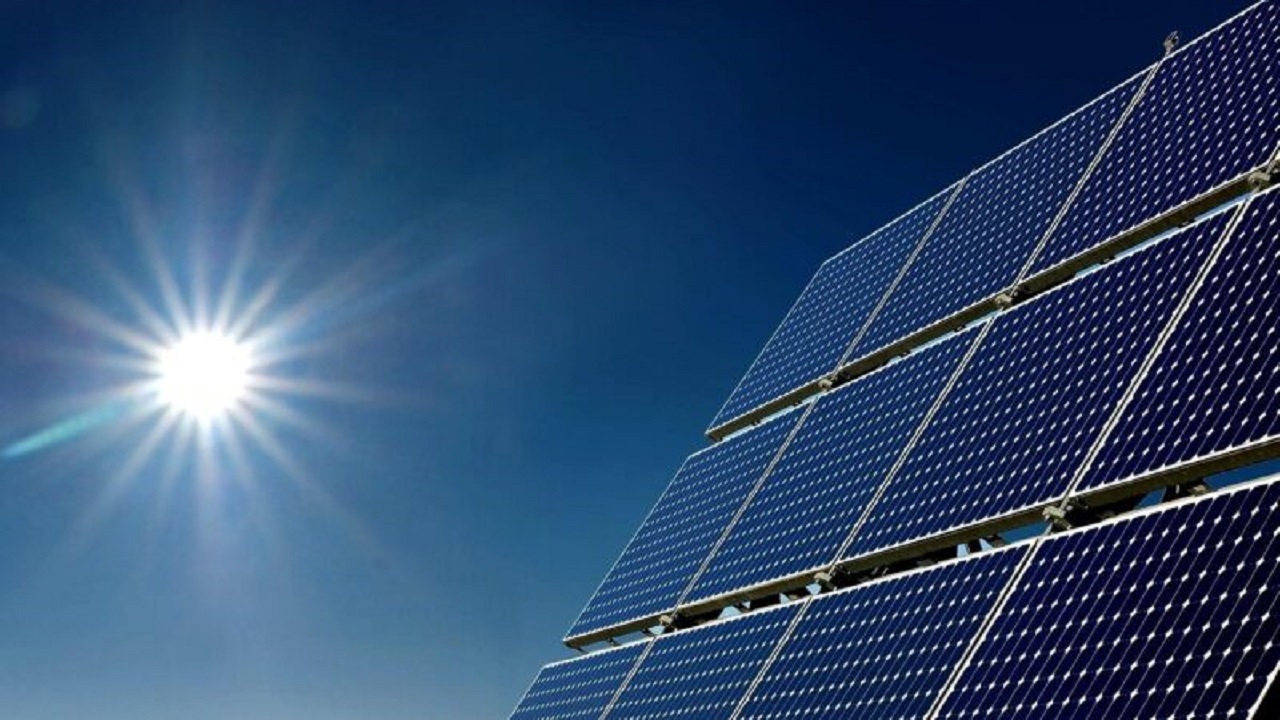
Since 2012, Self-Generated Solar Energy Has Attracted Around R$ 1.9 Billion in Investments for RJ, Generating Over 10,200 Jobs and Contributing Over R$ 451 Million to State Revenues.
The Government of Rio de Janeiro announced on Wednesday (20) that it will allocate about R$ 80 million to subsidize projects in the solar energy sector. The goal is to attract investments to the area and place RJ on the route of solar energy generation, generating jobs and income. According to the administration of the State of Rio de Janeiro, all resources will remain in a fund that is already being developed by the development agency AgeRio. The resources may be allocated to Rural Production, schools, hospitals, and also to social housing. Additionally, a revitalization program for industrial condominiums will also be launched and will be part of the group that will utilize the resources allocated by the Government of RJ.
Government of RJ Allocates Resources for Key Sectors of the State, Especially the Solar Energy Sector
According to the Secretary of Economic Development of the State of Rio, Cássio Coelho, there is a growing demand for businesses to establish in RJ, which could benefit from the cost reductions offered by solar energy.
This initiative was in agreement with the Brazilian Solar Photovoltaic Energy Association, Absolar, the utilities Light, Enel and Energisa, Codin, and AgeRio, as well as other industry entrepreneurs.
-
A study reveals the expansion of renewable energy procurement in Brazil and shows how companies are taking advantage of opportunities to reduce expenses, ensure energy efficiency, and strengthen strategic environmental commitments.

-
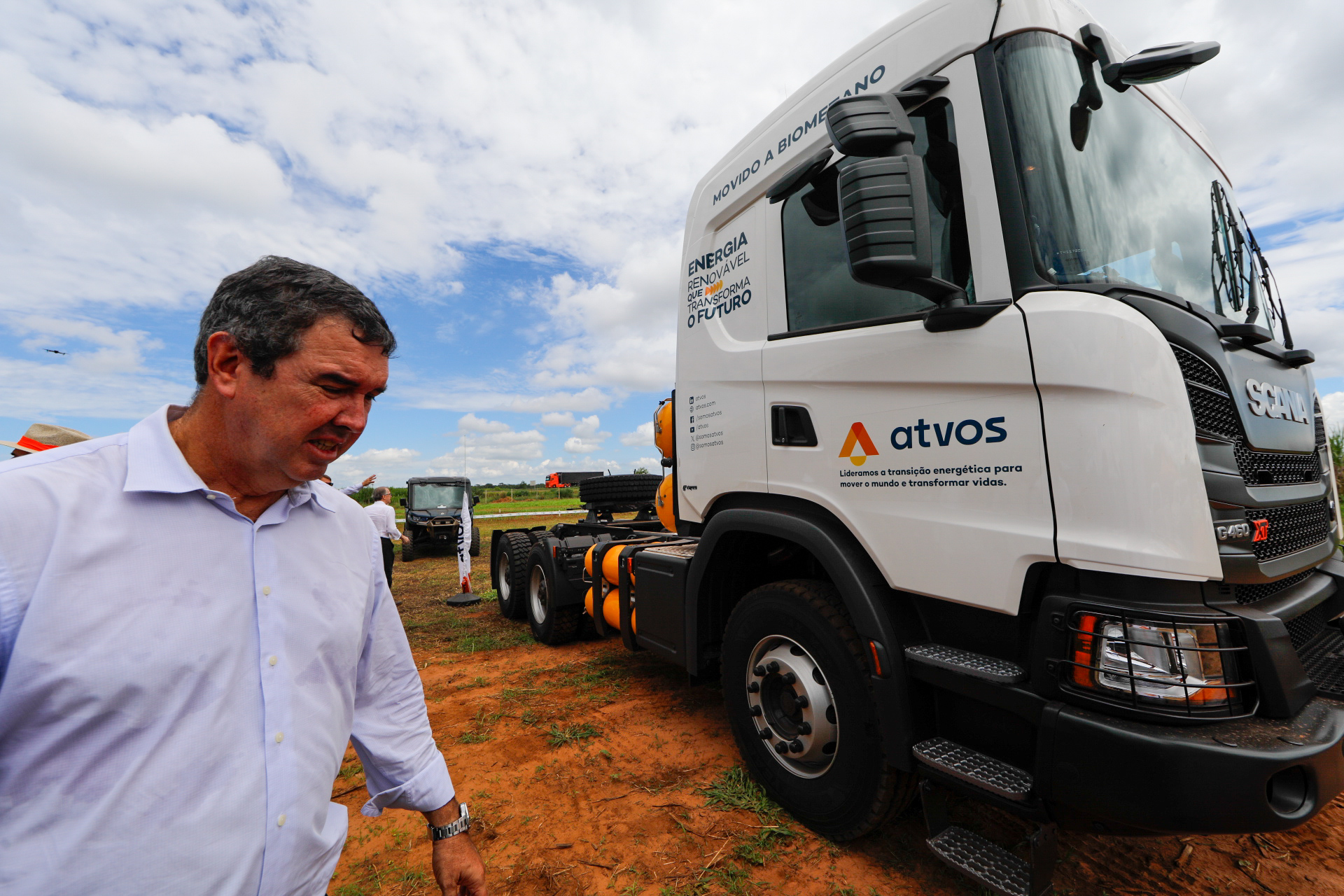
Mato Grosso do Sul excels in the sugar-energy sector: the state reaches a milestone of 22 operating mills and accelerates the production of clean energy in MS with a focus on sustainability.
-
National energy dilemma: Brazilians support clean energy but reject increases in tariff costs to finance the sustainable transition.
-
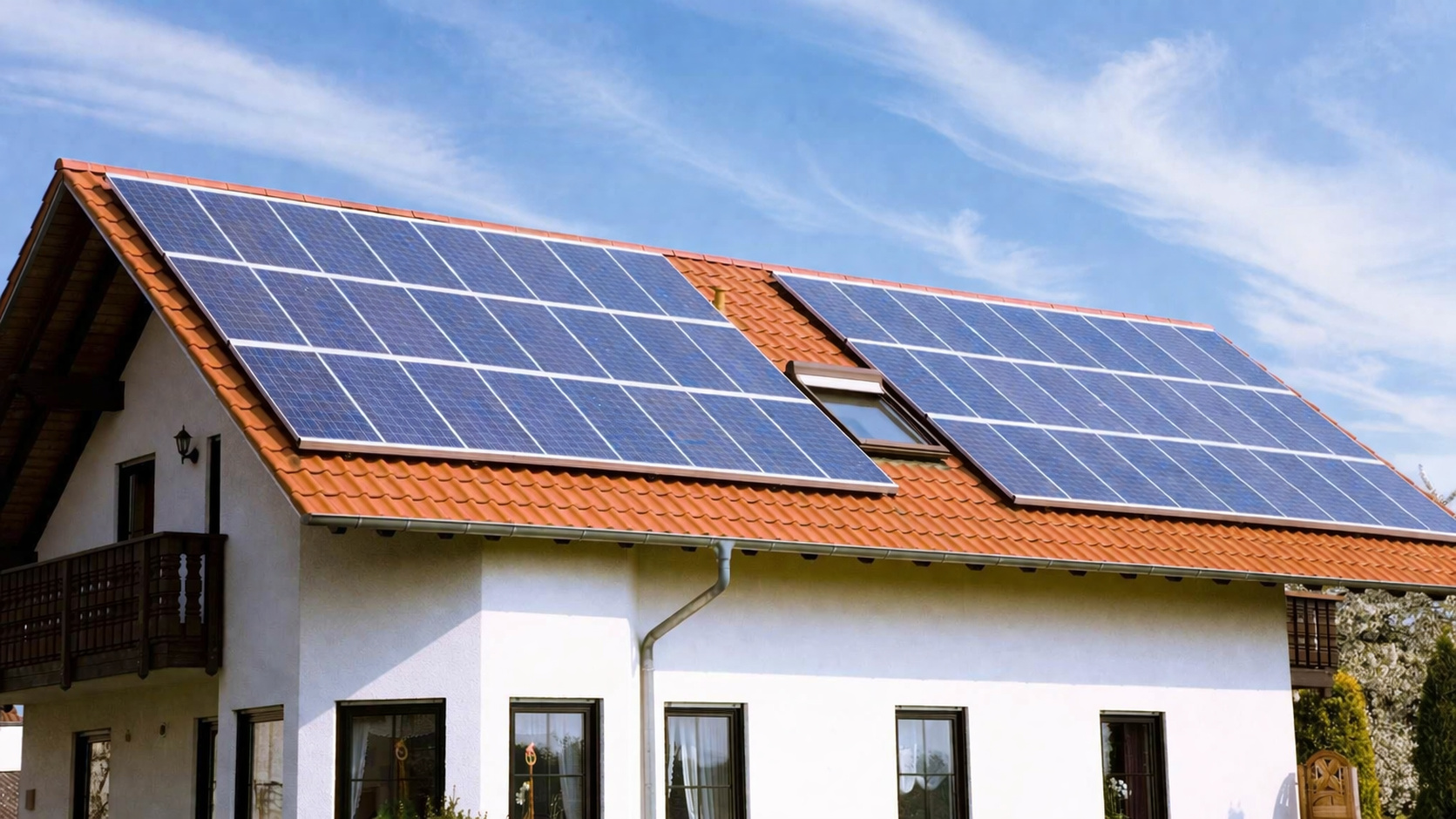
Research indicates that Brazilians support clean energy and wish to advance in the energy transition, but reject paying more on their electricity bill, showing a direct conflict between cost and sustainability.


According to Absolar, RJ has 342.8 megawatts (MW) of solar energy in operation in homes, businesses, industries, rural properties, and public buildings. The state also has 41,389 operational connections, distributed across the 92 municipalities of Rio de Janeiro.
Energy Generation for Smart Cities
The executive branch of Rio de Janeiro is working on a new project to turn some municipalities in the state into models of “smart cities.” In February, the Italian networks Enel X, Leonardo, and TIM signed a memorandum of understanding (MoU) with the Government of RJ to find solutions to make a city smart, safe, and resilient.
The focus is to start with the capital and make it a connected e-city, incorporating high technologies for transportation infrastructure, connectivity, and lighting, as well as digital transformation and new high-efficiency models for energy supply.
For companies and public buildings, the focus will be on energy efficiency, through the development of engineering solutions, offering energy from renewable sources in distributed generation plants and the use of real-time monitoring platforms for climate control.
Niterói, RJ, Is Investing in Solar Farms and Rooftop Solar
In mid-March of this year, the city government of Niterói also announced its new plans for investments in the energy sector. The purpose of Niterói’s project is to utilize photovoltaic solar energy, through solar farms and rooftop solar.
According to the municipal Secretary of Climate, Luciano Paez, the goal is to try to reduce gas emissions in the city, as well as increase the use of renewable energy. The great expectation is that the estimated energy generation will be approximately 180 megawatts (MW). For the Rooftop Solar project, the aim is to take advantage of the availability of public buildings for photovoltaic energy generation. The goal is to reach 800 installed panels by 2024. The investment in the project will be R$ 1 million.
Governor Cláudio Castro (PL) signed a memorandum of intent in March, in New York City, with Nasdaq and the Global Environmental Asset Platform (Geap) to develop studies related to the creation of a platform exclusively for environmental asset trading.
This action is part of an attempt to revive the RJ Stock Exchange, which has been closed since the 2000s. Over the next 90 days, various pilot projects will be developed, along with discussions on proposals.









Seja o primeiro a reagir!