





 Portuguese
  English
  Spanish
  5 min of reading
  40 comments


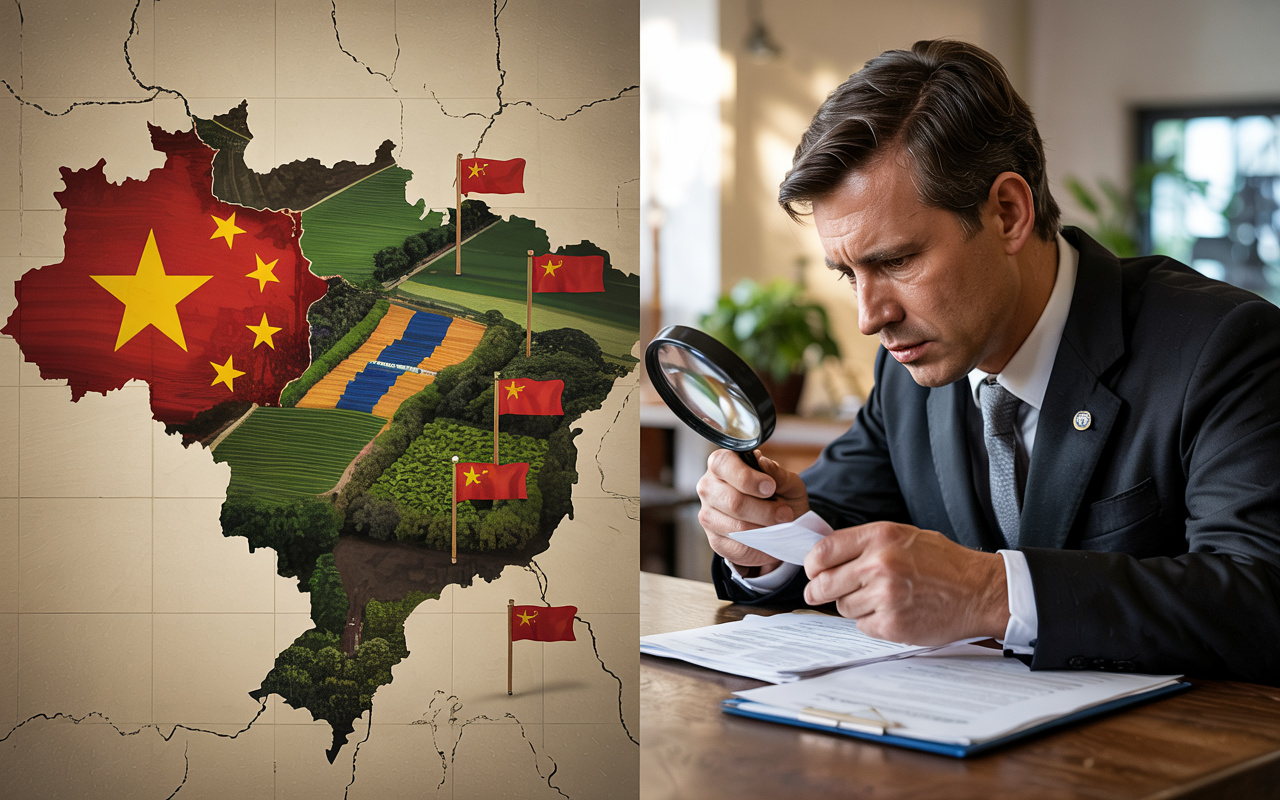


US Investigates China’s Influence on Brazilian Agribusiness, Mapping Billions in Investments and Possible Impacts on Food Security and the Global Market.
The United States government has placed Brazil at the center of an unprecedented investigation into China’s influence on Brazilian agribusiness. The legislative proposal, included in the Intelligence Authorization Act for fiscal year 2026, aims to map and understand the extent of Chinese investments in Brazilian agriculture and the strategic impacts they may generate for the global supply chain and food security.
The text, revealed by Valor Econômico, was presented by Republican Senator Tom Cotton, an ally of President Donald Trump, and has already been approved by the Senate Intelligence Committee. It now moves to a vote in the plenary, before going to the House of Representatives and finally to presidential sanction.
If approved, it will be the first time Brazil is formally mentioned in a U.S. intelligence budget bill.
-
Spain challenges the USA and closes its airspace for operations against Iran, raising global tension and provoking the threat of a trade rupture.

-
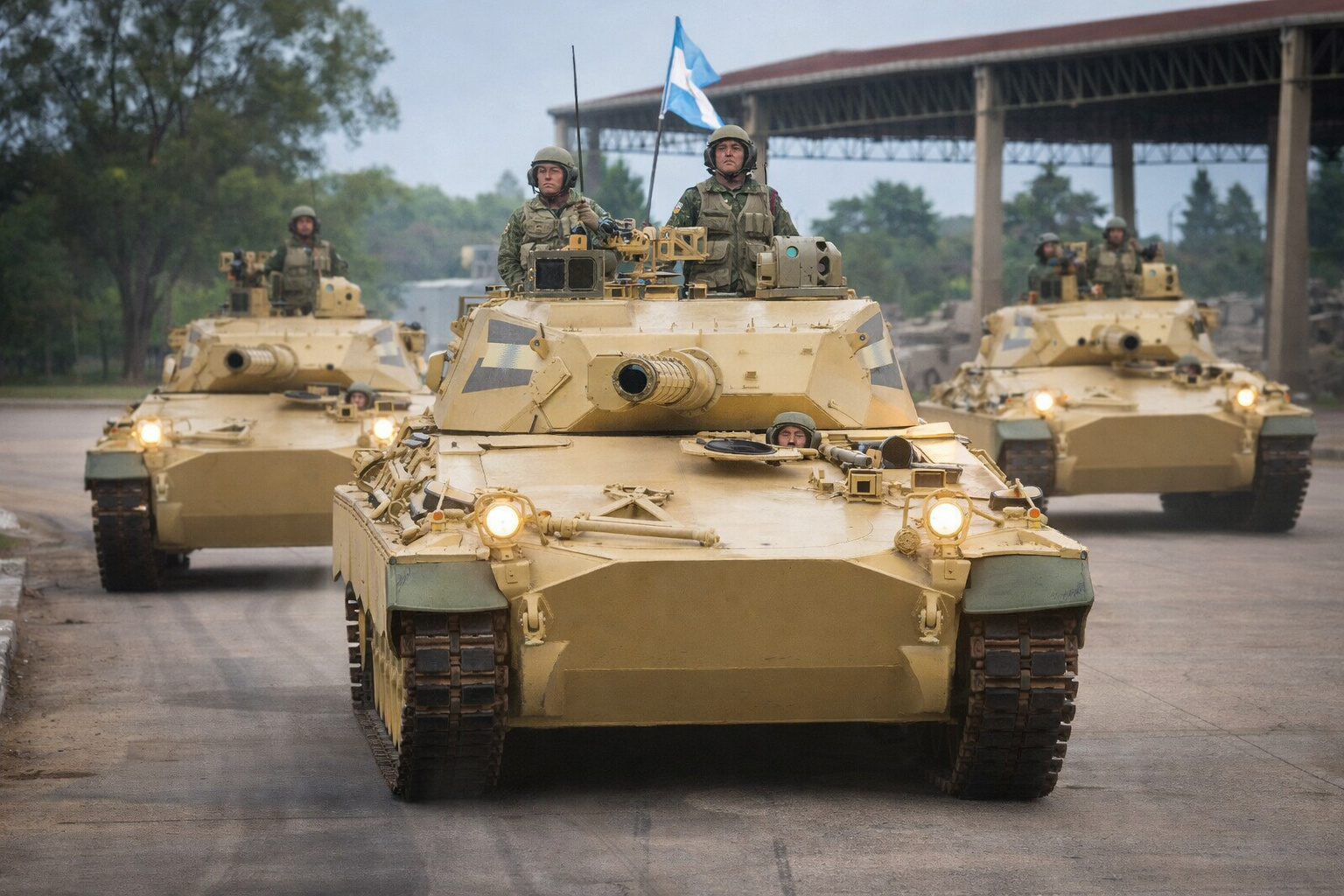
While no other country manufactures tanks in Latin America, Argentina activates the TAM 2C-A2 and raises a curiosity about the technological lag in the region.
-
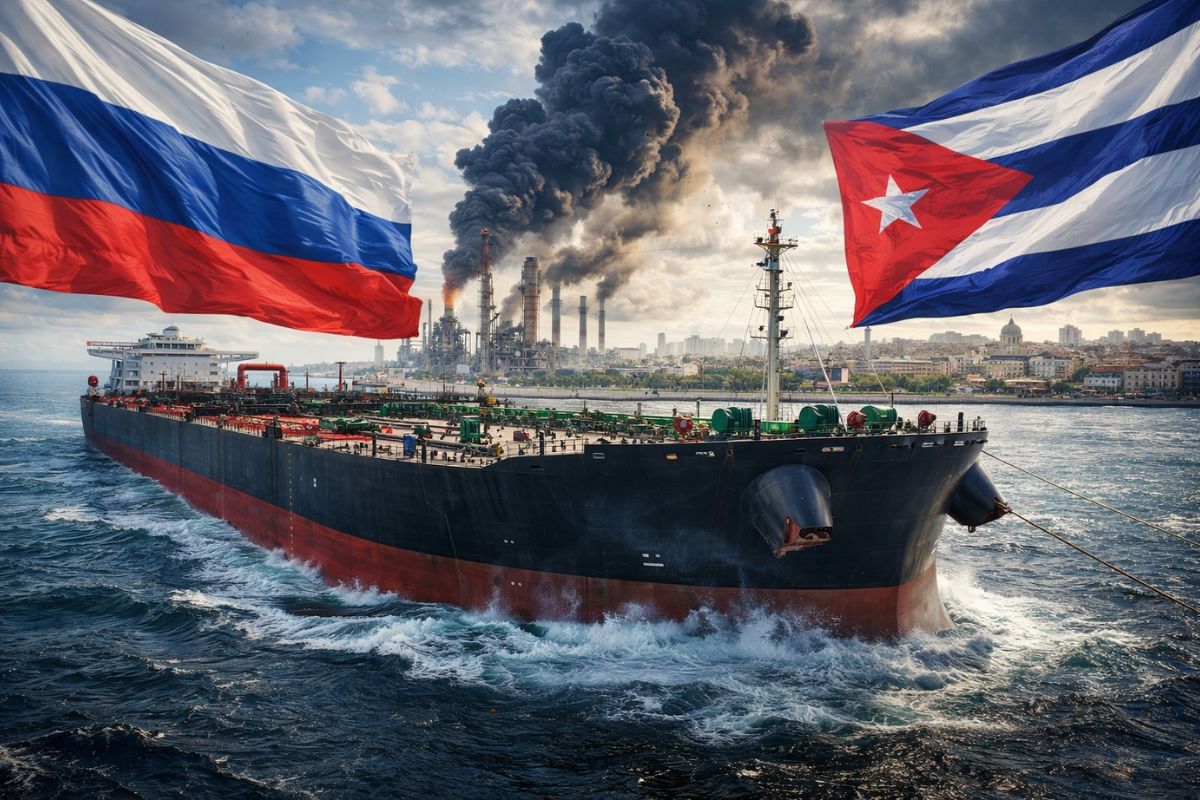
A Russian ship with 730,000 barrels of oil has just arrived in Cuba while Mexico negotiates fuel sales through private companies: the communist island is desperately seeking alternatives after losing its supply from Venezuela due to American military action.
-
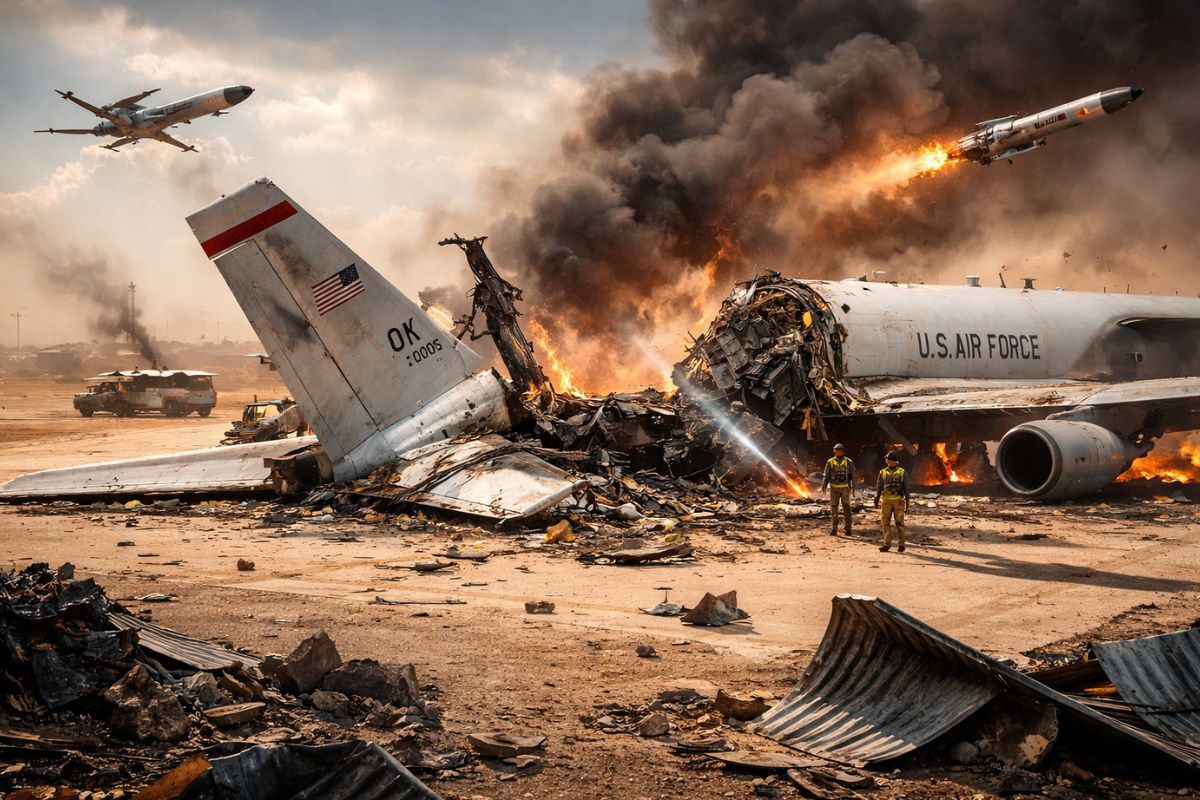
Iranian drones and missiles destroyed a 270 million dollar American spy plane in Saudi Arabia, splitting the E-3 Sentry aircraft in half and injuring 12 military personnel in an attack that exposes the vulnerability of U.S. bases in the Persian Gulf.

Focus on China in Brazilian Agribusiness
The investigation, which should be led by the national intelligence director, Tulsi Gabbard, aims to answer strategic questions. Among them, what is the level of involvement of the Chinese government with Brazilian agribusiness and whether there is political direction from Xi Jinping to expand the presence of Chinese companies and capital in the sector.
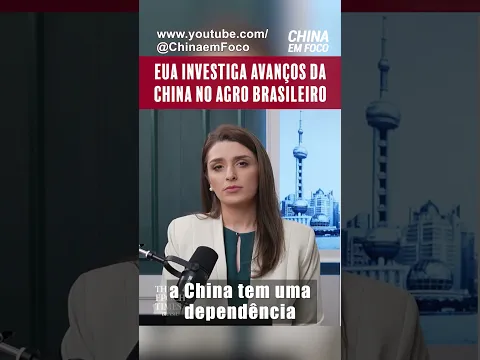

The survey should also identify joint ventures between Chinese and Brazilian companies, as well as quantify the volume of investments and acquisitions made by entities controlled by the Chinese state.
Another sensitive point will be to assess how these investments may affect the global market and food security, considering that Brazil is one of the largest exporters of soybeans, corn, beef, and other strategic products.
Deadlines and Format of the Investigation
The project establishes that, within 60 days after the law is signed, the U.S. intelligence team, with support from the Department of State and the Department of Agriculture, will present an initial report.
The document will be public, but may contain classified attachments.
Additionally, within 90 days of enactment, Director Tulsi Gabbard will deliver to Congress a comprehensive dossier on Chinese investments in Brazilian agriculture, including commercial and geopolitical implications.
China’s Influence in Brazil: The Political Background
China has been Brazil’s largest trading partner since 2009. In November 2024, President Luiz Inácio Lula da Silva welcomed Xi Jinping at the Palácio da Alvorada to sign 37 cooperation agreements, including the opening of new markets for Brazilian agricultural products.
This move consolidated the rapprochement between Brasília and Beijing, but also drew the attention of Washington.
For the U.S., Brazil’s growing dependence on Chinese buyers and investors could create strategic vulnerabilities for both Brazil and the global market.
Bilateral Tensions Between Brazil and the United States
The announcement of the investigation comes at a time of significant friction between the governments of Trump and Lula.
In the past week, the American president confirmed an additional 40% tariff on Brazilian exports to the U.S. — the highest currently in effect against any country.
At the same time, Trump imposed the Magnitsky Act against Minister Alexandre de Moraes of the Supreme Court, citing human rights violations and politicized processes.
The measure included freezing assets in the U.S. and barring entry into the country for Moraes and family.
Trade Pressures and New Investigations Against Brazil
In addition to the dispute over China’s influence in Brazil, the U.S. government has also opened a process with the USTR (Office of the United States Trade Representative) to investigate Brazilian trade practices considered “unreasonable” or “discriminatory.”
The scope is broad: from protection of Pix, informal trade in Rua 25 de Março, to preferential tariff policies for countries like Mexico and India.
Environmental issues such as illegal deforestation, and disputes related to the ethanol market and intellectual property are also on the agenda.
Chinese Investments in Agriculture: Why They Matter to the U.S.
The American concern is not new. China, in addition to purchasing large volumes of Brazilian commodities, also invests directly in transportation, storage, and grain processing infrastructure.
There are records of Chinese companies acquiring stakes in ports, warehouses, and logistics companies that serve agribusiness.
This physical and financial presence gives China not only buying power but also influence over logistics and international prices.
For the U.S., this could, in the long term, reduce American influence in the global agricultural market.
Food Security and Geopolitical Disputes
The U.S.-China investigation goes beyond economics. Strategically, control over food production and flow is considered a pillar of national security.
If China can secure critical supply chains in producer countries like Brazil, it could increase its geopolitical bargaining power.
In practice, this would mean more ability to influence prices and trade routes, which is a concern for Washington.
Possible Impacts for Brazil
Although Brazil is not the direct target of sanctions in this proposal, the inclusion of the country in the report could have diplomatic and commercial effects.
Brazilian companies with joint ventures or supply contracts with Chinese companies may be mentioned, generating political pressure.
Furthermore, depending on the conclusions, the U.S. may adopt measures to limit the expansion of Chinese investments in Brazil, which would affect sectors that currently depend on that capital for growth.
Although the NSA has already spied on communications from the Brazilian government in the past — as revealed by Wikileaks in 2013 — this is the first time Brazil is formally mentioned in an intelligence budget bill.
The fact reveals an increased strategic weight of Brazil in the U.S.-China rivalry.
This rivalry, which started in the technological and industrial field, now advances into food security and control over natural resources.
Next Steps
With the approval in the Senate Intelligence Committee, the chances of the project passing in plenary with the current wording are high.
If sanctioned, the law will place Brazil under the radar of a detailed investigation conducted by some of the world’s most powerful intelligence agencies.
The expectation is that the first reports will be delivered before the end of 2025.
The American initiative shows that Brazilian agribusiness has become a key point in the global geopolitical chessboard.
The growing presence of China in the Brazilian agricultural sector raises alarms about trade dependence, logistical control, and food security.
While Washington seeks to map and understand this influence, Brasília will have to balance relationships with two partners competing for primacy in global trade.
The outcome of this investigation could influence not only the Brazil-U.S.-China relationship but also the flow of investments and agribusiness strategies in the coming years.








americanos cara de **** ,tarifa a gente de forma política não comercial o que já é um a surdo e agora fica com medo dos outros parceiros do Brasil no comércio global
O Brasil não é colônia de vcs, acabou a mamata, parabéns ao nosso Presidente Lula, um Líder que se preocupa com o futuro do seu País, agente dessa forma, se fosse no tempo do Bolsonaro, ele teria aberto as pernas pros americanos
Americano é tão bonzinho!!! Bando de malandros!!! Tira a pata