





 Portuguese
  English
  Spanish
  3 min of reading
  0 comments



Federal Revenue Closes Third Quarter with Historic Record, Reaching R$ 679.7 Billion in the Period and Totaling R$ 2.1 Trillion Year-to-Date, with Real Growth Above Inflation and Five Consecutive Years of Increase
Lead: The federal revenue from taxes and contributions reached R$ 2.1 trillion between January and September 2025, representing the highest nominal value ever recorded by the Federal Revenue since the beginning of the historical series in 1995. The result reflects the fifth consecutive annual increase, consolidating a growth cycle that even surpasses the accumulated inflation during the period.
In the third quarter alone, the government collected R$ 679.7 billion, a volume 6.9% higher than that observed in the same period of 2024. The performance maintains the positive trajectory that began in 2021, following the pandemic’s impact on public accounts. The real advance of 3.49% demonstrates that the expansion is not solely due to price increases, but also to a solid recovery of the tax base and economic activity.
Continuous Growth and Boost of Tax Revenues
The result confirms the fifth consecutive increase in revenue, something unprecedented since the creation of the historical series.
-
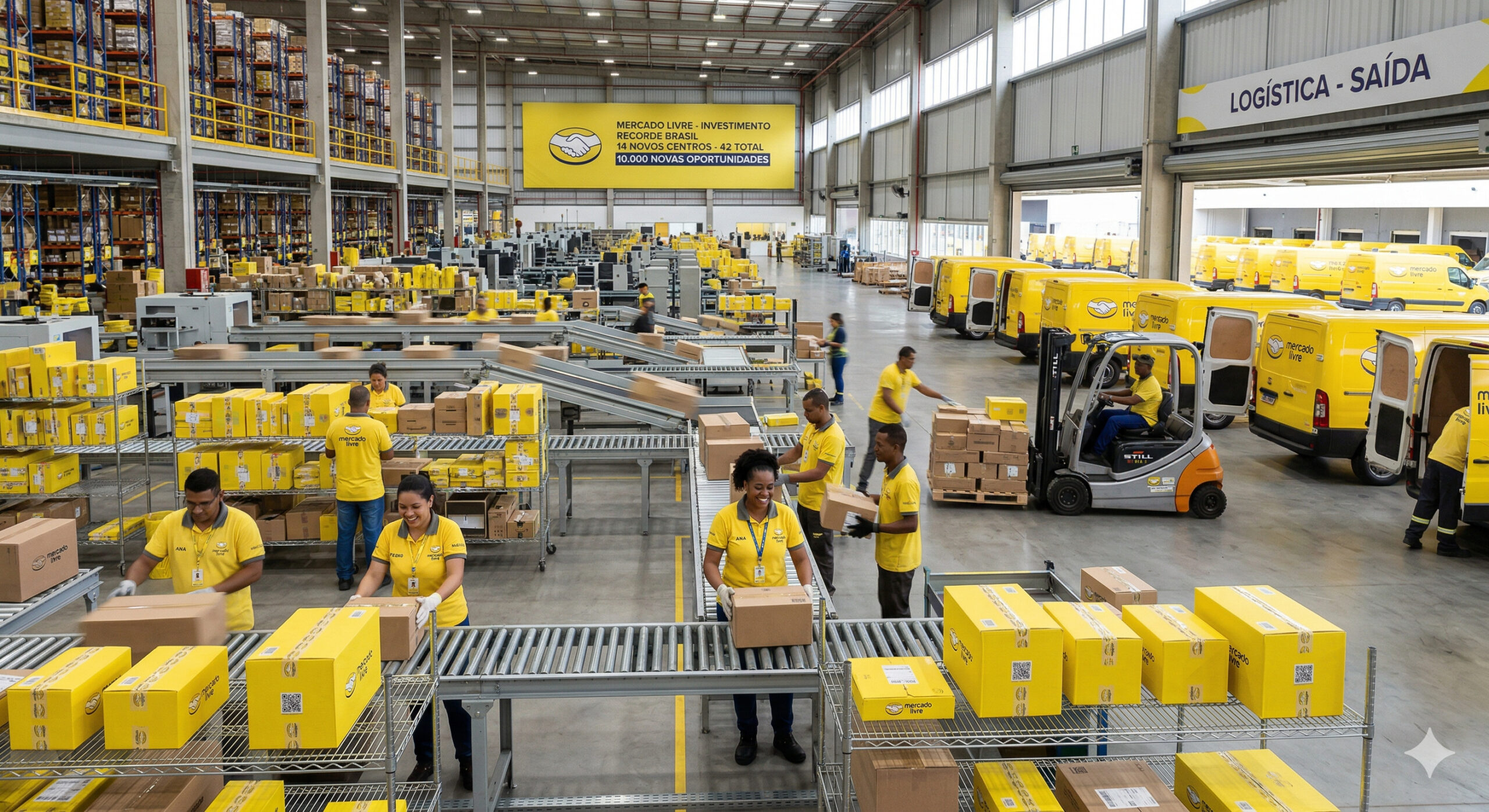
Mercado Livre “opens the vault” and announces a record investment of R$ 57 billion in Brazil in 2026, a value 50% higher than the previous year, with an expansion plan that includes 14 new logistics centers, totaling 42 units in the country and hiring an additional 10,000 employees.
-
How investment in technology can revolutionize the national economy and enhance industrial gains, according to a study that highlights the direct impact on productivity, innovation, and wealth retention within Brazil.

-
The largest food company on the planet, JBS, has just opened a 4,000 square meter laboratory in Florianópolis to develop customized proteins that modulate muscle mass gain, immune response, and metabolic performance.

-
After nearly 30 bids and competition among industry giants, a Spanish company purchases one of the largest airports in Brazil for almost R$ 3 billion and takes over the management of Galeão in a concession that will last until 2039.


The last decrease was in 2020, when the pandemic reduced activity and caused collections to fall to R$ 360.3 billion in the third quarter.
Since then, the revenue curve has remained upward, reflecting greater formalization, recovery of consumption, and an increase in industrial production.
According to the Federal Revenue, revenue has been growing broadly, with increases in both profit and income taxes as well as consumption taxes.
Taxes such as IRPJ, CSLL, and PIS/Cofins performed above expectations, driven by the recovery of corporate margins and the strengthening of the domestic market.
The financial, fuel, and electricity sectors also significantly contributed to the positive balance.
Controlled Inflation and Real Advance of Federal Revenue
Although the nominal growth of 8.85% was already impressive, the highlight is the real gain — 3.49% above inflation measured by the IPCA.
This indicates that the increase is not limited to the effects of price adjustments, but reflects greater tax efficiency and an increase in the tax base.
In September, performance was again record-breaking: R$ 216.7 billion in revenues, up 6.67% compared to the same month last year.
The behavior of revenues aligns with the moderate expansion rhythm of the Brazilian economy, sustained by incentive programs for production and consumption.
The Federal Revenue points out that the good result is a direct result of improvements in electronic auditing, digitalization of declarations, and increased tax compliance, factors that enhance the system’s efficiency without the need for raising tax rates.
What Explains the Historic Record and Perspectives for 2026
The combination of economic growth, controlled inflation, and more efficient revenue collection explains the current record.
Even with a reduction in some tax exemptions and the maintenance of sectoral incentives, the revenue base has expanded.
For 2026, the expectation is for more moderate growth, as part of the recent advance came from non-recurring gains, such as adjustments to compensations and extraordinary regularizations.
Still, experts consider the result positive for the balance of public accounts.
With more resources available, the government expands the margin for investments and social programs, without resorting to significant tax increases.
Sustainability, however, will depend on controlling expenses and stabilizing revenues in the coming quarters.
The mark of R$ 2.1 trillion in federal revenue represents more than just a record number: it reflects the capacity for economic recovery and the efficiency of the tax system after years of fluctuation.
Even with persistent fiscal challenges, the trend of consecutive increases indicates a scenario of greater predictability and strengthening of public accounts.
Do you believe that the increase in federal revenue should be primarily used to reduce the public deficit or to expand social investments?










Seja o primeiro a reagir!