





 Portuguese
  English
  Spanish
 3 min of reading


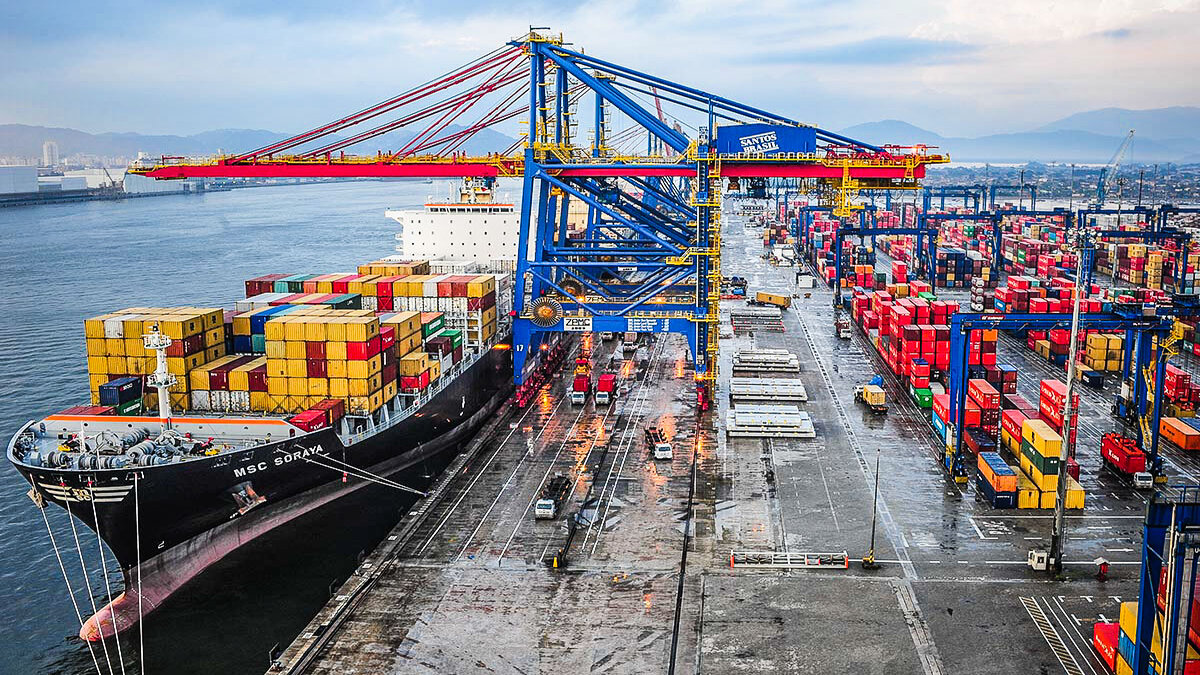
Aiming To Finish The Process Still During The Government Of Jair Bolsonaro, The Federal Government Has Just Included The Port Of Santos In The PPI And PND Programs To Accelerate The Privatization Project Of The Complex, One Of The Largest In The National Port Sector.
On last Saturday (07/30), the Federal Government announced in the Official Gazette of the Union (DOU) that it has included the Port of Santos, located in the state of São Paulo, in the Investment Partnerships Program (PPI) and in the National Privatization Program (PND). Thus, Jair Bolsonaro’s administration aims to accelerate the privatization of the port complex so that this becomes the second largest concession to the private initiative in his government, surpassed only by Eletrobras.
Port Of Santos Is Included In The PPI And PND Programs So That The Federal Government Can Continue The Privatization Project Of The São Paulo Complex
After many discussions and deliberations about the concession process of the complex to the private market, the Federal Government has just officially included the Port of Santos, the largest cargo handling terminal in the country, in the PPI and PND programs. Both programs are used to continue privatization initiatives in Brazilian territory, and the Federal Government’s strategy is to accelerate this process still during the year 2022.
The announcement was made during the publication of last week’s DOU and reinforces the Bolsonaro government’s position to make the privatization of the Port of Santos the second largest of his administration, falling behind only Eletrobras.
-
Europe is trying to create an ammonia-powered marine engine without auxiliary fuel, which could unlock the race for giant emission-free ships. The technology aims to eliminate one of the biggest obstacles to clean maritime propulsion.

-
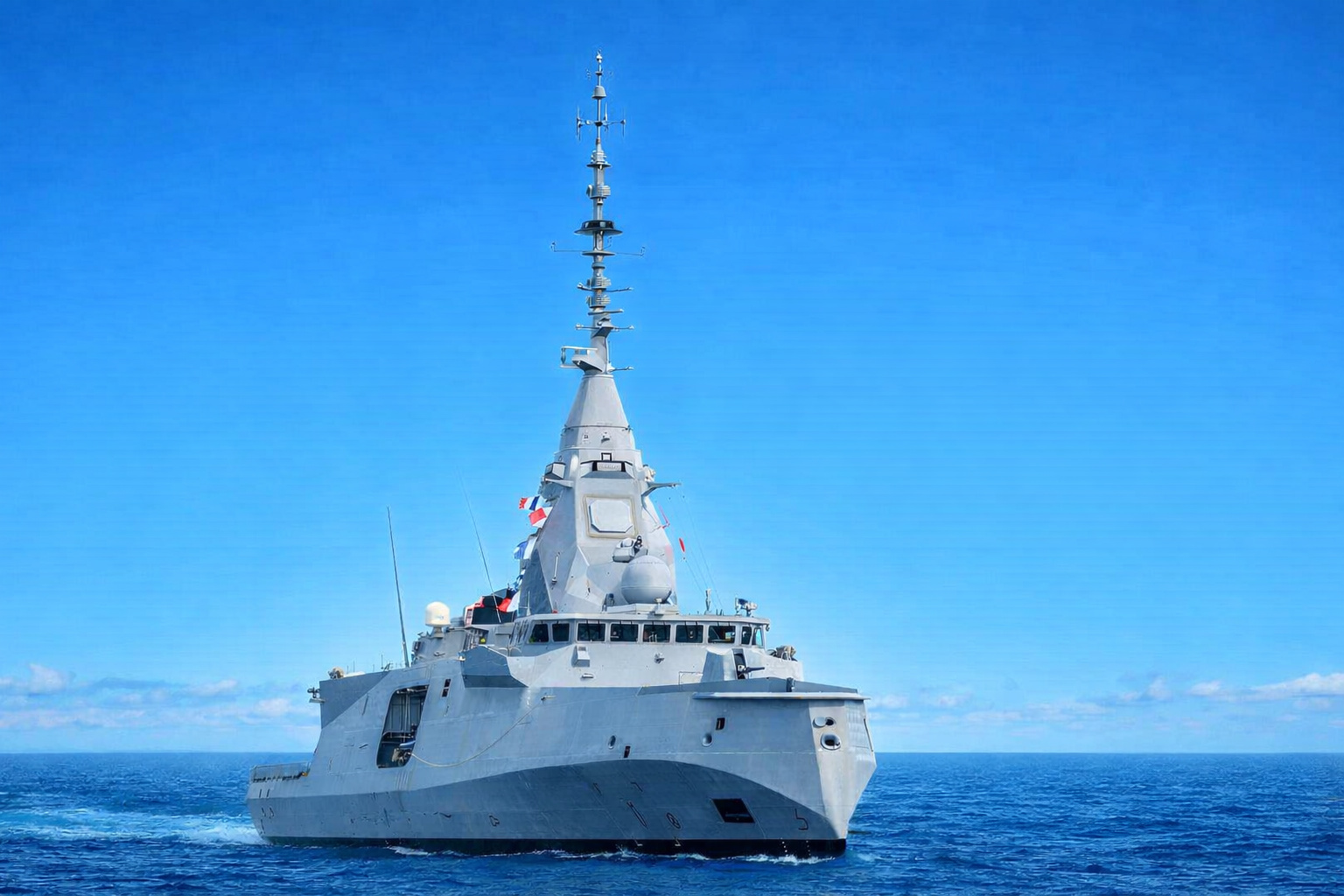
A 4,500-ton frigate with just over 100 crew members, state-of-the-art radar, and cruise missiles is being touted as the new standard of naval warfare in the 21st century.
-
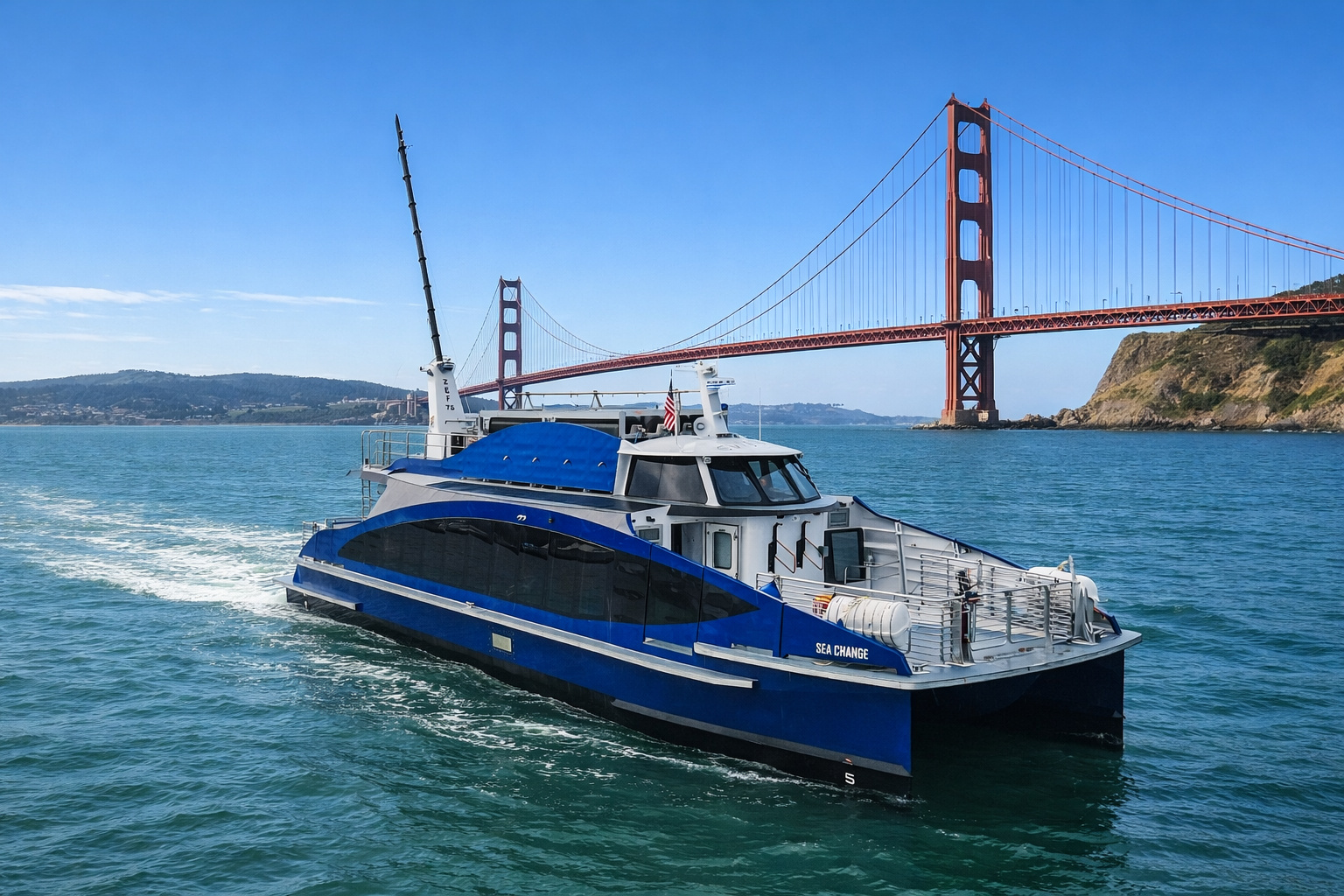
The first commercial hydrogen-powered ferry enters operation in the U.S., eliminates the use of diesel, uses fuel cells to generate clean energy on board, and transforms San Francisco Bay into a landmark of the new era of emission-free navigation.
-
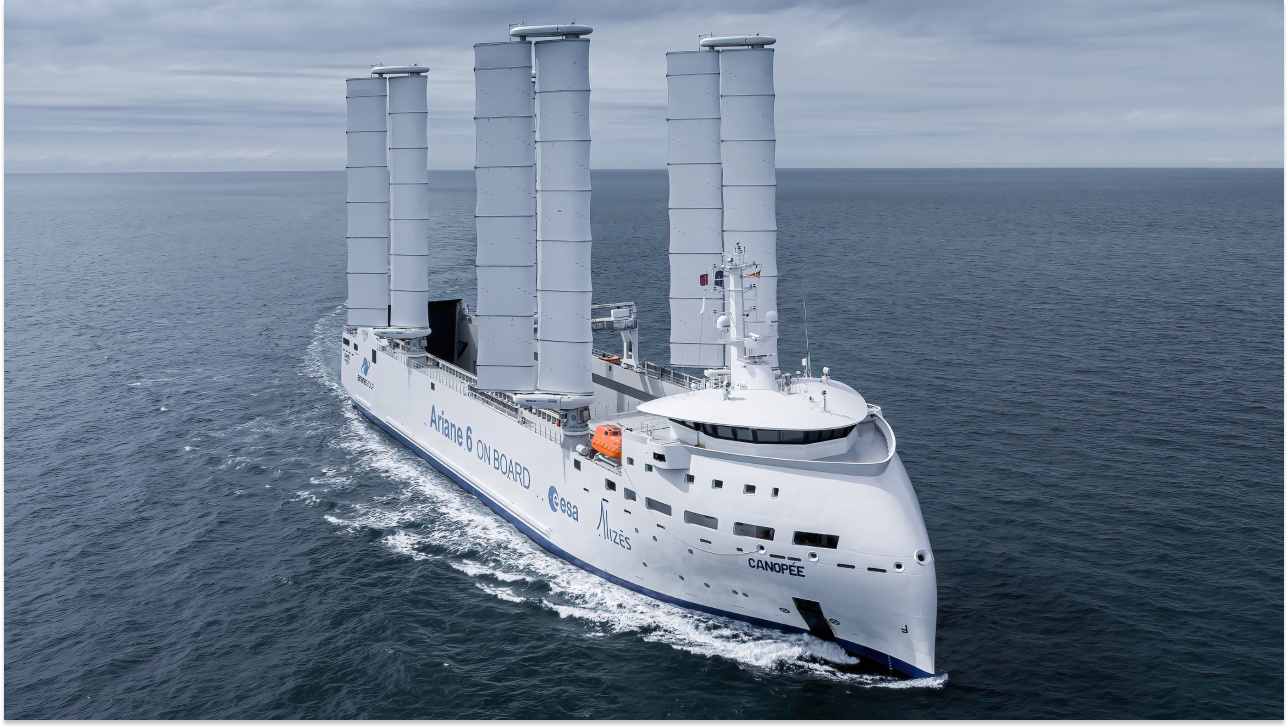
With a length of 121 meters and four rigid sails of 36 meters that automatically rotate to capture the wind, Canopée is the world’s first hybrid industrial cargo ship powered by wind, used to transport rockets and reduce fuel consumption by up to 30% on transoceanic routes.
In addition, the privatization project of the complex stipulates that the winner of the bidding will be responsible for making investments amounting to over R$ 18 billion, aimed at infrastructure improvement and expansion works, as well as maintenance of the facilities, thus ensuring greater operational quality in the São Paulo complex.
Moreover, the privatization process includes a minimum grant value of R$ 1.38 billion and a concession period of 35 years to the company that makes the highest bid for the purchase of the Port of Santos. In addition to the privatization of the complex itself and its operations, the project to include the port in the PPI and PND also provides for the concession of the Santos Port Authority (SPA), formerly Companhia Docas do Estado de São Paulo (Codesp), which conducts all the administration and supervision of the location, through which over 25% of the cargo handled in the country passes.
Even With Inclusion In The PPI And PND Programs, The Privatization Of The Port Complex May Still Not Be Completed Within The Timelines Expected By The Federal Government
The inclusion of the Port of Santos in the PPI and PND programs by the Port of Santos provides that the National Agency for Waterway Transportation (Antaq) will monitor all studies related to the privatization, which will be executed by the National Bank for Economic and Social Development (BNDES). However, even with the acceleration of the processes, the completion of the concession during Bolsonaro’s administration is still a challenge to be overcome, but quite complicated.
After inclusion in the PPI and PND programs, the next step is to submit the project to the Federal Court of Accounts (TCU) for analysis as early as August and shortly after the publication of the bidding notice. However, Luiz Soggia, a port expert and partner at the Terrafirma consultancy, which specializes in infrastructure, states that the issue of timing may still be a deadlock and the project is not expected to be completed this year.
“The timeline is challenging. I find it difficult for the privatization of such a complex asset to happen this year. The privatization of Codesp is a challenging process that requires extensive accounting analysis. The data must now go to the Federal Court of Accounts (TCU), which will not analyze it in just 90 days. It will take at least 4 months,” said the expert.









Seja o primeiro a reagir!