





 Portuguese
  English
  Spanish
  3 min of reading


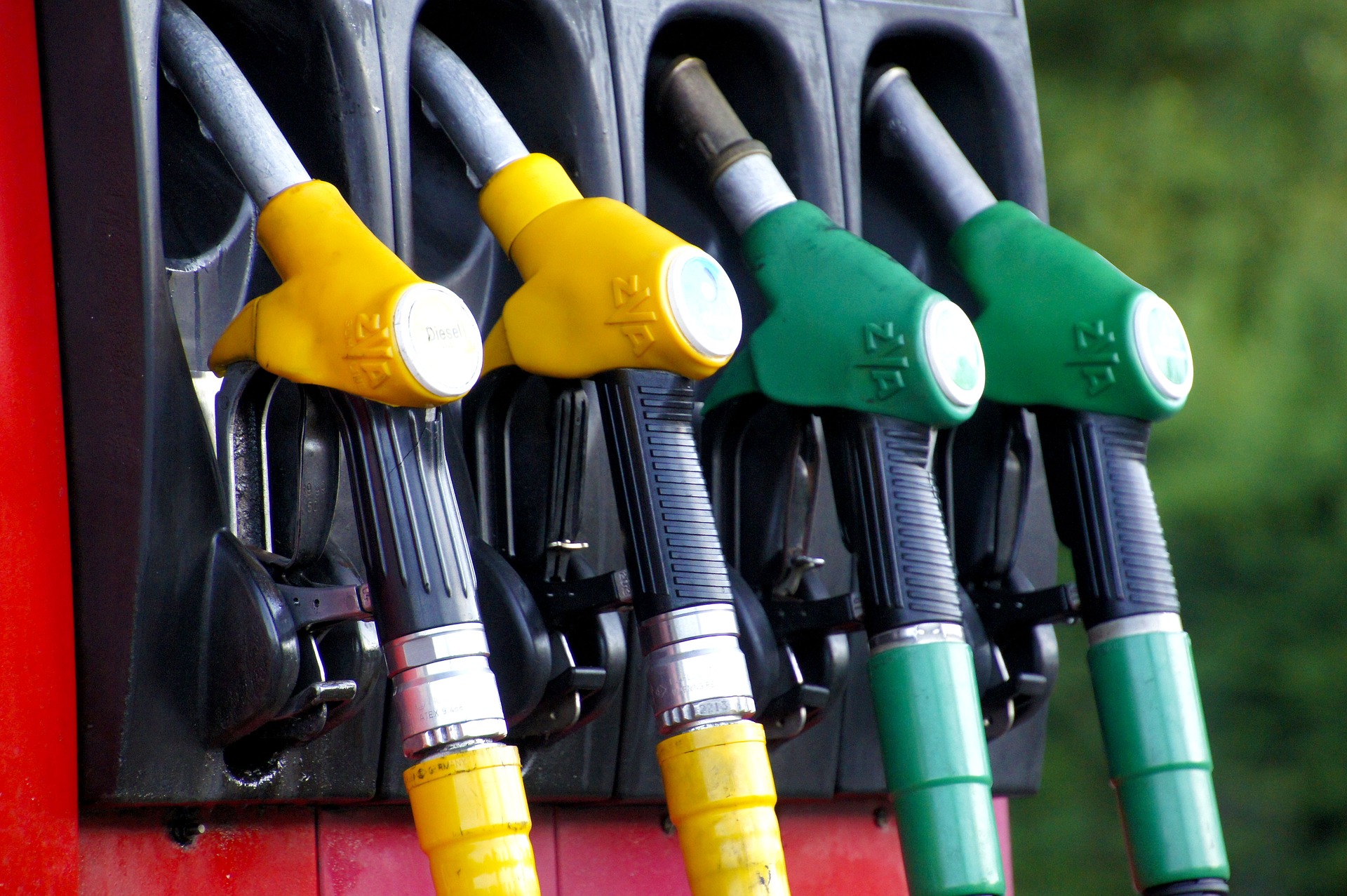
Aiming to Ensure Growth in the Fuel Market, Attract Investments, and Reduce Prices, the Federal Government Presented a Bill to Streamline Access to Sector Logistics by Companies in the Country.
The Federal Government, through President Jair Bolsonaro, presented in the Official Gazette of the Union (DOU) this Friday, (08/19), a bill to streamline access for companies in the fuel sector to logistics in the industry. This way, it will be possible to attract new investments to the national market, as well as enable a reduction in fuel prices amid the electoral race for the presidential elections this year, facilitating new positive views on the current administration.
Federal Government Bill Will Allow Third-Party Access to Fuel Transportation Logistics to Encourage Growth in the National Market
The Federal Government sent to the Federal Chamber a bill aimed at expanding access for third-party companies in the fuel sector to transportation logistics of resources. The move was made amid the electoral race for the presidency in 2022, as the Bolsonaro Government now seeks to ensure a reduction in product prices to support a positive view on the current State administration.
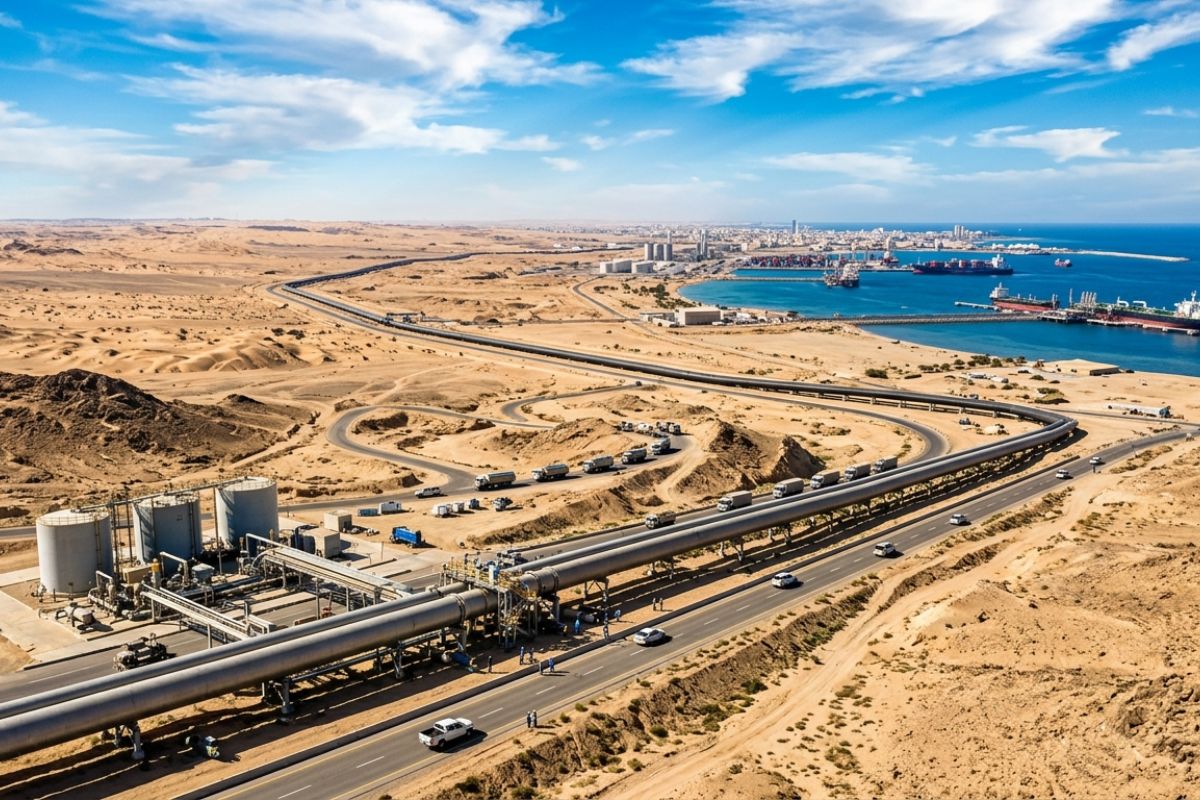
The new bill was developed by the Ministry of Mines and Energy and the Ministry of Economy, in partnership, to implement a series of changes in the National Energy Policy, thereby guaranteeing third-party companies in the fuel market access to transportation pipelines and waterway terminals.
-
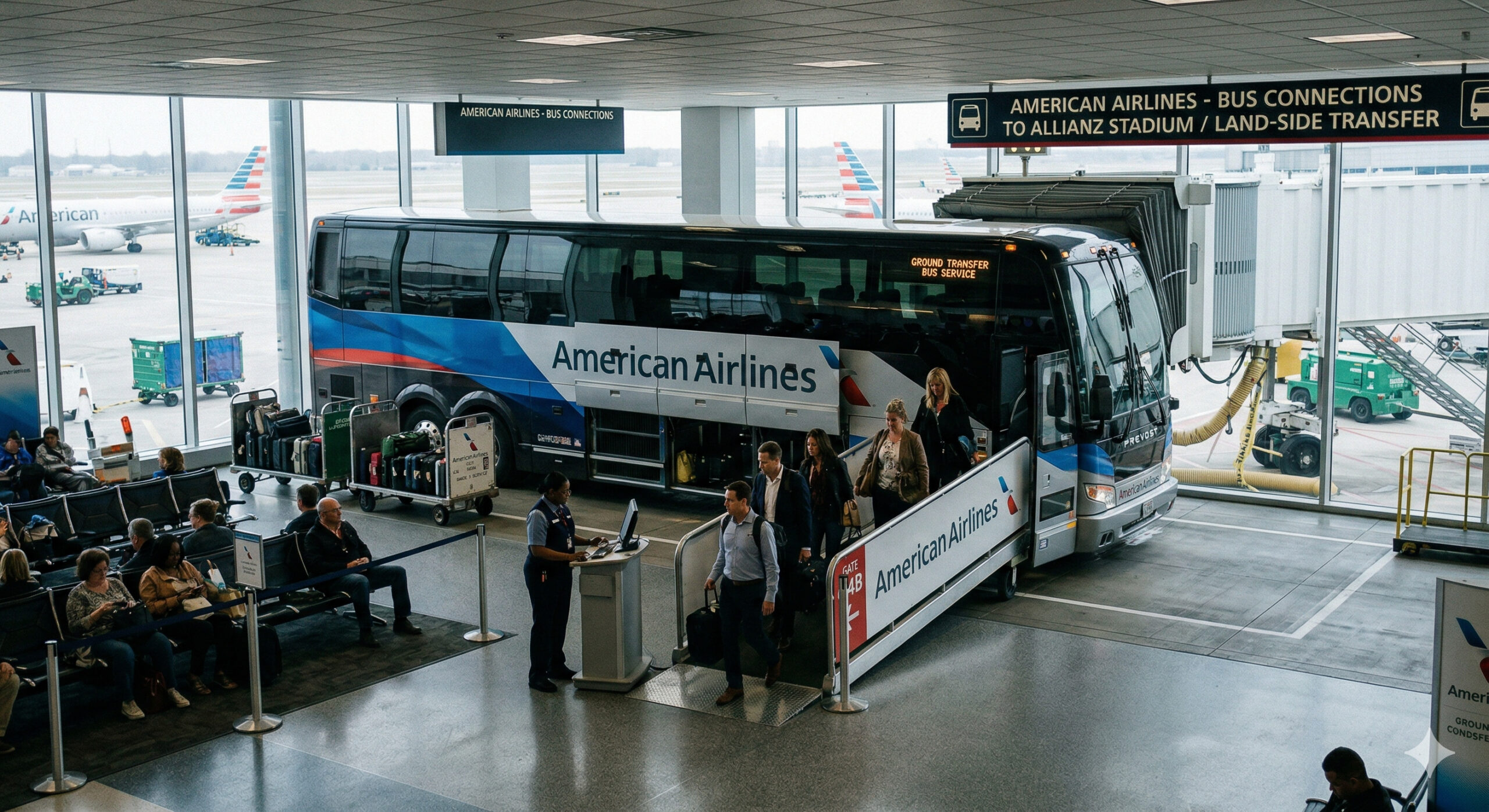
American Airlines starts selling trips as if they were flights, with check-in and baggage check at the airport, but on short routes, passengers board luxury buses connecting cities to major hubs in the U.S.
-
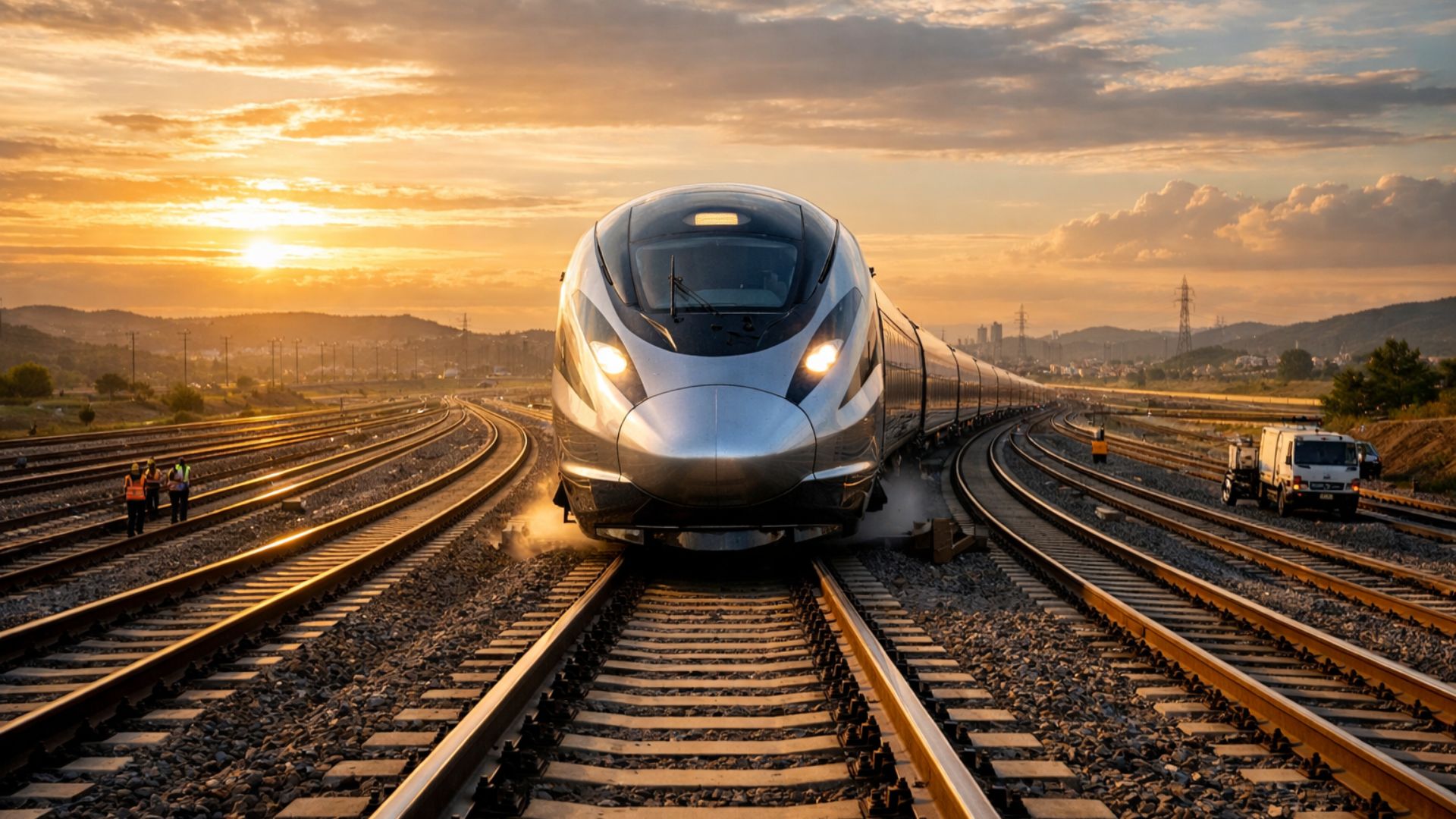
São Paulo surprises the world with a colossal railway network project that promises over 1,000 km of tracks, R$ 194 billion in investments, and 40 projects connecting the capital to the interior with fast and sustainable trains.
-
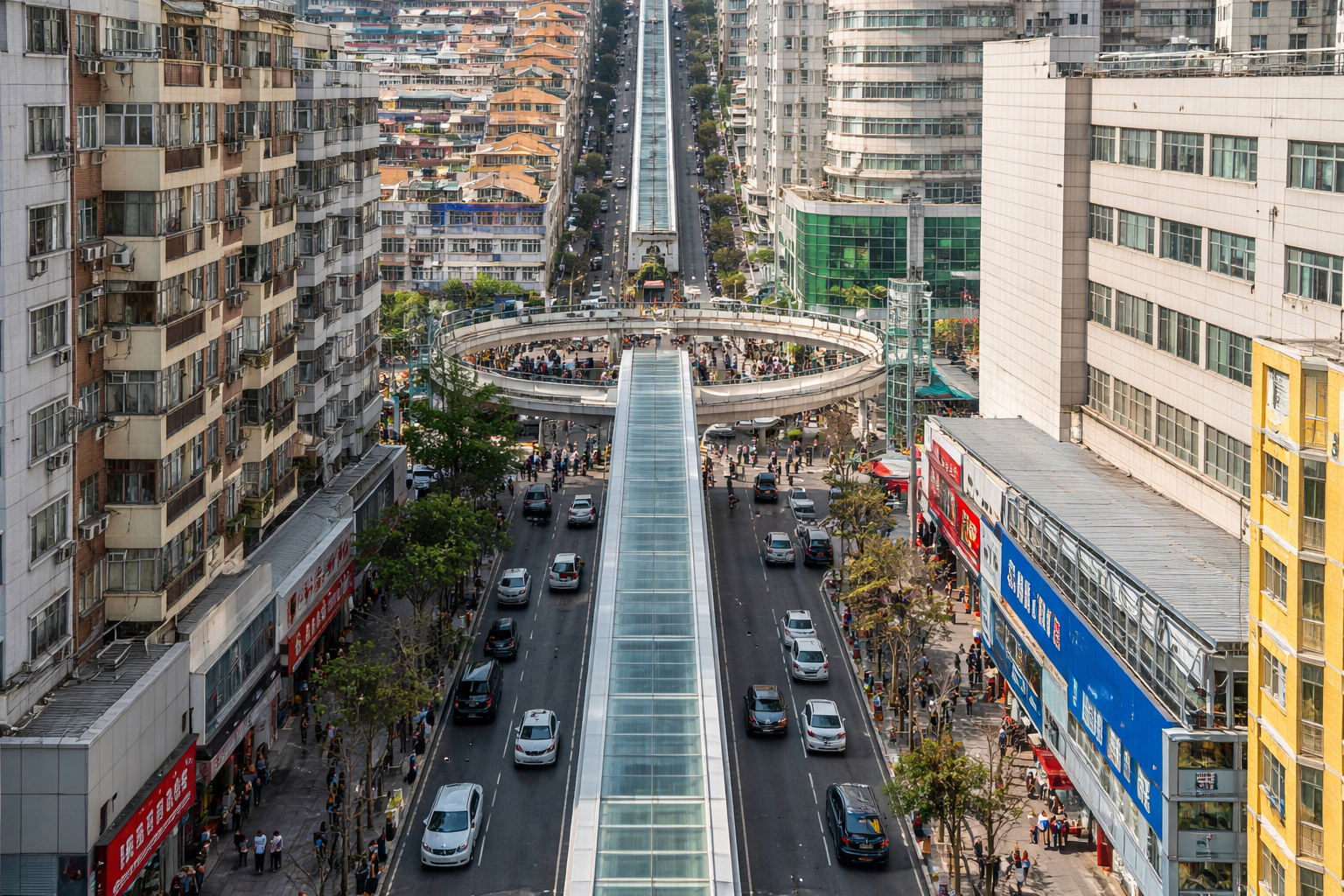
The world’s largest escalator, measuring 905 meters in China, reduces urban travel time from 1 hour to about 20 minutes and transforms mobility in mountainous regions with an engineering solution adapted to the terrain.
-
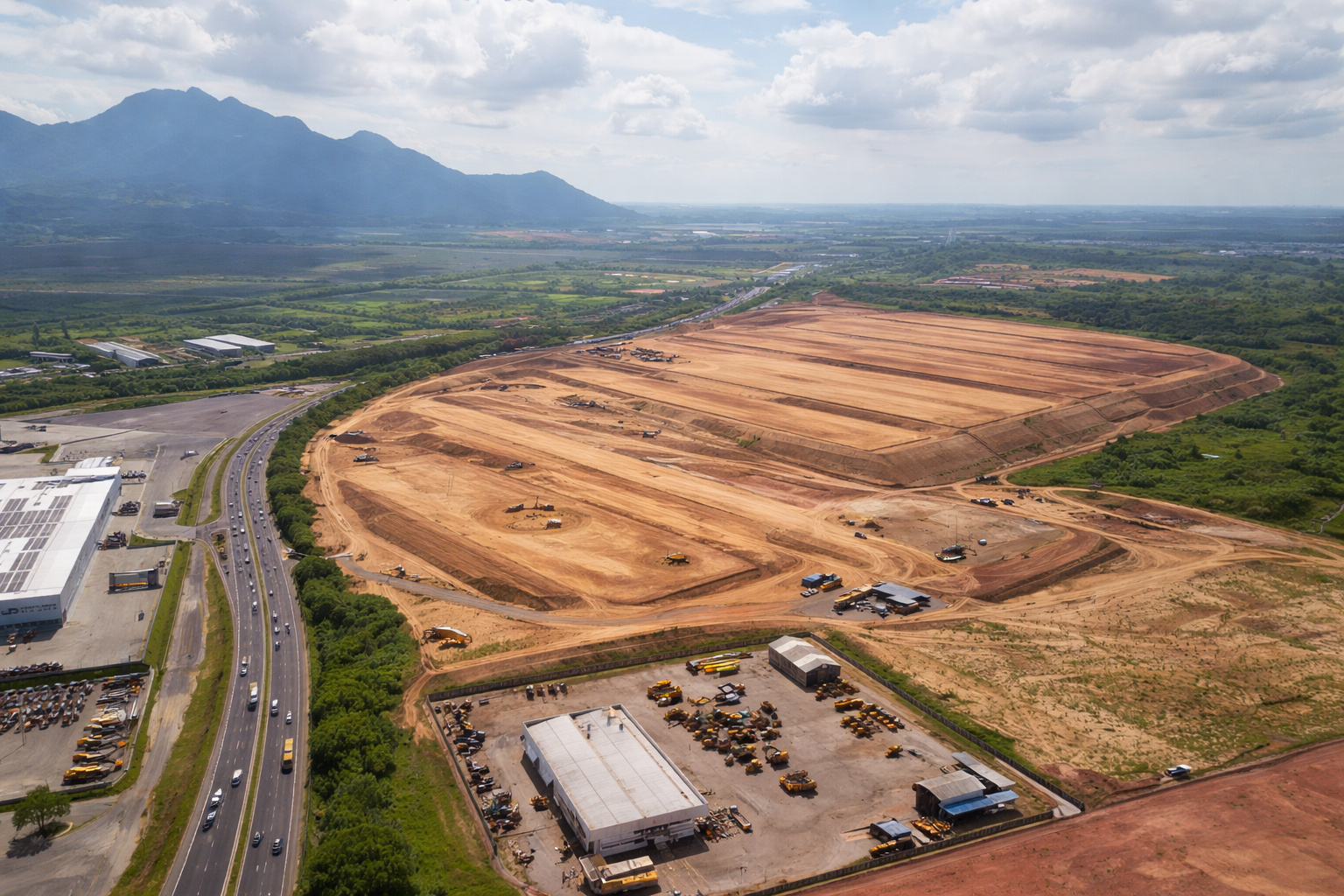
A R$ 300 million logistics giant is taking shape in Serra with over 100,000 m² and raises a question: how can this transform e-commerce and distribution in the state?

Furthermore, the Federal Government’s project also stipulates that all unused capacity in the fuel sector can be contracted by any interested party, a characteristic already provided for in the regulation, but not adopted in practice.
According to the Federal Government, the main objective of the new bill for the fuel market is to “increase competition in the fuel market, encourage investments, and thus provide price reductions to consumers.”
Additionally, it also seeks to strengthen the role of the National Agency of Petroleum, Natural Gas and Biofuels (ANP) “in ensuring non-discriminatory access to infrastructure by third parties and mitigating risks, especially those associated with the formation of regional monopolies.” Thus, the fuel market in Brazil would become even more attractive to investors with the streamlining of logistics for the projects.
Government Expects More Transparency and Flexibility in Transportation Logistics in the Fuel Market with New Bill
In addition to the incentives for streamlining transportation logistics in the fuel market, the Federal Government’s new bill also foresees the reduction of legal verticalization in the transportation sector of these resources.
This way, the government hopes to ensure more transparency and non-discriminatory access in the national fuel sector, enabling less bureaucracy, more reliability, and an even greater attractiveness for new ventures to be established in the country.
The Ministry of Mines and Energy stated in a recent note that, if the regulation is approved, the ANP will have new tools to curb the conduct of regulated agents that are not in compliance with access rules.
This is because the streamlining of logistical transportation for fuels with the opening of pipelines and waterway terminals allows for greater efficiency in getting products to consumers. As a result, not only will logistics benefit, but costs associated with operations will also decrease, consequently leading to lower fuel prices in the country.
Now, the Federal Government awaits the Federal Chamber’s approval to move forward with the bill and achieve the new proposals for the fuel transportation sector in Brazil, accelerating the segment’s growth still in 2022.







Seja o primeiro a reagir!