





 Portuguese
  English
  Spanish
 2 min of reading


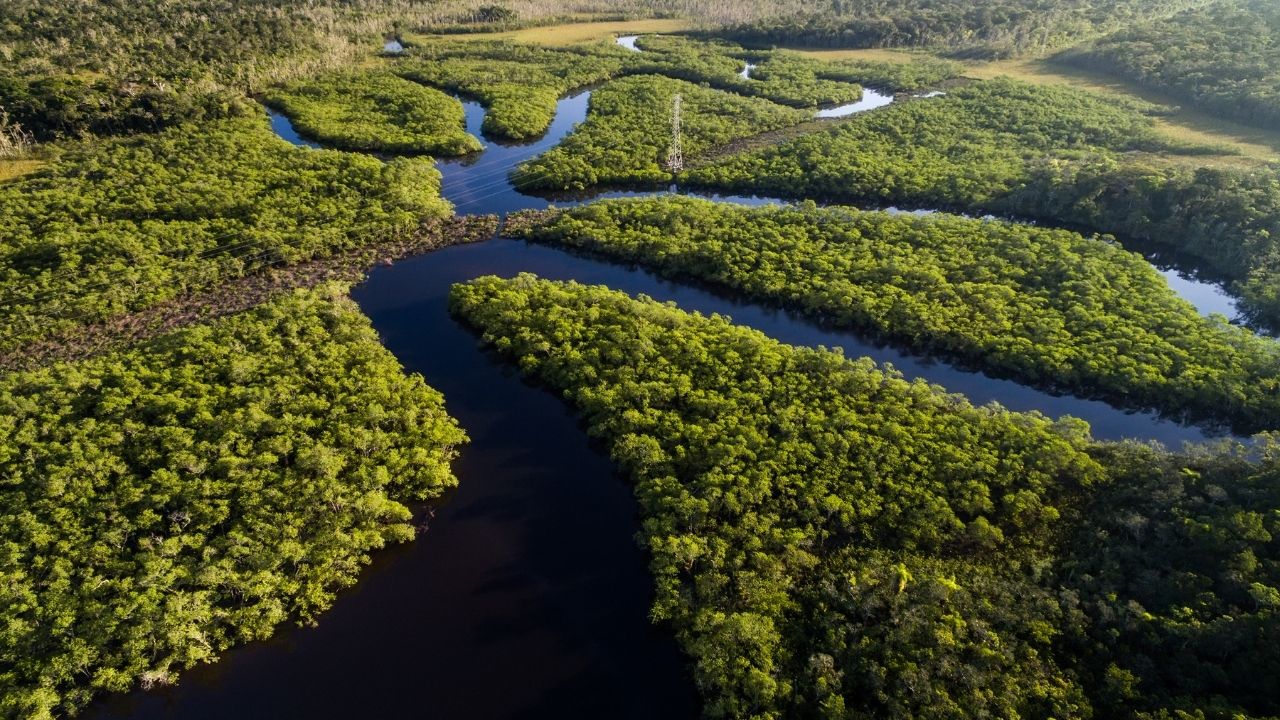
Government Will Invest R$ 5 Billion in Program to Connect Isolated Systems in the Amazon to the National Interconnected System.
After the federal government opened over 8,000 positions in public contests for 2023, it announced the creation of the decarbonization program Energias da Amazônia, which will have an investment of R$ 5 billion to connect isolated systems to the National Interconnected System (SIN). The program’s objective is to interconnect isolated locations in the Amazon region to the SIN, build renewable energy plants, energy storage capacity, and implement energy efficiency measures.
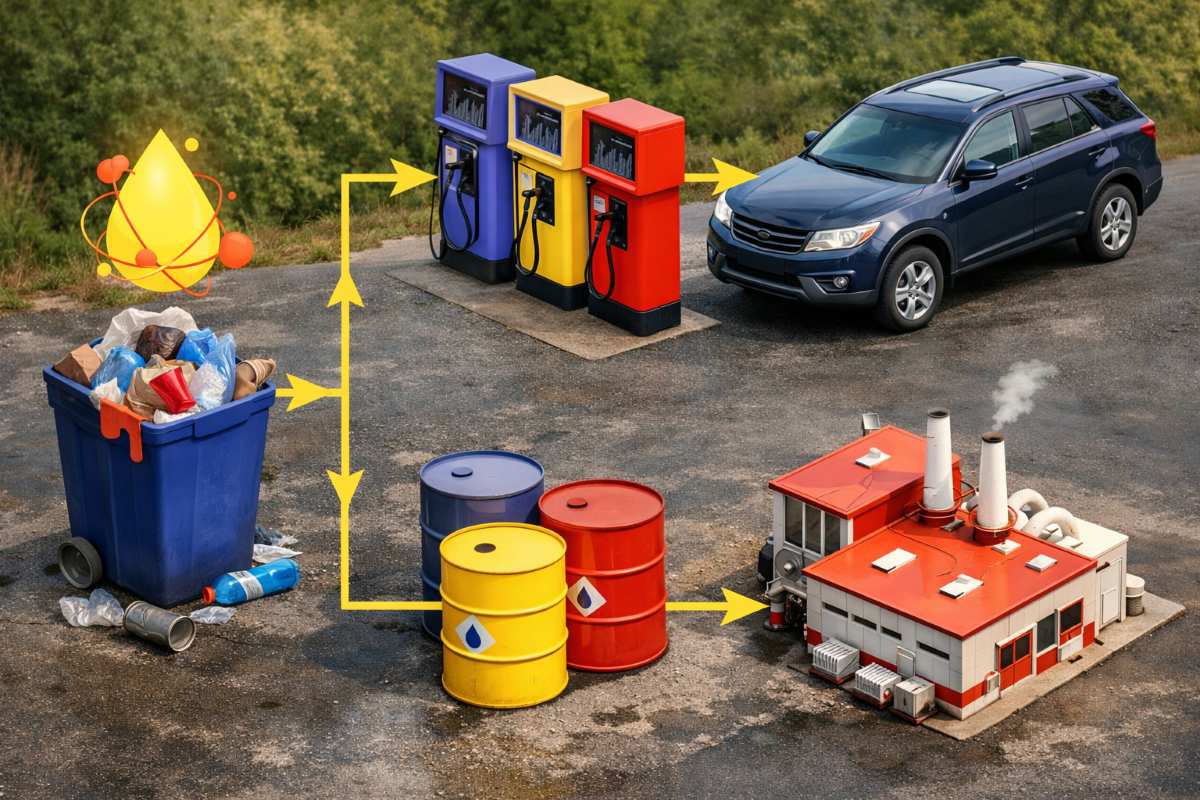
The actions planned in the program include the installation of electrical transmission and distribution networks to interconnect isolated systems to the SIN, the construction of plants to generate energy from renewable sources or with low carbon content, such as biomass, biogas, and energy recovery from waste, and the creation of energy storage capacity.
Additionally, the program also aims to integrate different isolated or remote locations, install intelligent and digital network management systems, implement loss reduction projects, energy efficiency, and demand response, and import electricity that reduces greenhouse gas emissions or costs.
-
IR 2026 will affect those who have crypto: the Revenue Service receives monthly data, pre-filled forms pull even cashback from Mercado Pago, and exchanging Bitcoin for USDT becomes a taxable sale; declare correctly or fall into scrutiny.

-
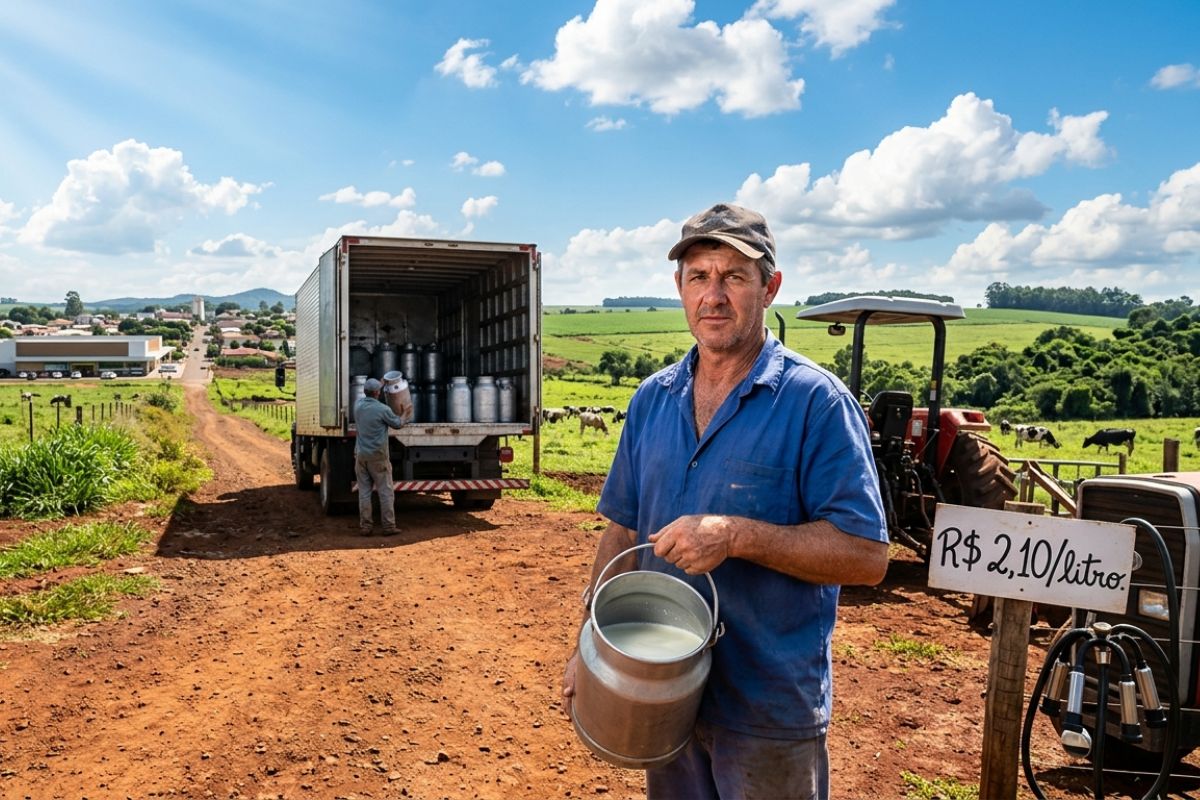
In Paraná, long-life milk prices rise by 17% and powdered milk by nearly 9%, but producers still receive R$ 2.10 while the market charges R$ 7; middlemen keep the difference and are awaiting a price adjustment.
-
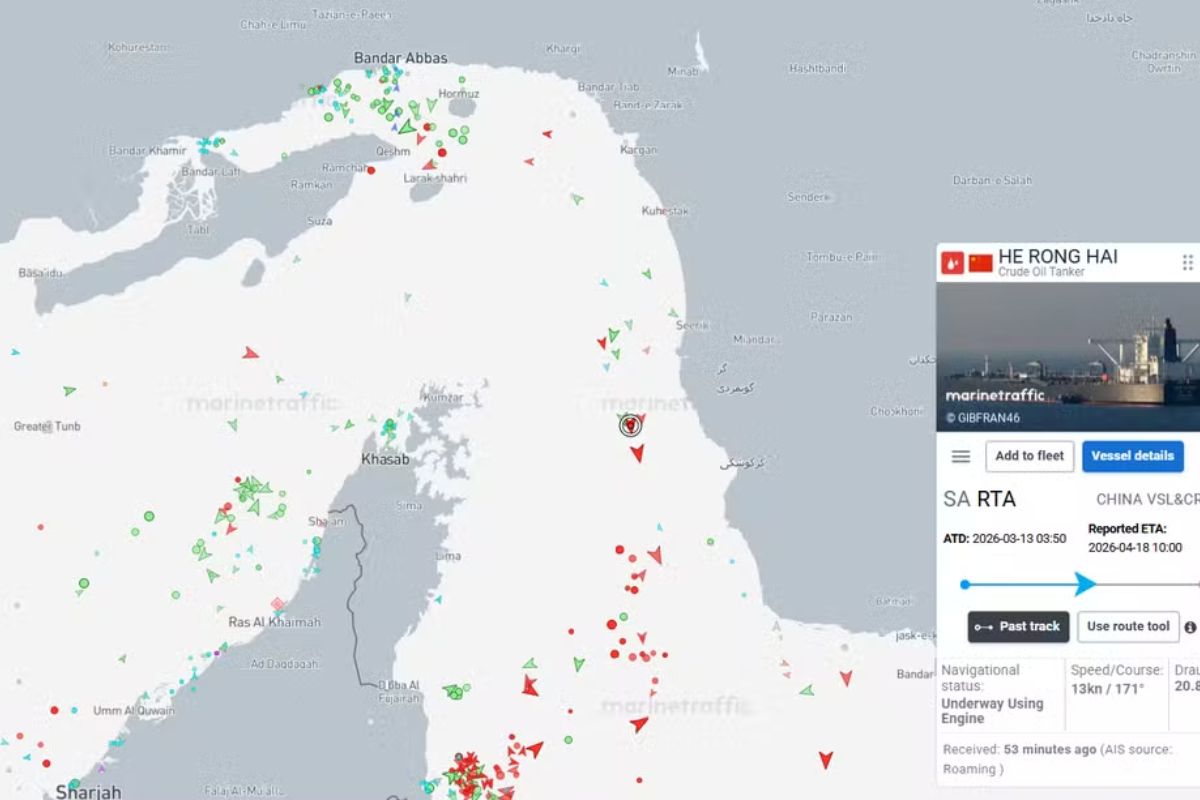
Two Chinese supertankers chartered by Asia’s largest refiner have just crossed the Strait of Hormuz and may be the first to leave the Persian Gulf since the ceasefire between the United States and Iran on a route that still has mines and uncertainties.
-
While Havan earns R$ 50 million per day throughout the year, Cacau Show managed six times more in just 24 hours, totaling half a billion reais in two days of Easter.

Currently, over 3.1 million people depend on energy from isolated systems, which are powered by diesel generation. With the interconnection to the SIN, energy will be generated from cheaper and less polluting sources, such as hydropower, natural gas thermal, wind, and solar.
First Connected City
The first city to be connected by the program was Parintins, in Amazonas, where a thermoelectric plant was turned off, which represented monthly consumption of 4 million liters of diesel oil. The Northern region of Brazil spends about R$ 12 billion per year to meet the energy demand of the isolated systems in the Amazon.
According to data from the Ministry of Mines and Energy, the 211 isolated units in the Amazon region emit about 2.3 million tons of CO2 annually. With the interconnection and adoption of renewable sources, it is expected to avoid around 1.5 million tons of CO2.
The isolated systems of the Legal Amazon are present in six states in the Northern region, with the state of Amazonas concentrating the highest number, with 97 isolated units. These systems exhibit high levels of losses, reaching over 70% in some locations.
Source: EPBR





Seja o primeiro a reagir!