






 Portuguese
  Spanish
 2 min of reading


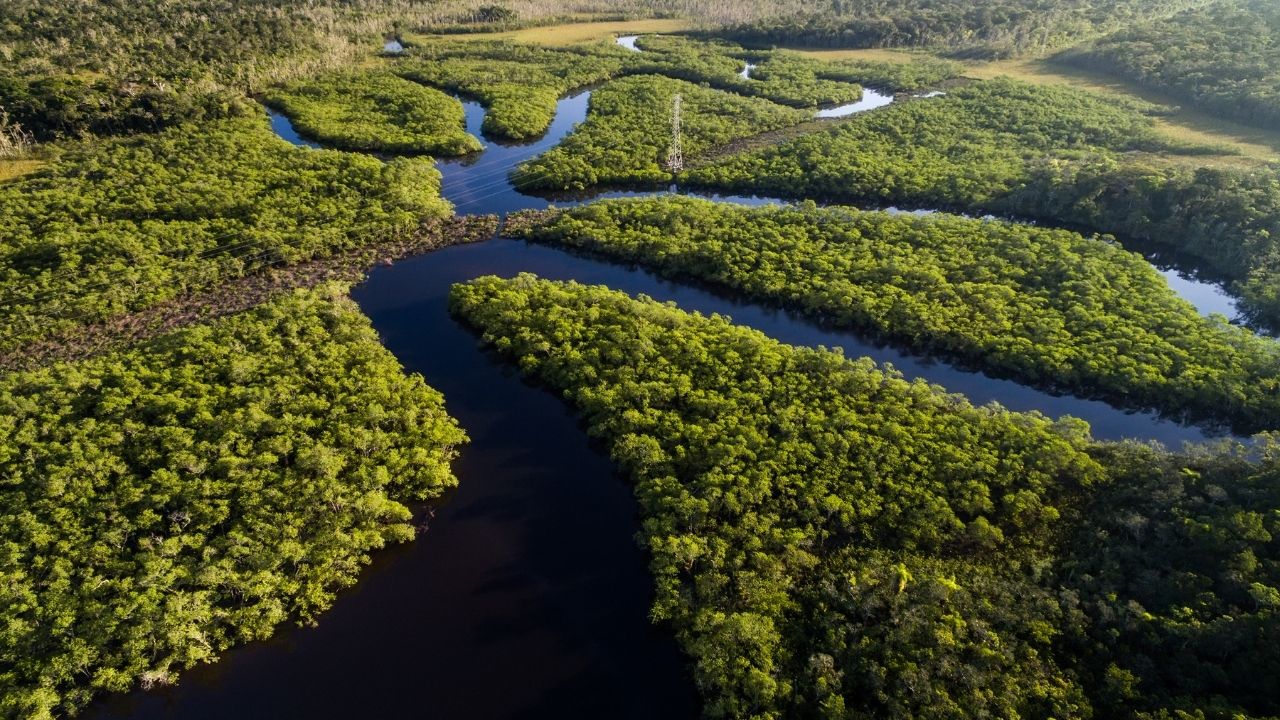
Government Will Invest R$ 5 Billion in Program to Connect Isolated Systems in the Amazon to the National Interconnected System.
After the federal government opened over 8,000 positions in public contests for 2023, it announced the creation of the decarbonization program Energias da Amazônia, which will have an investment of R$ 5 billion to connect isolated systems to the National Interconnected System (SIN). The program’s objective is to interconnect isolated locations in the Amazon region to the SIN, build renewable energy plants, energy storage capacity, and implement energy efficiency measures.
The actions planned in the program include the installation of electrical transmission and distribution networks to interconnect isolated systems to the SIN, the construction of plants to generate energy from renewable sources or with low carbon content, such as biomass, biogas, and energy recovery from waste, and the creation of energy storage capacity.
Additionally, the program also aims to integrate different isolated or remote locations, install intelligent and digital network management systems, implement loss reduction projects, energy efficiency, and demand response, and import electricity that reduces greenhouse gas emissions or costs.
-
Brazilian Joins Homeownership Consortium, Faces Decade of Dual Payments Totaling $141,000, Surpassing Traditional Mortgage

-
Land Rover to Halt Production in July, Putting 371 Jobs at Risk, as Chinese Automaker Negotiates to Convert Factory to 100,000 Vehicles Annually by 2027

-
Mexican Pest Threatens U.S. Cattle Herds at Historic Lows, Potentially Boosting Brazilian Beef Exports as Burger Prices Soar

-
Brazilian Freight Bill Progresses in Congress with $5,000 Minimum Wage, 70% Advance Payment, and Fines Up to $1 Million, as Agriculture and Industry Warn of Rising Costs and Legal Uncertainty


Currently, over 3.1 million people depend on energy from isolated systems, which are powered by diesel generation. With the interconnection to the SIN, energy will be generated from cheaper and less polluting sources, such as hydropower, natural gas thermal, wind, and solar.
First Connected City
The first city to be connected by the program was Parintins, in Amazonas, where a thermoelectric plant was turned off, which represented monthly consumption of 4 million liters of diesel oil. The Northern region of Brazil spends about R$ 12 billion per year to meet the energy demand of the isolated systems in the Amazon.
According to data from the Ministry of Mines and Energy, the 211 isolated units in the Amazon region emit about 2.3 million tons of CO2 annually. With the interconnection and adoption of renewable sources, it is expected to avoid around 1.5 million tons of CO2.
The isolated systems of the Legal Amazon are present in six states in the Northern region, with the state of Amazonas concentrating the highest number, with 97 isolated units. These systems exhibit high levels of losses, reaching over 70% in some locations.
Source: EPBR





Be the first to react!