





 Portuguese
  English
  Spanish
  4 min of reading
  0 comments


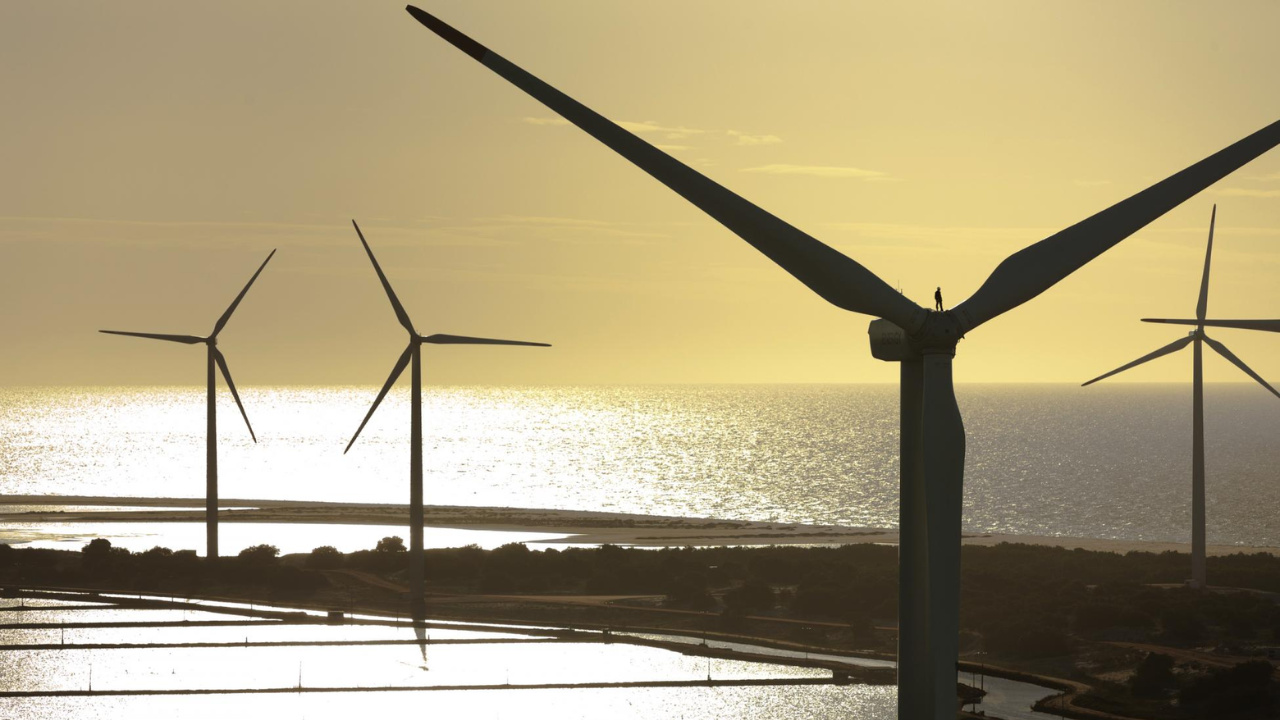
Federal Government Proposes That States Regulate Wind Energy to Reduce Socio-Environmental Impacts in the Semi-Arid Region. Suggestion Was Presented During the Caatinga Climate Week in Caruaru, with Participation From Janja and the Representatives of COP30.
During the opening of the Caatinga Climate Week, held in Caruaru (PE), the Minister of the General Secretariat of the Presidency, Márcio Macêdo, highlighted that the Federal Government is suggesting that each state, through its Legislative Assemblies, create specific laws to regulate wind energy parks. The proposal aims to prevent the environmental and social impacts of these enterprises from multiplying, especially in regions such as Pernambuco and Rio Grande do Norte, where there is strong expansion of this sector. The news was announced this Thursday, the 2nd.
Macêdo emphasized the need to ensure environmental compensations for communities living around the wind farms. “Wind energy is a reality that is here to stay. What we need is to solve the existing problems so that they are not amplified in other states,” said the minister.
Wind Energy in the Northeast: Benefits and Impacts Under Discussion
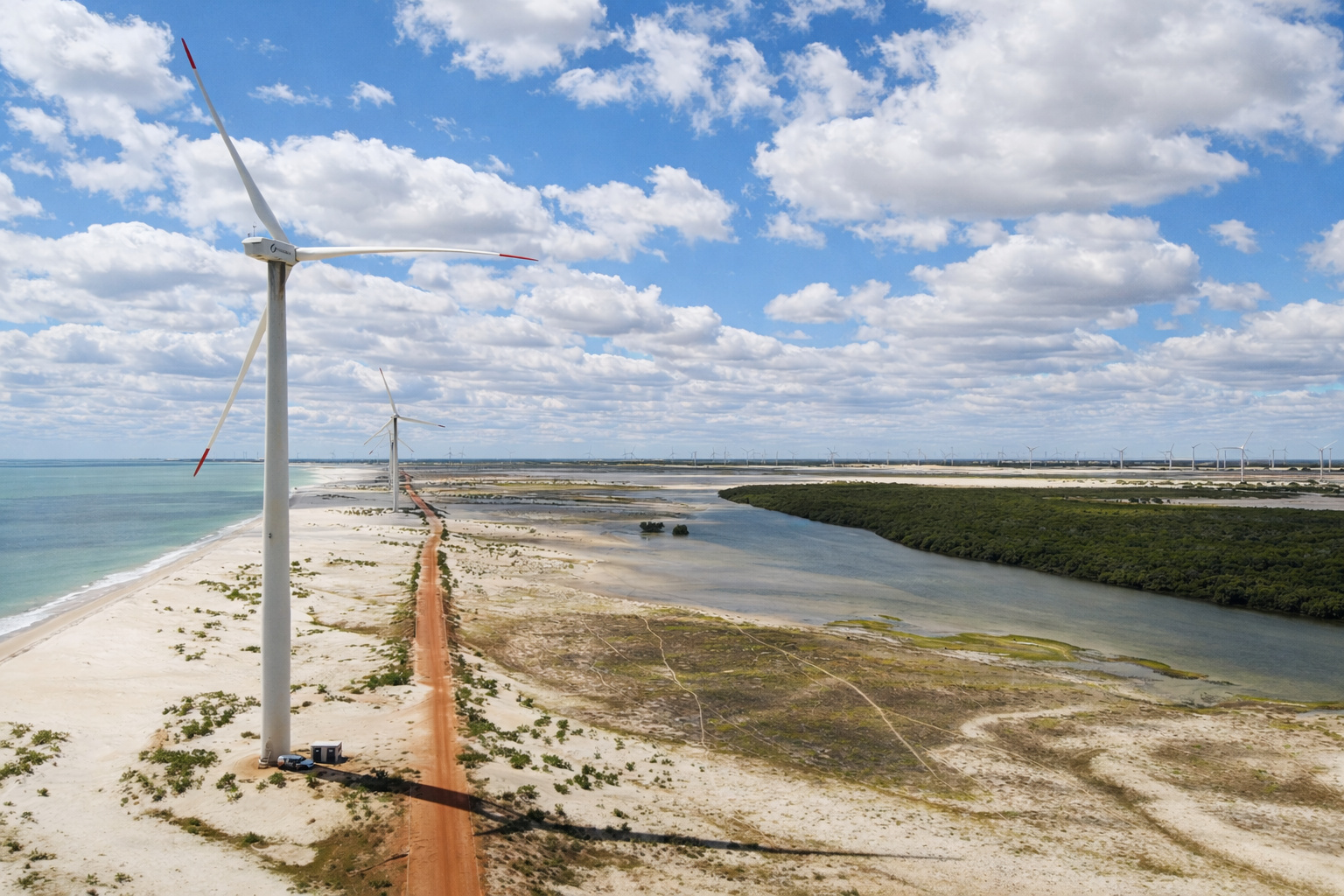
The Northeast concentrates the majority of Brazil’s wind farms, located mainly in the semi-arid region. This area is home to the Caatinga, the only exclusively Brazilian biome, which is already experiencing severe consequences from climate change and desertification. Despite being a clean and renewable energy source, the installation of wind turbines has been generating social and environmental disputes.
-
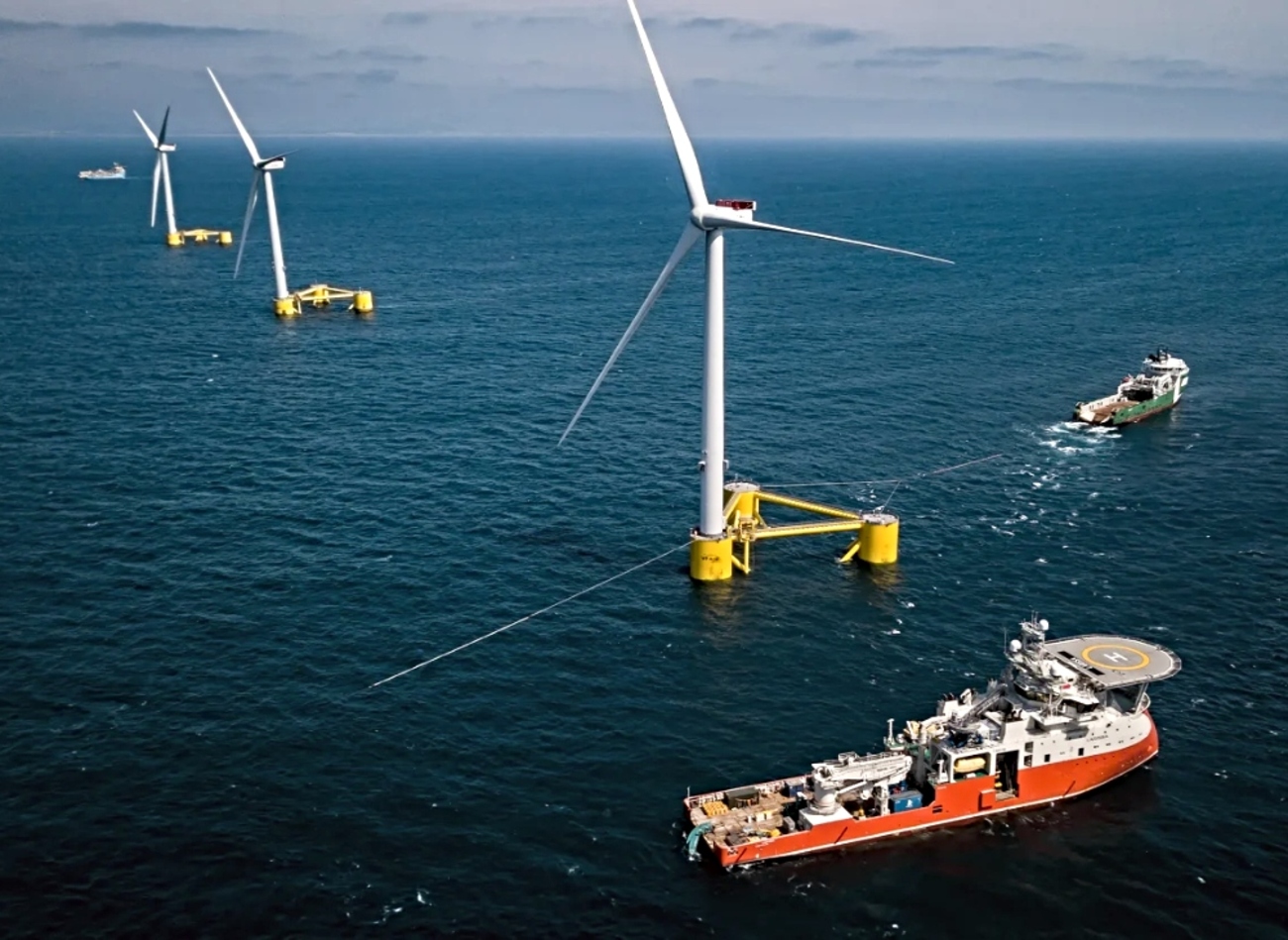
Investment in offshore wind energy could reach R$ 900 billion and promises to transform Brazil’s energy matrix in the next decade.
-
China accelerates offshore wind energy and sets new installed capacity records to lead global decarbonization.
-
Giant of the winds in Rio Grande do Norte: Serra do Tigre Wind Complex receives new investments and accelerates the expansion of clean energy generation to supply millions of Brazilian homes.
-
Urgent energy transition: Greenpeace advocates for massive investments and points to Brazil as a global leader in wind energy production in the coming years.
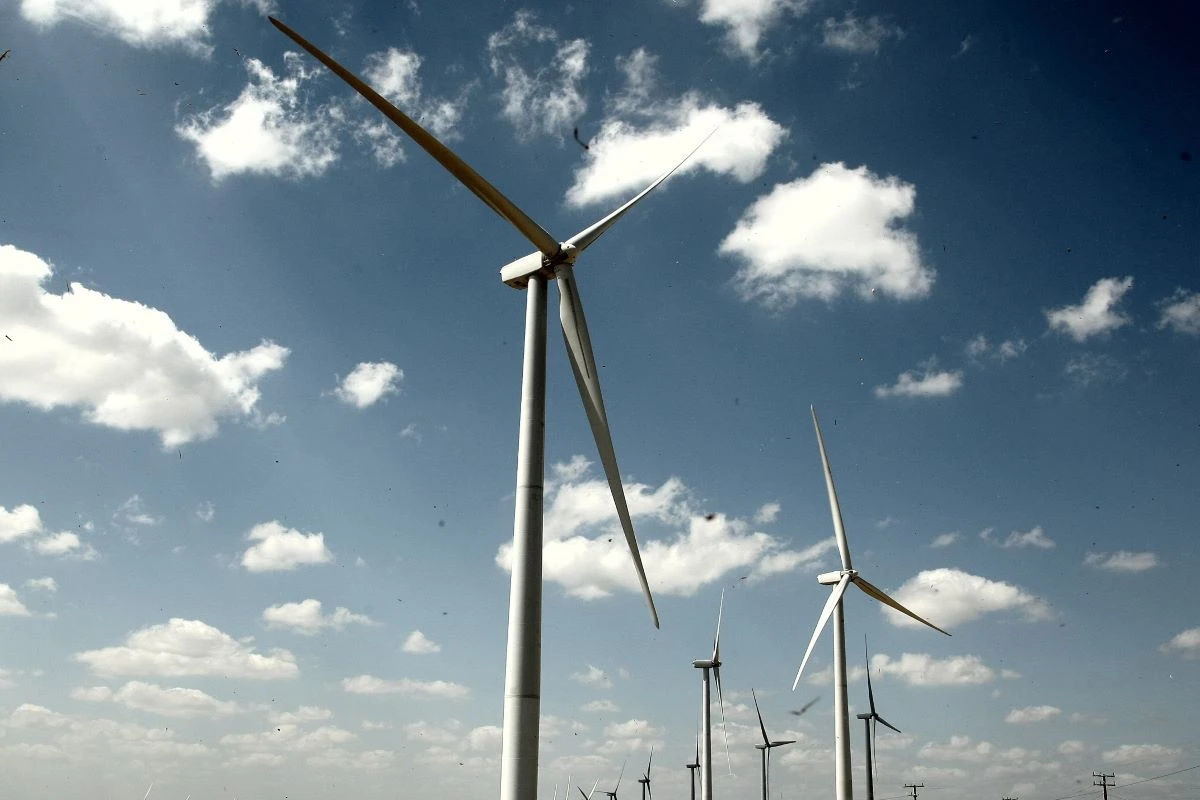
Among the problems reported by local communities are the loss of territories, forced removals, contracts deemed abusive, and health issues. A study conducted by the University of Pernambuco (UPE), in partnership with Fiocruz, indicated that over 70% of people living near the turbines suffer from stress, anxiety, depression, or vision problems.
The impacts also affect the economy of farming families. Animals such as cattle, pigs, and even bees have reduced production, compromising the income of small producers.
State Initiatives and Community Criticisms
In 2024, the governor of Pernambuco, Raquel Lyra (PSD), published a normative instruction with guidelines to minimize the impacts of wind energy. However, social movements and farmers considered the measure insufficient. The main reason was the absence of a rule regarding the minimum distance between wind turbines and residences, leaving the decision to the discretion of the companies.
Representatives of the Centro Sabiá, organizer of the Caatinga Climate Week, stated that the lack of stricter policies facilitates unequal agreements between companies and communities, often with the approval of local governments. They cited the cases of Venturosa and Caetés, in Pernambuco’s Agreste, where licenses were renewed even after ten years of complaints about negative effects.
Voices of the Biomes and Civil Society Participation
The Caatinga Climate Week also marked the arrival of the Voices of the Biomes project, which integrates Brazil’s preparation for COP30 in Belém. The initiative is led by First Lady Janja Lula da Silva, lawyer Denise Dora, and physician Jurema Werneck. Together, they have been listening to social leaders from across the country to draft documents that reflect the demands of each Brazilian biome.
In Caruaru, local leaders, traditional peoples, and agroecological farmers presented their main claims. The proposals will be part of a letter that will be delivered directly to the COP30 negotiators, ensuring that local knowledge has a place in global climate discussions.
Janja highlighted the need to expand international funding beyond the Amazon. “Just as there is the Amazon Fund, we need to think about funds for other Brazilian biomes. The Pampa, for example, is trinational and one of the most degraded. This concern should be included in the final letter of the Caatinga Climate Week,” she said.
The Caatinga Climate Week and the Role of the Federal Government
Inspired by international meetings on climate change, the Caatinga Climate Week travels through seven municipalities in the Agreste and sertão of Pernambuco until October 4. The event brings together over 100 indigenous leaders, quilombolas, family farmers, scientists, and social movements.
The discussions revolve around solutions already tested in local communities, such as seed banks, agroecological practices, and social technologies for climate adaptation. The idea is to unite science and traditional knowledge to build sustainable alternatives in the face of the environmental crisis.
The Caatinga, historically stigmatized by poverty, is one of the biomes richest in biodiversity and popular culture. It is estimated that 28 million people live in this territory, which is also one of the most vulnerable in the world to desertification.
According to the annual report from MapBiomas, over 3,000 hectares of the Caatinga have already been deforested by renewable energy enterprises, mainly solar and wind parks. This data reinforces the need for clearer and fairer regulation so that the energy transition occurs without compromising rights and territories.
Energy Transition and Social Justice at the Center of Discussions
The debate in Caruaru showed that, although wind energy is one of the main alternatives to reduce carbon emissions, its expansion needs to consider the social dimension. For the federal government, state regulation can help balance clean energy generation with environmental preservation and the rights of affected populations.
The challenge is to advance towards a model of energy transition that unites sustainability, social justice, and community participation. And, in this scenario, the northeastern semi-arid region emerges as a central space, both for the strength of its winds and for the historical resistance of its people.






Seja o primeiro a reagir!