





 Portuguese
  English
  Spanish
  3 min of reading


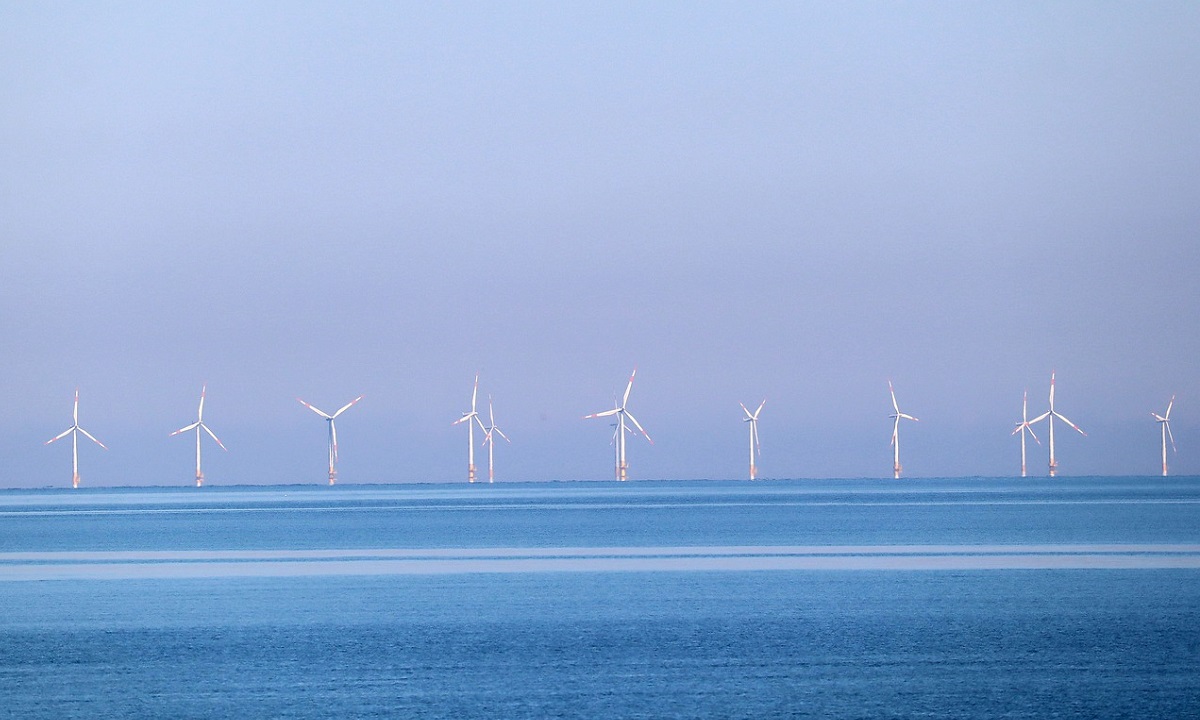
The Project That Is Undergoing Approval by The Government Will Establish Offshore Use Rules for Wind and Solar Energy Generation at Sea
The government is processing the approval, still this year, of the regulatory framework for offshore wind, tidal, and solar energy at sea. The government’s project provides for the inclusion of rules for the use of Brazilian waters and other bodies of water of the Union for generating clean energy, in the case of solar and wind energy offshore.
According to sources, what is interesting for the government would be to validate the project still in October of this year, between the first and second rounds of the election, in order to reinforce one of President Bolsonaro’s campaign speeches: the approval of the legal sector frameworks that unlock investments. However, the most likely scenario is that the approval of the new offshore wind and solar energy project will take place after the second round of the elections, before the end of the legislative year, according to UOL news.
Steps for Approval of The Offshore Wind and Solar Energy Project
For the project to be approved, the political articulation to accelerate validation involves the Minister of Economy, Paulo Guedes, the presidents of the Senate and the Chamber, Rodrigo Pacheco (PSD-MG) and Arthur Lira (PP-AL), and the government leader in the Senate, Carlos Portinho (PL-RJ). The expected agreement in the Chamber is that the text will be reported by Deputy Zé Vítor (PL-MG), from the party of the current president and from Pacheco’s state.
-
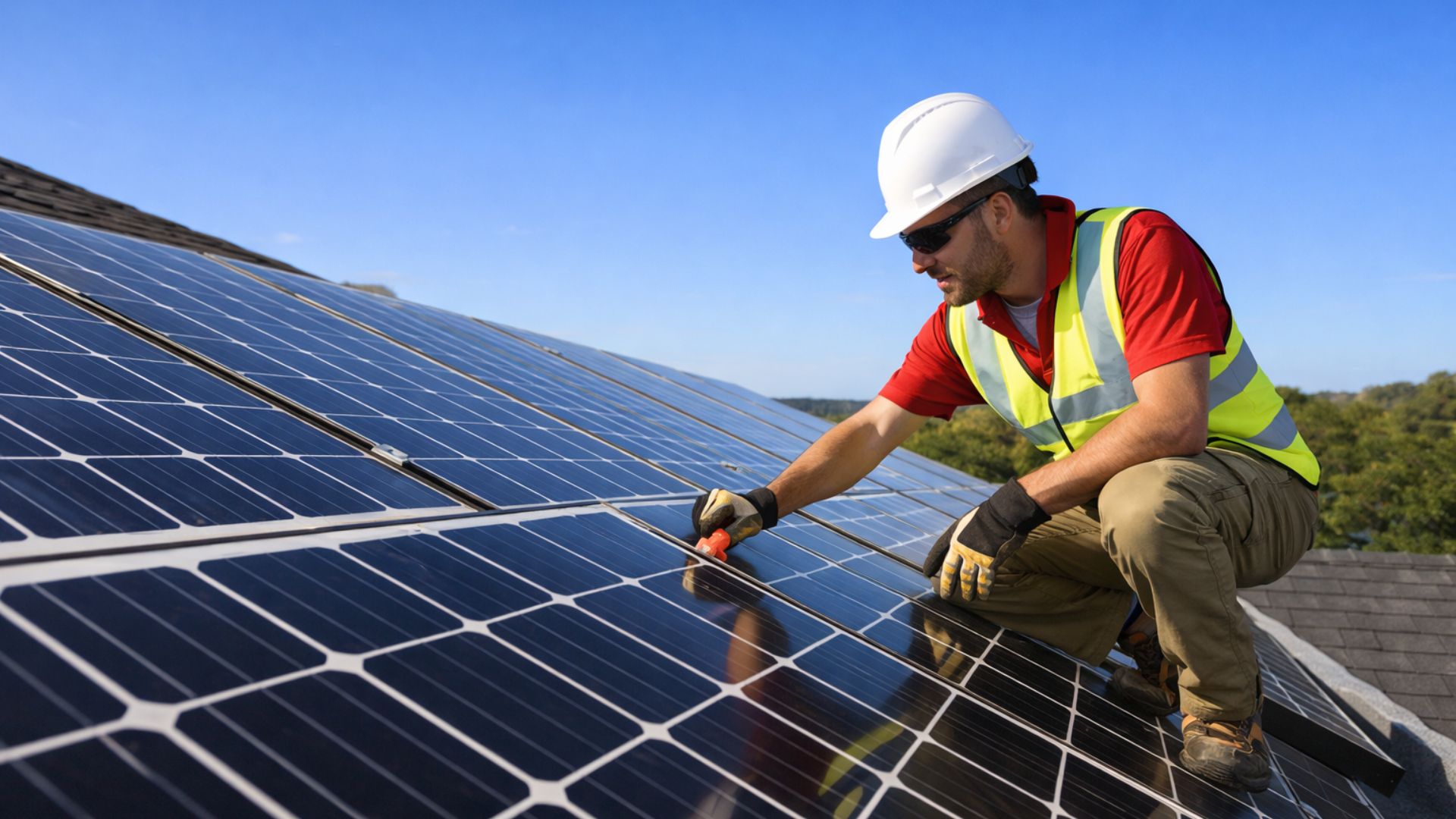
Seagri’s headquarters invests in solar energy with Neoenergia Coelba and promises to cut electricity costs, highlighting a strategic advance in sustainability and energy efficiency within state public administration.
-
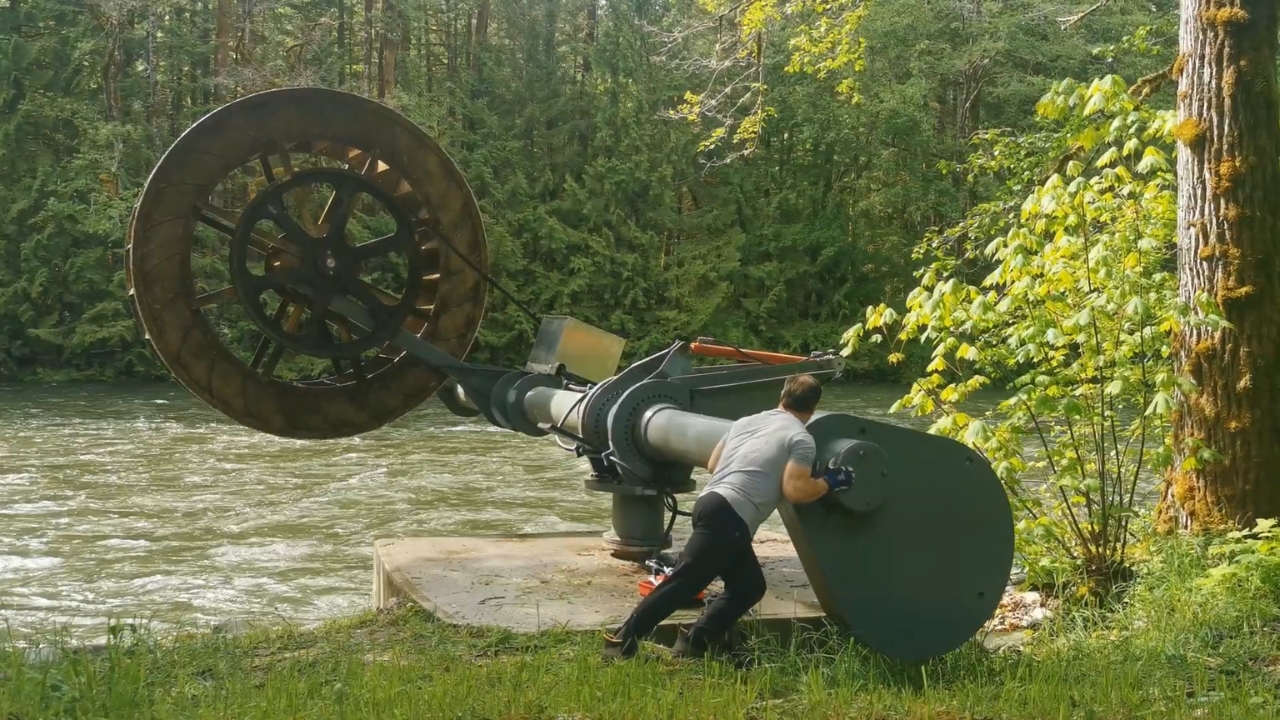
A Canadian retiree creates a hydroelectric system on a real river, generating energy continuously throughout the day and demonstrating how the power of water can supply a house with stability even in a simple structure.
-
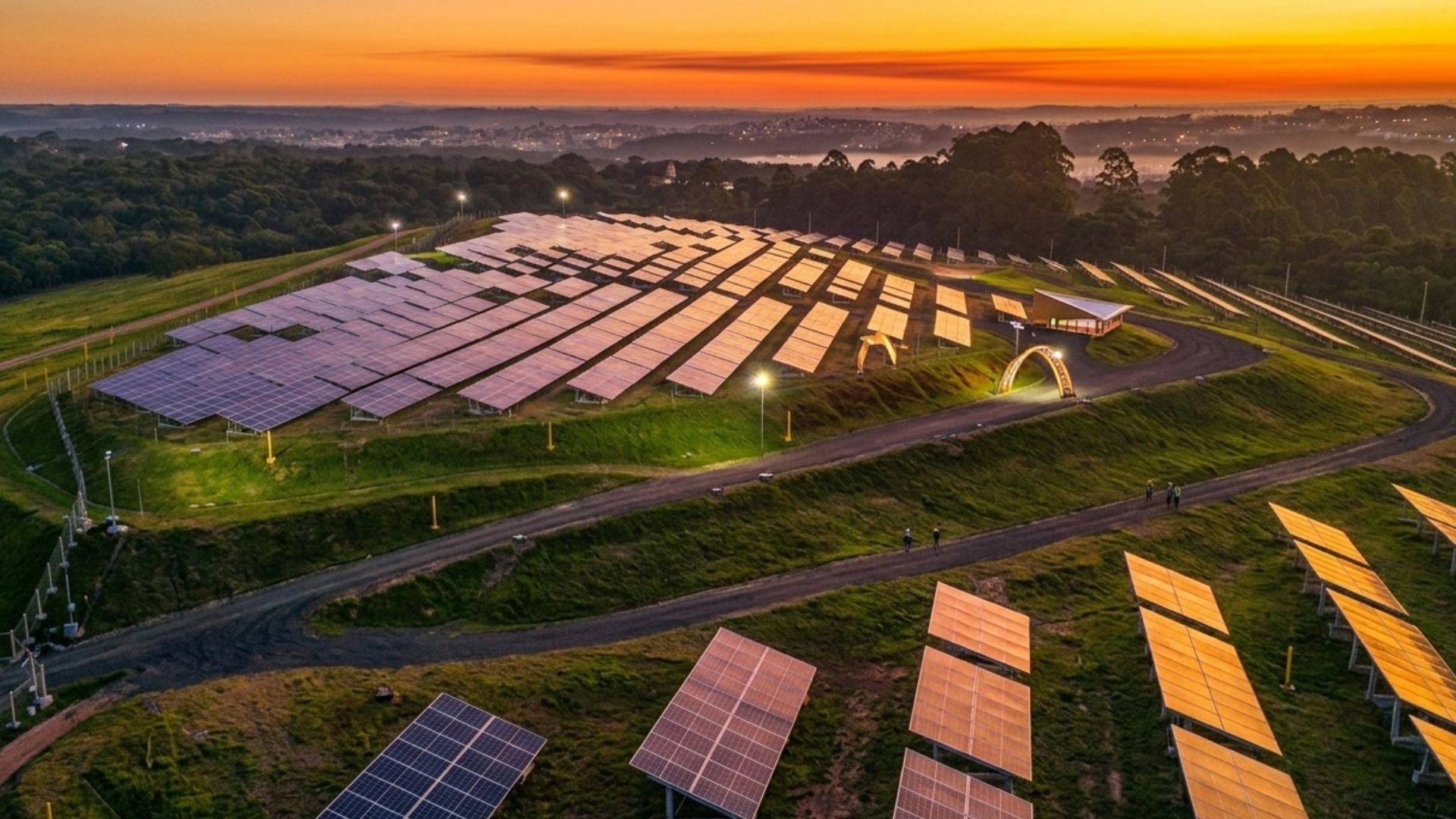
Solar Pyramid draws attention by converting solar energy into million-dollar savings and repositioning the City Hall of Curitiba as an example of innovation, sustainability, and intelligent use of public resources.
-
Giant of the winds in Rio Grande do Norte: Serra do Tigre Wind Complex receives new investments and accelerates the expansion of clean energy generation to supply millions of Brazilian homes.

This agreement between the two Houses and with the government is important since the text was approved in the Senate (PL 576/2021), and, as it will undergo changes, it will have to be analyzed again by the House. In the Chamber, there is already an articulation to optimize the processing with a request for urgency, which, if approved, will take the offshore wind and solar energy project text directly to a plenary session.
Last week, the Senate rapporteur and government leader, Carlos Portinho (PL-RJ), met with Minister Guedes to discuss the matter and confirmed that the project is urgent: “My conversation was to seek support so that the government can support the processing in the Chamber. It is a priority project of the government and is in the president’s speech and in all of Minister Guedes’ speeches.”
In addition to support from the government and the presidents of the Houses, this text of the offshore wind and solar energy project is an opposition project. In the Senate, the proposal is authored by Jean Paul Prates (PT-RN), the minority leader, who will have to explain the text when it returns from the Chamber.
Report on The Offshore Wind and Solar Energy Project
The report by Senator Carlos Portinho on the offshore energy project from Senator Jean Paul was validated in the Senate Infrastructure Commission on August 17, from where it moved to the Chamber. It provides for the exploration of solar and wind energy off the coast, offshore, through another authorization, which is a usage license.
According to the senator’s report, the exploration of offshore solar and wind energy must comply with certain rules, such as respecting maritime use of the waters, protecting the environment and the ocean, and also requires accountability for the impacts of the energy generation activity of wind and solar energy.
The value of the authorization for the exploration of offshore areas, where the signing bonus is already included, will be divided among the Union, States, and municipalities, and all resources must be distributed in the areas of public education and health. The areas for exploring wind and solar energy cannot coincide with blocks in the oil and natural gas sector, shipping routes, and environmental protection areas, such as Abrolhos.









Seja o primeiro a reagir!