





 English
  Francês
  Alemão
  Italiano
  Japonês
  Norueguês
  Portuguese
  Spanish
  3 min of reading


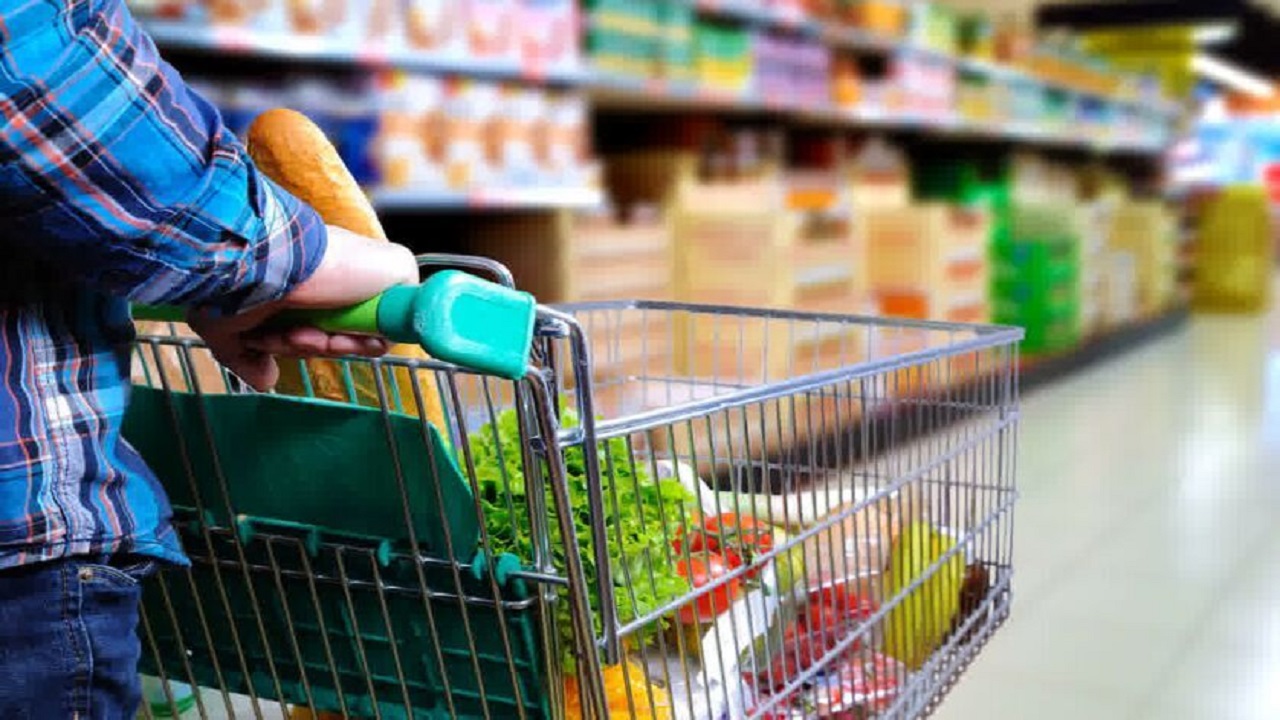
With The Objective Of Mitigating Inflationary Pressure, The Federal Government Announced The Reduction Of Import Taxes On More Than 10 Products. A Large Part Of The Products Are With Zero Taxes Until December 31.
The Federal Government Announced On Wednesday (11) The Reduction Of The Import Tax On 11 Products. The Reduction Of Taxes Aims To Alleviate Inflationary Pressure On Food And Other Products And Will Come Into Effect Starting This Thursday (12), Valid Until December 31. The Intention Is That The Reduction Of Taxes Makes The Purchase Of These Products, Which Are Imported From Other Countries, Cheaper, Resulting In A Decrease In The Price Of Products On Supermarket Shelves.
List Of Products That Are Subject To The Reduction Of Import Taxes

According To Herlon Alves Brandão, Undersecretary Of Intelligence And Statistics Of Foreign Trade At The Department Of Foreign Trade, The Estimate Is That The Measure Taken By The Federal Government Will Result In An Impact Of Up To R$ 700 Million On Federal Revenue From Taxes. However, The Total Amount Will Depend On The Exchange Rate, The Countries Of Origin Of The Products, And The Volume Of Imports.
The Products That Had Their Taxes Reduced Include Frozen Boneless Beef Cuts, Which Went From 10.8% To 0%, Parts And Frozen Chicken Gizzards, Which Went From 9% To 0%. Wheat And Wheat Blends Also Fell By The Same Proportion As Chicken Parts, As Well As Wheat Flour, Which Fell By The Same Amount As The Boneless Cuts.
-
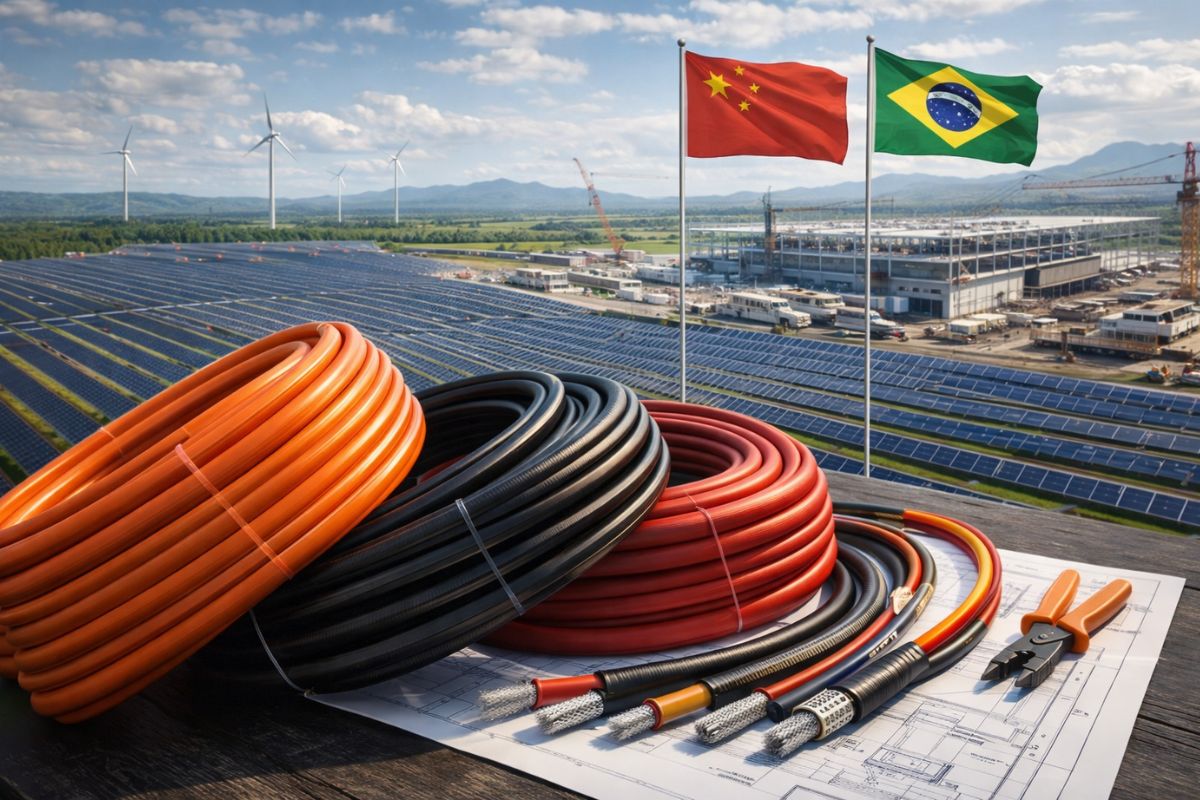
Chinese giant worth nearly R$ 4 billion that manufactures cables for electric cars, solar energy, and robotics wants to open a factory in SC.
-
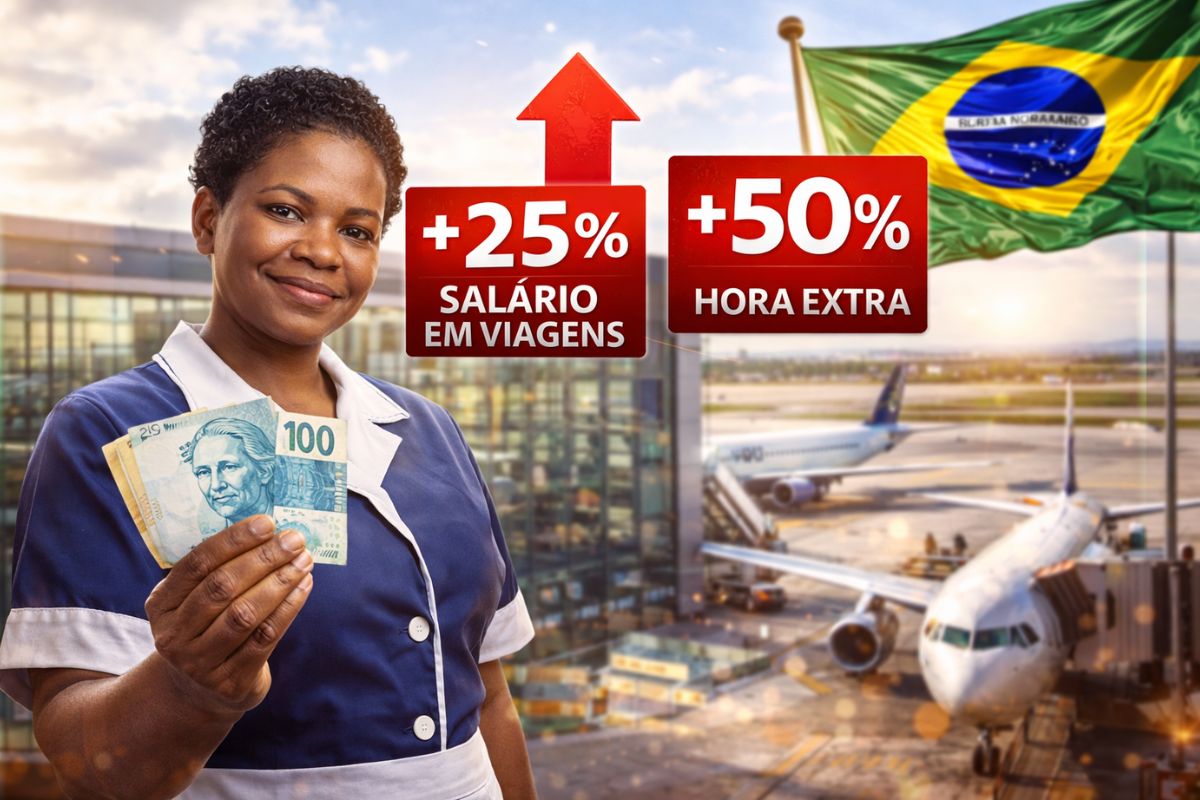
Many employers do not know, but the law guarantees domestic workers a 25% increase in salary during trips, 50% for overtime, 20% for night shifts, and 17 additional benefits that can lead to labor lawsuits if not paid.
-
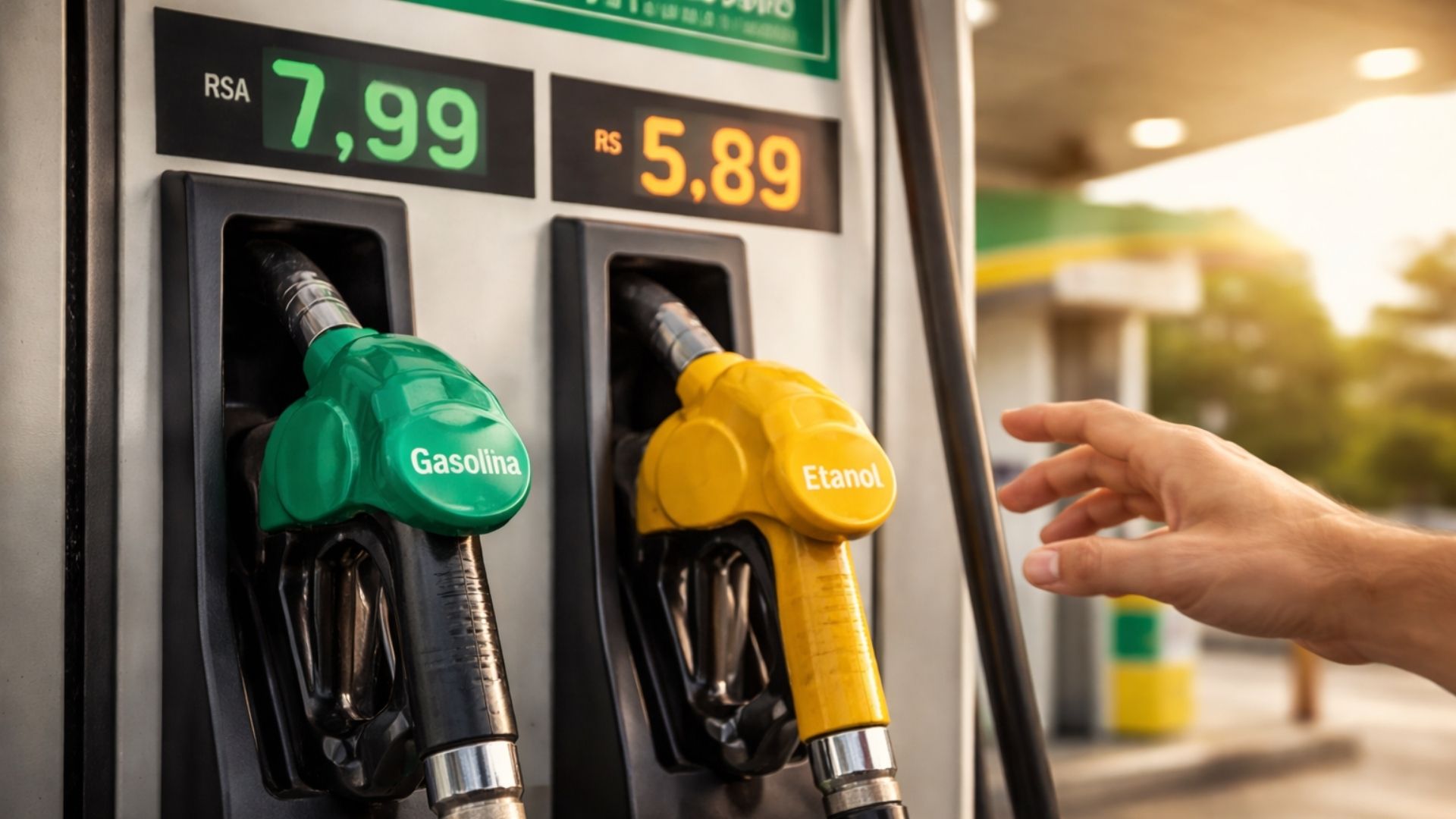
Gasoline prices soar and the question arises: is ethanol more advantageous? The 70% rule reveals the limit with gasoline.
-
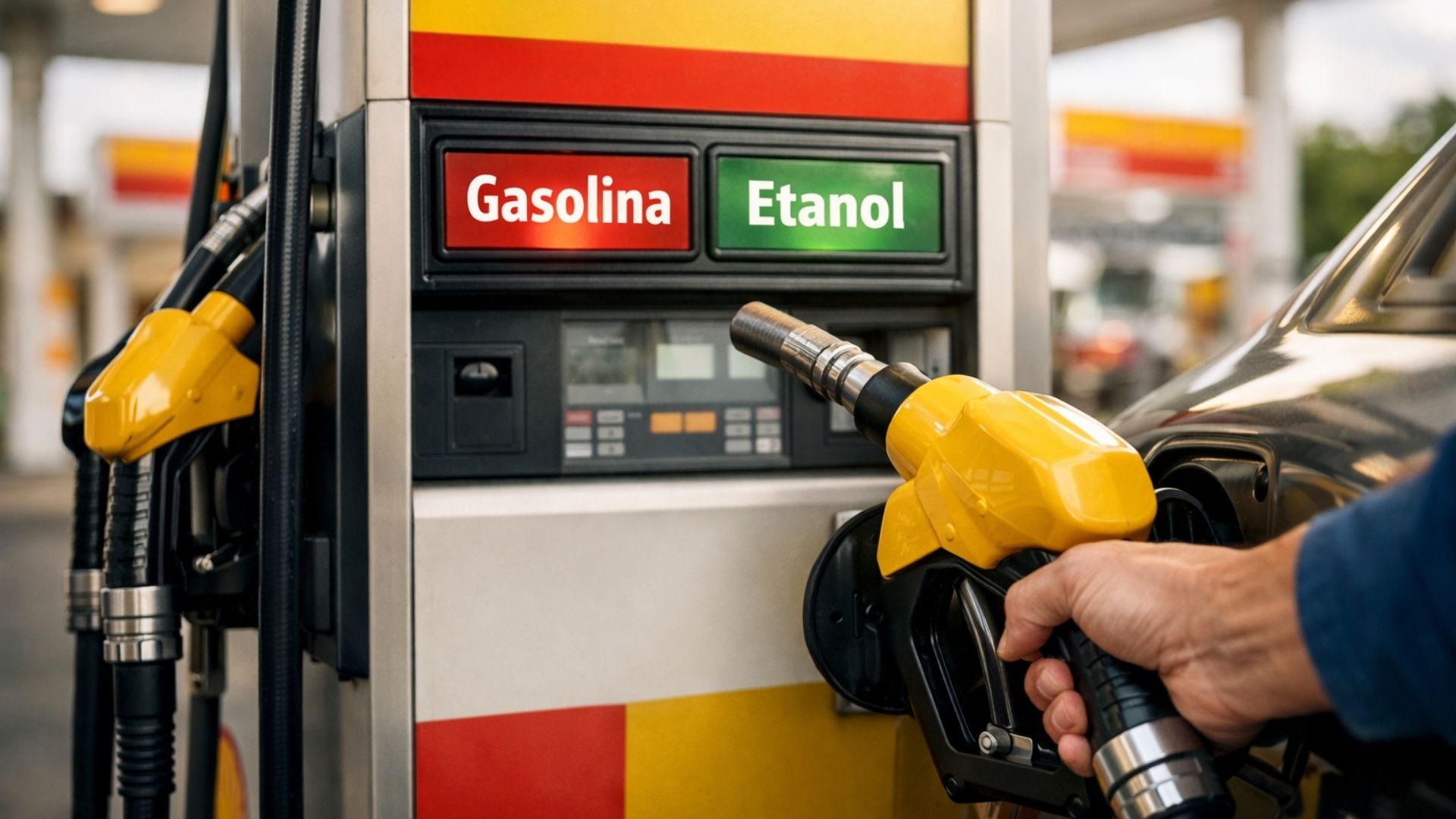
The government has made a decision and is starting a test with more ethanol in gasoline, anticipating a mixture of up to 35%, diesel with 25% biodiesel, and a study to assess the impacts on engines.

Meanwhile, Cookies And Crackers Went From 16.2% To 0%, The Same Thing Happened With Other Bakery Products, Biscuit Industry, And Pastry. Corn In Grains, Which Previously Had A 7.2% Import Tax, Is Now At 0%.
Sulfuric Acid Fell From 3.6% To 0%, Technical Mancozeb Decreased From 12.6% To 4%, Iron Or Non-Alloy Steel Bars, Hot Rolled, With Ridges, Relief, Or Grooves Went From 10.8% To 4%, And The Non-Alloy Steel Wire Also Went From 10.8% To 4%.
Tax Reduction Will Bring Greater Competitiveness
According To Ana Paula Repezza, Executive Secretary Of The Chamber Of Foreign Trade, In Addition To Food And Products Linked To Agricultural Production, Two Categories Of Steel Rebar Were Also Included In The List.
Repezza States That It Is Obvious This Will Impact Inflation, But Not Directly And Rather Through The Prices Of The Construction Industry. This Is A Matter Raised By Representatives Of The Sector That Had Already Been Analyzed Technically At The Ministry For 8 Months.
The Federal Government Reduced From 10.8% To 4%, Which Is The International Average, Aiming To Generate Greater Competition And Positively Impact The Construction Sector, Creating Thousands Of Jobs.
The Reduction Of Import Tax By The Federal Government For These Products Is Through The List Of Exceptions To The Common External Tariff (Letec) Of Mercosur, Therefore, It Was Necessary To Remove Other Products From The List, Such As Mozzarella Cheese And The Drug Clonazepam.
Ethanol Has Zero Taxes
In March, The Camex Had Already Eliminated The Rates For Ethanol And Other Foods Such As Ground Coffee, Cheese, Pasta, Margarine, Sugar, And Soybean Oil. At The Time, The Ministry Of Economy Stated That The Decision Was Part Of An Initiative To Contain High Inflation.
With The Aim Of Reducing Price Pressures, The Federal Government Also Took Measures In This Area. In November, A 10% Cut Was Made To The Rate For A Group Of Products That Covers 87% Of The Tariff Universe In Brazil. At The Time, The Government Stated That There Was An Urgency To Address Rising Prices.








Seja o primeiro a reagir!