Portuguese
  Spanish


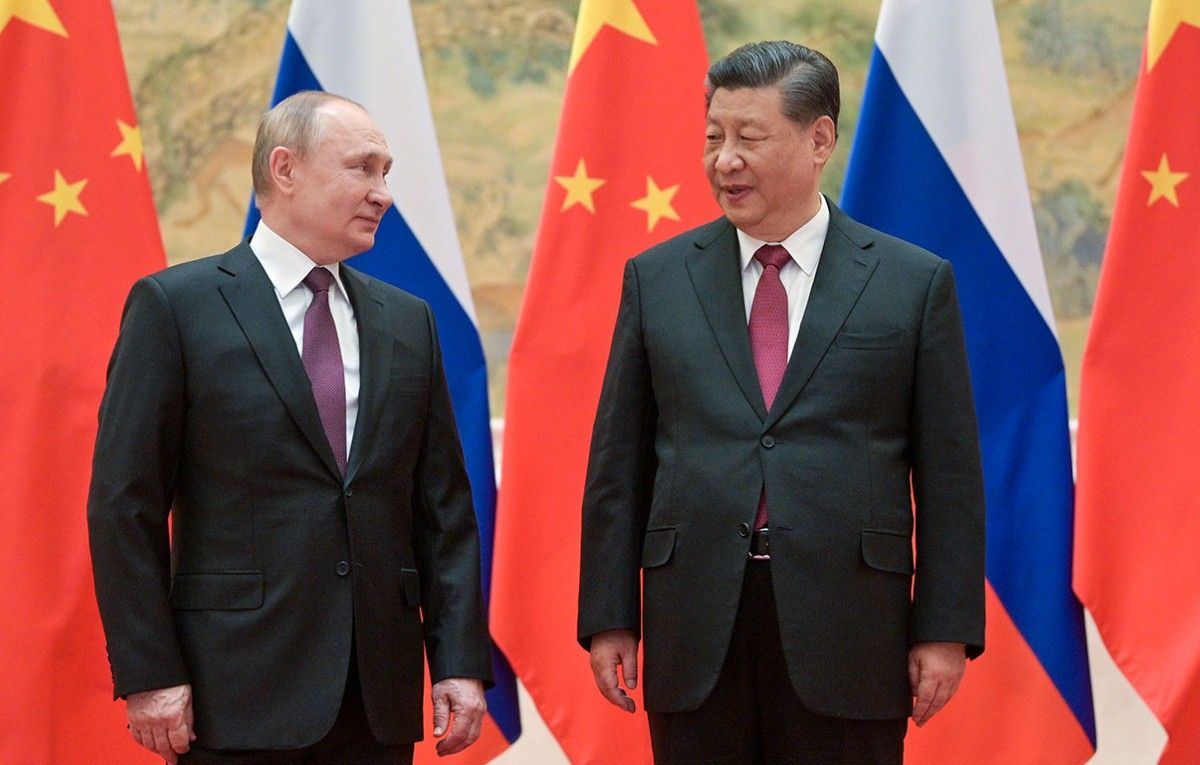

Due to the Conflict Between Russia and Ukraine, Major Exporters of Gas, Oil, and Others, China’s Economy May Be Threatened
In recent days, the Chinese government has ordered maximum priority regarding the accumulation of oil, gas, food, and other natural resources. Chinese government agencies, including China’s most important economic planning institution, the National Development and Reform Commission, have complied with directives to coerce state buyers to search for international markets in order to secure these commodities, aiming to accumulate enough stock in case of shortages.
Read Also:
- Maricá has just entered the hall of oil-producing cities after inaugurating its first official offshore logistics operation at the city airport, in the interior of Rio de Janeiro
- Petrobras states that there is no intention to reduce or increase its fuels, so as not to harm the domestic oil market
- China Leads Research on a New Type of Technology for Renewable, Clean, and Low-Cost Energy Production
As reported by Bloomberg and also disclosed on the Exame website, in the original text by Carlo Cauti, foreign analysts believe the decision by China is an indication that authorities in the country foresee a worsening of the Ukraine war and a likely impact on global economies due to the lack of supply of imported products from the countries in conflict.
Considering this, Beijing, the capital of China, is keeping a list of commodities that could be negatively affected by global tensions. Below are the main items:
-
Half of Brazilians Prefer Lower Taxes with Private Health and Education, While 44% Opt for Higher Taxes for State-Provided Services, Datafolha Survey Reveals

-
Brazil’s Most Expensive Toll Rises to R$ 40.60 on Route from São Paulo to the Coast, Nearly Matching Bus Fare to Santos

-
As Brazil Expands Social Welfare, Survey Reveals 40% Blame Poverty on Laziness, While 58% Cite Lack of Opportunities

-
China Tightens Control on Antimony, Driving Prices from $22,000 to Nearly $40,000 per Ton as U.S. Rushes to Bolster Strategic Reserves




- oil;
- gas;
- iron ore;
- corn;
- wheat.
China Doesn’t Care About Prices
The authorities in China involved do not mention viable maximum prices for the acquisition of these materials. Regardless of the cost, the current focus is solely on stock, not imports.
Without a doubt, the increase in commodity prices due to the recent conflict in Eastern Europe will result in complications for sustaining China’s constant growth. As evidence of this, it is seen that the country is paying 139% more for potassium imports compared to a year ago, considering that the Belarusian sector is under sanctions from the U.S. and the European Union.
Regarding energy supply, China’s power plants and steel mills are looking for options to replace Russian coal after some Chinese boats indicated they would reduce purchases due to the increasing sanctions imposed on Moscow.
After Indonesia, Russia is the largest source of coal for China. Not only a major supplier of coal, but Russia also competes with Saudi Arabia for the position of the largest oil supplier to the country.
In the last 10 years, the capital of Russia, Moscow, has developed trade alliances with Beijing. China has doubled its Russian energy product imports in the last 5 years, nearly reaching US$ 60 billion.
During a meeting between Vladimir Putin and Xi Jinping, several agreements were signed to expand the Russian supply of oil and gas, as well as wheat.
Additionally, China is a strong importer of Ukrainian grains, with over 8.2 million tons of corn purchased last year, which corresponds to 29% of total imports of this grain. And it doesn’t stop there: approximately 18 million tons of iron ore were also imported from Ukraine.
Russia, in turn, was responsible for almost 18% of China’s refined nickel imports at the end of 2021, as well as accounting for 12% of aluminum and 26% of palladium shipments.
As for the sunflower oil purchased by China, 30% came from Russia, while the other 70% came from Ukraine.
A casual shortfall could severely threaten Beijing’s food security, which has become one of the Chinese government’s top priorities, as shown by the record levels of recent imports of corn, wheat, and soybeans.
Country’s Fragility in Case of International Shortages of Gas, Oil, and Food
China’s efforts to safeguard food storage range from increasing local production to diversifying imports, advancing in the seed industry, and reducing food waste.
China has been working on developing its food and energy security since the impacts caused by the pandemic; however, pressures from the supply system and geopolitical issues, such as the diplomatic conflict with Australia, have harmed the Chinese economy.