





 English
  Francês
  Alemão
  Italiano
  Japonês
  Norueguês
  Portuguese
  Spanish
  3 min of reading


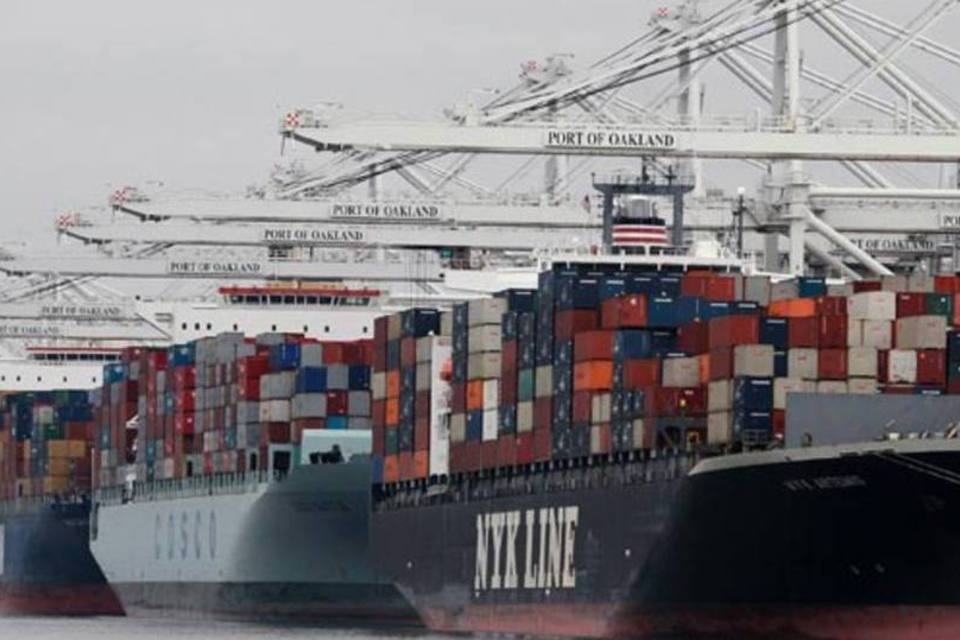
With the Aim of Reducing Freight Transport Costs by Trucks, the Bill Called “BR DO MAR” Was Sent to Congress Urgently. Railway Projects and Cabotage Navigation Are Among the Main Milestones of the Ministry of Infrastructure, Which May Benefit Production and Movement of Ships for the Brazilian Shipbuilding Industry
The bill signed and sent yesterday (11) by the government to the National Congress may benefit the Brazilian shipbuilding industry. The bill called “BR do Mar” aims to stimulate navigation by cargo transport ships within the country, reducing logistics costs and increasing operations at Brazilian ports. Representatives from the Ministry of Infrastructure and the Economy (Tarcísio and Guedes, respectively) were present at the signing ceremony.
– Bill: “BR do MAR”.
– Waterway Transport/Cabotage.
– Min @tarcisiogdf / Paulo Guedes, PR @jairbolsonaro .ARTICLE CONTINUES BELOWSee also
New shoe factory in Ceará is expected to create 400 jobs and strengthen the local economy.
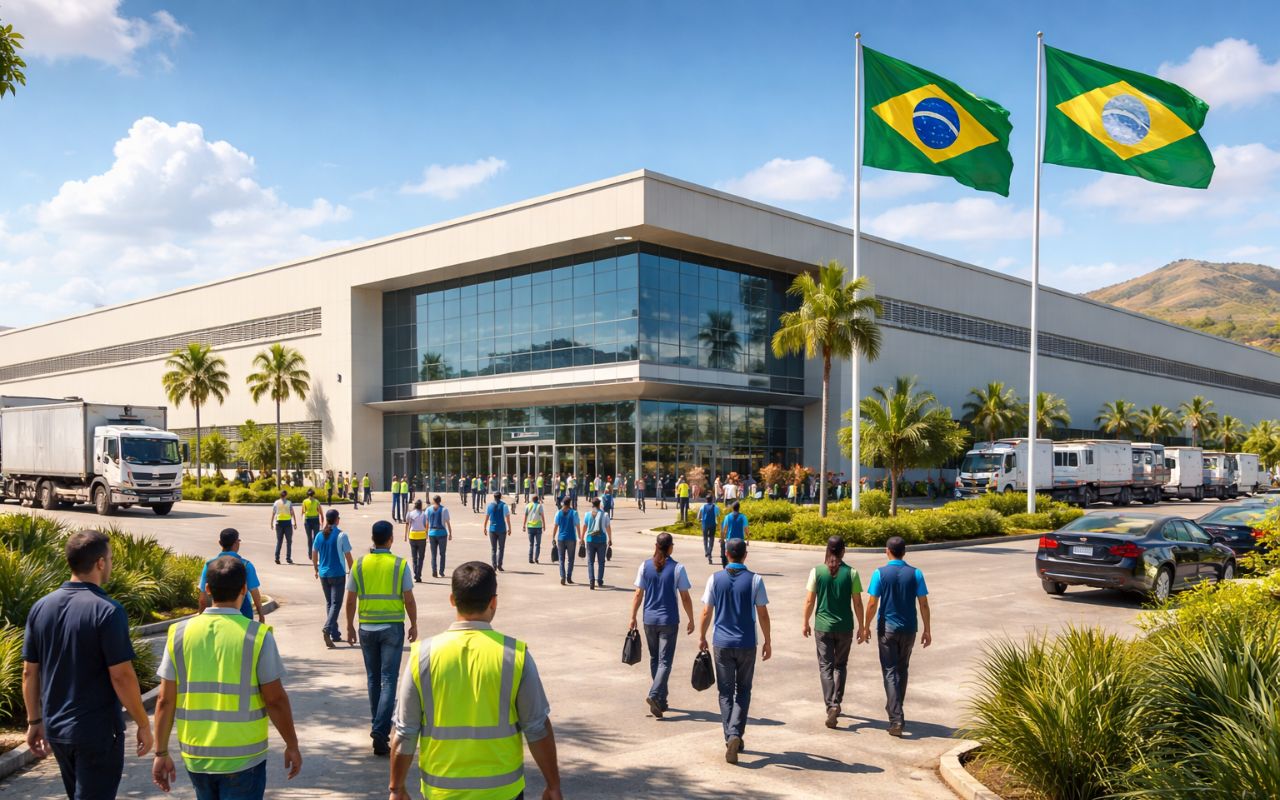
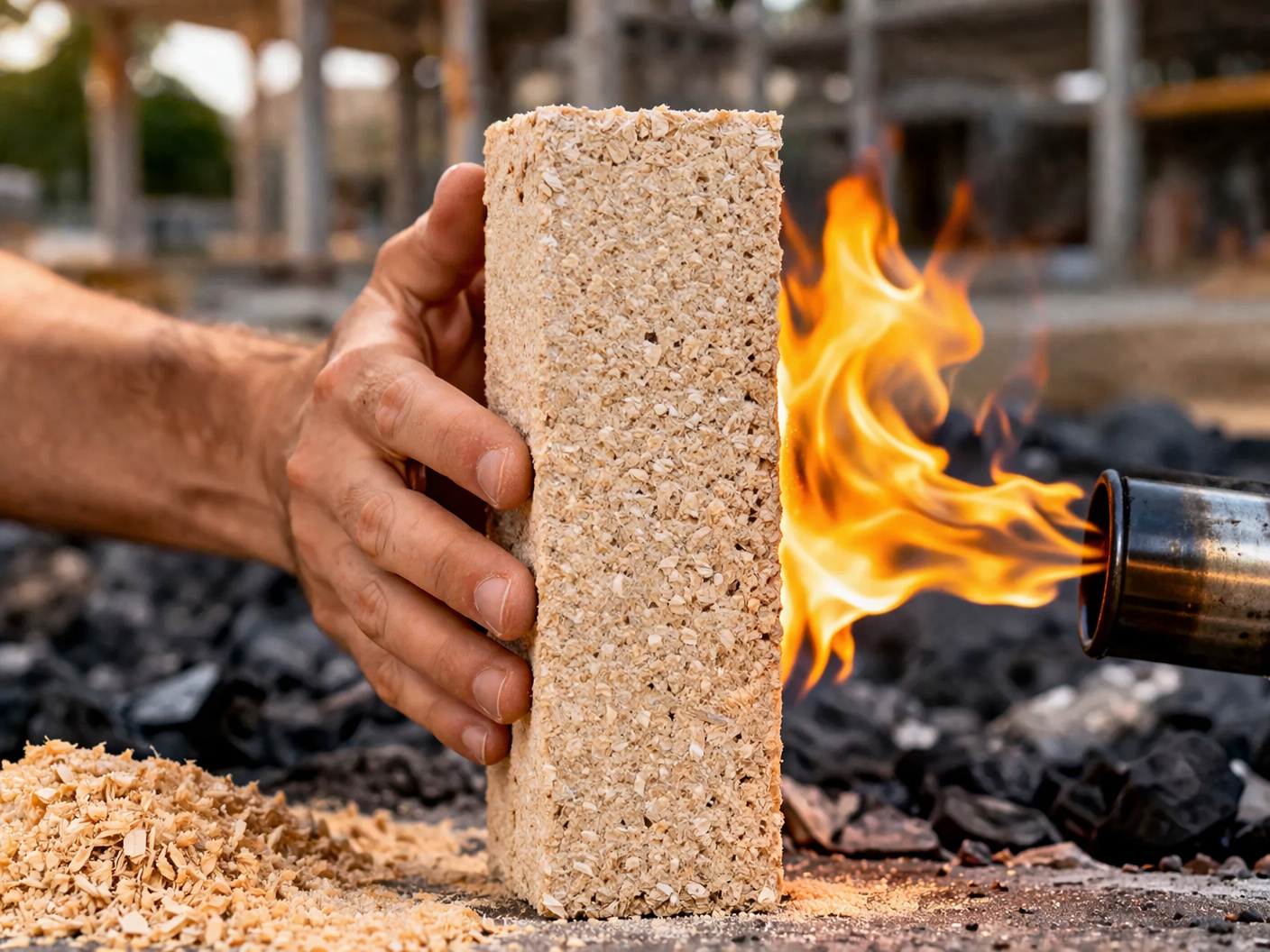
No one imagined it, but a mixture of sawdust with a mineral that fights fires surprises scientists with a result that changes the course of fire-resistant construction.
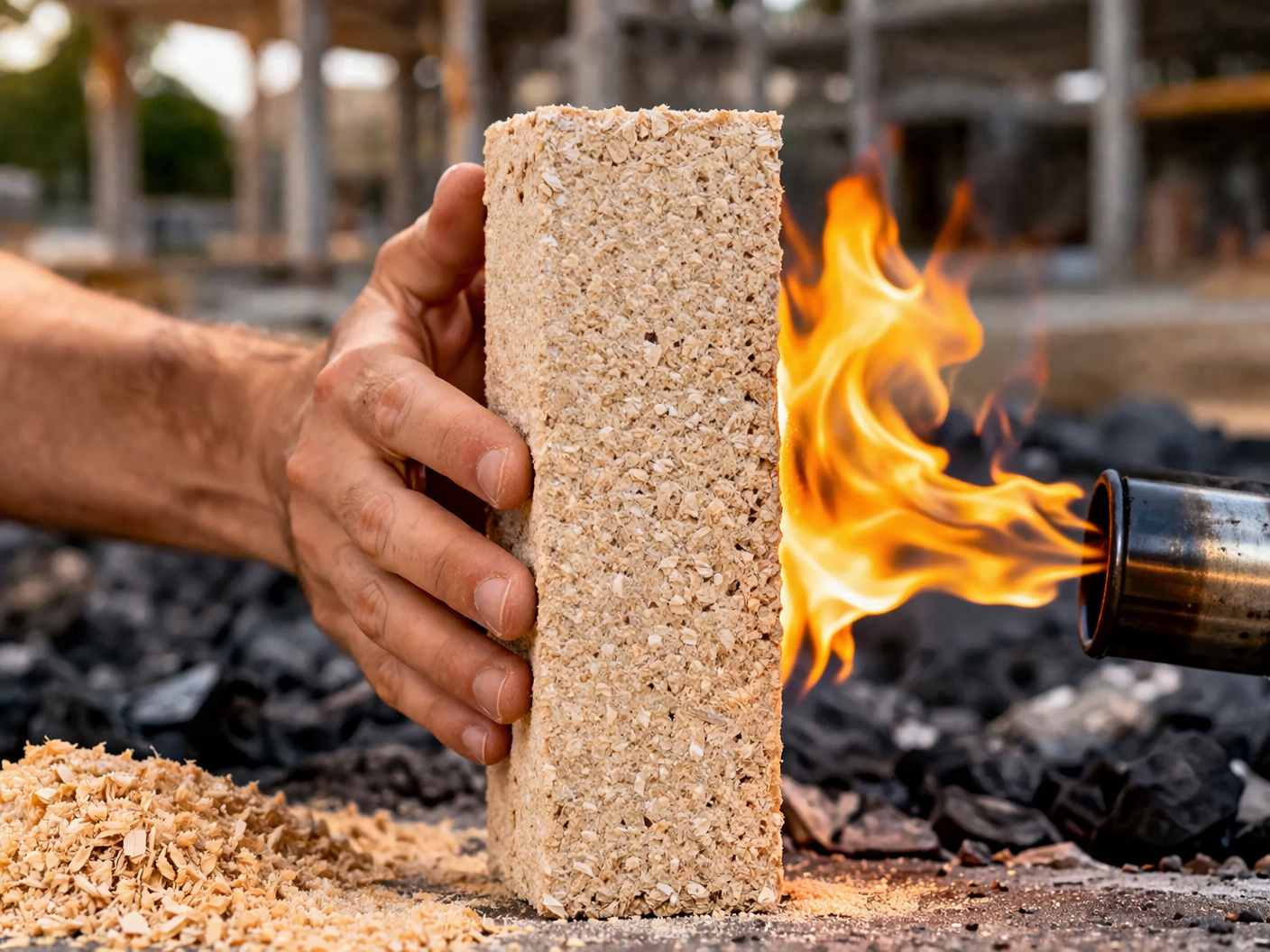
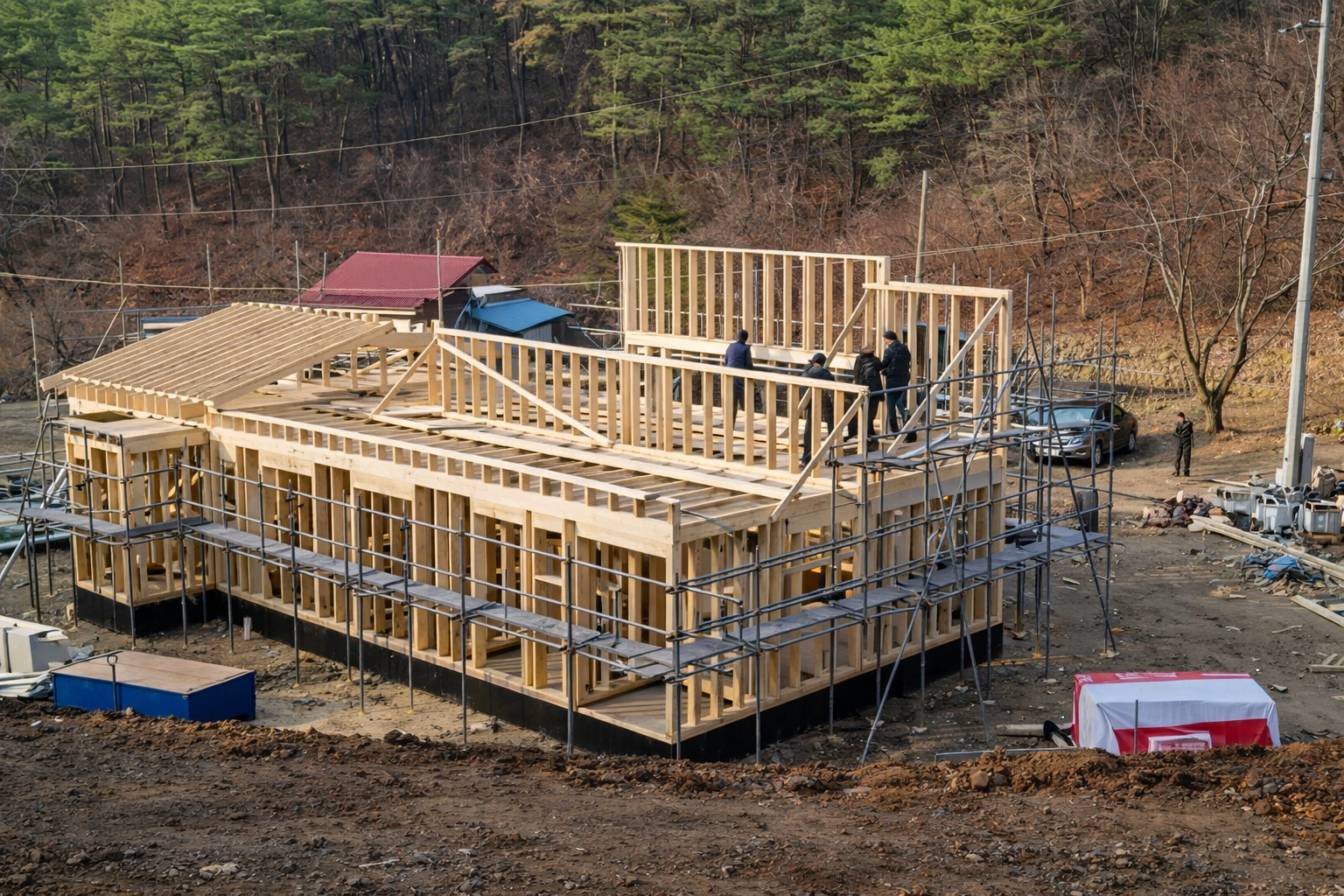
From empty land to a high-end house, wooden construction uses a lightweight system, metal structure for the foundation, ventilated ceramic cladding, and special windows to create an efficient and comfortable living space throughout the year.
From vacant land to a high-end house, wooden construction uses a lightweight system, a metal structure for support, ventilated ceramic cladding, and special windows to create an efficient and comfortable living space throughout the year.
. @MInfraestrutura
. @MinEconomia
. @portosdobrasil– Link on YouTube: https://t.co/USM8LcJZrJ pic.twitter.com/8mYyZ58AUN
— Jair M. Bolsonaro (@jairbolsonaro) August 11, 2020

“We will reduce transportation costs all over Brazil. Today, iron ore becomes steel in the south and reaches the northeast 40% more expensive than if it had gone to China and come back. This is due to transportation costs,” Guedes said enthusiastically in the video.
Also Read Other Related Articles
- Petrobras Is Shrinking in Quantity of Assets, but the Oil and Gas Industry May Be the Salvation in the Post-Pandemic Generating Jobs
- Covid-19 Impacts the Shipbuilding Industry in Brazil and China and May Compromise the Delivery Deadline of the FPSO of Mero 2
- Bureau Veritas Develops New Solution for Decommissioning Offshore Assets, Ships, and Other Submarine Structures
According to the Ministry of Infrastructure, The Amplification of Containers Moved Will Be the Great Highlight of This Bill
On the official MInfra page, there is an official note about the text of this bill, which highlights the generation of new maritime routes, reducing expenses with the currently most used transportation method, which is road transport by trucks and trailers. This increase of 40% by 2022 could mean an additional 2 million TEUs of cargo moved.
“The project will allow for the reduction of costs. We estimate a 40% increase in the fleet in the next three years,” said the Minister of Infrastructure, Tarcísio Freitas, in a video during the announcement of BR do Mar.
In the Federal Government’s View, the Bill Benefits 4 Fundamental Aspects of Cabotage: Costs, Ports, Shipbuilding Industry, and Fleet.
- Costs – The restructuring should act on the bureaucratic procedures of navigation between Brazilian ports, aiming to reduce taxes and expedite them.
- Ports – With more flow of vessels and large ships, the port terminals will have more operations and will be modernized, generating job openings and specialization programs
- Shipbuilding Industry – Stimulus for the docking of vessels with international flags, marketing of equipment for ships, and maximization of services in the sector
- Fleet – Companies and ports will have the autonomy to decide where to build their ships, in addition to reducing bureaucracy for the registration of waterway traffic movements.







Seja o primeiro a reagir!