Portuguese
  Spanish


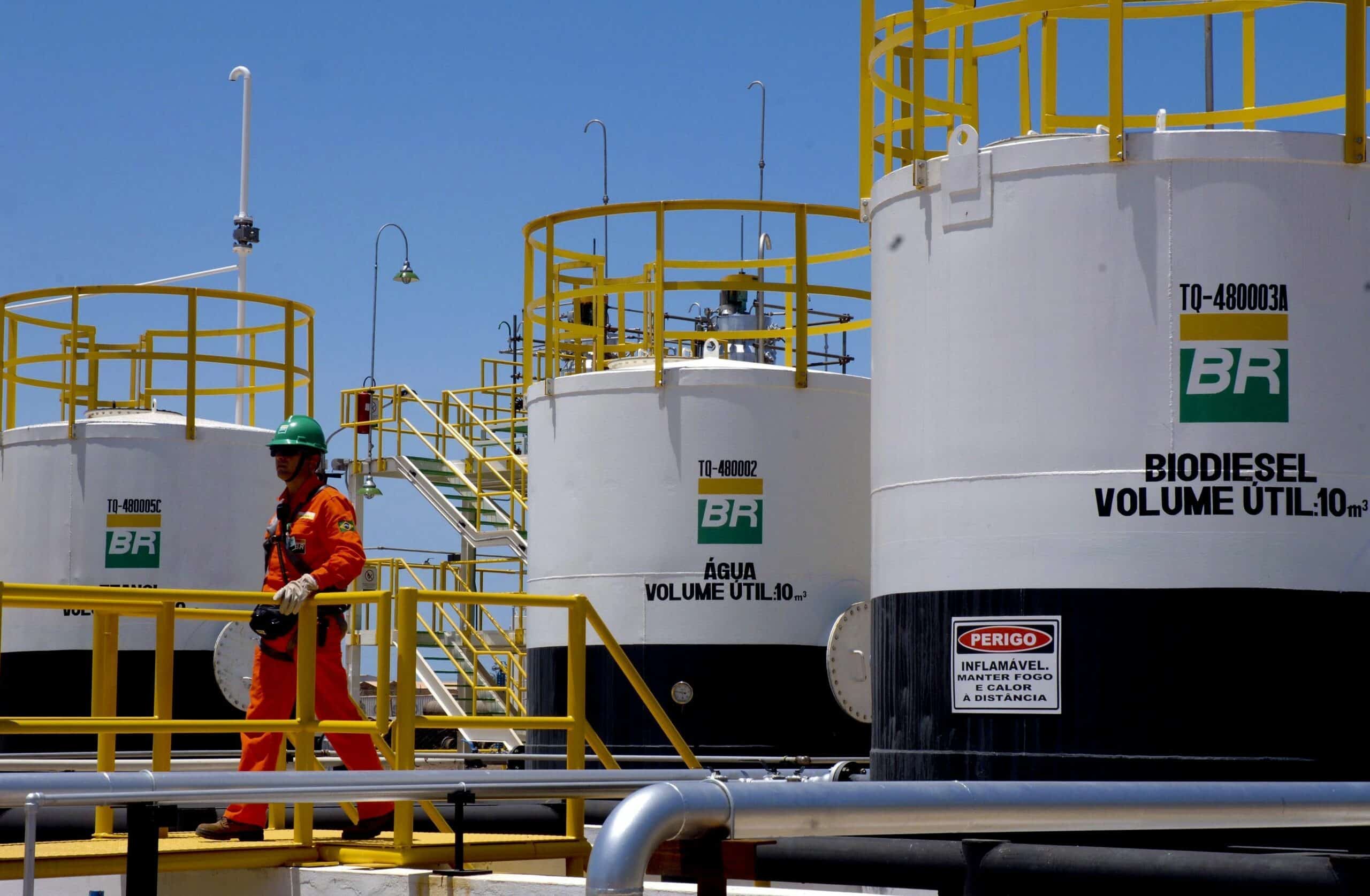

The Industry Overall Is Decreasing Its Assets and Generating Less Employment, but the Oil and Gas Industry Alongside Petrobras Ports Can Change That
Over the years, as oil and gas reservoirs deplete, fields produce less and less, requiring the drilling of new producing wells and advanced secondary and tertiary recovery techniques to reduce the observed decline rate.
Read Also
- Welder, Site Supervisor, Engineer and More Professionals Called for Projects in São João da Barra
- Port of Açu with New Opportunities Announced Now, 30/04
- Mega Oil Auction Generated for States and Municipalities Only Half of What Was Expected
- Construction in São João da Barra Demands Vacancies for Helper, Boiler Maker, Painter, Plumber, Electrician, Mechanic, Scaffolder and More Professionals
Undeniably, production costs are increasing, until reaching a point of economic infeasibility. Many mature and marginal fields of Petrobras are close to this condition today. However, they can still be attractive when financing the construction of two FPSO ships, with a capacity of 180,000 boe/d each. That is, it allows the state-owned company to invest in new projects that can double the production that the company has divested.
The Country That Has Been in Economic Difficulty for the Last Five Years Will Need More Than Ever Investments to Generate Jobs
The oil and gas industry, especially Petrobras’ oil fields, can contribute to this. It is no news that Petrobras has been making a significant adjustment to its portfolio since 2015, when the state-owned company’s gross debt exceeded US$ 130 billion.
-
OPEC+ Boosts Oil Supply by 188,000 Barrels per Day in July 2026, Leading to Price Drop from $112 to $89 per Barrel in Under Two Months

-
TotalEnergies Signs 20-Year Deal to Purchase 2 Million Tons of LNG from Alaska, Boosting Project Viability
-
Turkey Deploys Çağrı Bey Drilling Ship to Explore New Oil Frontier Off Somalia’s Coast
-
Golden Pass LNG Ships First Liquefied Gas Cargo from the U.S., Completing $10 Billion QatarEnergy and ExxonMobil Investment


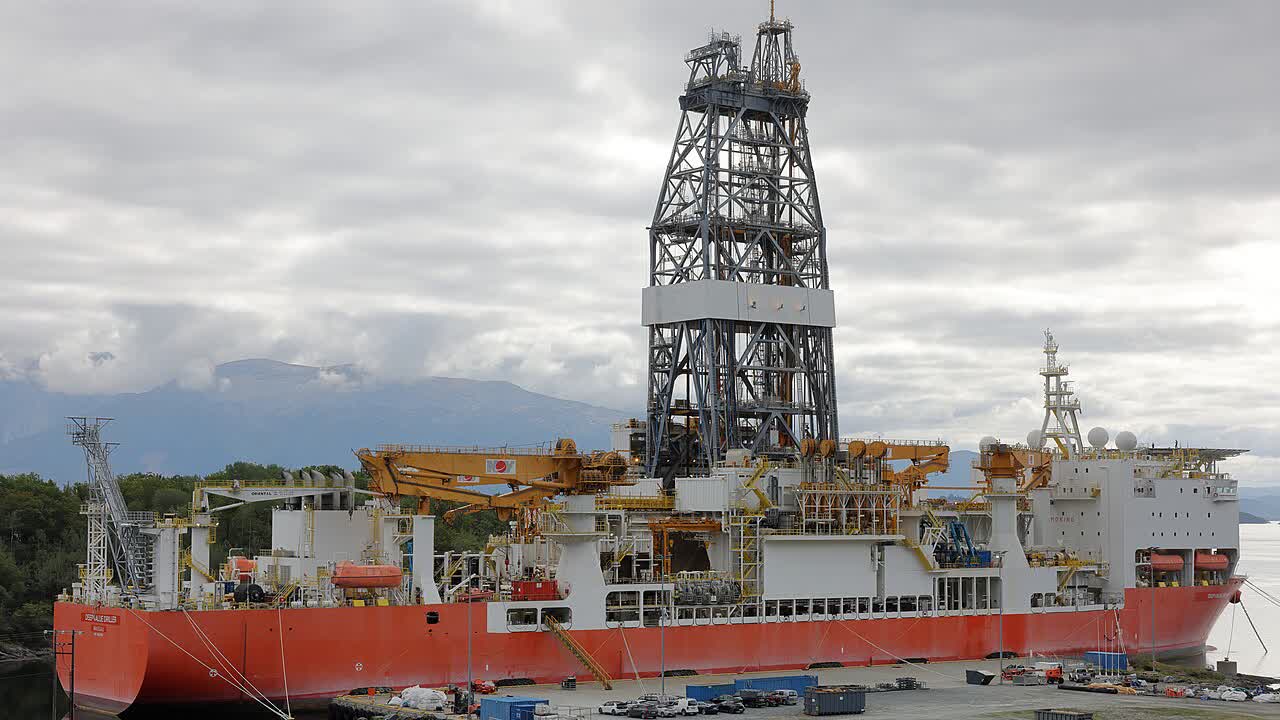

The oil and gas production of the state-owned company has grown. Even in the midst of divestments, Petrobras’ production increased by 5.4% in 2019 compared to the previous year and continues to grow in 2020, with a recorded increase of 14.6% in total production in the first quarter of the year compared to the same period in 2019. According to the production and sales report published by the company itself.
The Crisis Will Require the Country Not to Waste Opportunities in All Sectors. The Contribution of the Oil and Gas Segment Can Be Relevant in Economic Recovery
It is important to emphasize that in this process, including in the current pandemic moment, Petrobras has not laid off employees stationed in the assets for sale; they are being internally reassigned.
The reduction of the company’s workforce has occurred due to retirements, as well as ongoing voluntary dismissal incentive plans (PIDV). This means that for each asset sold, new jobs are created, taken on by the new operators of those assets. Thus, there is the generation of new and effective job positions.
Job and Income Generation
Beyond the aspect of the funds involved in the buying and selling of Petrobras assets, there is the generation of jobs and income associated with them. It is important to emphasize that in this process, including in the current pandemic moment, Petrobras has not laid off employees stationed in the assets for sale; they are being internally reassigned.
There is also job generation due to increased production, especially in the onshore environment. According to data from the Bahia State Industry Federation (FIEB), in the Bahia onshore sector, an increase in production of 40,000 barrels/day would generate 1,063 direct jobs, 9,924 indirect jobs, and 38,870 through income effect.