





 Portuguese
  English
  Spanish
 5 min of reading
  0 comments


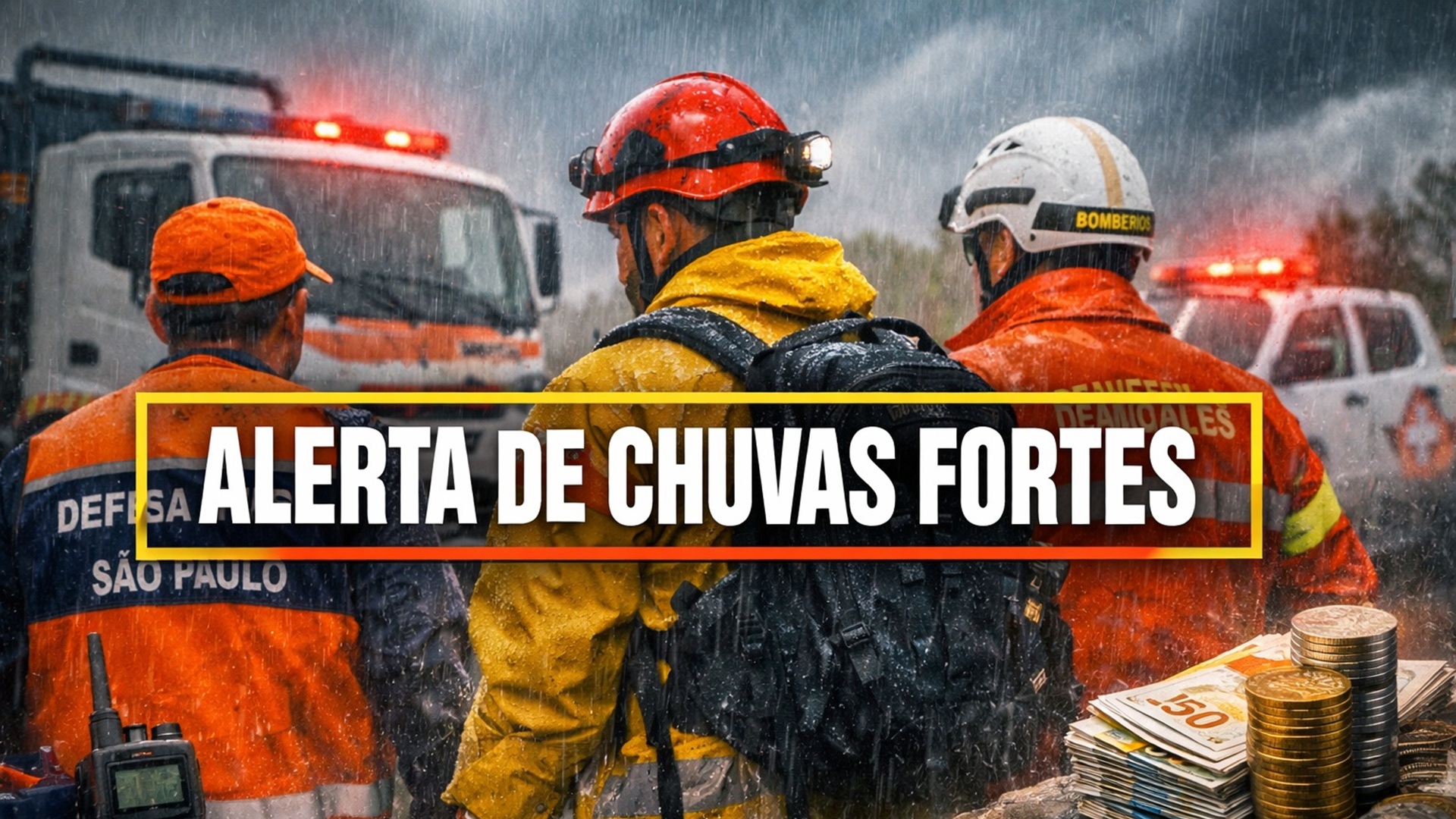
With Forecasts of Intense Storms During the New Year Holiday, the State Government Activated a Crisis Cabinet to Coordinate Prevention, Rapid Response, Support to Municipalities, Continuous Monitoring, and Mobilization of Teams in Light of High Rain Accumulations
The Government of São Paulo installed a crisis cabinet on December 29 to coordinate prevention and assistance to municipalities in light of the forecast for heavy rains during the New Year holiday, with regional risks, high accumulations, and integrated state mobilization.
Cabinet Installation and Initial Meteorological Scenario
The crisis cabinet was activated to organize immediate actions in light of monitoring indicating storms starting December 29, with accumulations between 20 and 50 millimeters per day and the occurrence of strong winds.
The regions of Presidente Prudente, Marília, Itapeva, and Registro are the focus of initial attention due to the forecast of thunderstorms, possible hail, and intense gusts at the time of the rains, according to state monitoring.
-
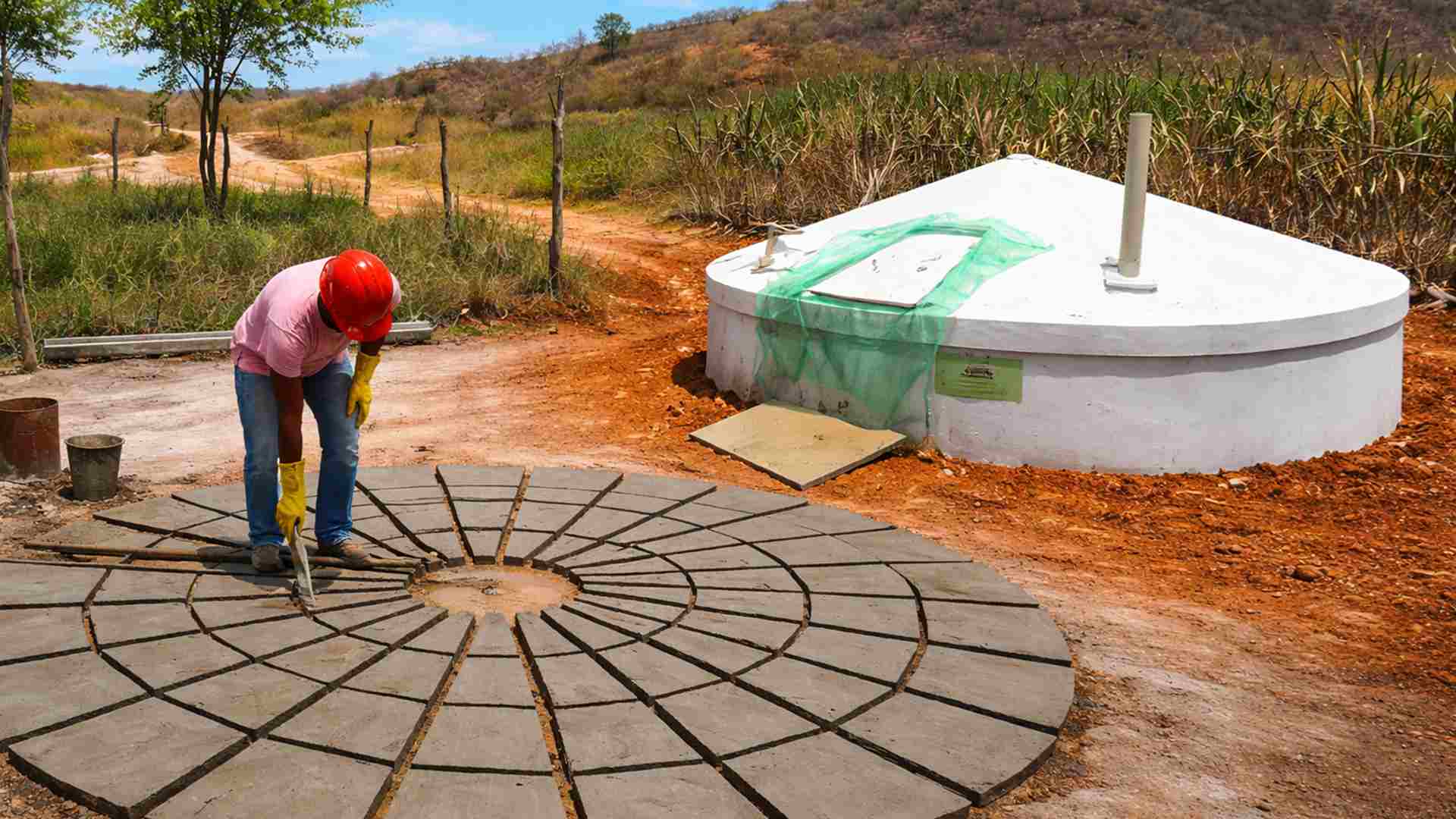
How to build a 35,000-liter cistern with 60 by 50 cm panels and rainwater for drinking and cooking without relying on water trucks or the city hall.
-
A woman went out for a regular walk and ended up finding a treasure buried for over 900 years, with more than 2,000 medieval silver coins compared by archaeologists to a lottery prize and considered one of the most significant finds in recent years in the country.

-
Scientists revealed 11 signs that very intelligent people exhibit in their daily lives, and most people have no idea that some of these common behaviors are directly linked to an above-average brain.

-
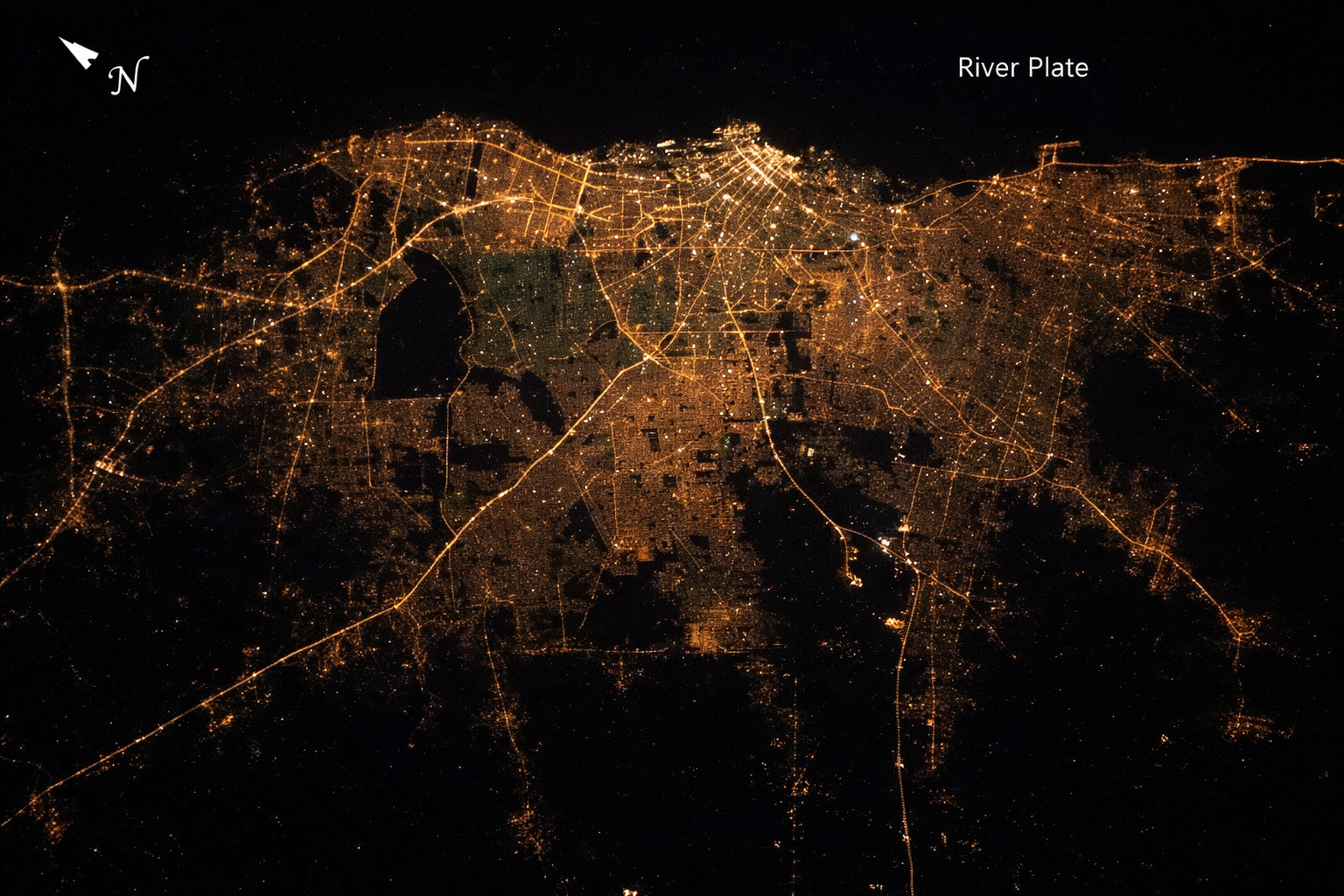
From space, Buenos Aires appears as a colossal spot of light surrounded by kilometers of darkness, revealing at a single glance the exact boundary between the metropolis and the countryside, seen from 400 km altitude.

The monitoring also considers the possibility of urban and rural impacts, requiring a coordinated response among state agencies, utilities, and municipal administrations to reduce harm to the population during the festive period.
Specific Forecasts for December 31 and Coastal Regions
For December 31, the forecast indicates very hot and humid weather, with typical rain showers for the season, especially in the metropolitan region of São Paulo and along the eastern part of the state.
This area includes the North Coast and Baixada Santista, where, even without indications of significant accumulations, the risk of storms with electrical discharges, gusty winds, and isolated hail remains.
The scenario combines high temperatures and atmospheric instability, necessitating the maintenance of preventive alerts and readiness of teams, even when the forecasted volumes are not considered high.
Monitoring by the Acting Governor and the Role of the CGE
On the afternoon of the cabinet installation, acting governor Felício Ramuth visited the Emergency Management Center of the Civil Defense and directly supervised the initial coordination efforts.
According to Ramuth, the intention is to ensure a rapid response in supporting municipalities and monitoring utilities, in light of the recent intense heat and the forecast of stronger rains starting January 1.
He emphasized the importance of anticipating actions to provide adequate support to victims of excessive rains, reinforcing the integration between monitoring, prevention, and emergency assistance.
Coordination with Municipalities and Contingency Plans
In the previous week, Governor Tarcísio de Freitas brought together mayors from 284 municipalities to define preventive actions and strategies for integrated operations between the State and local administrations.
During the meeting, the Civil Defense guided the execution of municipal contingency plans, including the publication of risk warnings, communication through social media and the press, and issuing alerts to the population.
The guidelines also involved the readiness of local teams for implementing the planned actions, as well as conducting preventive and emergency inspections in susceptible areas.
The Emergency Management Center operates continuously, functioning 24 hours a day, seven days a week, with constant climate monitoring and alert issuance to municipalities.
Advancement of the Cold Front and Maximum Alerts on the Coast
On January 1, the advancement of a new cold front is expected to concentrate attention in the eastern zone, including the Vale do Ribeira, with projected accumulations of up to 60 millimeters.
Subsequently, the system will move into Baixada Santista, raising the level of attention of authorities due to the risk of persistent rains and winds associated with the meteorological phenomenon.
On January 2, the North Coast will be under maximum alert, with forecasts of significant rains, accumulations of up to 100 millimeters, and the occurrence of wind gusts, increasing the potential for incidents.
As for January 3, the North Coast will remain on alert while precipitation increases in the west of the state, requiring continuous vigilance and integrated action from regional teams.
On January 4, the forecast indicates rains between 50 and 100 millimeters in the interior, as well as in the Metropolitan Region and the coast, marking the return of the holiday with heightened instability.
Humanitarian Support and the Role of the Social Fund
As part of the preparation, the Social Fund of São Paulo remains on standby for potential humanitarian aid, working jointly with the state Civil Defense.
The support includes the provision of basic food baskets, cleaning kits, hygiene and bedding supplies, as well as plastic tarps, isolation tape, roofing tiles, and mineral water, according to the needs of each locality.
This structure aims to ensure a rapid response to affected populations, reducing immediate impacts and providing essential support during and after events of intense rainfall.
Integrated Summer Operation and Team Training
The mobilization occurs in the context of strengthening the Civil Defense across the coast during the summer, with 5,400 agents on standby as part of the Integrated Summer Operation.
Teams from 16 cities underwent training in the SP Always Alert Training – Rain Operations and received, for the first time, summer kits directly in their municipalities.
Approximately a thousand items were distributed, including vests, boots, helmets, gloves, rain gauges, and other equipment aimed at enhancing local safety and response capacity.
Additionally, the Civil Defense conducted simulated exercises with residents of at-risk areas in cities like Santos, Ilhabela, São Sebastião, Guarujá, and Cubatão.
These actions included guidelines on how to act during storms, landslides, floods, flash floods, and falling trees, strengthening community preparedness.
Technology, Water Consumption, and State Plan
To increase communication speed, the SP Always Alert Intelligence Panel was created, integrating meteorological data and reducing decision time by about 80%.
The tool brings together information previously scattered across different sources, utilizing algorithms and artificial intelligence to support the work of meteorologists and operational teams.
Despite the forecast of rain, the government emphasizes the conscious use of water, maintaining monitoring of water scarcity in light of the recent heat wave.
This wave increased water consumption by up to 60% in Greater São Paulo, according to data from Sabesp, necessitating continuous attention to the preservation of water sources.
The SP Always Alert – Rain Operations brings together R$ 69.5 million in investments and technological modernization, focusing on minimizing damage and protecting lives across the state of São Paulo.
The Contingency Plan, now expanded to the entire state, organizes actions for prevention, monitoring, and response, with the participation of more than 180 new municipalities, broadening previous coverage.
With information from GOVSP.








-

Uma pessoa reagiu a isso.