





 Portuguese
  English
  Spanish
 4 min of reading
  0 comments


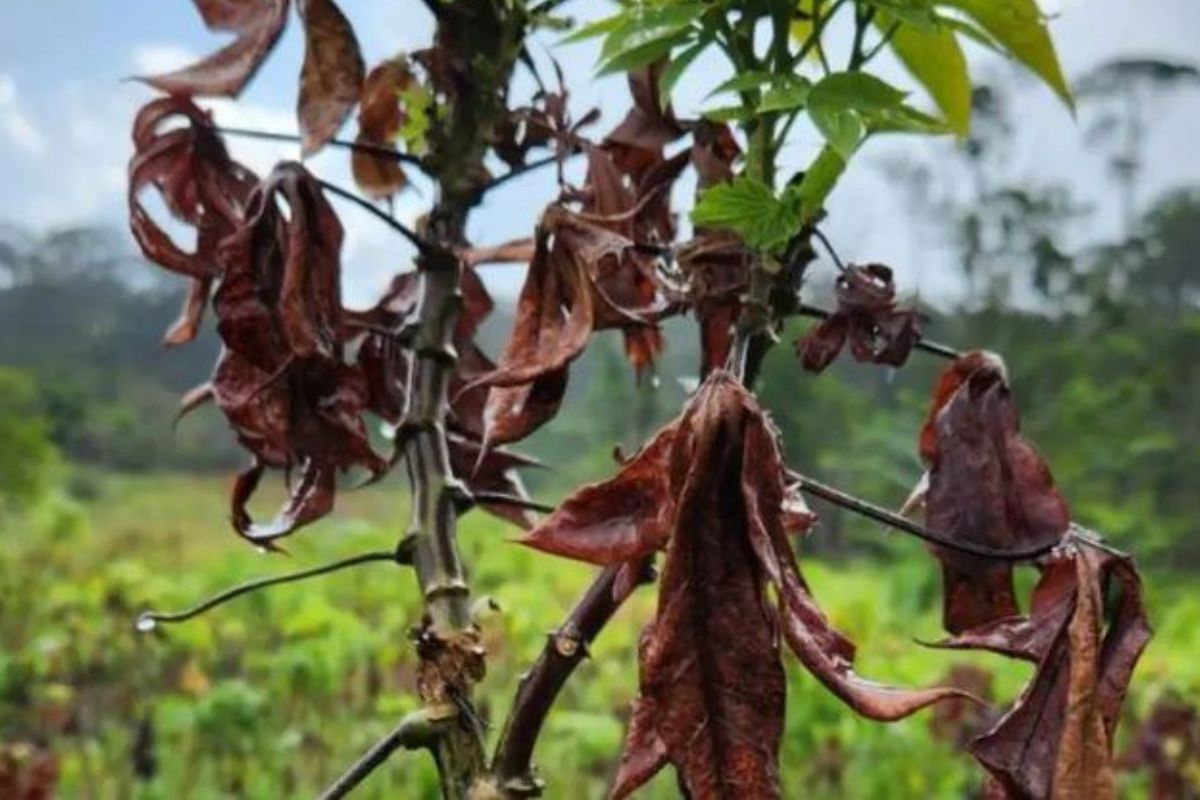
The Federal Government Announced R$ 38 Million To Combat The Sorcerer’s Broom In Cassava In The North Region. The Measure Will Benefit Family Farmers, Indigenous Communities, And Quilombolas In Amapá And Pará, Expanding Actions Of Technical Assistance, Agroecological Practices, And Food Security. The Investment Benefits 3,7 Thousand Families
The sorcerer’s broom in cassava has become one of the biggest challenges for agriculture in the North of Brazil.
To face this threat that directly affects the food present every day on the tables of Brazilian families, the Ministry of Agrarian Development and Family Agriculture (MDA) allocated R$ 37 million and 998 thousand in extraordinary resources.
The funding was published on the 24th, through Provisional Measure No. 1,320, signed by the acting Vice President, Geraldo Alckmin, according to an article published.
-
A new Brazilian shopping center worth R$ 400 million will be built in an area equivalent to more than 4 football fields, featuring 90 stores, 5 cinemas, a supermarket, a college, and parking for 1,700 cars, potentially generating 3,000 jobs.

-
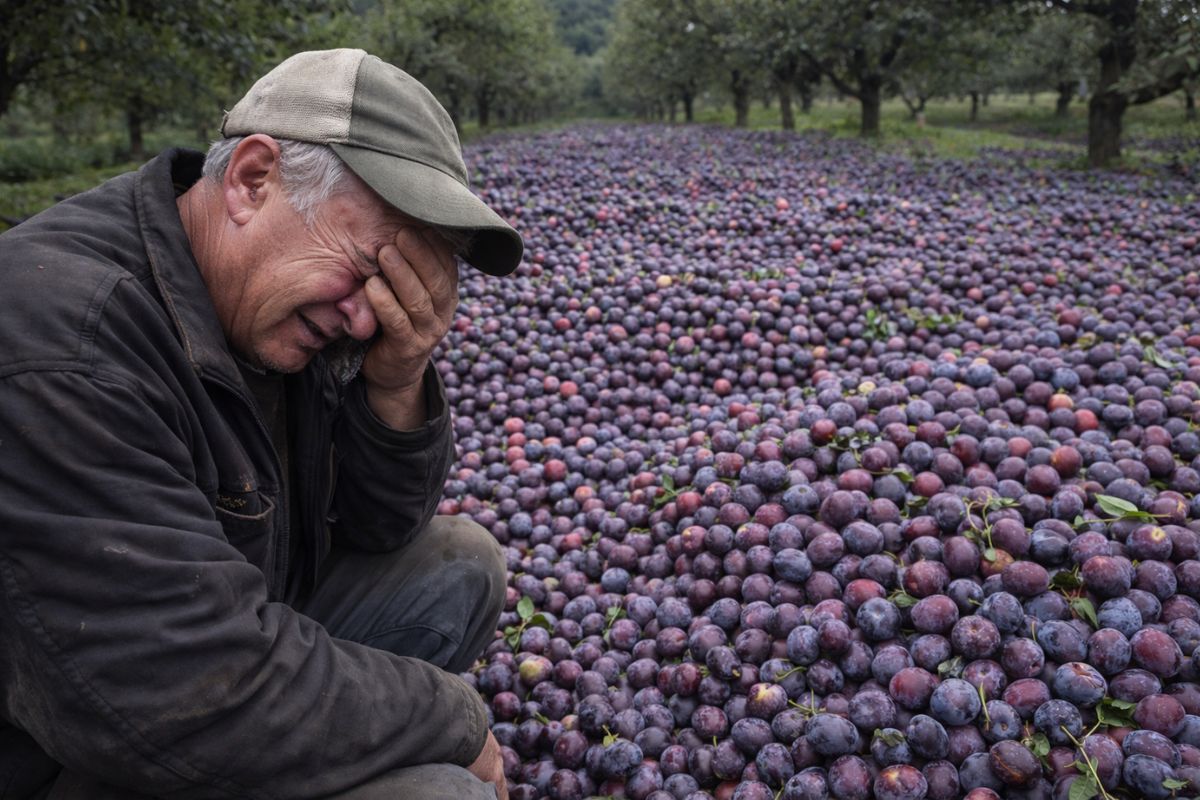
A rural producer from Urubici cries as he shows 50 tons of plums thrown on the ground because no one wanted to buy them, and in desperation, he records a video asking anyone to come to the property to pick the fruits before they rot.
-
Larger than entire cities in Brazil: BYD is building a 4.6 km² complex in Bahia with a capacity for 600,000 vehicles per year, but the discovery of 163 workers in conditions analogous to slavery has shaken the entire project.

-
Unable to pass through Hormuz, Brazil activated a plan B that uses Turkey as a gateway to the Middle East: the route through Gibraltar and the Mediterranean is longer and more expensive but ensures that chicken, beef, and corn continue to reach Arab markets.


The funding arrives at a time when thousands of indigenous, quilombola, and family farming families need support to protect their production. In Amapá and Pará alone, about 3.7 thousand families will be served.
In addition to containing the sorcerer’s broom in cassava, the initiative strengthens food security, generates income, and opens space for more sustainable agricultural practices.
The MDA has been addressing this quarantine pest since it was identified in the municipality of Oiapoque, in Amapá.
The arrival of the new resources will allow for the expansion of work in seven other municipalities in the region, giving more momentum to technical assistance and rural extension actions.
Family Farming Receives Support With New Investment Phase
The support for family farming is one of the central points of this initiative. By allocating R$ 38 million, the MDA is not only ensuring the continuation of actions against the sorcerer’s broom in cassava, but also strengthening local production systems.
The aim is to ensure that farming families maintain their crops productive and safe, without relying on practices that compromise health or the environment.
The measure also foresees the expansion of strategies for diversifying production. This means encouraging alternatives that reduce risks and strengthen the autonomy of communities.
Family farming in the North, especially in areas of indigenous and quilombola communities, becomes a protagonist in this process, showing that the fight against the sorcerer’s broom in cassava is directly linked to the protection of traditional ways of life.
Indigenous And Quilombola Communities At The Center Of The Actions
The fight against the sorcerer’s broom in cassava is also an issue of respect for traditional communities. In Oiapoque, where the pest was identified, the actions began with a focus on indigenous peoples.
Now, with the extraordinary credit, the reach expands to include quilombola communities and family farmers from more municipalities in Amapá and Pará.
In addition to technical support, the investment brings practical solutions. One example is the acquisition of a thermal chamber, an essential tool for cleaning cassava genetic material.
This technology helps contain the spread of the pest and ensures that new plantings grow free of the problem.
Altogether, more than 3.7 thousand families will have access to technical assistance and rural extension. The work values traditional knowledge and promotes dialogue with modern practices, creating an environment of cooperation.
Thus, the sorcerer’s broom in cassava ceases to be just an agricultural problem and is treated as a social and cultural challenge that requires collective participation.
Agroecology As A Sustainable Path To Contain The Pest
The fight against the sorcerer’s broom in cassava goes far beyond emergency measures. The funding allocated by the MDA also opens space for agroecological practices that respect nature and the knowledge of communities.
The substitution of pesticides with natural products is one of the points outlined in the strategy. This transition strengthens agroecology as a tool to ensure food security and preserve the environment.
The practices encouraged by the program involve crop diversification, conscious use of land and techniques that reduce negative impacts.
With this, the fight against the sorcerer’s broom in cassava connects to the sustainable development of territories.
Each benefited family has the chance to build a more secure and healthy production system, without giving up the culture and tradition that have accompanied cassava in Brazilian food for centuries.







Seja o primeiro a reagir!