





 Portuguese
  English
  Spanish
  3 min of reading


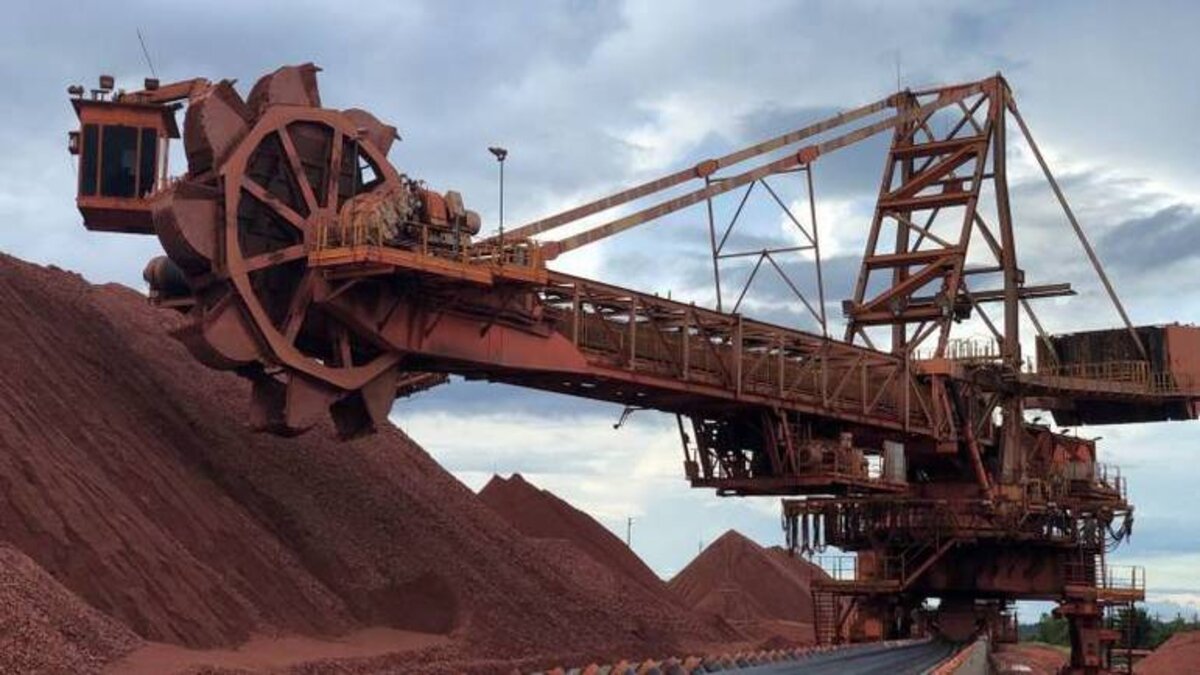
19 Border Towns Will Now Host Projects and Ventures in the Mining Sector After the Government Allowed Mining of Minerals Such as Gold and Iron in These Locations to Expand the Segment in Brazil
Through the publication of the Official Gazette of the Union (DOU), released on Monday, (05/02), the Government authorized mining in border areas. Thus, around 19 municipalities will be able to receive projects focused on the exploration of gold, iron, and other minerals. Moreover, the Government intends to continue advancing the sector to attract new investments for the growth of mineral exploration in Brazil throughout the year.
Mining Advances in 19 Border Municipalities After Government Allows the Exploration of Gold and Iron as a Way to Attract New Investments to the Sector
With the aim of attracting new investments for the mining segment throughout 2022, General Augusto Heleno, Minister of GSI (Institutional Security Office), authorized mining in border areas. Thus, municipalities in the states of Roraima, Mato Grosso, Mato Grosso do Sul, Rio Grande do Sul, and Paraná will receive ventures in the segment for the exploration of minerals such as gold and iron.
The concession was announced during the release of the latest Official Gazette of the Union, this Monday, and represents the Government’s new move for the growth of the sector in the country. In addition, Augusto Heleno is the Executive Secretary of the CDN (National Defense Council), a committee that advises President Jair Bolsonaro (PL) on defense and sovereignty issues, and has been seeking new strategies for mining in Brazil. The executive is also responsible for the approval of mineral exploration projects in the national territory, and the mining of gold and iron in border areas was an initiative envisioned by him.
-
Historic bankruptcy of Centauro shocks the market, and the century-old company puts more than 500,000 products, machines, and complete infrastructure up for online auction.

-
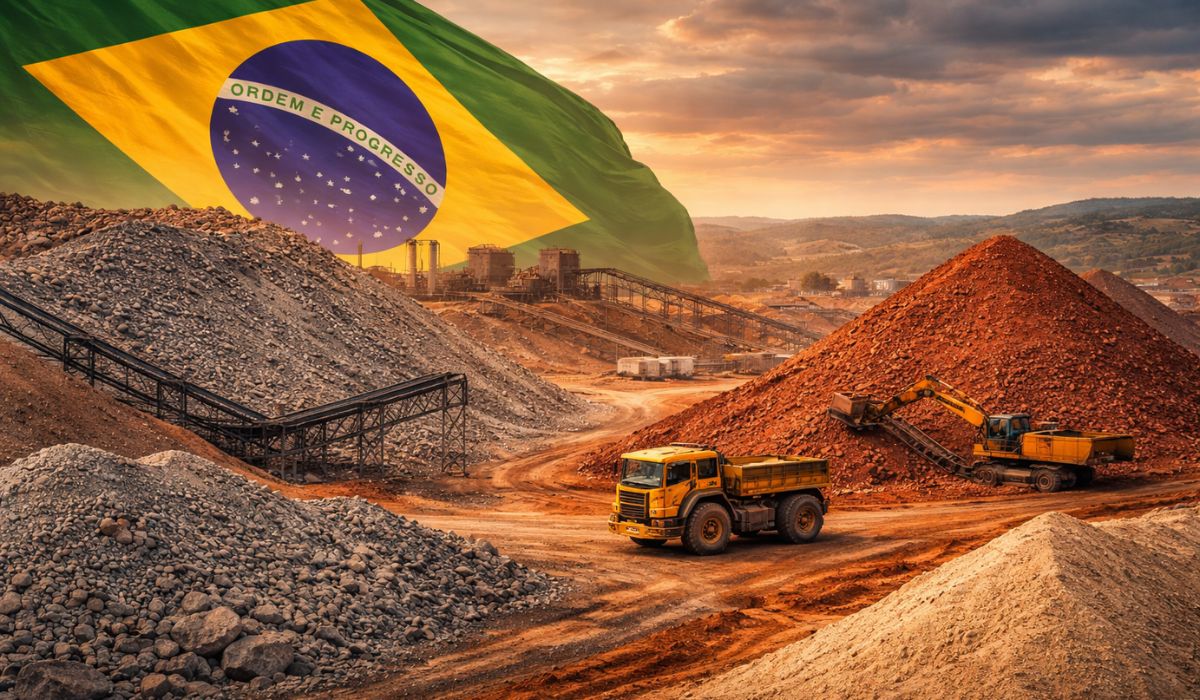
Brazil extracts 26.3 million tons of ore from what was previously treated as waste, transforming residues into wealth, producing over 3 million tons of sand, and demonstrating how national mining is relearning to generate value.
-
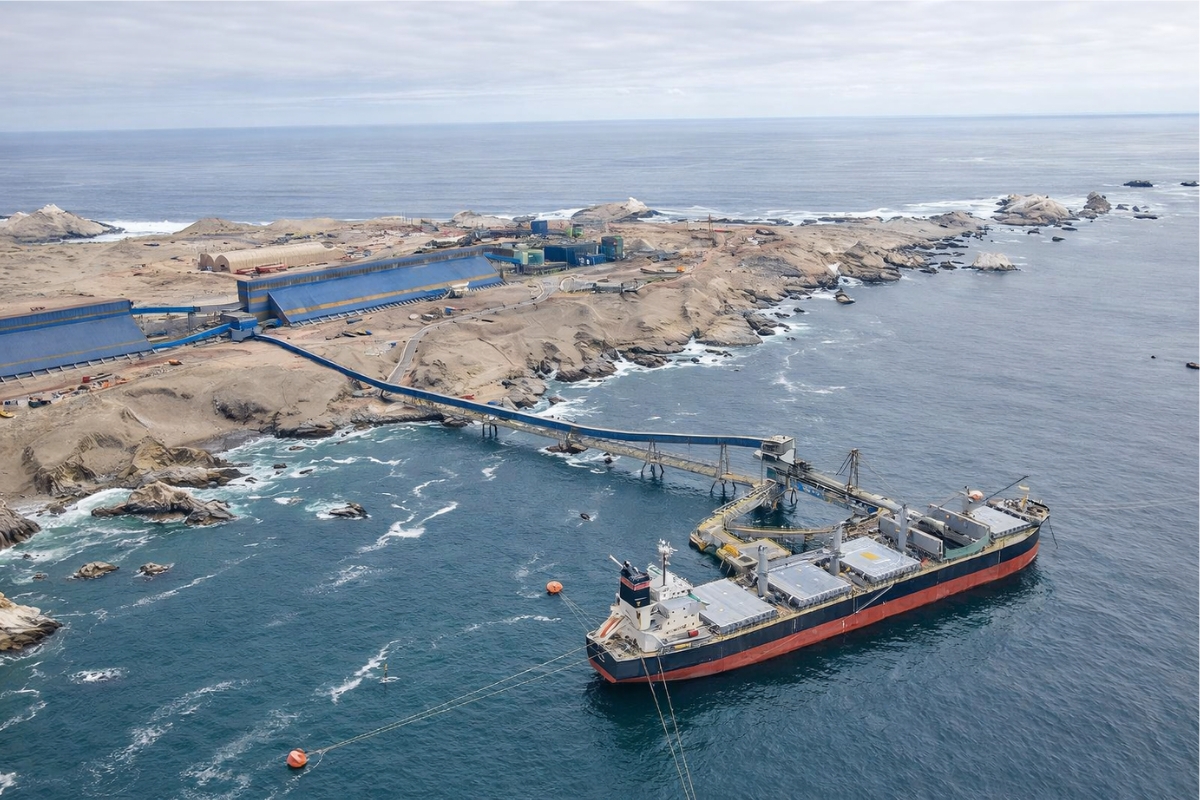
A $3.5 billion megaproject in Latin America pumps desalinated seawater at 1,050 liters per second over 194 km to keep a copper supermine in the Andes operational for another 20 years.
-
New shoe factory in Ceará is expected to create 400 jobs and strengthen the local economy.

Although this is considered a hasty move by some in the sector, the general believes it is the best way to attract new investors to the sector. Thus, with the granting of licenses, the exploration of minerals such as gold, marble, granite, limestone, manganese, iron, and dolomite was allowed in 37 border areas in Brazil. The cities that will benefit from ventures in the field border Paraguay, Venezuela, Guyana, Suriname, Bolivia, Argentina, and Uruguay and will now take advantage of the benefits of this announcement for the local economy.
The Release of Gold and Iron Exploration in Border Areas is Part of the Investment Plan for the Mineral Sector Designed by Ibram for the Coming Years
The Brazilian Institute of Mining (Ibram) had announced the next big plan for the segment and stated that investments in the mining industry in Brazil should total US$ 40.44 billion from 2022 to 2026. Thus, the search for new ventures and projects within the sector is highly necessary for this amount to be reached by the end of the proposed 5-year period by Ibram.
With that, the cities that will benefit from the advancement of mining and the exploration of gold and iron will be: Bonito, Corumbá, Miranda, and Jardim, in Mato Grosso do Sul; Aceguá, Bagé, São Gabriel, Santa Margarida do Sul, Caçapava do Sul, Vila Nova do Sul, and São Sepé, in Rio Grande do Sul; Caracaraí, in Roraima; Poconé, Araputanga, Rio Branco, Porto Esperidião, and Cáceres, in Mato Grosso; and Foz do Iguaçu and Coronel Vivida, in Paraná.
Thus, the Government intends to continue investing in mining focused on gold and iron, as the expected amount for the segment is US$ 13.6 billion for the development of new ventures and projects in the area.





Seja o primeiro a reagir!