





 English
  Francês
  Alemão
  Italiano
  Japonês
  Norueguês
  Portuguese
  Spanish
  3 min of reading
  0 comments


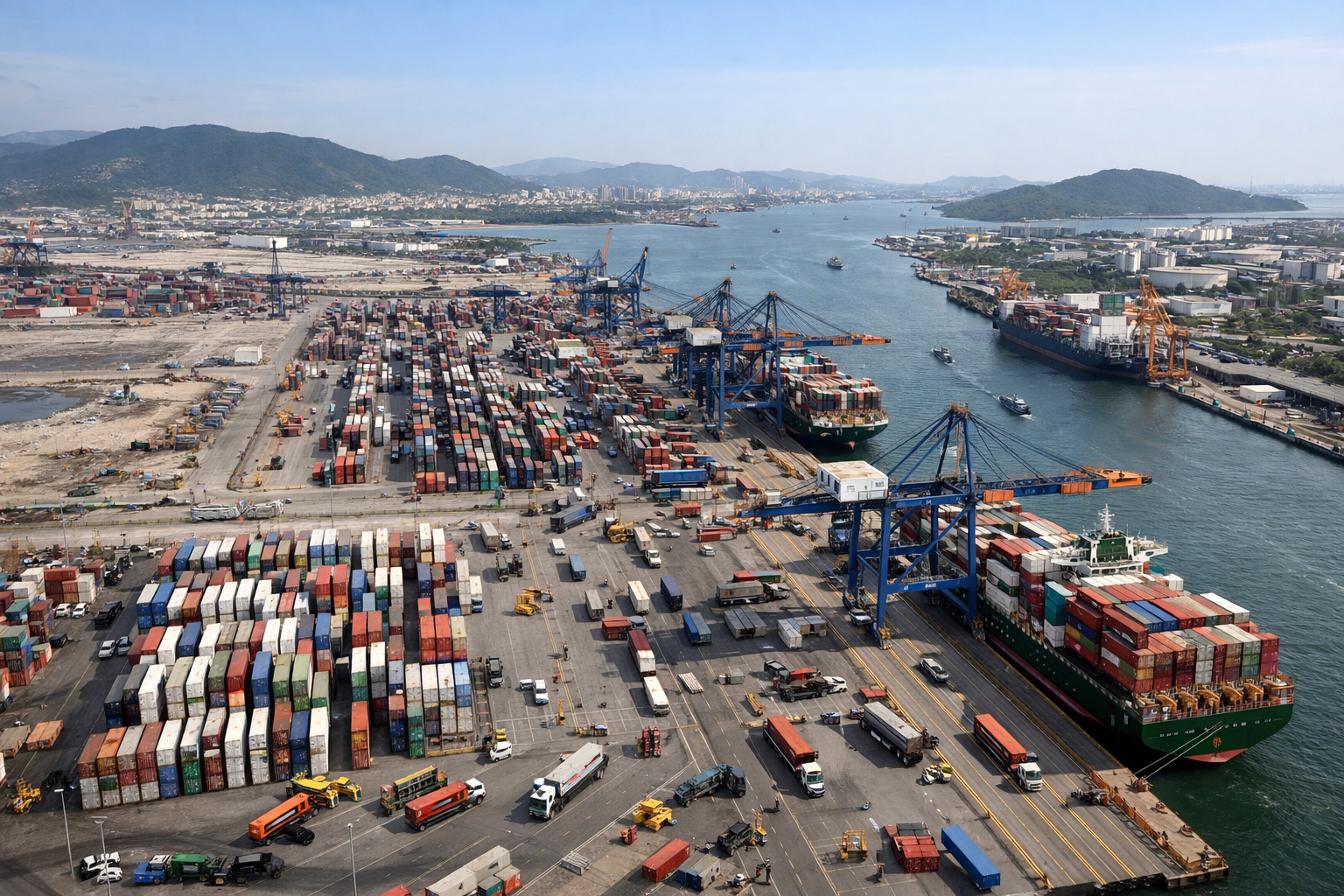
Merchant Marine Fund Council Approves Nine Strategic Projects That Increase Logistics Capacity and Strengthen the National Economy
The Government of Brazil approved R$ 5.1 billion in port investments during the 12th Extraordinary Meeting of the Board of Directors of the Merchant Marine Fund (CDFMM), held on the 12th.
With this decision, the country begins a new phase of modernization of its logistics infrastructure. In addition, the nine approved projects can generate 5,346 direct jobs in different regions.
The information was released by “Agência Gov,” based on an official statement from the Ministry of Ports and Airports (MPor). According to the agency, the ventures increase operational capacity and strengthen Brazilian foreign trade.
-
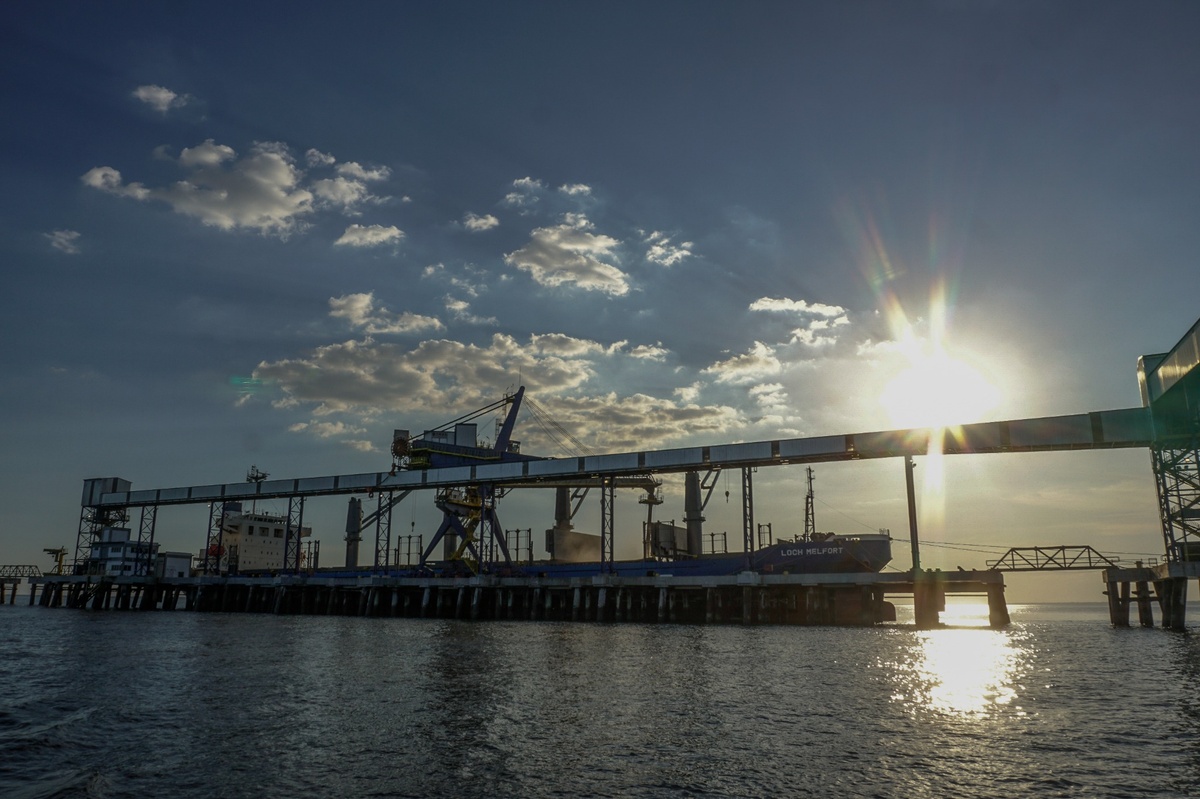
Private ports increased by 14.1% in January 2026 and lead port activity with 66% of the cargo, driven by oil, agribusiness, and exports.
-
Merchant Marine Fund Approves R$ 5.1 Billion for Port Projects Aiming to Accelerate Port Modernization, Expand Logistics Infrastructure, and Generate Over 5,000 Jobs in Brazil
-
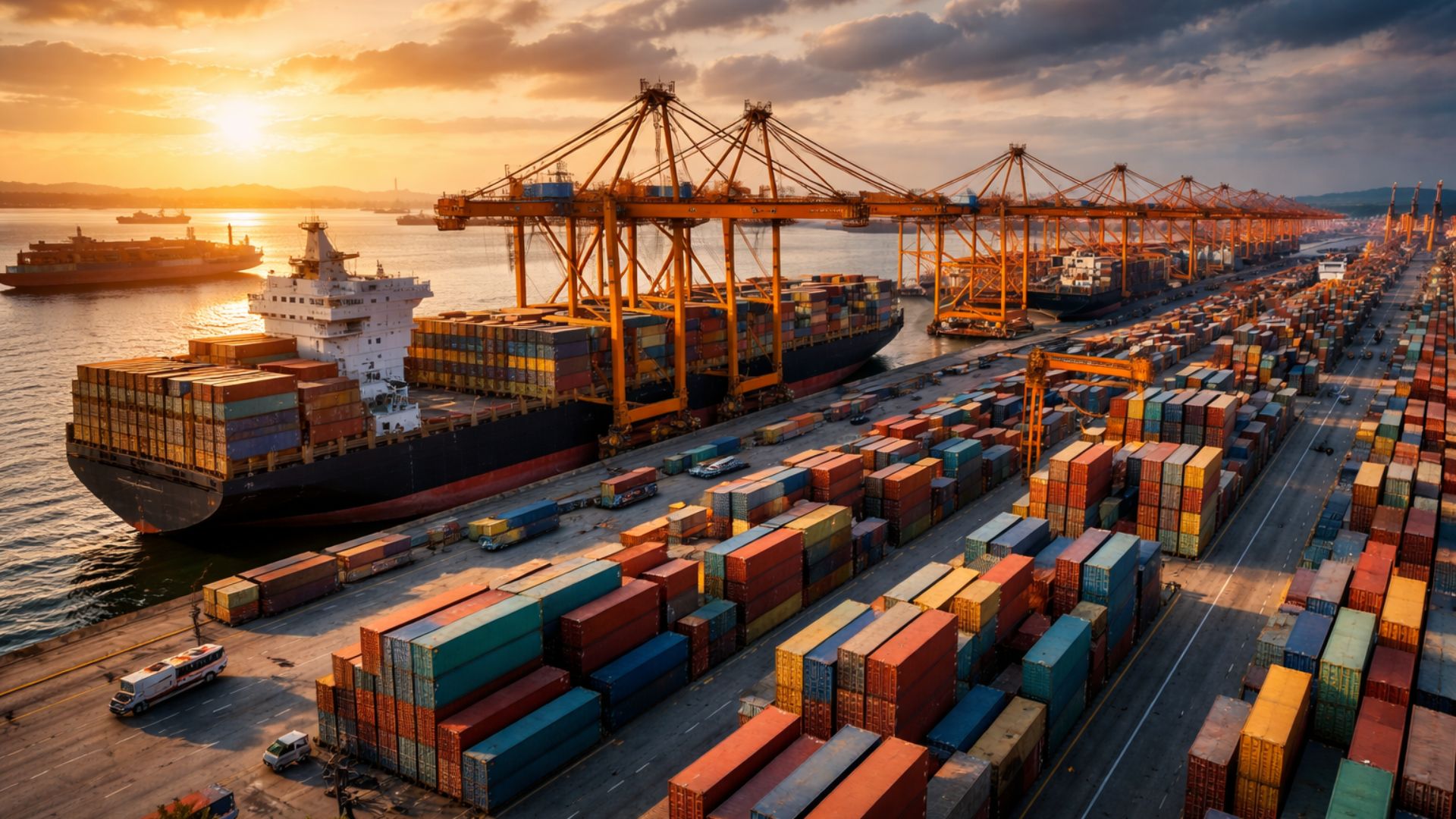
Giant of World Trade: Largest Port in Latin America Is in Brazil, Covers 7.8 Million Sq. Meters on São Paulo Coast, Accounts for 25% of All Exports, and Now May Undergo Historical Expansion That Triples Its Area and Changes the Future of National Logistics
-
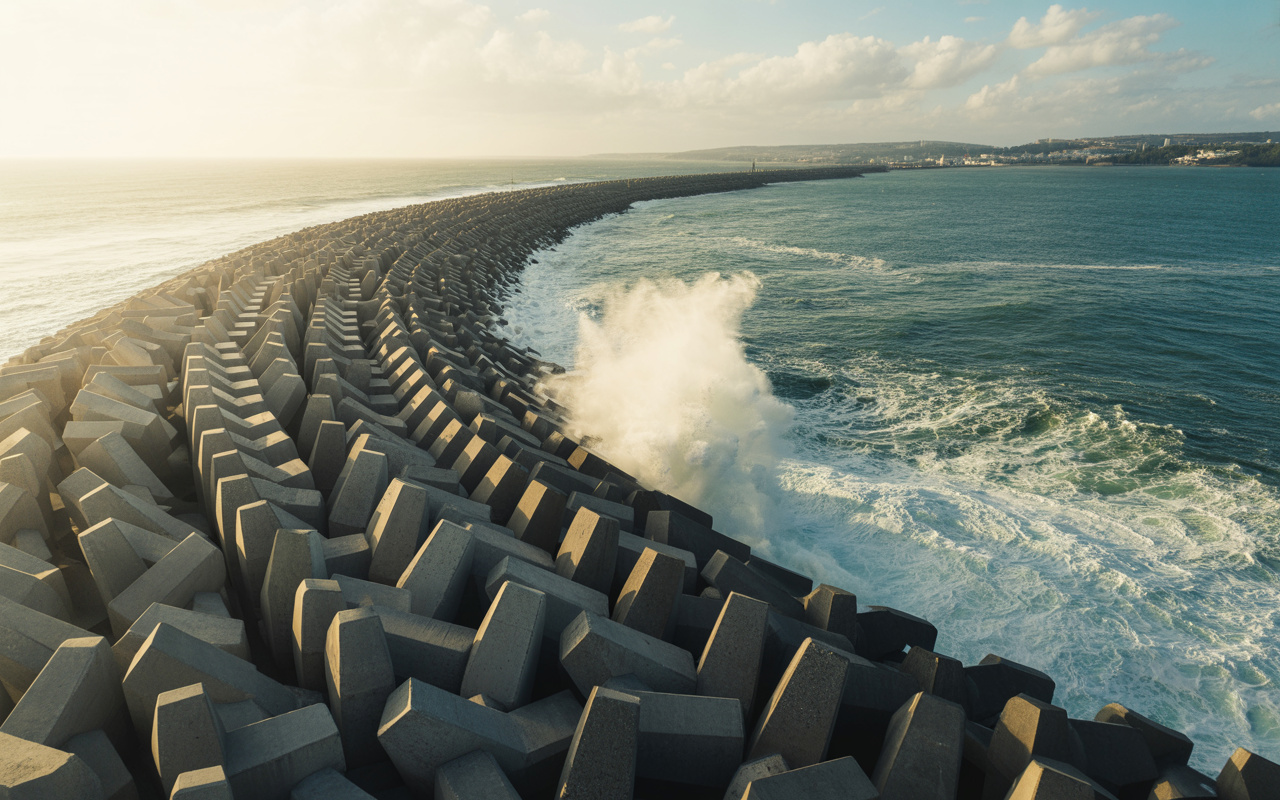
To Protect Portugal’s Largest Deep-Water Port, Engineers Launched Artificial Concrete Blocks Weighing Up to 90 Tons Each Into Open Sea, Creating a Breakwater Capable of Withstanding the Most Violent Atlantic Waves

Therefore, the investments not only boost structural works but also create income and stimulate the regional economy.
Santos, Pecém, and Paranaguá Concentrate the Largest Investments
Among the approved projects, the modernization of the Terminals 16 and 17 of the Port of Santos stands out. The investment will be R$ 678.2 million, linked to the contract with the CLI Sul Operator.
As a result, the port will gain more efficiency and operational organization. In addition, the expansion is expected to reduce logistical bottlenecks.
In the Northeast, the Pecém Port (CE) will receive R$ 795.1 million for the implementation of a new Private Use Terminal. Meanwhile, the Terminal of Nordeste Logística will also receive R$ 795.1 million, with an expectation of 1,000 direct jobs.
Meanwhile, in the South, the Paranaguá Port (PR) will have the largest individual approved investment: R$ 1.14 billion to expand and modernize terminal PAR-09. The project is expected to generate 1,200 direct jobs.
In the North, the Santana Port (AP) will receive R$ 127.8 million to implement a storage and shipping system. Additionally, the Aratu Port (BA) will gain new silos and structural improvements.
Thus, the billion-dollar package encompasses various strategic regions of the country.
Merchant Marine Fund Finances Up to 90% of Projects

The Merchant Marine Fund (FMM) finances naval and port infrastructure projects. The Ministry of Ports and Airports manages the fund.
After approval, companies have up to 450 days to contract the financing. If necessary, they can request an extension according to current regulations.
The FMM can finance up to 90% of the total value of the ventures. To accomplish this, it operates through institutions such as:
- BNDES
- Banco do Brasil
- Banco da Amazônia
- Banco do Nordeste
- Caixa Econômica Federal
According to the executive secretary of the ministry and president of the CDFMM, Tomé Franca, the decision strengthens job and income generation.
Moreover, Secretary Otto Luiz Burlier stated that investing in logistics boosts regional development.
Finally, Secretary Alex Ávila emphasized that the R$ 5.1 billion represents a structural step to enhance Brazil’s competitiveness.
Consequently, the ports will gain more agility. At the same time, the regions involved are expected to attract new private investments.
Do you believe that billion-dollar investments like this are enough to transform Brazilian logistics, or do we still need to advance further in modernizing the ports?









Seja o primeiro a reagir!