





 Portuguese
  English
  Spanish
  3 min of reading
  2 comments




In 2023 and 2024, the Rouanet Law reached historic levels, setting billion records under the Lula government. Despite the impressive numbers, effective funding is lower, generating criticisms and debates about regional distribution and fiscal impact. What do these amounts really mean for Brazilian culture?
The numbers are impressive and raise heated debates. The Rouanet Law, the main tool for cultural incentive in Brazil, reached historic marks in the first two years of President Luiz Inácio Lula da Silva’s (PT) administration.
Amid the controversies surrounding this financing instrument, the amounts authorized in 2023 and 2024 were the largest ever recorded. However, what do these amounts really mean for culture and public finances?
The Records in Detail
-
Pharmacy inside the supermarket: what changes now in your purchase, why medicines won’t go on the shelves, which rules remain strict, mandatory pharmacist, separate space, controlled storage, more convenience and competition in the country.

-
Ports like Santos and Paranaguá are operating at their limits and may block containers as early as 2030, warns a study by Macroinfra; bottlenecks increase costs and delays and push cargo to Rio, Salvador, Pecém, and Suape across Brazil.

-
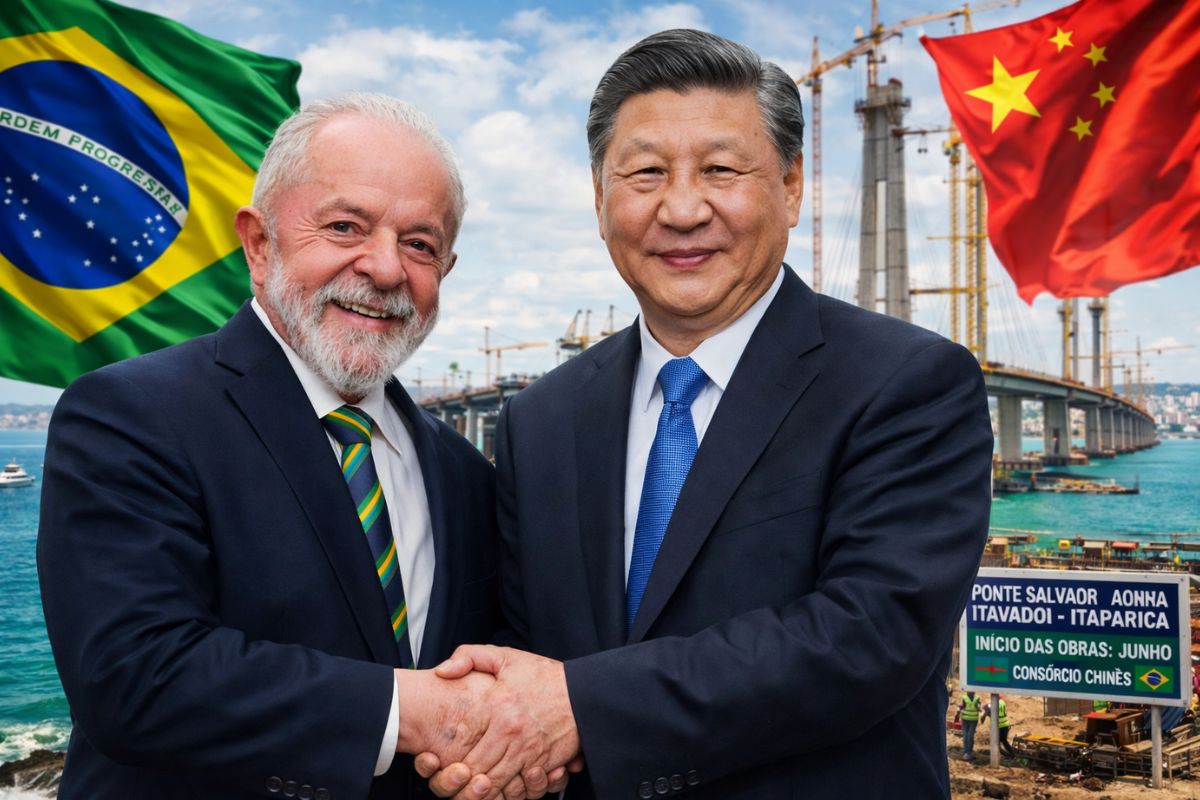
Lula reveals in an interview that he asked President Xi Jinping three times to invest in a major project in Brazil, the Salvador-Itaparica bridge, which is set to begin in June with the participation of a Chinese consortium and is expected to be extraordinary, according to the president.
-
Neighboring city of Belo Horizonte has properties starting at R$ 139,000 with 90 m² and a price per square meter much lower than the capital, even concentrating automotive, petrochemical, and logistics hubs.

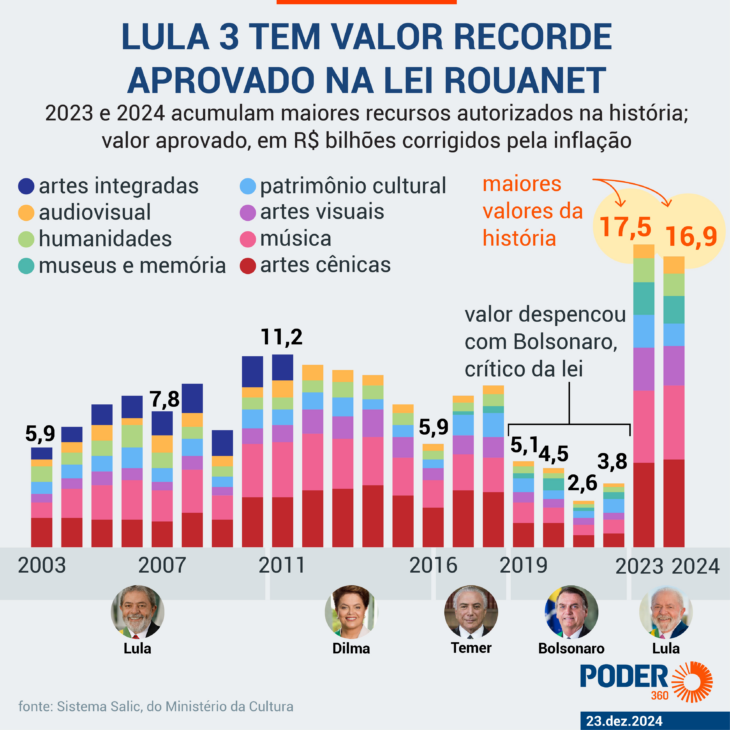
According to data released by the newspaper Poder360, the amounts authorized through the Rouanet Law reached a record level in 2023, amounting to R$ 17.5 billion — the highest value in history, adjusted for inflation.
In 2024, the amount approved for fundraising was also impressive: R$ 16.9 billion, the second highest in the historical series.
For comparison, throughout the administration of Jair Bolsonaro (PL), a notable critic of the law, the total authorized was R$ 16 billion, adjusted for inflation.
In just 2024, the amount surpasses what was approved in the four years of his administration.
Here are the amounts authorized annually during the Bolsonaro government:
- 2019: R$ 5.1 billion;
- 2020: R$ 4.5 billion;
- 2021: R$ 2.6 billion;
- 2022: R$ 3.8 billion.
Before Lula’s return to power, the largest record was set in 2011, during Dilma Rousseff’s (PT) government, with R$ 5.4 billion in nominal values (or R$ 11.2 billion adjusted for inflation).
Fundraising Does Not Always Mean Application
Despite the impressive amounts, not all the authorized funds translate into fundraising or application.
In 2024, for example, of the R$ 16.9 billion approved, only R$ 2.1 billion had been effectively raised up to the time of disclosure.
The approval of a project under the Rouanet Law allows for fundraising from individuals and corporations, who can deduct these amounts from their income taxes.
However, many projects face difficulties in raising the authorized funds.
The Ministry of Culture (MinC) emphasizes that the authorized amount only represents the demand presented to the agency, not effectively released funds.
According to the MinC, the expectation is to achieve a record fundraising of R$ 3 billion in 2024.
The Most Benefited Areas
Among the 14,058 projects approved in 2024, the most supported cultural areas were as follows:
- Performing Arts: R$ 4.9 billion;
- Music: R$ 4.2 billion;
- Visual Arts: R$ 2.5 billion;
- Cultural Heritage: R$ 1.9 billion;
- Museums and Memory: R$ 1.9 billion;
- Humanities: R$ 1.4 billion;
- Audio-visual: R$ 0.8 billion.
The predominance of resources allocated to performing arts and music reinforces the importance of these sectors for the country’s cultural landscape.
Regional Distribution
Regional inequality is also evident in the distribution of approved projects. According to Poder360, the Southeast region accounted for 53.6% of the projects, followed by the South (23.7%) and the Northeast (12.5%).
The Midwest (5.8%) and the North (4.4%) complete the list. These data reveal an imbalance that reflects both population concentration and the structural conditions of each region to promote cultural projects.
How the Rouanet Law Works
The Rouanet Law allows individuals and corporations to deduct from Income Tax the amounts invested in cultural projects. The deduction limits are:
- 6% of the tax owed for individuals;
- 4% of the tax owed for corporations.
This incentive model, however, has faced criticisms due to the fiscal abdication by the government, which forgoes the amounts intended for the projects.
Official Note from MinC
In a statement, the MinC clarified that the elevated amounts reflect the high demand presented in 2024 and do not represent effectively released funds. The Ministry also highlighted that the data can be consulted in the System for Supporting Cultural Incentive Laws (Salic).
And you, what do you think?
Are the record amounts authorized by the Rouanet Law an advancement for culture or do they reflect an imbalance in the use of public resources? Share your opinion in the comments!






Não são recursos públicos. É apenas uma renúncia fiscal para fomentar a área da cultura na qual empresas privadas ou pessoas físicas buscam patrocinar projetos culturais em diversos ramos para que ao mesmo tempo tenham deduzidos o imposto de renda. Lembrando que sem esse incentivo, muitos projetos não sairiam do papel por falta dinheiro. Sem esquecer que todo projeto cultural movimenta a economia de forma direta e indireta.
Rezultado da democracia de **** instalado no país.
Até as queimadas sumiram.
E as “miziquinhas” dos “artistas covardes” ,?.sumiram.
São muitos covardes para um país só.