





 Portuguese
  English
  Spanish
  3 min of reading
  0 comments


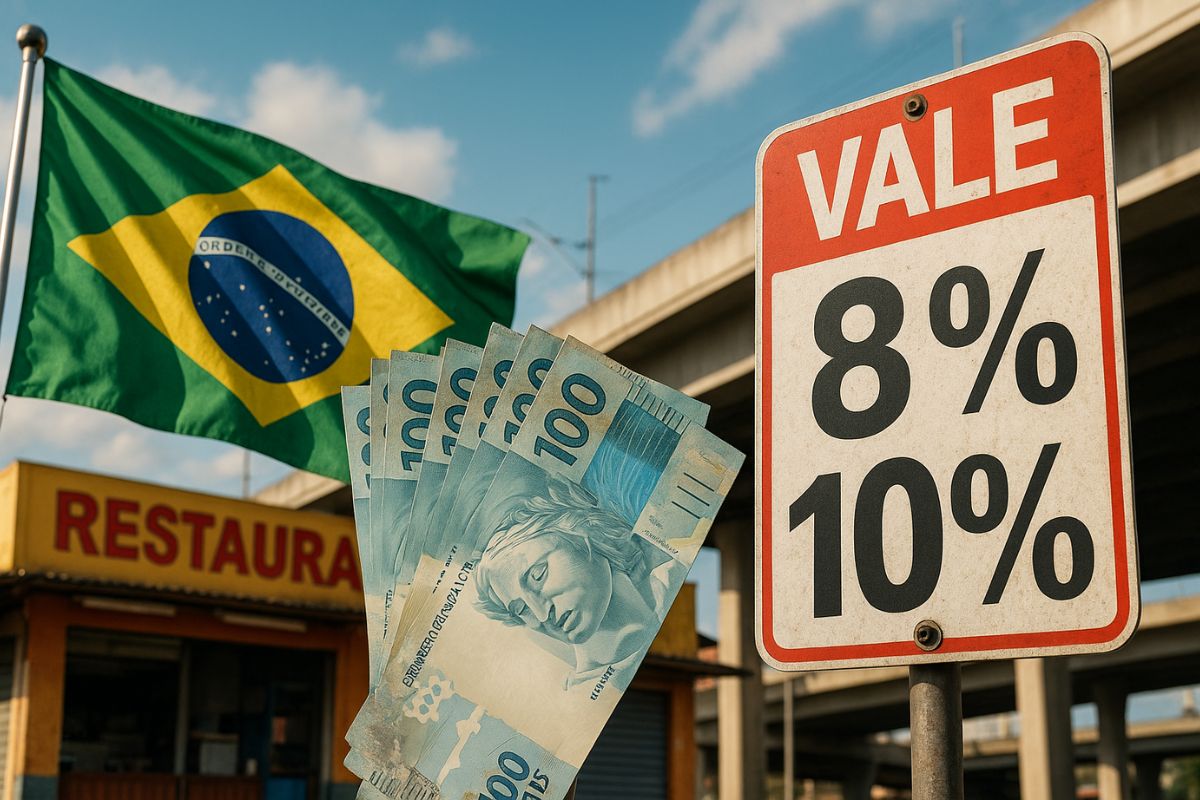
Announcement Of New Rules For The Worker Food Program Is Postponed To October, But The Government Promises To Limit Abusive Fees Charged To Bars And Restaurants
The federal government postponed to October the announcement of changes to the meal vouchers and food vouchers, which are part of the Worker Food Program (PAT). The expectation was that the news would be released in September, but negotiations between card operators and commercial establishments have not yet reached a consensus.
According to the Minister of Labor and Employment, Luiz Marinho, the government’s priority is to establish a limit on the fees charged by bars, restaurants, and supermarkets. These fees, known as Merchant Discount Rate (MDR), can significantly compromise the revenue of establishments, which still have to deal with payment transfer terms of up to 30 days.
Reform In The PAT And Ongoing Negotiations
The PAT, created to ensure workers have access to quality meals, has come under criticism due to the conditions imposed by card operators.
-
Oil surged to $115 a barrel due to the war in the Middle East, and diesel in Brazil has already risen to R$ 7.45 per liter, while the United States…

-
Brazilian city bets on the business environment to generate jobs and attract investments in the energy sector — secretary reveals strategy at Macaé Energy 2026.

-
50 viaducts, 4 tunnels, 28 bridges, and 40 kilometers of bike paths: BR-262 in Espírito Santo will receive 8.6 billion reais for the largest engineering project in the state’s history, inspired by the Immigrant Highway in São Paulo.

-
Brazil produces too much clean energy and doesn’t know what to do with it: over 20% of solar and wind capacity was wasted in 2025 while investors flee and 509 renewable generation projects were abandoned in the last year.


High discount fees and long payment transfer periods are cited by merchants as factors that disrupt the sector.
During a press conference, Marinho explained that the goal is to reduce not only the percentage of these fees but also the payment transfer times.
The announcement, initially scheduled for May, was postponed to avoid legal disputes and build consensus.
The final definition must involve the participation of the Minister of Finance, Fernando Haddad.
New Limit For Fees And Payment Terms
One of the main points under discussion is the cut in fees charged on sales made with meal vouchers and food vouchers.
Currently, many bars and restaurants report that the discount applied by operators undermines part of their operational profit.
Moreover, the government wants to reduce the time it takes for money to arrive at the establishments’ cash registers.
Merchants currently wait about 30 days to receive payments, which disrupts cash flow and hampers investments in expansion or service improvements.
Impacts On Workers And Companies
The postponement should not affect the benefits for workers, but the expectation is that with reduced fees and faster payments, the system will become more advantageous for all.
For restaurants, it means financial relief; for employees, it may mean a larger network of places accepting the benefits, as many merchants stop using the cards due to costs.
The Lula government also seeks to link this agenda to the valorization of work, emphasizing that the changes are part of a broader effort of economic and social regulation.
Job Scenario And Parallel Agenda
In addition to the PAT, Minister Luiz Marinho highlighted the positive balance of 147,358 formal jobs in August, according to Caged.
The result surpassed July figures, but still fell short of those recorded in the same month in 2024, signaling the effects of economic slowdown.
Another topic discussed was the pact for the valorization of app delivery workers, initially planned to be signed only with Ifood.
The government postponed the signing to broaden dialogue with other companies in the sector.
The Lula government reaffirms that changes to the meal vouchers and food vouchers must prioritize workers and merchants, reducing distortions and limiting abusive fees that affect bars, restaurants, and supermarkets.
The challenge now is to conclude negotiations with operators and announce the new rules in October.
And you, do you believe that limiting the fees will really improve the system, or are you concerned that the costs will end up being passed on to the consumer? Leave your opinion in the comments and join the debate.










-

Uma pessoa reagiu a isso.