





 Portuguese
  English
  Spanish
  6 min of reading
  0 comments


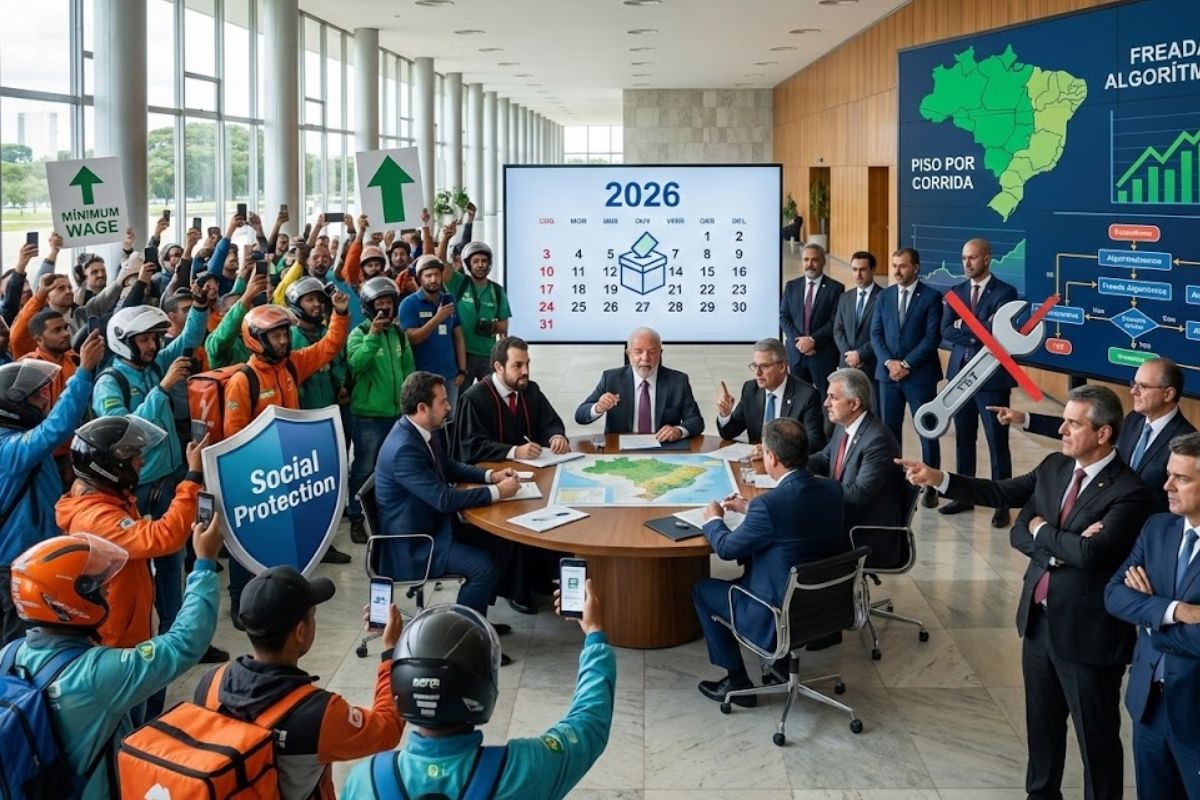
Working Group Created on December 4 Brings Together Boulos, TST, Ministries, and Congress to Define Baseline per Delivery, Expand Social Protection, and Provide Transparency for Algorithms That Punish App Deliverers, While Companies Resist and the Planalto Aims for Electoral Showcase in 2026 in the Dispute with the Right in 2026.
On Thursday, December 4, 2025, the Lula government created a working group to accelerate the regulation of app deliverers and establish a minimum earning per delivery, which currently does not exist on platforms like iFood and 99Food, where the payment varies according to distance and time. The offensive aims to respond to allegations of exhausting work hours, low earnings, and silent punishments imposed by opaque algorithms.
With an eye on the 2026 presidential elections, the Planalto has made this issue a political priority and has enlisted Guilherme Boulos, ministers from different areas, worker representatives, members of the TST, and parliamentarians to develop, in up to 60 days, a proposal that combines baseline payments per delivery, social protection similar to pension schemes, and clear rules for the operation of apps.
Planalto Offensive Targets Social Showcase for 2026
The project was chosen as one of the main social showcases of the government for the upcoming electoral dispute. According to the Ministry of Labor, app deliverers and drivers already number more than 3 million people in the country, a contingent seen at the Planalto as crucial both economically and for building political narratives.
-
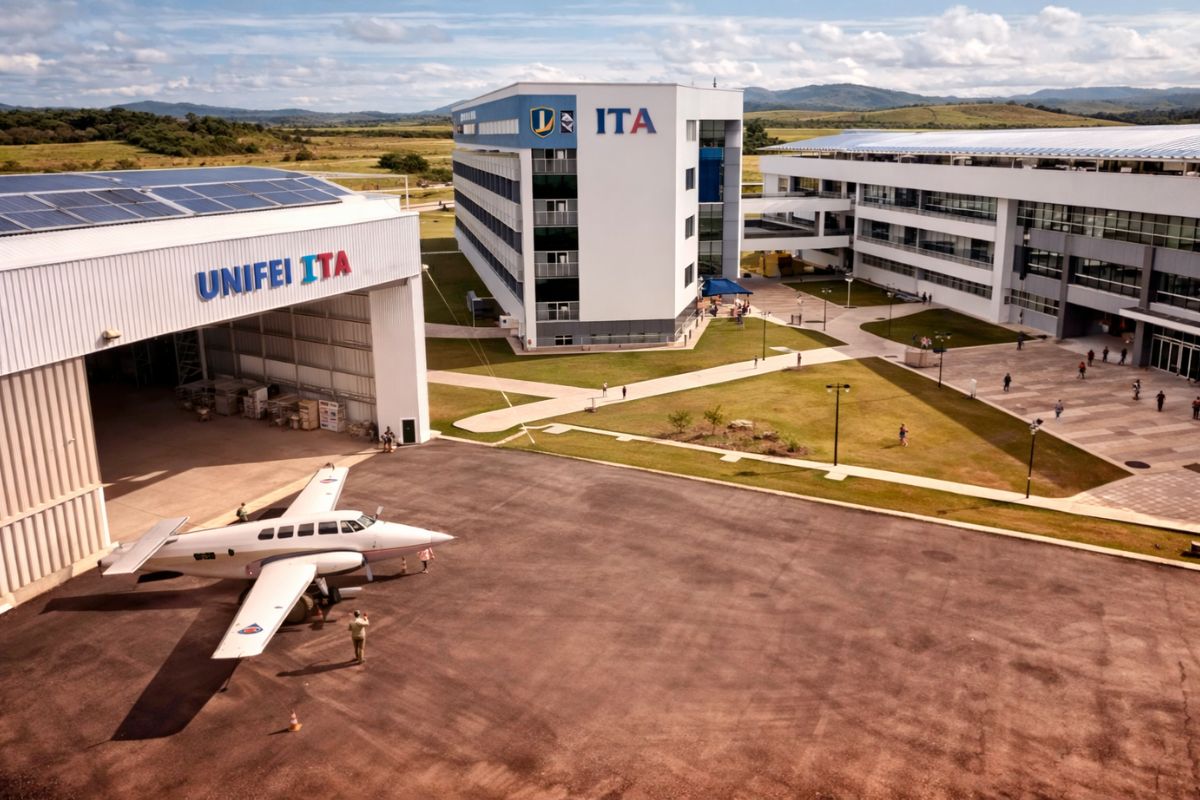
The institute that trained the greatest aerospace engineers in Brazil has just opened its first campus outside São Paulo after 75 years: ITA Ceará will have R$ 445 million, new courses in energy and systems, and classes are expected to start in 2027.
-
Luciano Hang, owner of Havan, goes to Juiz de Fora after the tragedy in February, brings R$ 1 million, hands out R$ 2,000 cards, and donates up to R$ 15,000 to victims in the region.

-
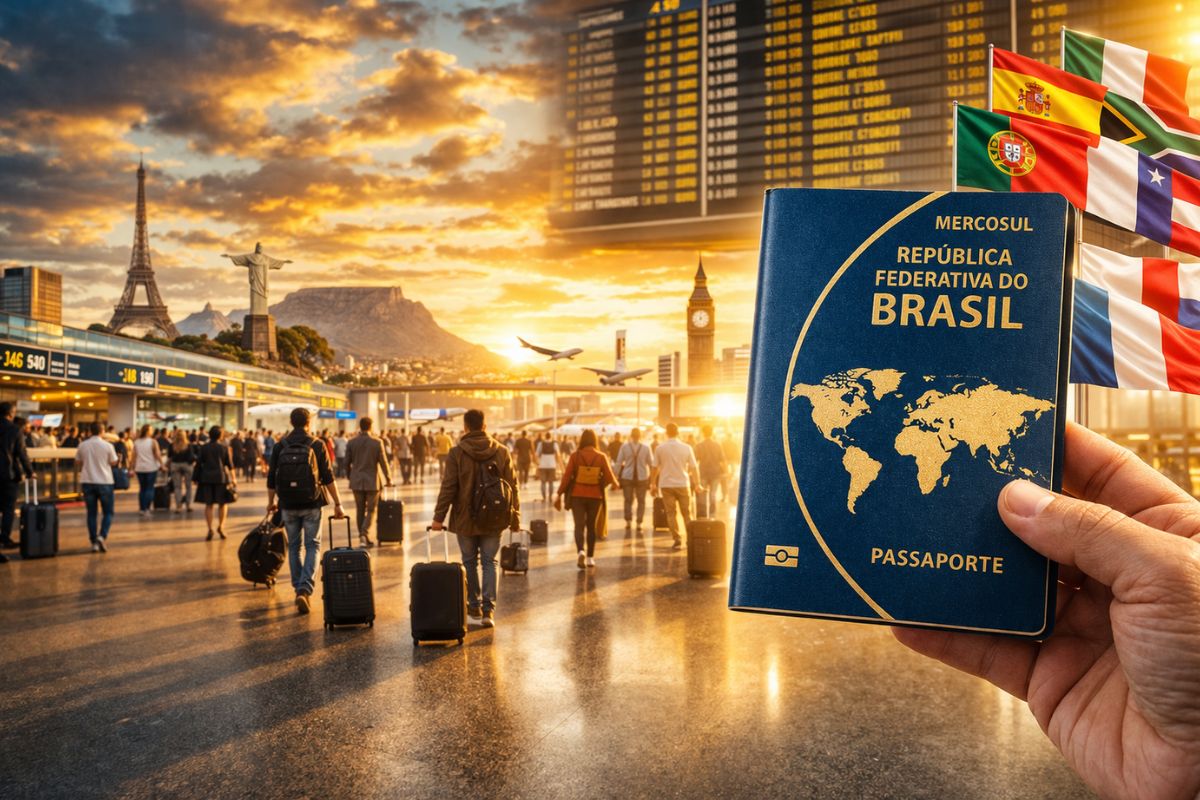
The Brazilian passport allows legal residence in dozens of countries without the need for a prior visa, and most Brazilians are unaware that they can apply for residency directly upon arriving in nations in South America, Africa, and even Europe.
-
Petrobras sends a message to Brazilian truck drivers after fuel collapse and reveals plan to have 100% domestic diesel.


Within the PT, there is a view that these workers see themselves more as entrepreneurs than as traditional employees and, therefore, maintain a historical distance from the unionism that shaped Lula’s journey.
By changing the rules for app deliverers, the government aims to correct labor distortions while trying to win over a social base that is not yet loyal.
Boulos took on the position of Secretary-General precisely at the final stretch of the term to bring social movements and new categories closer to the government.
Since then, he has intensified meetings with different segments, with app deliverers becoming one of the most sensitive focal points of this agenda.
Minimum per Delivery Is the Most Explosive Point of Negotiation
Within the working group, the most controversial item is the minimum per delivery, which the government admits is far from reaching any consensus.
The Anep (National Alliance of App Deliverers) is pushing for a base of R$ 10 per delivery, an amount that, in the view of workers, would help stabilize the baseline in a scenario currently dominated by unpredictable fare variations.
However, parliamentarians resist the idea of establishing a single value applicable nationwide, citing differences in the cost of living between cities and regions.
The government is trying to build a formula that acknowledges these differences without undermining the central goal of guaranteeing minimum income predictability for app deliverers.
Currently, platforms operate with their own criteria, which combine distance, time, demand, and internal costs, without any guarantee of minimum payment per delivery.
In practice, app deliverers claim they work more, cover more kilometers, and still see their average earnings shrink, even during previously considered more profitable hours.
Social Protection and Algorithmic Transparency Progress More Rapidly
If the minimum per delivery is the most contentious area, the other two axes of the agenda are moving with more convergence: social protection and algorithm transparency. The government’s proposal is to create a kind of protection network similar to Social Security, guaranteeing minimum rights to those who work continuously through digital platforms.
In this framework, app deliverers would gain access to support mechanisms in case of accidents, illness, or sudden income drops, even though the formal link with the companies remains under discussion in Congress.
The logic is to acknowledge that app mediation cannot serve as a shortcut to escape basic social obligations.
Transparency in algorithms is another sensitive point. Boulos has cited reports from workers who, upon turning off the app to eat or rest, go two or three hours without receiving new deliveries, in a kind of silent punishment.
For the government, this type of automated retaliation without public criteria is incompatible with a rule-of-law state.
The idea is to require platforms to clearly inform what the rules are for distributing orders, what behaviors may reduce the availability of deliveries, and which criteria affect compensation.
The government wants to make visible what currently operates as a “digital black box” that organizes the lives of millions of app deliverers.
Group with Boulos, TST, and Congress Has a Deadline of 60 Days
The working group is inter-ministerial and includes, in addition to the Secretary-General, the Ministries of Industry and Commerce and Labor. It also involves representatives of app deliverers, members of the Superior Labor Court, and the political leadership of the legislative process in Congress.
The rapporteur of the special committee discussing the topic in the Chamber, Deputy Augusto Coutinho (Republicanos-PE), is part of the table and is expected to present his report in the week following the group’s formation.
Boulos states he has already coordinated with the parliamentarian that the proposals consolidated in the meetings will be incorporated into the project in the form of amendments.
The formal deadline is up to 60 days, aiming to conclude the work between late January and early February, just when the Legislative resumes its activities.
From there, the text will need to be discussed in the Chamber’s plenary, and if approved, will move to the Senate, on a timeline designed to keep the topic in the spotlight until the 2026 elections.
Companies Outside the Table, But Under Direct Pressure
Despite being the direct targets of the future rules, app delivery companies are not part of the working group.
According to Boulos, they have already been heard in different rounds and continue to be invited to specific meetings, but will be left out of the arena where consensus will be sought among government, Judiciary, and Congress.
The Planalto’s argument is that the presence of companies could serve as a permanent hindrance to negotiations, jeopardizing the tight schedule.
In conversations they have already had with the government, the companies made it clear that they do not accept the idea of a remuneration baseline for app deliverers and presented their own limits for any changes.
Nevertheless, the political framework is one of continuous pressure. While the formal group discusses the text, ministries are still engaging directly with the companies, which are also closely monitored by parliamentarians linked to the technology and digital economy sector.
The message is that platforms will have room to opine, but no veto power over the backbone of the new regulation.
Dispute for Dignity and Narrative Among App Deliverers
In public discourse, the government reinforces the moral dimension of the agenda. Boulos often recalls that app deliverers frequently bring food to customers’ homes while they themselves go hungry, because what they earn is not enough to eat at the same restaurants they serve.
The message is simple: the ease of service for the consumer cannot be built at the expense of extreme precariousness for those who pedal or drive.
By proposing a minimum earning, social protection, and algorithm transparency, the Planalto attempts to position itself as the side defending “rights and dignity” in a sector associated with innovation and the digital economy.
At the same time, the government seeks to break the resistance of a category that in 2022 proved to be resistant to so-called “CLTization” and closer to liberal discourses.
And you, do you think Brazil should guarantee a national baseline for app deliverers even with the resistance from delivery companies?










Seja o primeiro a reagir!