





 Portuguese
  English
  Spanish
  4 min of reading
  0 comments


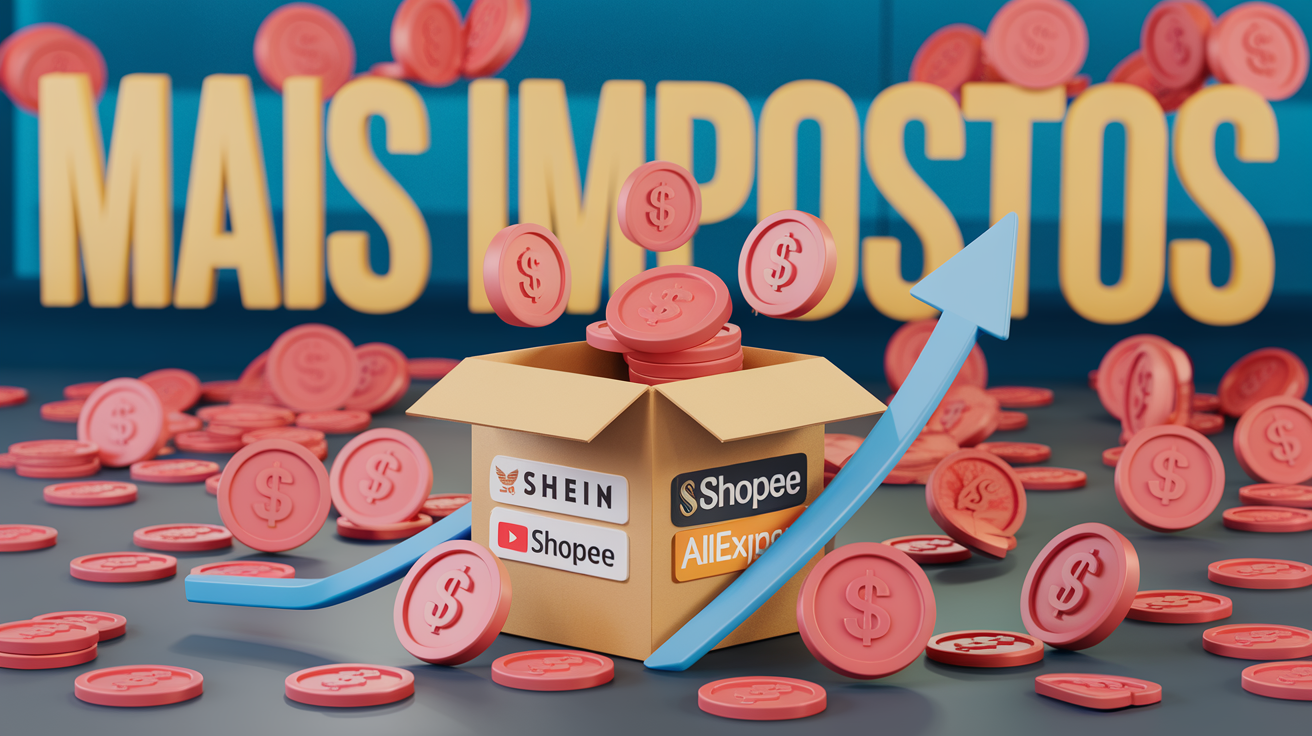
The Government Is Studying an Increase in the ICMS Rate to 25% on International Purchases, Affecting Platforms Such as Shein, Shopee, and AliExpress. Will Local Commerce Come Out Ahead?
In recent years, millions of Brazilians have adopted international sites like Shein, Shopee, and AliExpress to save on purchases of clothing, electronics, and accessories.
However, a new proposal under discussion promises to shake up this practice and, in turn, inflate the final prices of these products.
The federal government is evaluating the possibility of increasing the tax on international remittances, a decision that has been dividing opinions.
-
The institute that trained the greatest aerospace engineers in Brazil has just opened its first campus outside São Paulo after 75 years: ITA Ceará will have R$ 445 million, new courses in energy and systems, and classes are expected to start in 2027.

-
Luciano Hang, owner of Havan, goes to Juiz de Fora after the tragedy in February, brings R$ 1 million, hands out R$ 2,000 cards, and donates up to R$ 15,000 to victims in the region.

-
The Brazilian passport allows legal residence in dozens of countries without the need for a prior visa, and most Brazilians are unaware that they can apply for residency directly upon arriving in nations in South America, Africa, and even Europe.
-
Petrobras sends a message to Brazilian truck drivers after fuel collapse and reveals plan to have 100% domestic diesel.


The National Committee of Secretaries of Finance, Treasury, Revenue, or Taxation of the States (Comsefaz) will meet this Thursday, December 5, to discuss a thorny issue: raising the ICMS rate applied in the Remittance Program, which is currently 17%, to 25%.
According to journalist Lauro Jardim from the newspaper O Globo, this measure responds to pressures from the national retail sector, which has long denounced practices considered unfair by foreign giants.
If approved, this change will not only make purchases made on these marketplaces more expensive, but it could also profoundly alter Brazilians’ online consumption habits.
What Is the Remittance Program and How Does It Work?
Created to regulate international e-commerce, the Remittance Program aims to ensure proper taxation of purchases made outside Brazil.
When a consumer buys from sites like AliExpress, the applicable tax should be collected at the time of payment, preventing fraud and underreporting of values.
Currently, the rate is 17%, but with the new proposal, it would jump to 25%.
This 8% difference may seem small at first glance, but it represents a considerable increase in the final price of products that already suffer from currency conversion and additional fees.
Since August 2024, when the program underwent adjustments, the number of international remittances has dropped by more than 40%, according to industry data.
This decline highlights the direct impacts of stricter tax policies, but it also raises questions about the limits of this strategy.
The Direct Impact on the Consumer’s Pocket
Sites like Shein and Shopee have won over Brazilian consumers with low prices and a wide variety of products.
However, if the proposal to increase the ICMS is approved, the final cost of these purchases will rise, deterring many consumers who rely on these platforms to save money.
For example, a clothing item that costs R$ 100, currently taxed at R$ 17, would see a charge of R$ 25 just in ICMS, not counting other fees.
More expensive products, such as electronics, would feel the weight of this adjustment even more.
The Brazilian retail sector, which has long pointed to the disparity of market conditions, sees the proposal as an attempt to level the playing field.
Local companies argue that they face difficulties competing with international marketplaces that, in some cases, evade tax rules or exploit legal loopholes.
Benefit or Loss to the National Economy?
On the government side, the increase in ICMS has economic and fiscal justification. The extra revenue would help reduce the deficit in public accounts, in addition to protecting local industry and retail.
For Comsefaz, this measure also encourages fairer behavior in the market, preventing foreign giants from abusing unfair competitive advantages.
On the other hand, critics point out that this type of decision could end up hurting the final consumer, who is already dealing with a reduced purchasing power due to inflation.
Furthermore, the measure could slow the growth of e-commerce, one of the most promising sectors of the Brazilian economy in recent years.
As journalist Lauro Jardim emphasizes, the decision reflects the complex relationship between fiscal policies, economic interests, and consumer needs.
Although the government claims that the measure aims to protect jobs and encourage local consumption, the impact on the cost of living for Brazilian families could be significant.
The Future of E-Commerce in Brazil
The debate around increasing the ICMS to 25% is just one piece of a larger puzzle.
The popularization of international purchases has brought undeniable benefits, such as greater access to products and more competitive prices, but it has also generated regulatory challenges for the government.
If the measure moves forward, consumers will have to reconsider their purchasing options, possibly prioritizing the national market again.
On the other hand, it is likely that international platforms will seek alternatives to continue attracting the Brazilian audience, such as promotions or price subsidies.
With this change, e-commerce may enter a new era in Brazil, marked by stricter rules and higher taxation. The question remains: will consumers be willing to pay the price?









-

-

-

4 pessoas reagiram a isso.