





 Portuguese
  English
  Spanish
  3 min of reading


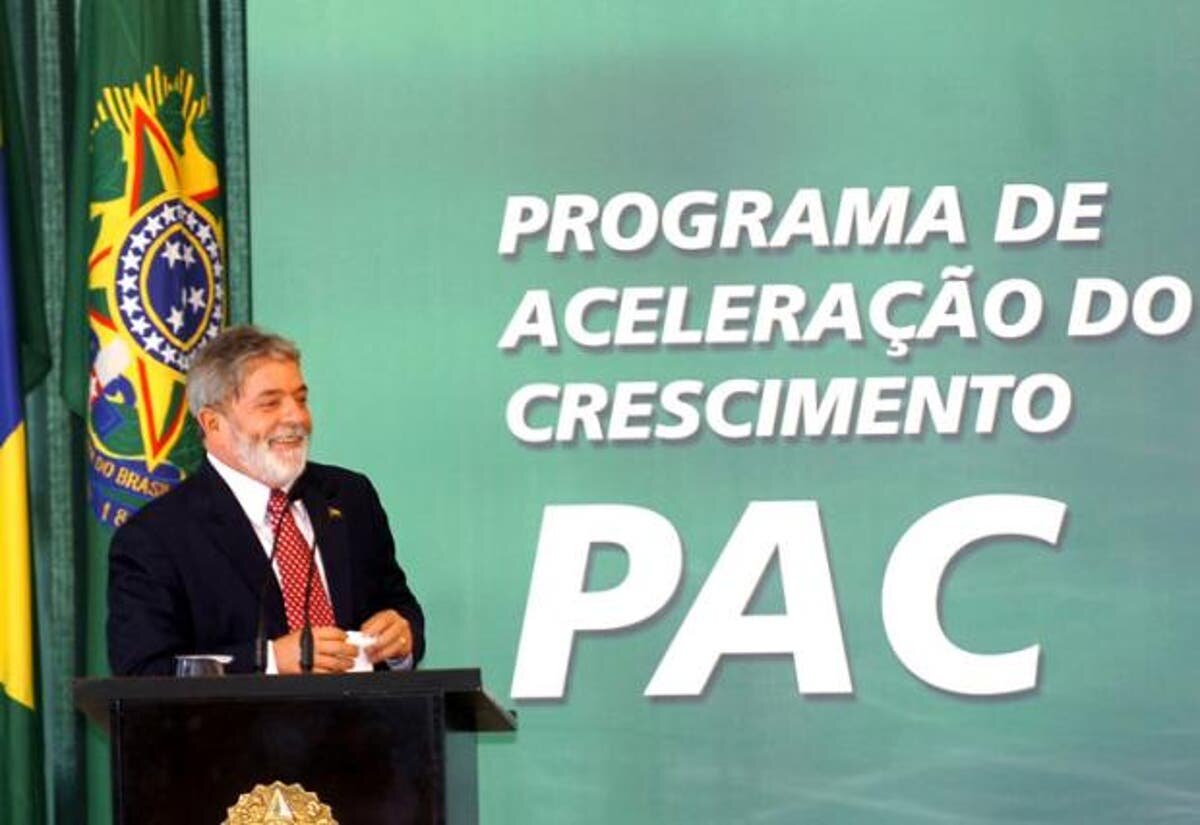
Famous Project of the 2000s, the PAC Will Return to the Lula Government Throughout 2023 with Investments of R$ 40 Billion. The Spending Cap Will Be Applied to the Development of Infrastructure Works and Completion of Unfinished Projects in Brazil.
The transition team of the current government of President Jair Bolsonaro for Lula’s return in 2023 intends to make significant changes throughout the next year. Among them is the resumption of the Growth Acceleration Program (PAC), created by Lula in 2007. Although still directed toward infrastructure works in Brazil, the program will have more modest investments next year, around R$ 40 billion.
PAC Will Return More Modestly and with Less Spending Cap for Investments in Infrastructure Works, Says Lula’s Transition Government Team
During the initial months of the transition from the current government to the management of elected President Lula, the team of the head of state is looking to attract investments for improvements in Brazil.
Among them is the return of the investment project in infrastructure works created in 2007, the PAC. This is a program that worked very well in the 2000s and contributed to the generation of thousands of job opportunities.
-
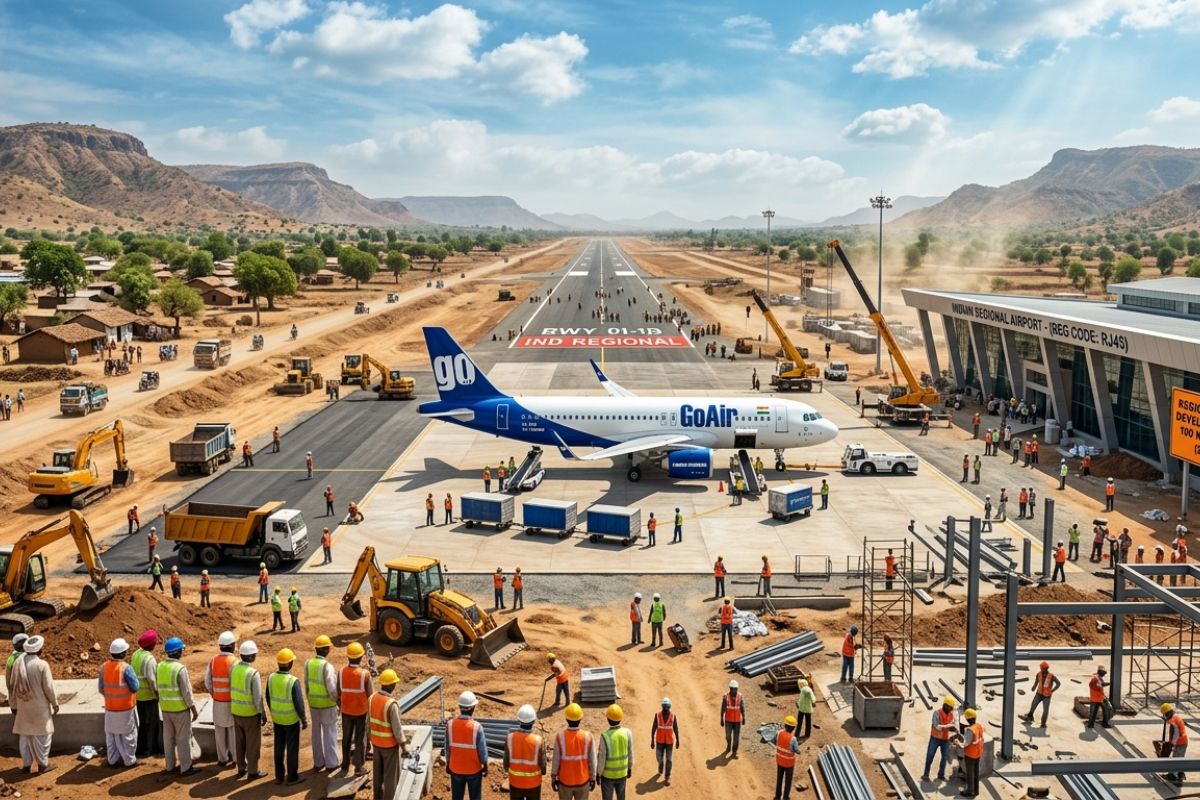
India announces a plan of $3.06 billion to bring aviation to forgotten regions: 100 new airports, $1.07 billion in subsidies, and regional routes guaranteed for 10 years, from 2026 to 2036, away from the centers.
-
Brazil blocked a proposal from the United States at the WTO that would make the exemption from tariffs on digital products like streaming and ebooks permanent, favoring American tech giants at the expense of developing countries.

-
IPTU exemption for seniors in 2026: see how to secure the benefit.

-
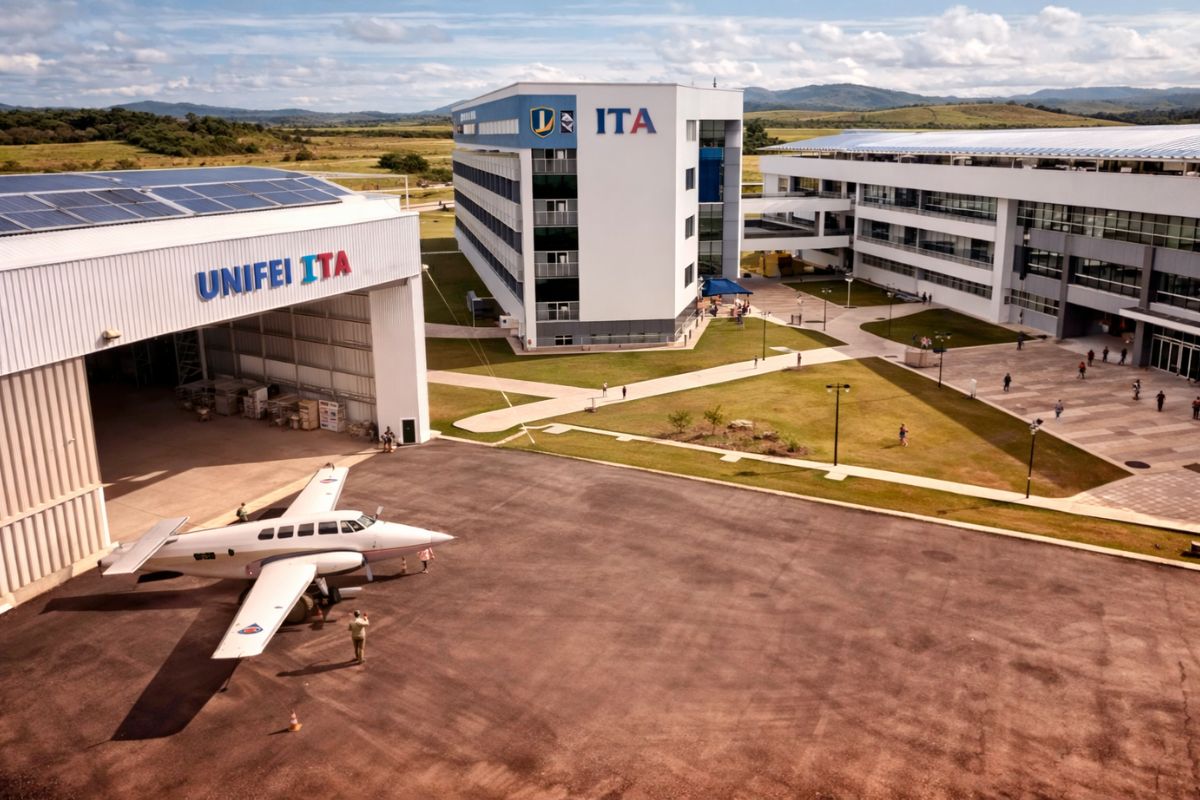
The institute that trained the greatest aerospace engineers in Brazil has just opened its first campus outside São Paulo after 75 years: ITA Ceará will have R$ 445 million, new courses in energy and systems, and classes are expected to start in 2027.

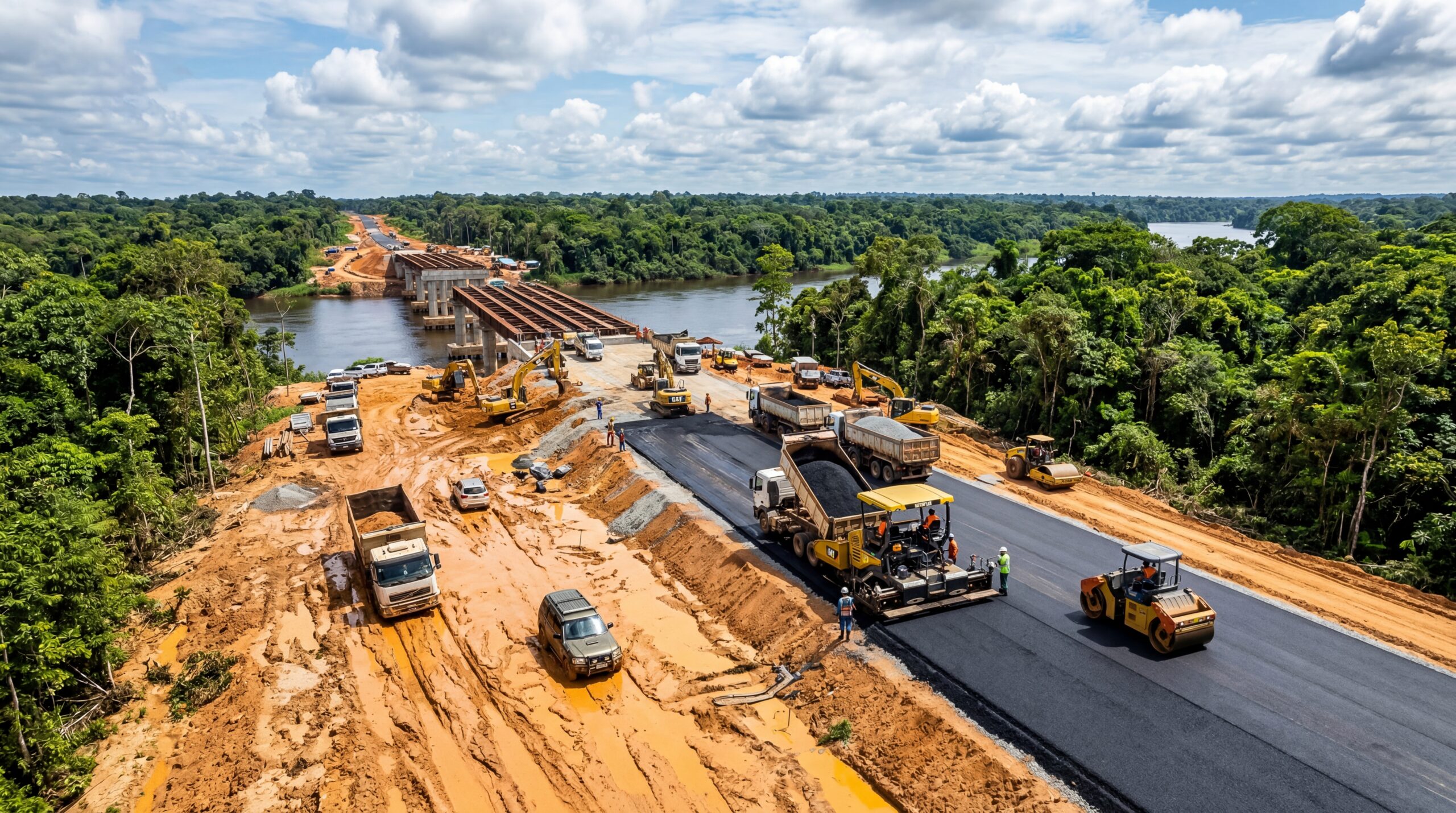
However, in 2023 it will return with a lower spending cap for the application of infrastructure works.
The initiative is set to start with R$ 40 billion in public resources, in addition to private contributions to projects and concessions, being much more modest than in 2007, which planned R$ 67 billion in public investments, around R$ 165 billion today.
Thus, the low amount for investments in the PAC proves the complicated and limited budget that the Lula government will have to allocate for improvements in Brazil in 2023.
In the plans of the elected president’s team, part of the resources will come from the so-called “proposed amendment to the Constitution (PEC) of the Transition,” which aims to create room in the 2023 Budget to fulfill campaign promises.
With the revocation that will be carried out by Lula during the first weeks of his government, he aims to increase the spending cap by R$ 20 billion for the year 2023, unlike the R$ 22 billion from the Bolsonaro government.
However, he intends to increase investments in public infrastructure works and reach the mark of R$ 100 billion attracted by the end of 2023.
New PAC Will Focus on Investments in the Completion of Ongoing Infrastructure Works, Unlike the 2007 Proposal, Confirms Lula
The new PAC led by Lula in 2023 will enter the national market with a new focus on infrastructure works.
While in 2007 the president was working to create new projects, such as high-speed trains and hydroelectric plants across Brazil, in 2023 he will focus on the completion of ongoing infrastructure works.
The Federal Court of Accounts (TCU) identified more than 14,000 stalled contracts, which have already received a total of R$ 10 billion.
In addition, the list of projects to be supported next year will also include private businesses to attract more investments to public initiatives.
The final decision has not yet been made regarding the program’s slogan, but it is a trend within the team that the PAC brand, which lasted for 13 years, should be maintained.
The main focus on the works of stalled programs will be the houses of Minha Casa Minha Vida, which should return in full swing in 2023.








Seja o primeiro a reagir!