





 Portuguese
  English
  Spanish
  3 min of reading
  7 comments





Measure Is Already Valid and Authorizes Progression to the Next Grade with Up to 6 Pending Subjects, Provided the Student Completes the Parallel Recovery on Time
The state network of Rio de Janeiro has started allowing high school students to progress to the next grade even with failing grades in up to 6 subjects, as long as they enter parallel recovery.
The change was established by decree during Claudio Castro’s administration and is already in effect, with different rules for 1st, 2nd, and 3rd year.
In practice, the student moves on to the next stage but has pending subjects that must be resolved within the set deadlines to avoid hindering their educational progress.
-
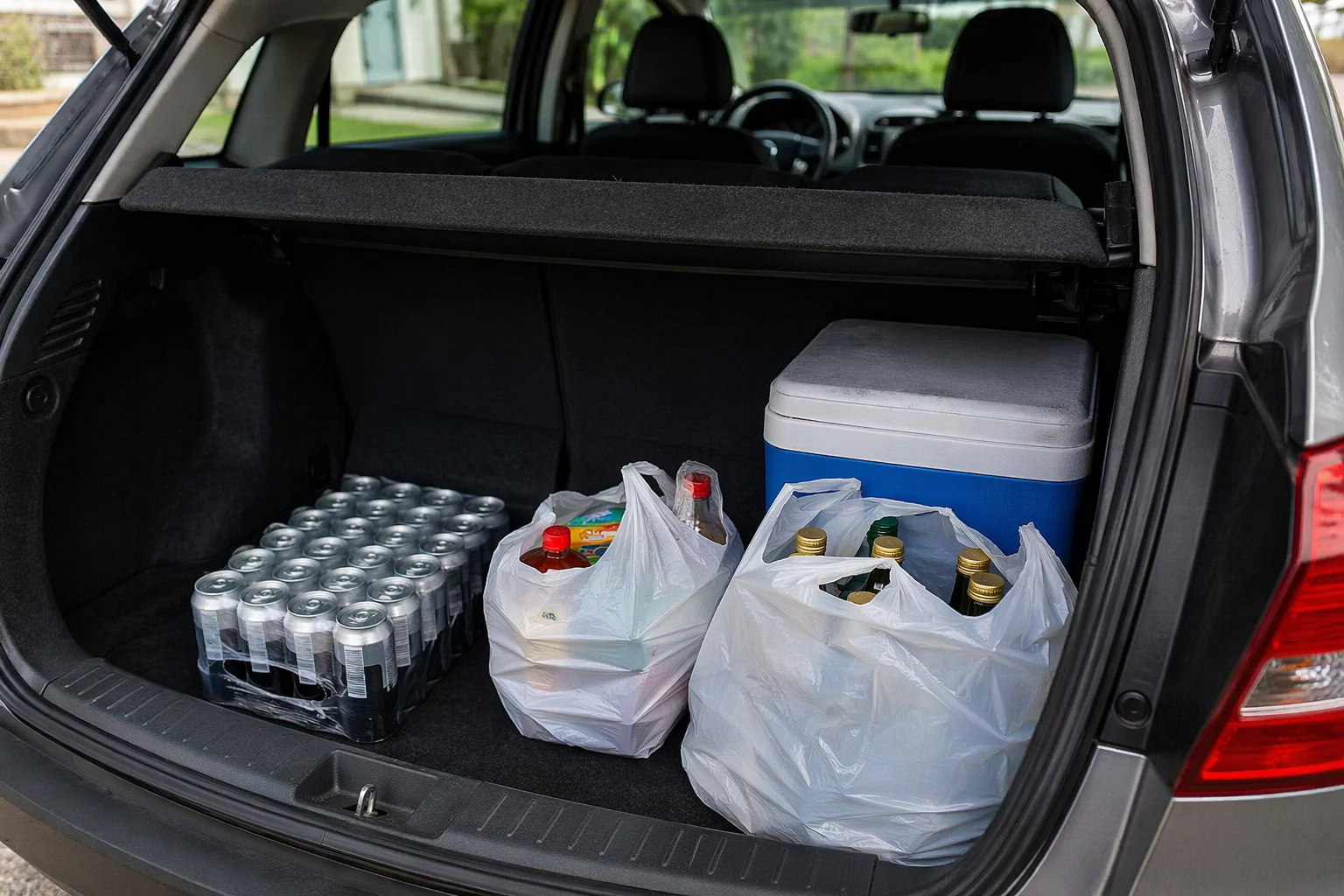
Can you be punished just for carrying alcohol in the car? The little-known detail of the CTB that changes everything in traffic stops.
-
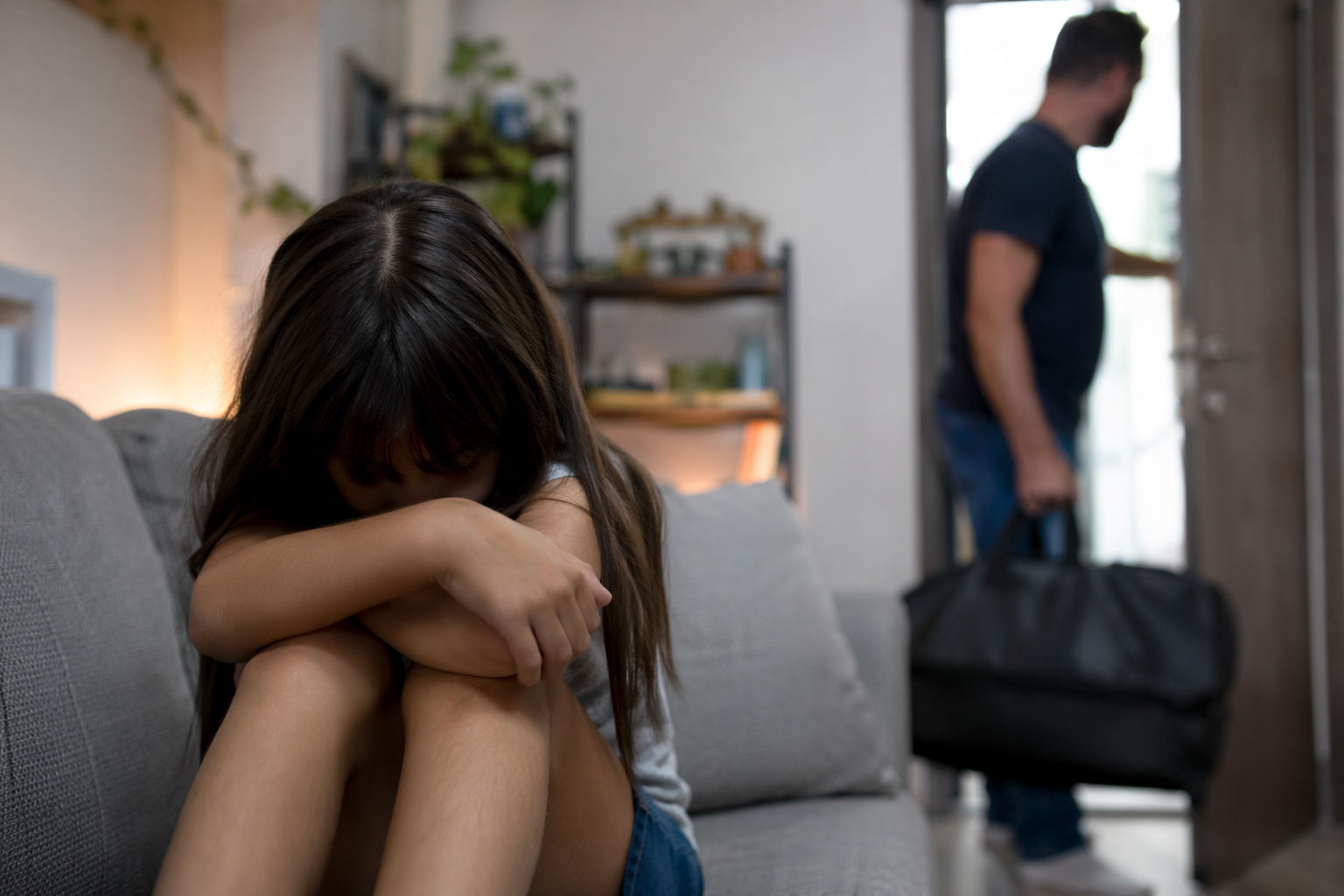
Countries may be required to pay up to R$150,000 for emotional abandonment: new law changes rules and expands parental responsibility in Brazil.
-
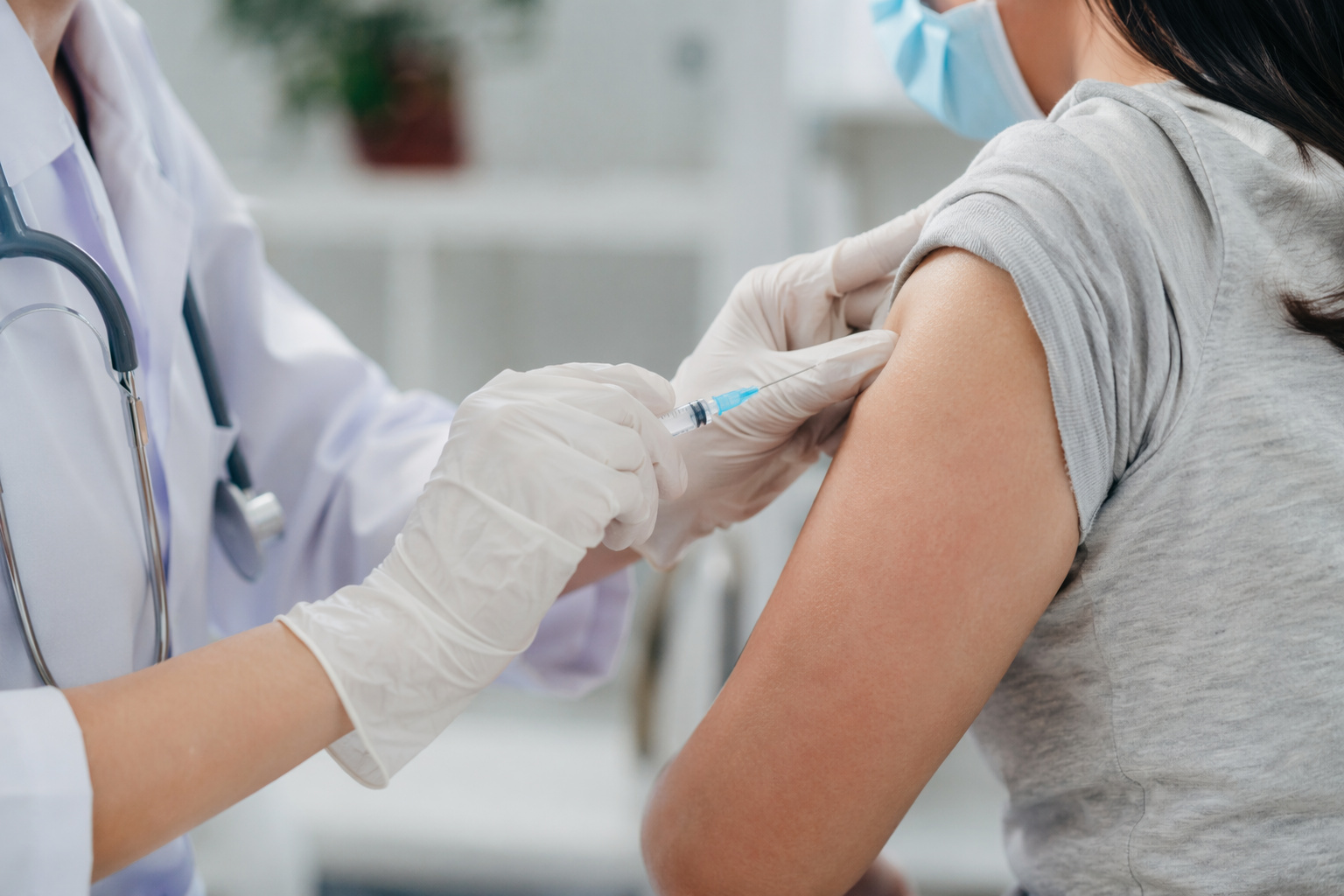
New vaccination and mandatory testing rules in Brazil raise alarms, redefine public health regulations, and spark debate on sanitary control and individual rights.
-
The noise ban in Germany will no longer be at 10 PM starting in June with a new rule valid during the 2026 World Cup.

What Happened and Why It Got Attention
The rule expands the possibility of progression in the High School of the state network, allowing students to advance with more pending subjects than many families expected.
The stated goal is to tackle school dropout, which remains high at this educational level, and to keep the student enrolled and monitored.
The proposal also mentions that 15 states adopt similar models, reinforcing that the strategy already exists in other networks.
What Changes in Practice for High School Students
In the 1st and 2nd year, a student can have up to 6 pending subjects per year and still proceed to the next grade.
In this context, pending means that the subject was not completed with approval and needs to be resumed in a specific recovery plan.
The student advances but assumes the obligation to fulfill the parallel recovery and complete any pending work.
What Are the Rules, Deadlines, and Conditions
For 1st and 2nd years, the deadline to clear the pending subjects is by the end of the first trimester, with completion of any outstanding work within this period.
In the 3rd year, the rule changes: the limit is up to three pending subjects.
In this case, the recovery occurs at the beginning of the following year, before the issuance of the certificate.
How Parallel Recovery Works
The procedure requires schools to organize a calendar, methodology, and monitoring so that the student can recover the pending subjects.
The recovery can be in-person or remote, with individual or group activities, depending on the organization of the unit.
The policy is treated as exceptional and has a projected duration of three years.
Criticism and Points of Attention Raised by Sepe
The Sepe criticizes the measure and points out a lack of dialogue with the State Education Council.
The coordinator Helenita Beserra states that combining up to 6 pending subjects with a bonus of R$ 3,000 for teachers who pass 95% of the class creates a disguised automatic approval.
There is also criticism regarding the pedagogical impact, arguing that the model may push students to the next year without ensuring learning and weaken their right to a real teaching process.
What May Happen from Now On
The implementation of the rule is likely to alter school planning, requiring stricter controls on pending subjects and greater monitoring of recovery.
For the student, progressing to the next grade may reduce the risk of dropping out, but it increases the responsibility to complete their subjects on time.
For the network, the issue should remain at the center of the debate as it involves learning, approval, and the public reading of indicators such as the Ideb.
The change allows students to progress to the next grade with failing grades in up to 6 subjects in the 1st and 2nd year, and up to three subjects in the 3rd year, always with parallel recovery and defined deadlines.
The direct impact is that the student is not automatically held back but must complete the recovery to regularize their pending subjects and proceed without blocks in their educational path.









Mas um tapa na cara do educador….se cobra tanto um resultado e para que?? O aluno escolhe o que quer fazer e debocha das disciplinas que não quer fazer já que não vai reprovar .Se pode ficar em até seis,algumas não reprovam…a escola será ponto de passeio …e o pobre do professor só na cobrança por resultados…Nosso objeto,como professor, não é em momento algum reter o aluno…mas sim,que ele adquira conhecimentos, cresça como ser humano e respeite o nosso trabalho…mas o governo com essas medidas ilude o aluno para não se esforçar ,não ter interesse no aprendizado e trata o trabalho fo professor como um “nada”.- Repito,não temos interesse em reprovar mas temos que cobrar o mínimo de empenho na nossa disciplina. E VAMOS SEGUINDO COM MAIS ESSA …ONDE IREMOS CHEGAR????
E se já não bastasse toda essa situação de insuficiência na aprendizagem, ainda é necessário trabalharmos com uma perda salarial pela inflação de mais de 30% (segundo o SEPE) e com redução do poder aquisitivo de mais de 44% comparado a 2013 (ano do último reajuste com ganho real acima da inflação). Sem falar que o estado RJ está longe de pagar o piso nacional como vencimento base conforme a lei.
Estou indignada, isso e colocar jovens sem o mínimo de preparo no campo de trabalho. Incrível que se durante um ano o aluno não se esforçou, não estudou, faltou ainda tem o direito de reprovar em 6 matérias e fazer dependência no ano seguinte. Dessa forma e que não vão mesmo para escola. Não irão dar conta das matérias do ano corrente e ainda as dependências. Eles não tem maturidade escolar. Muitos vão para vão para bagunçar. O ensino deveria ser algo sério. Se esforçar durante o ano, e se não conseguir, com certeza no próximo ano vai se esforçar mais. Parem de querer mudar o que sempre deu certo. O que o governo quer é dinheiro no bolso, e o pobre que se vire para aprender.
Um verdadeiro caos. A que ponto chegou a “Educação”?! Estamos vivendo tempos sombrios, onde a cobrança cada vez mais recai nas costas dos professores e temos que dar conta de planejamentos, preenchimento de planilhas, planejamento individual para alunos da sala de recursos, aulas diferenciadas para alunos da sala de recursos. Durante o ano letivo, um mês de Estudos de Aprendizagem Contínua (10 dias úteis em cada trimestre). Alunos infrequentes voltando para a escola para fazerem os Estudos Compensatórios de Infrequência. Devemos enviar materiais para aqueles alunos que estavam em Estudos Domiciliares (onde muitos materiais não retornaram para as mais dos professores. Pais/Responsáveis, aparecendo na escola em Dezembro para saber se o filho tera mais alguma chance. E assim por diante.
Isso é uma vergonha, a grande massa da população que locada nas escolas públicas estarão prejudicados…
E se já não bastasse toda essa situação de mascarar a aprendizagem, ainda é necessário trabalharmos com uma perda salarial pela inflação de mais de 30% (segundo o SEPE) e com redução do poder aquisitivo de mais de 44% comparado a 2013 (ano do último reajuste com ganho real acima da inflação). Sem falar que o estado RJ está longe de pagar o piso nacional como vencimento base conforme a lei.