





 Portuguese
  English
  Spanish
  5 min of reading
  8 comments


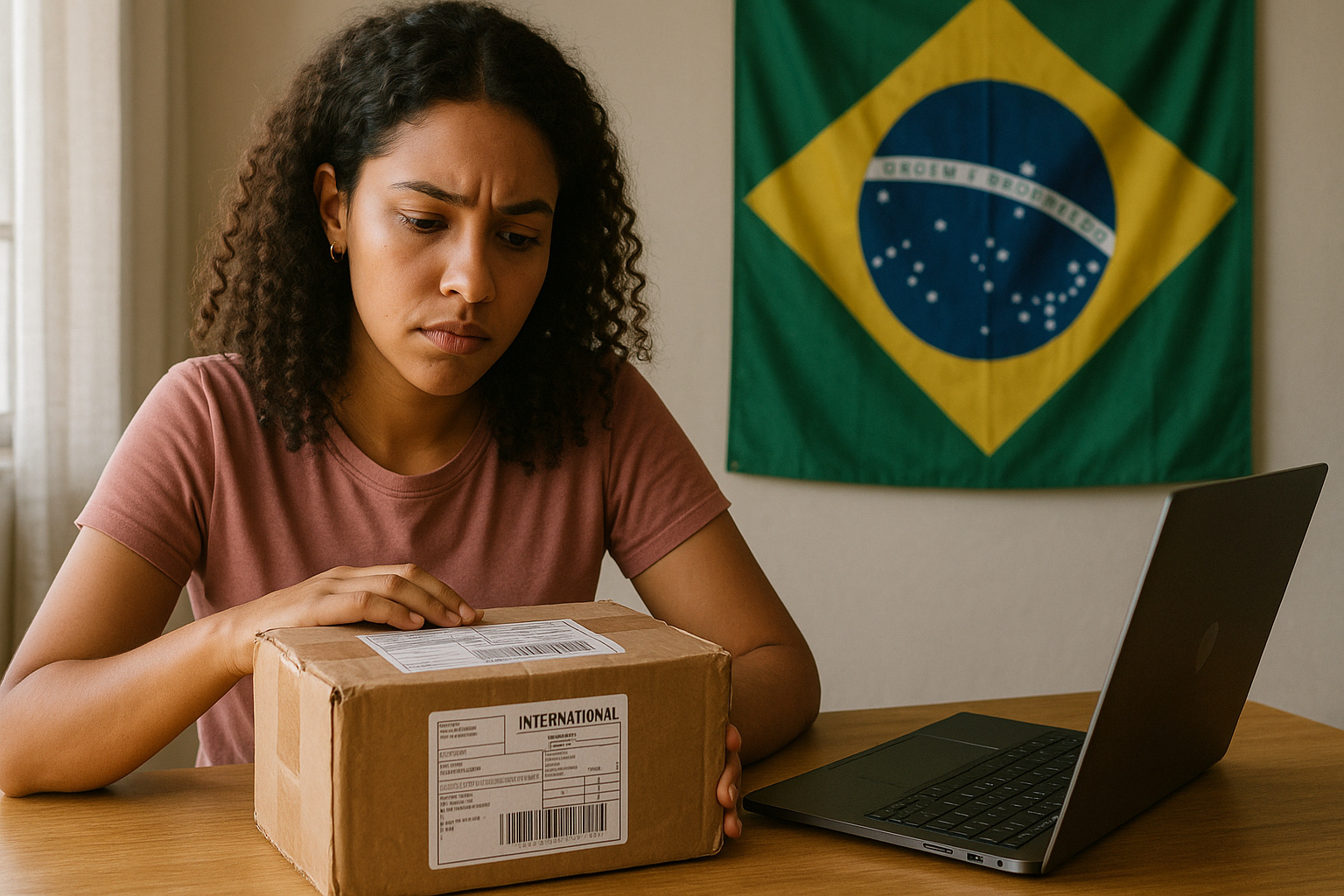


Pressure Grows Against The Blusinha Tax, And Government Considers Ending Tax On International Purchases To Mitigate Political Wear And Revive Consumption
The controversial “blusinha tax,” which applies a 20% charge on imports of up to US$ 50, is back in the center of the country’s economic and political debate. Data from the National Confederation of Industry (CNI) reveals that 29% of Brazilians have stopped buying from international websites due to the cost of the Import Tax, with this percentage rising to 38% among consumers who have made purchases in the last 12 months. In May 2024, the index was only 13%, indicating the direct impact of the measure on consumer behavior.
The survey was released by the CNI on October 27 and highlights the immediate effect of the policy on international e-commerce. For the entity, the tax is positive for the national industry, but still insufficient to balance competitiveness against the global market.
“The implementation of the Import Tax is the beginning of a process aimed at bringing more fairness and competitiveness to the national industry,” said the CNI’s Economic Superintendent, Marcio Guerra. According to him, the tax burden in other countries is still “much lower” than in Brazil, which keeps national production at a disadvantage.
ARTICLE CONTINUES BELOWSee also
The largest food company on the planet, JBS, has just opened a 4,000 square meter laboratory in Florianópolis to develop customized proteins that modulate muscle mass gain, immune response, and metabolic performance.

After nearly 30 bids and competition among industry giants, a Spanish company purchases one of the largest airports in Brazil for almost R$ 3 billion and takes over the management of Galeão in a concession that will last until 2039.

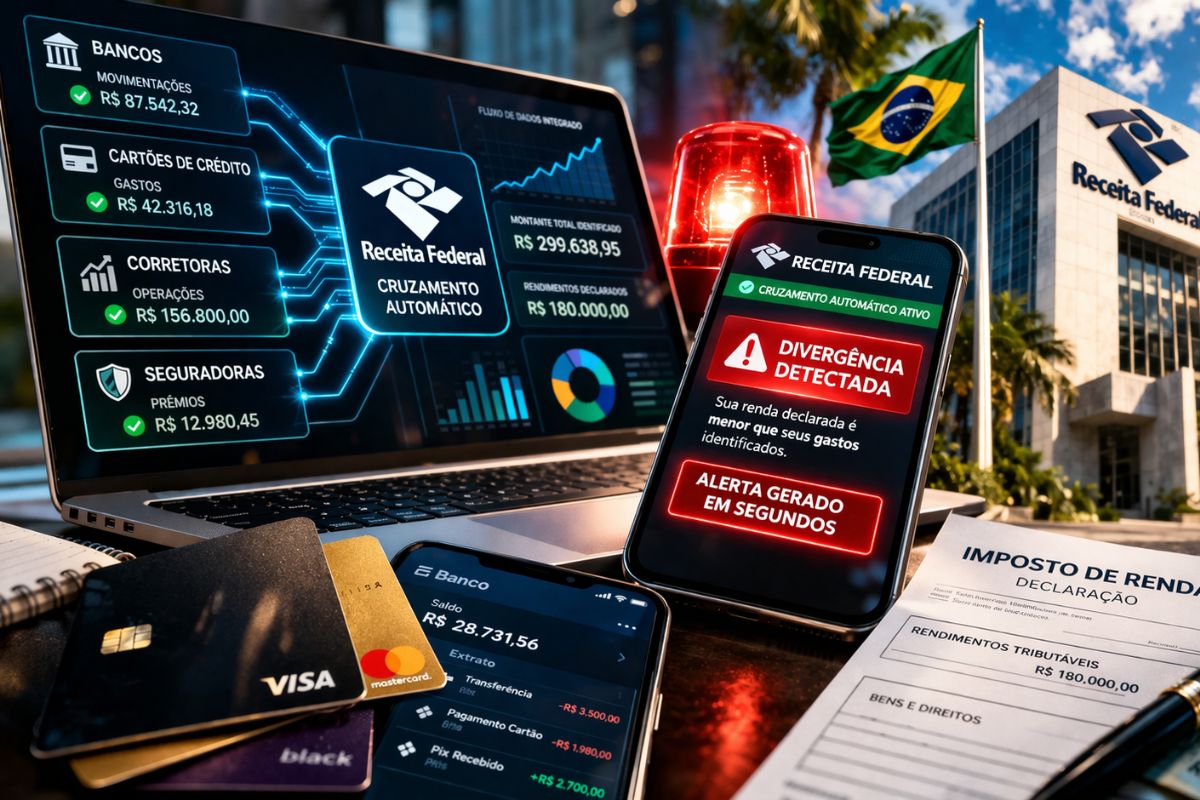
The Federal Revenue Service now automatically cross-references everything you declare with data from banks, credit cards, brokerage firms, and insurance companies, and any discrepancy between your income and your expenses triggers an alert in seconds.
Amid global tensions, Brazil blocks the United States’ proposal at the WTO and paves the way for a trade crisis and possible retaliations.
The Government’s Reaction And The Political Calculation Behind The Measure
While the CNI celebrates the advancement of the charge as an instrument of industrial protection, the federal government is studying the repeal of the tax. According to sources interviewed by the magazine Veja, the Palácio do Planalto is considering ending the 20% tax on international purchases under US$ 50, due to the growing backlash on social media and pressure from lawmakers.

The measure, which became known as the “blusinha tax”, was conceived within the Remittance Conformity Program, created in 2023 to regulate international e-commerce and certify companies operating within the law. However, the popular reaction surprised the government, especially as it occurred at a time when President Luiz Inácio Lula da Silva is seeking to improve his approval ratings ahead of the 2026 election cycle.
Sources from the Secretary of Social Communication (Secom) confirm that the topic is being closely monitored, as ending the taxation could be used as a political gesture to connect with the middle-class electorate and young consumers of international platforms.
The Impact Of The Blusinha Tax On Brazilian Consumer Behavior
Since the establishment of the charge, buying behavior has changed significantly. According to the CNI study, 32% of consumers have started looking for similar products with national delivery, up from 22% in May 2024. Additionally, 14% sought alternatives in physical stores, while the number of people migrating to other international sites rose from 6% to 11%.
The so-called “definite abandonment” of purchases has also dropped from 58% to 42%, suggesting an adjustment attempt by consumers to the new rules. Still, the cost of the tax and international shipping continue to be decisive factors for the rejection of purchases.
The survey shows that 45% of shoppers abandoned orders upon discovering the cost of shipping, five points higher than the previous survey. Another 32% gave up after learning about the delivery time, although this percentage has slightly decreased from the 34% observed in 2024.
For Marcio Guerra, the numbers reveal an important transformation in the consumption profile. “The blusinha tax has sparked reflections that previously disappeared due to the price difference,” he explains.
The phenomenon is also reflected in the search for national products, boosting internal commerce. The percentage of Brazilians who stopped importing due to the state ICMS rose from 32% to 36%, while those who sought a national equivalent increased from 26% to 34%.
What Is At Stake In The Possible Repeal Of The Tax
Behind the scenes in Brasília, deputies and senators have already filed several bills calling for the total repeal of the blusinha tax. Some are still awaiting analysis in the Chamber of Deputies, but others are already prompting public hearings and discussions in the economy committees.
According to the investigation by Veja, the government prefers that the final decision come from the Executive itself, avoiding having the merits of the measure attributed to Parliament. The logic is simple: if the repeal is popular, Lula wants the political credit for the decision.
Still, there are legal obstacles. Even if the federal 20% tax is abolished, the state ICMS of 17% to 20% would still apply to international shipments, as it does not require authorization from the Union. Thus, even in the case of flexibility, the consumer would still bear part of the taxation.
Remittance Conformity Program And The Future Of International Purchases In Brazil
The Remittance Conformity Program, created in 2023, was the starting point for the current tax policy on international purchases. The system certifies e-commerce companies that follow specific customs and tax regulations, establishing differentiated rules according to the value of the orders.
Here’s how the program works today:
- Purchases of up to US$ 50: pay 20% Import Tax (federal) and 17% ICMS (state);
- Purchases over US$ 50: are taxed at 60% federal tax, plus 17% state ICMS.
In practice, the so-called “blusinha tax” unified the charge and reduced loopholes that previously allowed products to enter without taxation. However, the political and economic impact turned out to be larger than expected.
While part of the national industry celebrates the increased competitiveness, foreign platforms and consumers accuse the government of hampering transnational e-commerce and restricting access to cheaper products.
According to analysts consulted by CNN Brasil, the impasse is expected to continue until early 2026, when the Palácio do Planalto will need to decide between maintaining revenue or adopting a populist measure and revoking the tax to mitigate the damage to the presidential image.
A Decision Between Collecting Revenue And Appeasing The Electorate
Regardless of the outcome, the blusinha tax has become a symbol of the struggle between revenue collection and popularity. On one side, the government needs resources and the support of the national industry; on the other, it faces a young, digital audience accustomed to low prices on international platforms.
The survey Portraits of Brazil, conducted by Nexus at the request of the CNI, interviewed 2,008 people across all Brazilian states between October 10 and 15, 2025. The margin of error is 2 percentage points, with a confidence interval of 95%. The results confirm that taxation has changed consumption habits and ignited a political debate that goes far beyond the boundaries of e-commerce.
With or without tax, the episode of the “blusinha tax” shows that Brazilian purchasing behavior is maturing — and that economic decisions can increasingly define the course of political campaigns.
In light of the strong popular reaction against the so-called “blusinha tax,” which imposes a 20% tax on imports of up to US$ 50 and has already caused 29% of Brazilians to give up buying from international sites, how can the federal government balance the need for revenue and protection of the national industry with political pressure for more popular measures? Additionally, what would be the economic and social impacts of a possible repeal of this taxation — both for the competitiveness of national e-commerce and for President Lula’s image on the eve of the 2026 elections?






Esse desgoverno faz uma ***** atrás da outra, gasta igual piriguete rica e administra o dinheiro igual um drogado. O incrível nesse filme de terror é ver pobre defendendo aumento de impostos, como se isso fosse aumentar o poder de compra dele, mas na vida real o efeito é contrário, quando mais alto os impostos, mais caros os produtos ficam e menor é o poder de compra. Ninguém diz pro povo, e a imprensa abandonou seu papel de informar, que ele perdeu poder de compra quando uma grande fatia do seu salário vai para a conta do governo, que dá um jeito de sumir com ele. É por isso que a esquerda gosta tanto de pobre, porque o pobre sai barato para manter!
Caso você nao saiba a taxa das blusinhas é um projeto do **** Alexandre Frota e que foi votada pela maioria dos incompetentes do PL… Nao culpe o governo por **** que Os seus ladinos favoritos fez….
Não esperava muito desse governo, mas fazer isso no final da vida pra conseguir voto é **** .
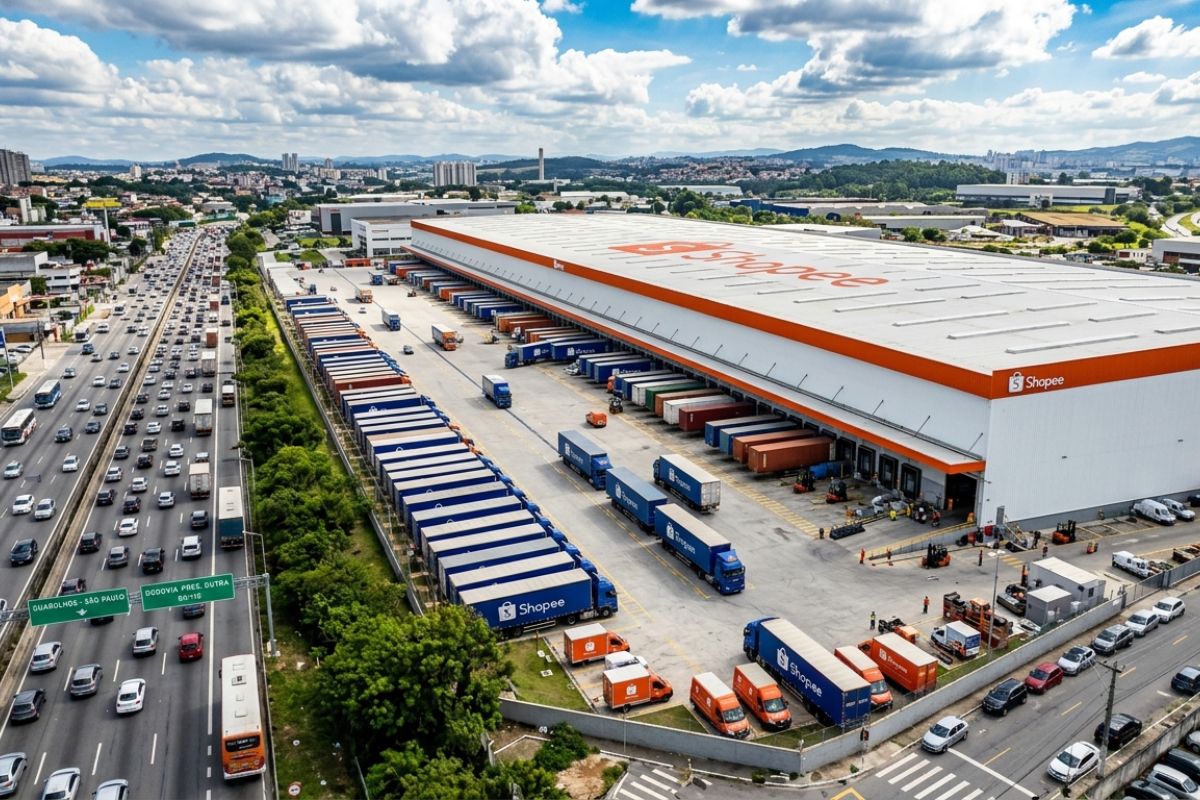
Eles não assumem a burrice que fizeram. Com essa taxa, só aumentou o rombo do correio o qual era o que mais lucrava com as vendas internacionais. Essa medida visa salvar os correios da ação desastrada do nosso economista fajuto, só que muitas plataformas já se consolidaram no país com depósito s e agora até já têm meio de transporte próprio. Tiro nos dois pés. Resta ao desgoverno chorar.
Deixa de ser alienado… Procura saber de quem é o projeto da taxa das blusinhas e quem foi os incompetentes que votaram no projeto… Mas é claro que vc nao vai procurar… Ser **** e padecer com falta de inteligência e carater